




Blog
All
/
FAQs
/
Buyer's Guide
FAQs
May 18, 2026
Electric vs Gas Push Mower: Key Differences & How to Choose
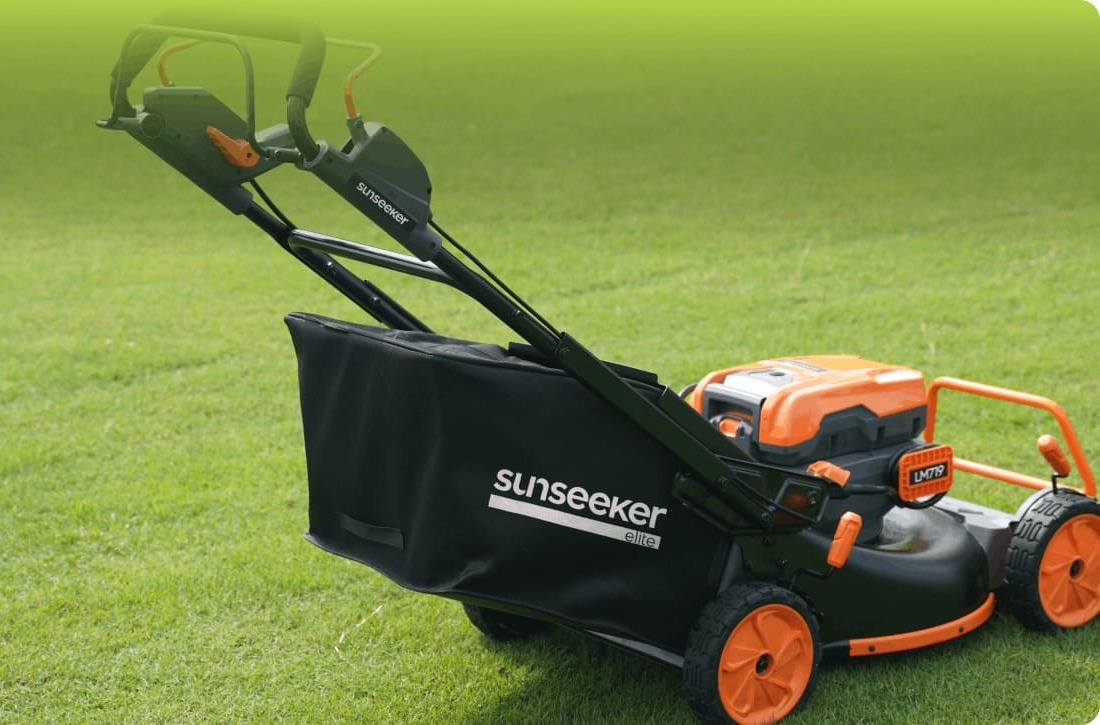
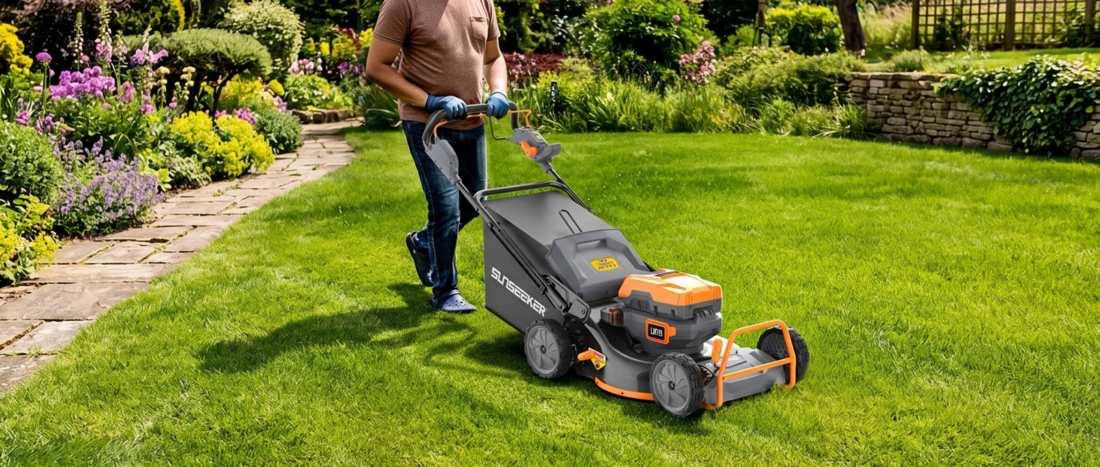
For a typical home lawn, the choice is often about how much effort you want after mowing starts. Gas mowers feel stronger in rough, thick, or wide areas, but they bring more noise, fumes, fuel storage, and servicing. Electric mowers feel easier for regular weekend care because they start quickly, run more quietly, and avoid most engine maintenance.
FAQs
May 15, 2026
Best Cordless Lawn Mower of 2026: Complete Guide
Many homeowners prefer cordless lawn mowers because they eliminate fuel, power cords, loud engine noise, and much of the maintenance required by gas models. The right mower should suit the yard size, terrain slope, storage space, and desired level of manual effort. Battery runtime, cutting width, motor power, and navigation features are often more important than chasing a single “best” model.
FAQs
May 13, 2026
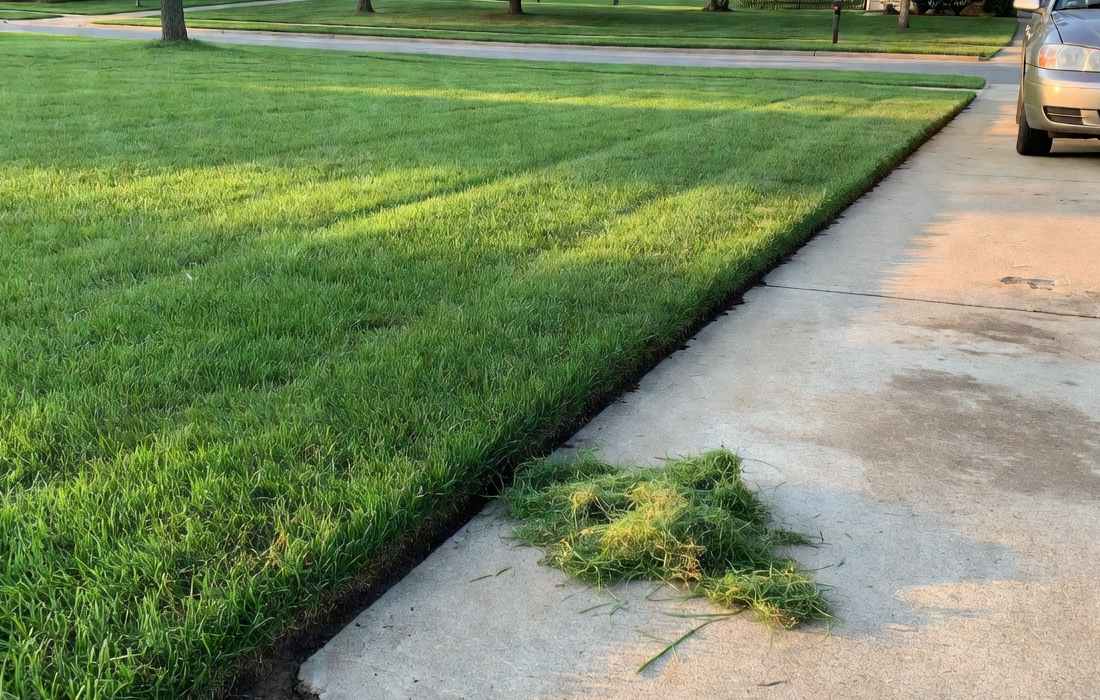
How to Edge a Lawn for Sharp, Clean Yard Borders
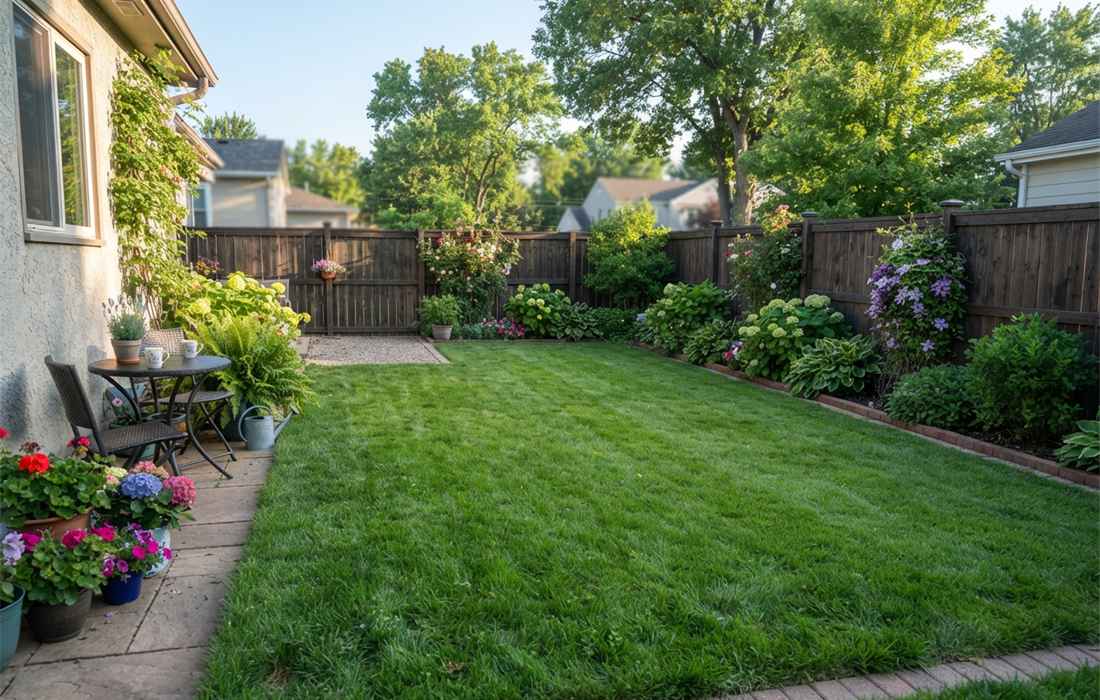
Learning how to edge a lawn is one of the easiest ways to give your yard a cleaner, more polished look. Lawn edging creates a clear separation between grass, sidewalks, driveways, flower beds, and other landscaping features while helping stop unwanted grass spread. Depending on your yard size and preferred maintenance style, you can use tools like manual edgers, power edgers, or string trimmers to shape crisp lines around the lawn. Many homeowners also add decorative borders using materials such as brick, stone, metal, wood, or low-growing plants to improve curb appeal and reduce upkeep.
FAQs
May 13, 2026
What Is a Self Propelled Lawn Mower? Benefits, Types & How It Works
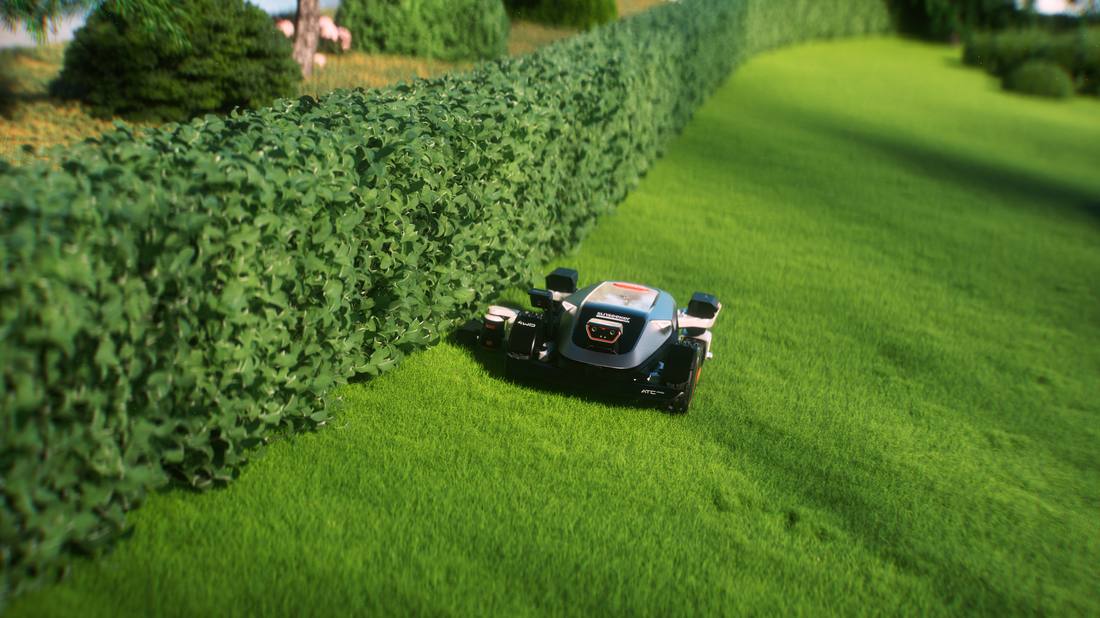
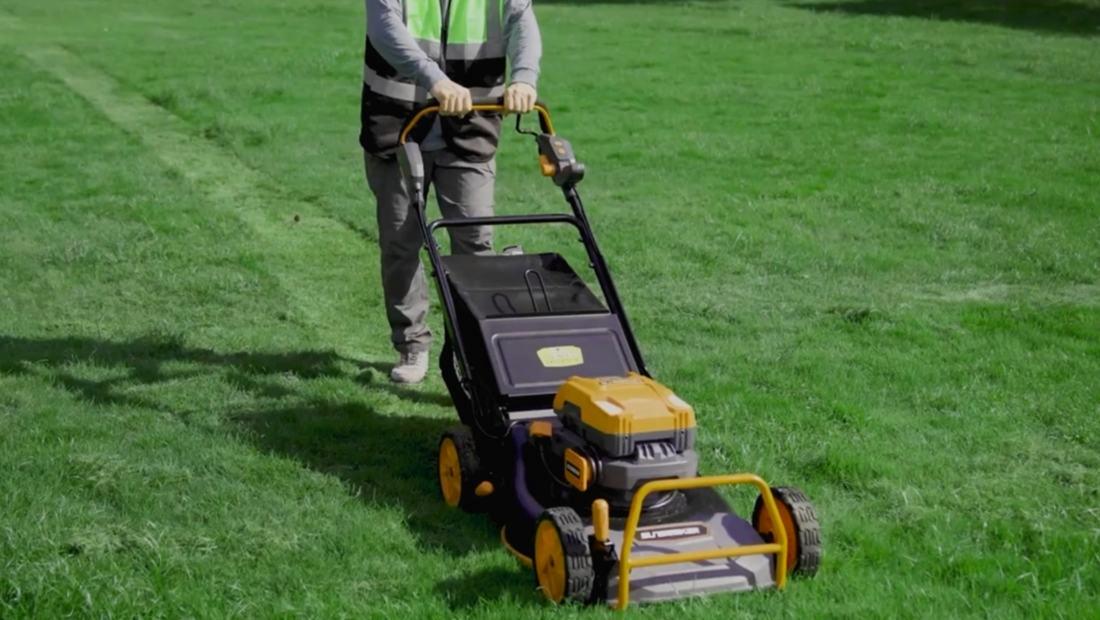
A self-propelled lawn mower is a powered walk-behind mower designed to move forward on its own using a built-in drive system. Instead of pushing the mower manually, the user simply guides its direction, making mowing easier and less tiring—especially on hills, uneven ground, or larger lawns. These mowers come in several drive configurations, including front-wheel, rear-wheel, and all-wheel drive, along with gas and battery-powered options. Some homeowners also choose robotic lawn mowers for a fully automated mowing experience with minimal effort.
FAQs
May 13, 2026
What's Better Corded or Cordless Lawn Mower? Pros, Cons & Best Uses
Choosing between a corded and cordless lawn mower depends largely on your yard size, mowing habits, and budget. Corded electric mowers deliver steady power, require less maintenance, and usually cost less over time, making them a practical option for smaller lawns with easy outlet access. Cordless lawn mowers, on the other hand, provide greater mobility, quieter performance, and a more convenient mowing experience without the hassle of extension cords. However, battery life and charging time can be limiting for larger properties. For homeowners seeking maximum convenience, robotic lawn mowers offer a fully automated alternative with minimal manual effort.
FAQs
May 13, 2026
Who Invented the Lawn Mower? A Complete Look at Its History and Evolution
The first lawn mower was invented by Edwin Budding in 1830, changing the way people maintained grass and landscaped outdoor spaces. What began as a hand-powered reel mower eventually evolved into gas-powered, electric, riding, and robotic models used today. Over the years, lawn mower technology has focused on making lawn care faster, easier, and more efficient. Modern innovations now include battery-powered systems, smart navigation, GPS tracking, AI-assisted mowing, and app-based controls designed to reduce manual labor while improving sustainability and precision.
FAQs
May 12, 2026
Best Robot Lawn Mower 2026: Top 5 Picks Ranked
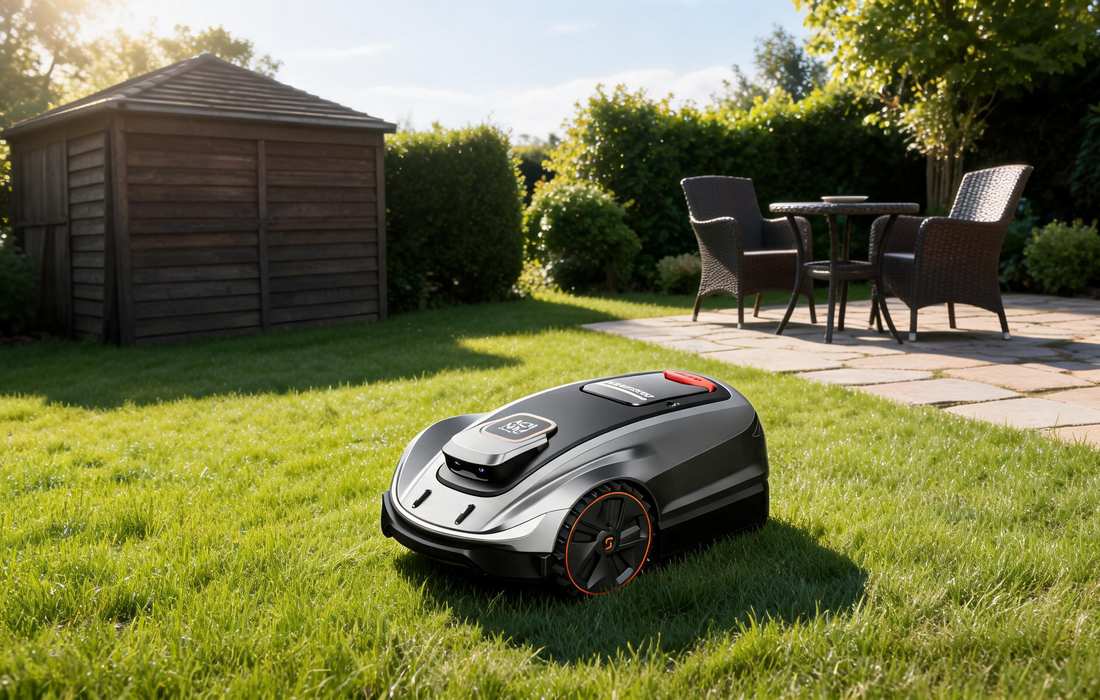
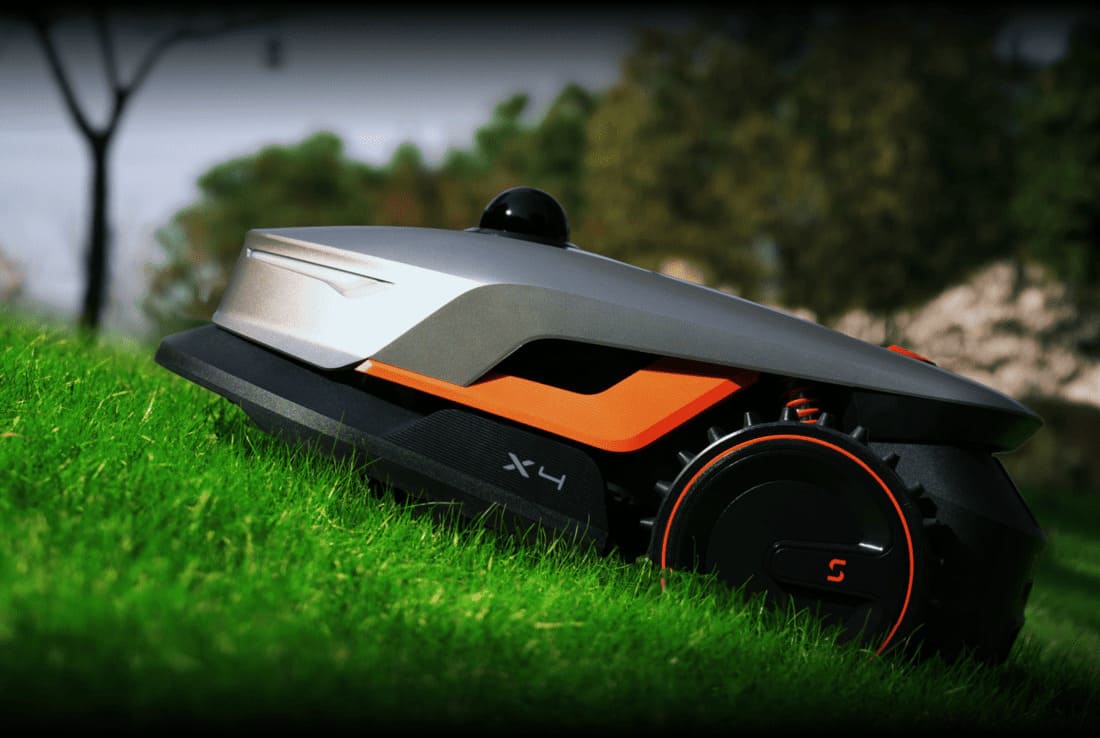
A robot lawn mower is best for people who want steady lawn care without regular pushing, trimming, or noisy weekend mowing. The right model should fit the lawn size, slope, trees, boundaries, and setup needs. Strong navigation, safe obstacle detection, battery life, and weather resistance matter more than simply choosing the most expensive option.
Buyer's Guide
April 30, 2026
7 Best Electric Lawn Mowers of 2026
More homeowners are choosing electric lawn mowers for their quiet performance, minimal upkeep, and zero-emission operation. Cutting ability differs between push, self-propelled, and robotic models, while battery power, deck width, and smart functions also influence efficiency. The best option depends on lawn size, terrain, and preferred automation level, with premium models adding app connectivity and obstacle detection for easier mowing.
FAQs
April 30, 2026
Can You Mow Wet Grass, and Should You?
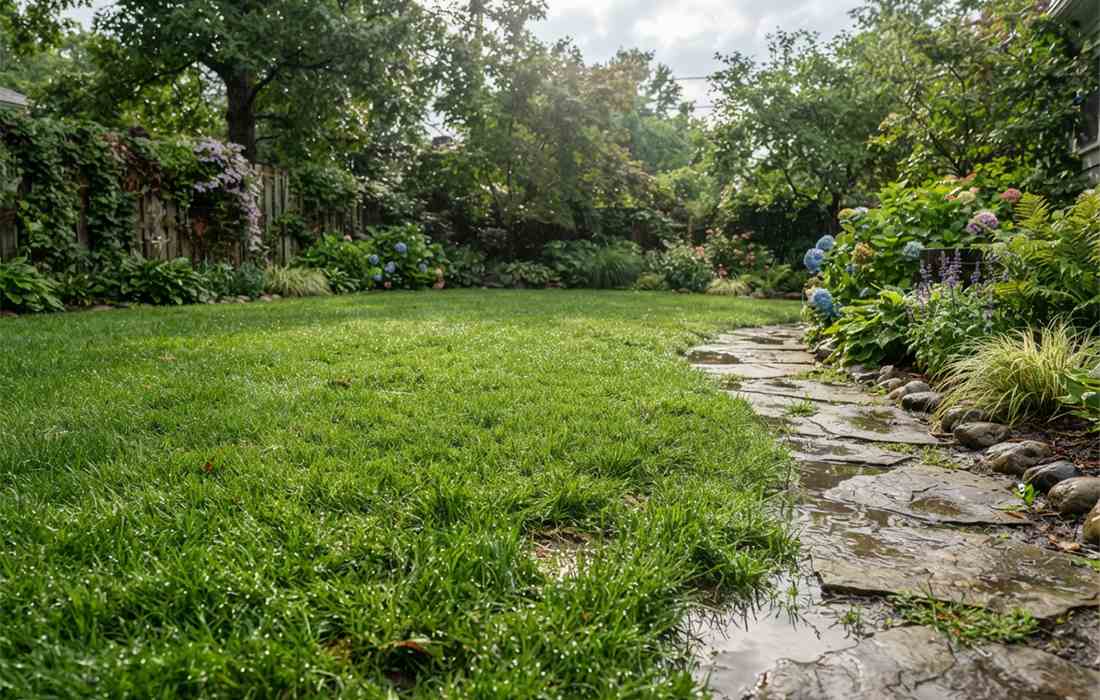
Cutting damp grass can be done, though several problems may follow. Light morning dew is usually manageable after the surface dries slightly, but heavily soaked lawns often cause uneven trimming, clumps, compacted soil, and fungal issues. Waiting 24–48 hours after strong rainfall is recommended. When mowing cannot wait, lift the deck, reduce speed, and clean the mower often for cleaner cutting.
FAQs
April 30, 2026
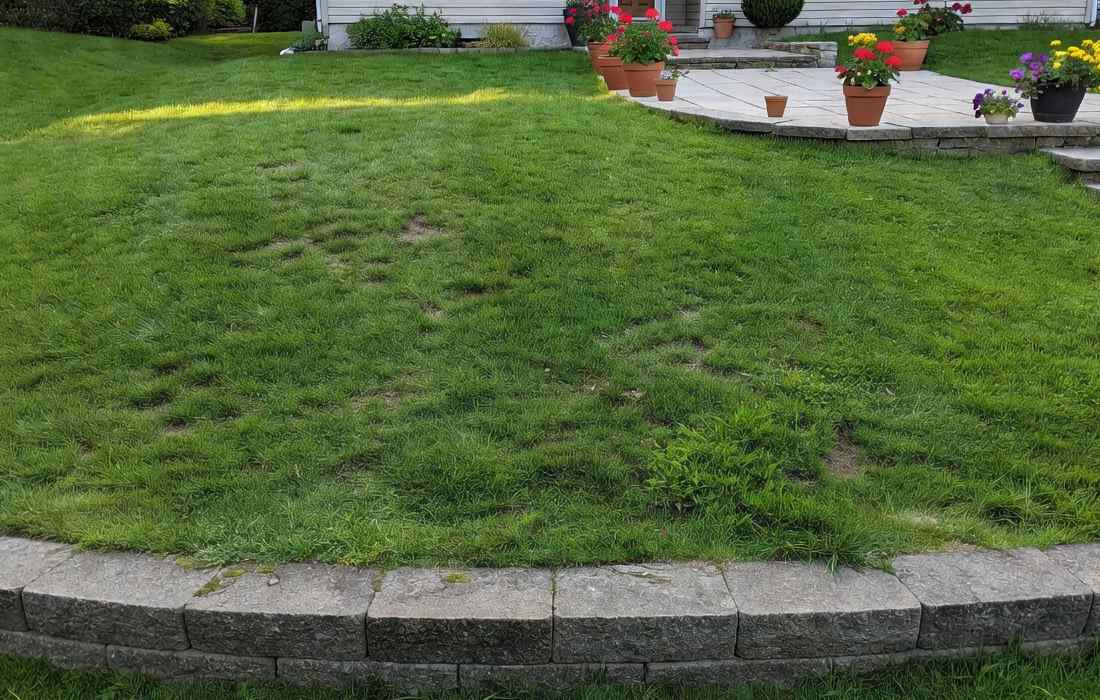
How to Aerate a Grass Lawn? (When, How, and Aftercare Tips)
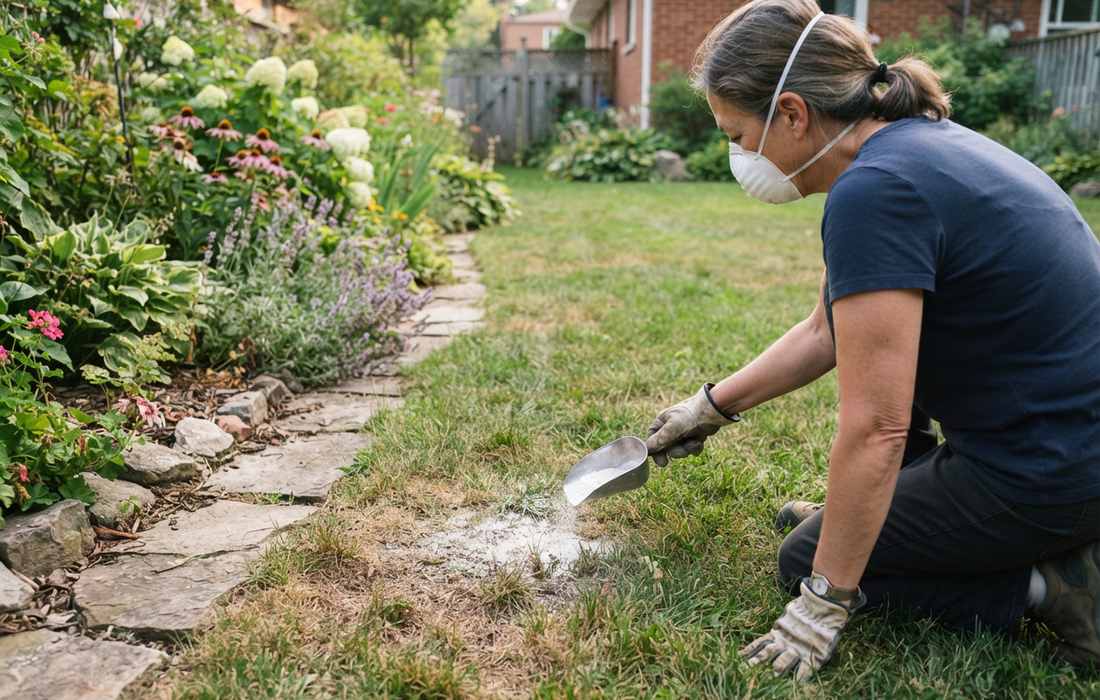
Successful lawn aeration depends heavily on choosing the right season for your grass variety—early autumn suits cool-season lawns, while late spring favors warm-season growth. Before aerating, trim the grass lower, moisten the soil lightly, and identify hidden obstacles. Make several passes with a core or spike aerator, leave the soil plugs in place, then apply fertilizer, water thoroughly, and reduce foot traffic to encourage stronger recovery.
FAQs
April 30, 2026
How to Grow Grass from Seeds: Timing, Methods, and Lawn Care Tips
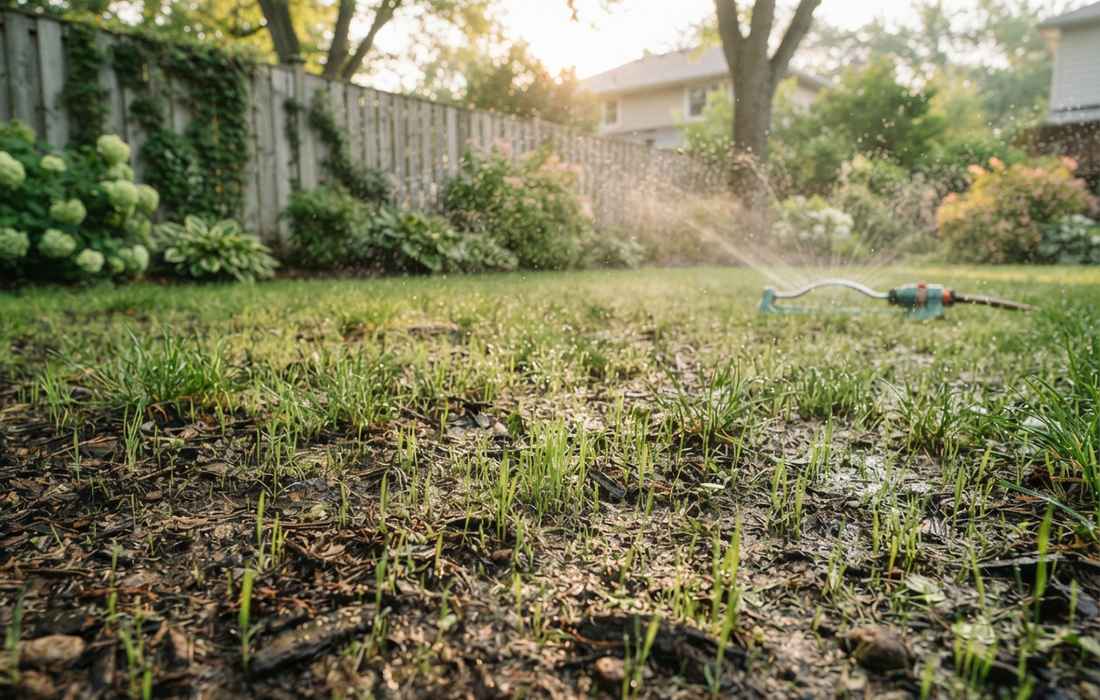
Healthy grass growth starts with proper timing, good soil preparation, and the right seed variety. Select cool- or warm-season grass according to your local climate, loosen and level the ground, distribute the seeds evenly, cover them lightly, and maintain steady moisture. After planting, careful watering, postponed mowing, weed management, and reduced foot traffic all help the new lawn establish successfully.
FAQs
April 30, 2026
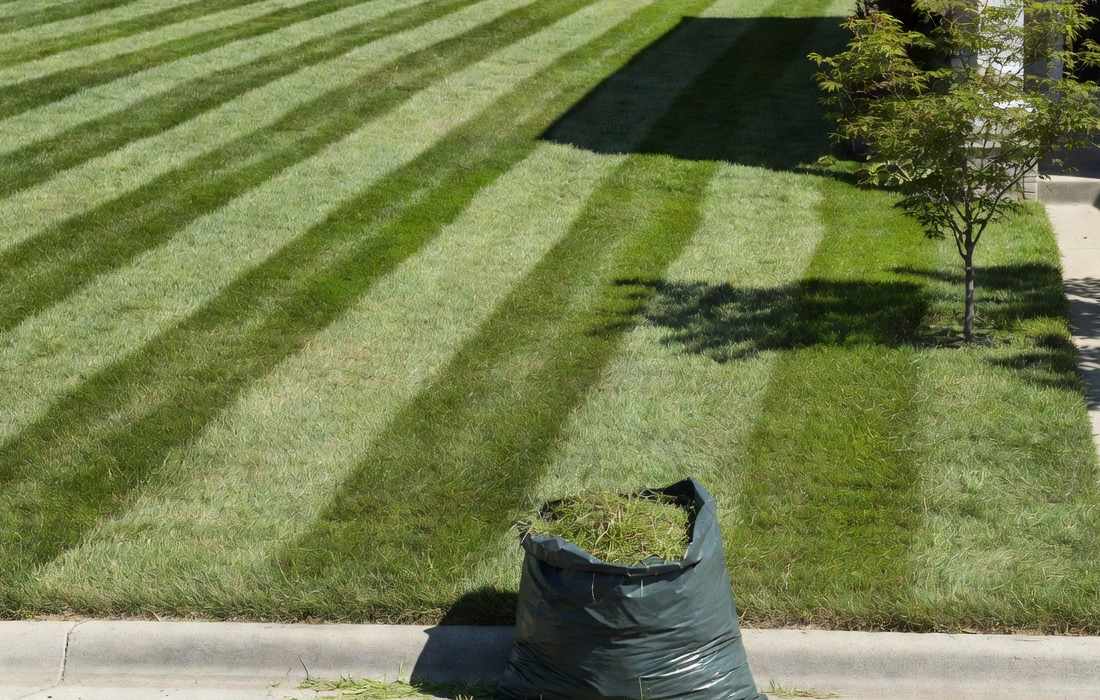
How to Mow a Lawn the Right Way, Every Time
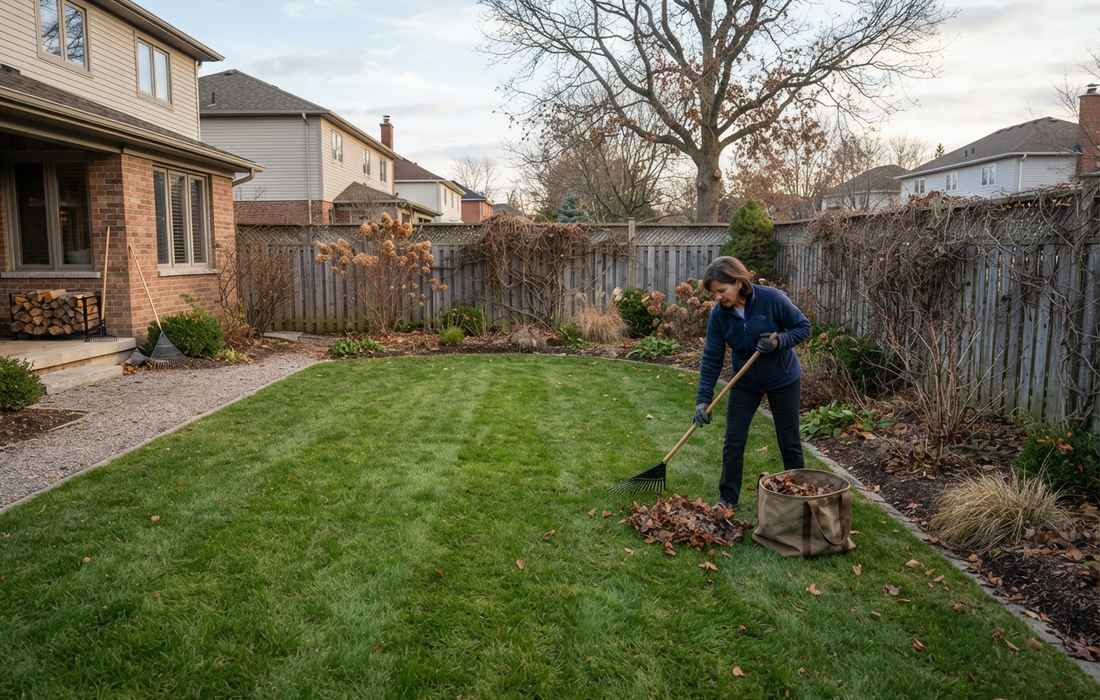
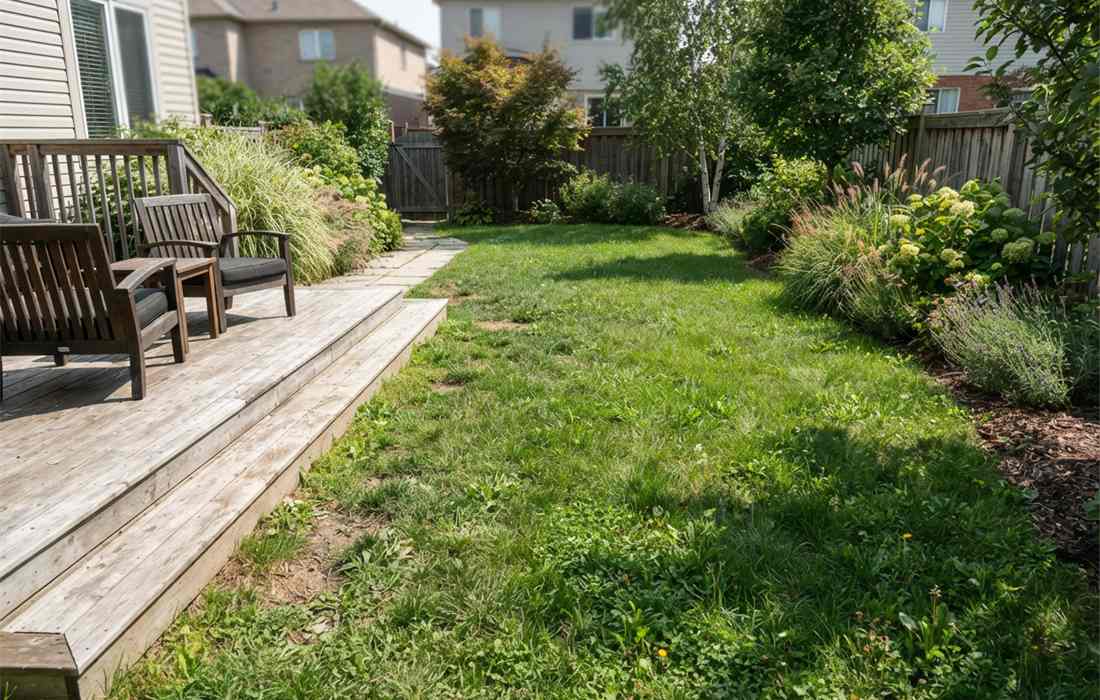
Achieving a healthy lawn depends on proper mowing habits, good technique, and regular upkeep. Dry conditions, suitable cutting height, sharp blades, alternating patterns, and neat edges all improve cutting quality and lawn health. Routine mowing, seasonal care, fertilizing, and even robotic mowing support balanced growth. Simple maintenance tasks like clearing the deck and inspecting wheels also improve long-term performance.