




FAQs
8/26/2026
Contents
Products
Residential Lawns





Explore
Where to Buy


Quackgrass is a perennial grassy weed that spreads through tough underground rhizomes. Small patches can be dug out if every rhizome piece is removed. Larger infestations often need carefully targeted non-selective herbicide or lawn renovation. Replant bare areas quickly and monitor for new shoots for several seasons.
A few coarse grass blades in an otherwise tidy lawn can turn into a widening patch before you notice the change. Quackgrass is especially frustrating because its underground stems keep producing new shoots even after the top growth is cut. Control takes accurate identification, careful removal, and persistent follow-up. This guide explains how to identify this weed, choose the right removal method for your yard, and restore your turf to its best condition.
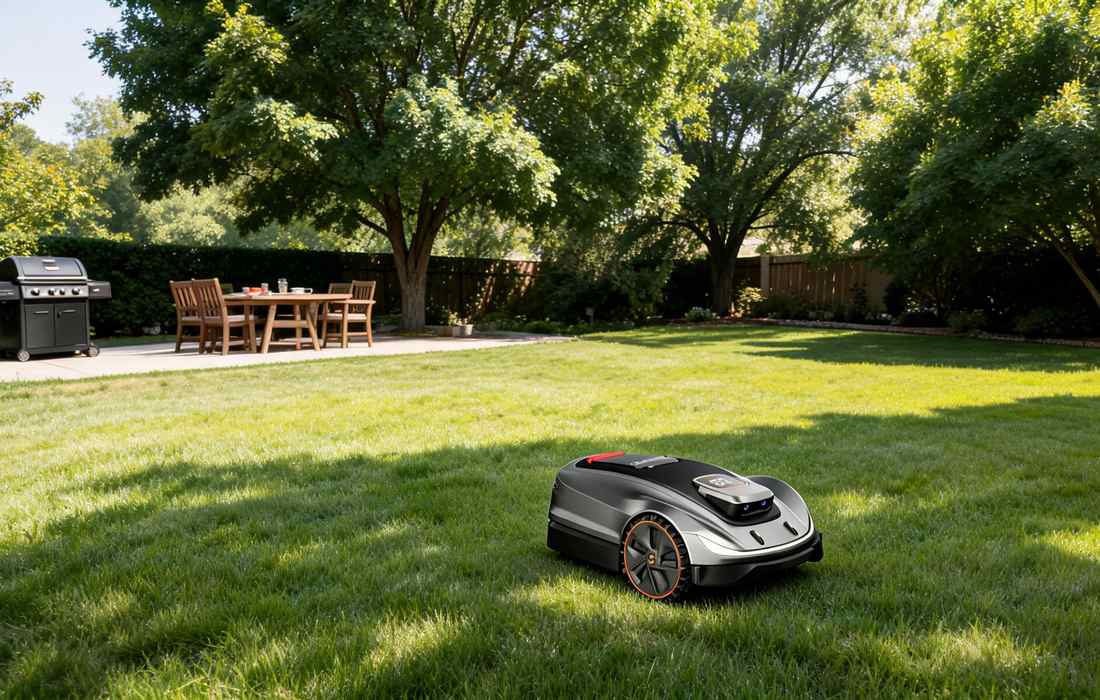
Quackgrass is more than just a visible weed; it is a complex perennial system that survives through aggressive underground expansion. Understanding its lifecycle is the first step toward reclaiming your lawn.
Unlike annual grassy weeds that die after one season, quackgrass (Elymus repens) is a perennial cool-season grass. It spreads primarily through creeping, sharp-tipped underground rhizomes that store energy and produce new clones of the parent plant. If left unmowed, it can reach three feet in height and produce wheat-like seedheads. In a home lawn, it often hides within the turf until its coarse texture and rapid spread make it impossible to ignore.
Feature | Quackgrass Characteristic | Comparison (e.g., Crabgrass) |
Lifecycle | Perennial (lives for years) | Annual (dies after frost) |
Spread Method | Underground rhizomes | Seeds only |
Auricles | Clasping (ear-like wraps) | Absent or short |
Stem Base | White, sharp rhizomes | Clumped, no rhizomes |
Accurate identification prevents you from mistreating desirable grass or using the wrong control strategy. Use these three botanical clues to confirm you are dealing with quackgrass rather than common crabgrass or tall fescue.
Quackgrass usually has blue-green to medium-green blades with a noticeably rough surface. Run a gloved finger lightly along a blade and it often feels coarser than nearby lawn grass. The blades can also appear slightly wider and more upright, especially when a patch has not been mowed for several days.
At the base of the leaf, look for small ear-like structures called auricles. On quackgrass, these auricles clasp around the stem. This is one of the most useful field clues because many common lawn grasses do not have the same clasping feature. Pull one intact shoot and inspect the collar area closely rather than judging the patch only by color.
The strongest confirmation is below ground. Carefully loosen the soil beside a plant and look for firm, whitish rhizomes with pointed tips. These creeping stems connect shoots and can break into pieces during digging. A leftover fragment can produce another plant, which is why incomplete pulling often seems to make quackgrass return in the same spot.
The persistence of quackgrass is rooted in its biological design, which allows it to thrive even under heavy maintenance. Standard weeding methods often fail because they ignore the plant's aggressive survival mechanisms.
Eradicating quackgrass requires a systematic approach that matches the scale of the infestation. Follow these steps to ensure you remove the current growth and prepare the soil for healthy lawn recovery.
For isolated plants, water the area lightly the day before to make the soil workable. Use a narrow spade or garden fork to loosen a generous circle around the clump, then lift the soil mass rather than slicing through it. Carefully tease out every visible white rhizome. Bag and dispose of the removed material-never compost it, as fragments can survive and re-infest your yard.
For dense patches where digging is impractical, use a non-selective systemic herbicide containing glyphosate (where legally permitted). Shield nearby desirable turf with cardboard to prevent accidental damage. Do not mow for several days before or after application; the plant needs healthy leaf area to absorb the chemical and transport it deep into the rhizome network.
If quackgrass has taken over a significant section of your yard, full renovation is often more effective than patch-working. Mark the infested zone plus a small buffer, kill the vegetation, and wait to confirm a full kill before planting new turf. Avoid rototilling live quackgrass as a first step, as chopping the rhizomes will only distribute and multiply the infestation.
Once the quackgrass is removed or dead, restore the open soil immediately to prevent new weeds from taking hold. Rake the area, correct low spots, and seed or sod with a grass type suited to your region. Keep the seedbed evenly moist until the new grass is well-established. Fast recovery is your best defense against surviving rhizome fragments.
Long-term prevention is about vigilance and maintaining a lawn environment that is hostile to rhizome spread. Following a few key maintenance habits will protect your renovation investment.
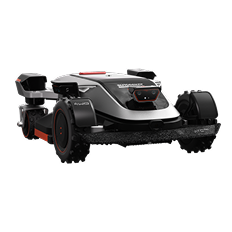
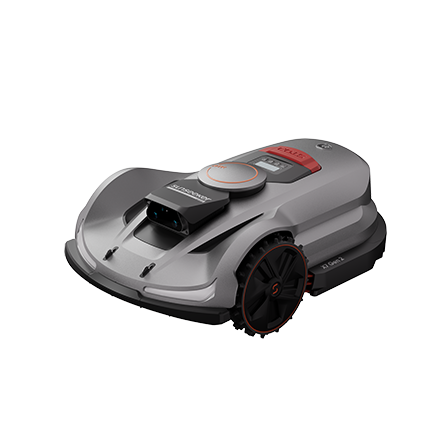
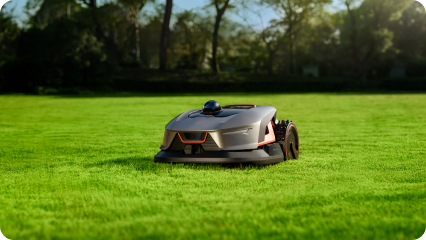
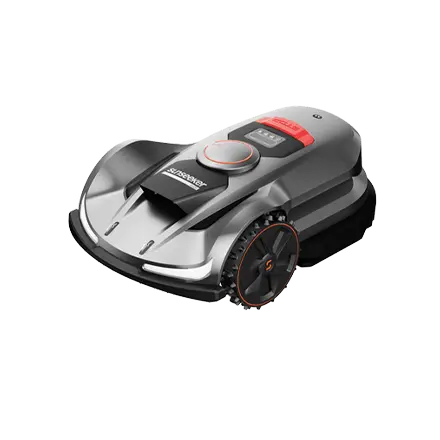
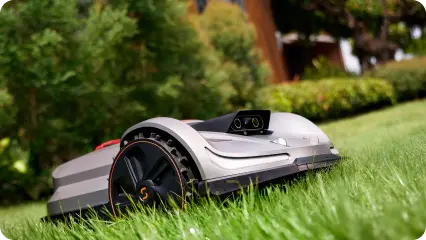
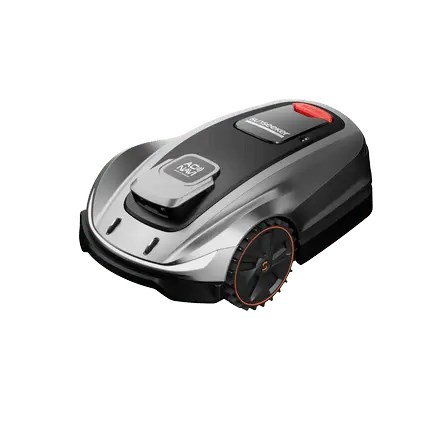
Once an infestation has been removed and the lawn is re-established, consistent mowing helps maintain a uniform turf canopy and makes unusual new shoots easier to notice. For homeowners who want routine mowing with less manual work, the Sunseeker Elite X5 combines AONavi positioning, Vision AI obstacle avoidance, app scheduling, and a floating cutting disc that follows lawn contours. Regular mowing supports lawn maintenance, but it should be paired with direct quackgrass control because mowing alone does not kill the rhizomes.
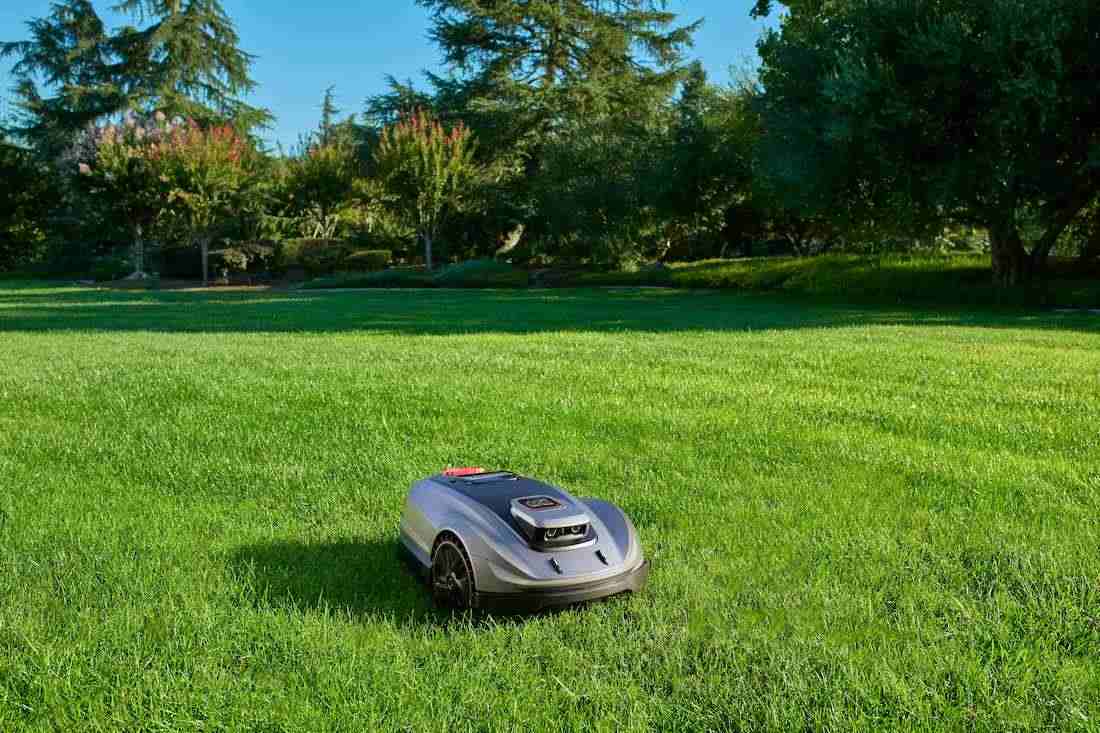
Learning how to get rid of quackgrass in lawn areas means treating the plant below the surface, not just cutting the leaves. Dig small patches carefully, use labeled spot treatments only where appropriate, renovate heavily infested sections, and replant bare soil quickly. Then keep watching for new shoots because rhizome fragments can return after the first cleanup. A dense, consistently maintained lawn gives weeds fewer openings; homeowners looking to automate routine mowing can also explore Sunseeker Robot Lawn Mowers as part of that maintenance plan.
Complete rhizome removal can kill small quackgrass patches. For larger or denser patches, a labeled systemic herbicide may be needed; glyphosate is a common non-selective option, so it can also kill desirable turf it touches. Follow the product label and reseed only after the required waiting period and full kill.
Yes, but simple pulling often leaves rhizomes behind. Loosen moist soil with a fork or narrow spade, lift the full root mass, and remove every visible white rhizome. Hand removal works best on young, isolated patches. Recheck the area often because even a small surviving fragment can produce another shoot.
No. Mowing can keep quackgrass shorter and less noticeable, but it does not eliminate the underground rhizomes that drive regrowth. Continue mowing at the correct height for your turf, then use digging, carefully targeted herbicide, or renovation to remove the infestation itself. Monitor treated areas for new shoots afterward.