





FAQs
9/12/2026
Contents
Products
Residential Lawns









Explore
Where to Buy


Lawn fungus develops when a susceptible grass, an active pathogen, and favorable conditions occur together. Long leaf wetness, poor drainage, compacted soil, unbalanced fertilizer, and mowing stress raise the risk. Correct diagnosis matters because drought, insects, pet urine, and chemical injury can produce similar brown areas but require different treatment.
Brown circles or thinning patches can appear almost overnight after warm, humid weather, making lawn fungus seem like the obvious cause. But similar damage can also come from poor drainage, heat stress, insects, or mowing problems, so treating the lawn before identifying the cause can waste time and money.
If you are trying to understand what causes fungus on lawns, moisture and weather are only part of the picture. This blog explains the conditions that encourage fungal disease, how to recognize common signs, which lawn-care changes can reduce the problem, and when professional diagnosis may be needed.

Disease pressure rises when grass remains vulnerable while moisture and temperature favor a pathogen. These lawn conditions often overlap, so correcting one weak point may reduce several diseases at once.
Fungal spores need moisture to germinate and infect leaf tissue. Night irrigation, frequent shallow watering, heavy dew, shade, and crowded landscaping can keep blades wet for 10 to 14 hours. Water early in the morning, ideally between 4:00 and 9:00 a.m., so sunlight and airflow dry the canopy. Most established lawns need roughly 1 inch of total water per week, including rainfall, but soil type and climate should guide the final schedule.
Low spots, compacted subsoil, blocked runoff routes, and overwatering leave oxygen-poor soil and wet foliage. Pythium and other water-associated problems can follow drainage or traffic patterns. After rain, mark areas that remain saturated beyond 24 hours. Correct sprinkler overlap, redirect downspouts, fill minor depressions gradually, and consider subsurface drainage for persistent sites. Fungicide cannot compensate for water that repeatedly sits around roots and crowns.
Compaction limits rooting, slows infiltration, and leaves grass less able to tolerate heat or recover after infection. Test several locations with a screwdriver after watering; if it will not enter 4 to 6 inches with moderate pressure, investigate compaction. Core aeration during the grass species’ active growth period can improve air and water movement. Avoid traffic on saturated soil and address thin construction soil with testing, compost topdressing, or professional renovation.
Both excess and deficiency can increase disease risk. Heavy quick-release nitrogen creates lush, tender growth that is vulnerable to brown patch and gray leaf spot, especially in warm, humid weather. Low nitrogen can slow recovery and favor dollar spot, rust, or red thread. Use a soil test and apply the correct nitrogen rate for the grass species and season. Never add fertilizer simply because a patch is brown; salts can worsen drought or root injury.
Scalping, dull blades, and removing too much tissue leave ragged wounds and weaken roots. Set the mower for the grass type and follow the one-third rule: remove no more than one-third of blade height in one cut. Raise tall fescue to about 3.5 to 4 inches during summer stress. Sharpen blades after roughly 20 to 25 operating hours, and avoid mowing actively diseased, wet turf because tires and decks can move spores.
Pattern, timing, plant response, and close inspection provide better clues than color alone. Use this comparison before selecting a treatment or submitting a sample.
Possible Cause | Typical Pattern | Useful Check | Immediate Response |
Fungal disease | Circular, irregular, ringed, or spreading patches | Inspect leaf lesions or morning fungal growth | Reduce leaf wetness; confirm disease |
Drought or heat | Broad, even browning on exposed or shallow-soil areas | Probe soil 4-6 inches and check irrigation coverage | Water deeply if soil is dry |
Grubs or root pests | Wilted turf that may lift easily with weak roots | Cut a 1-square-foot flap and count larvae | Identify pest before control |
Chemical or pet injury | Sharp edges, streaks, footprints, or repeated small spots | Review application, spill, and traffic history | Flush only when product guidance permits |
The shape and surface texture narrow the possibilities, although several diseases can occur together. Inspect the boundary between healthy and affected grass early in the morning, when diagnostic growth is easiest to see.
Brown patch often creates straw-colored or brown circles in tall fescue during warm, humid weather. Risk rises when nighttime lows stay near 68°F or higher and daytime highs reach about 86°F. Dollar spot produces smaller tan spots, commonly 2 to 6 inches across, that may merge. Look for distinct lesions on individual blades rather than judging the stand only from a distance.
White-gray powder on shaded grass suggests powdery mildew. Orange dust that rubs onto shoes or a tissue points toward rust, while pink-red threads projecting from tan blades suggest red thread. These signs are more specific than general browning. Rust and red thread often affect slow-growing or nutritionally stressed turf, so correcting species-appropriate fertility, shade, or drought stress may support recovery without immediate fungicide.
Summer patch may form sunken rings or “frog-eye” patterns 6 inches to 3 feet wide, often with surviving grass in the center. Pythium can spread rapidly along drainage or mowing lines in hot, saturated conditions and may look greasy or matted. Fairy rings can produce dark green arcs, mushrooms, or dry soil. Because ring symptoms have different causes, photograph progression and inspect roots before treating.
Treating lawn fungus starts with fixing the conditions that allow the disease to spread. Fungicide may help in some cases, but it should only be used after you have a reasonable idea of which disease is affecting the lawn.
Too much moisture can help lawn fungus spread. Stop unnecessary watering, repair leaking sprinkler heads, and water early in the morning only when the soil needs it. Remove wet leaves and avoid walking or mowing across damp, affected areas. If mowing is necessary, cut healthy grass first and diseased areas last, then clean clippings from the mower deck to reduce the chance of spreading infected material.
Check areas where water often collects after rain or irrigation. Clear blocked drainage paths, redirect runoff, and improve airflow where dense shade keeps grass wet for too long. Compacted soil may benefit from core aeration, but wait until it is no longer saturated. If the same low spot stays wet repeatedly, improving grading or drainage may be more effective than treating the grass again and again.
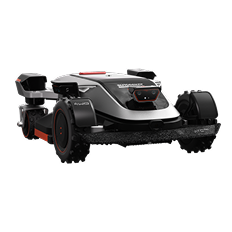
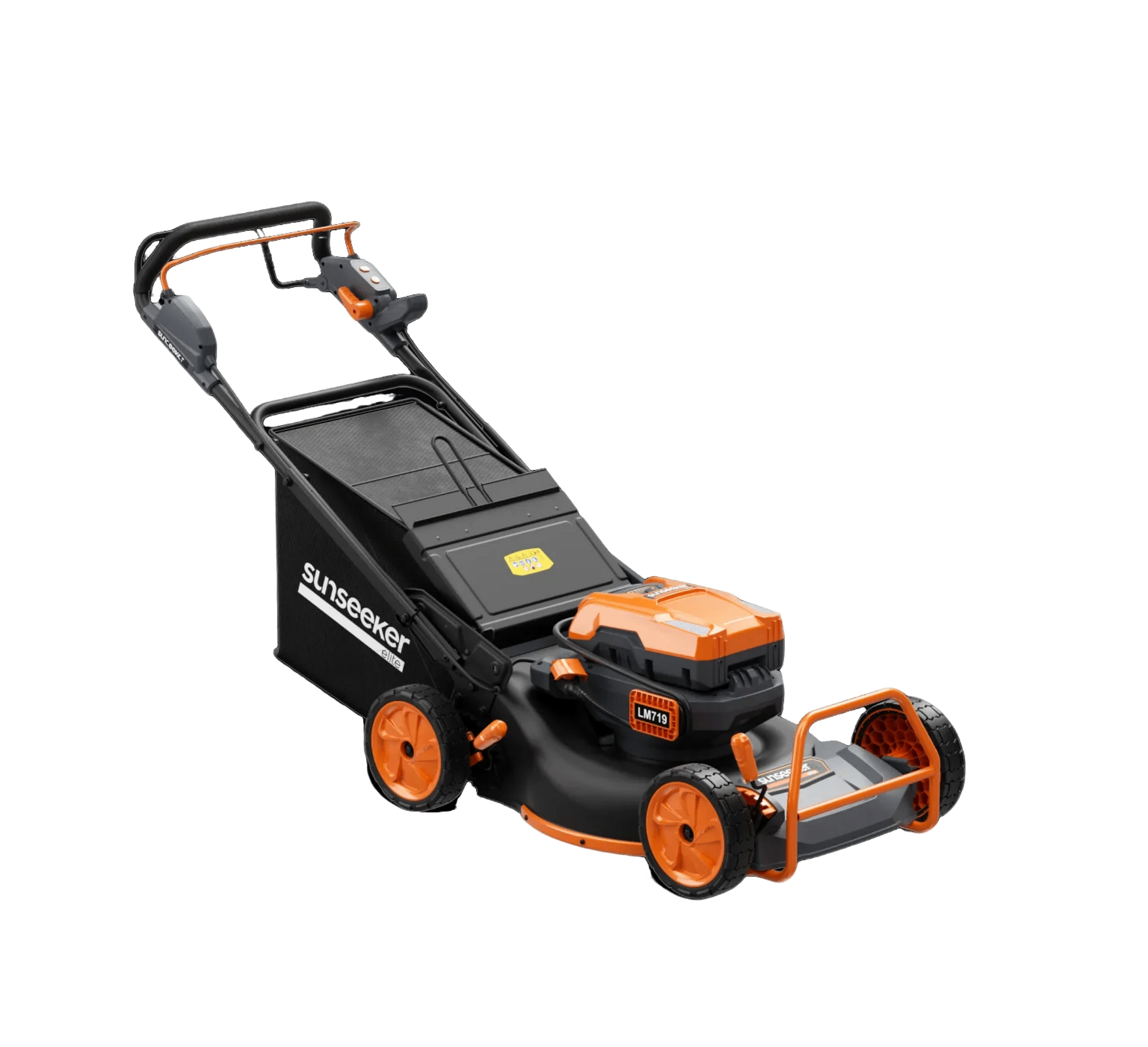
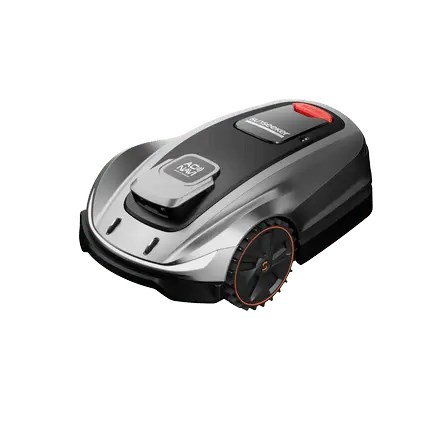
Avoid mowing stressed or diseased grass too short. Raise the cutting height during hot weather or active disease and keep mower blades sharp for cleaner cuts. Avoid heavy applications of fast-release nitrogen, which can encourage soft growth that is more vulnerable to some diseases. A mower such as the Sunseeker Elite X5 can support regular light mowing, but only mow affected areas when the grass is dry.

Different lawn diseases may require different fungicides, so identify the likely problem before treating the lawn. A product that works for brown patch may not control Pythium. Always follow the label for application rate, protective equipment, and reentry time. Avoid repeatedly using the same fungicide type, since resistance can develop. If the cause is still uncertain, test a fresh grass and soil sample before treating a large area.
Consider professional help when the cause is unclear, the damage is spreading quickly, or you are unsure which treatment to use. A lawn specialist or laboratory can examine the grass, roots, and soil more closely to identify problems that may be difficult to diagnose by sight alone.
Get help if damaged patches grow noticeably within 24 to 48 hours, the grass becomes greasy or matted during hot and humid weather, or the roots and crowns look dark or rotten. A professional diagnosis is also useful when the same problem returns every year or fungicide does not improve the lawn.
Before treating a large area, it can also be worth confirming the cause first. If you send a sample for testing, take a 4- to 6-inch section from the edge between healthy and damaged grass. Include some roots and soil, and provide photos along with recent watering, fertilizing, weather, and mowing information.
The practical answer to what causes lawn fungus is a combination of a susceptible grass, a pathogen, and favorable moisture, temperature, soil, or maintenance conditions. That also explains what causes fungus in lawns that looked healthy only days earlier. Identify the pattern first, reduce leaf wetness, improve drainage, correct mowing and nutrition, and reserve fungicide for a confirmed target. Those changes strengthen long-term turf resilience. For consistent upkeep after recovery, explore Sunseeker’s Robot Mowers with Mulching Blades and match coverage and cutting range to an established lawn.
Leaves damaged by a mild foliar disease may regrow when the crown and roots remain alive. Recovery can take two to six weeks during active growth. If crowns or roots are dead, rake out loose material and reseed or sod at the correct seasonal window. Fix the underlying moisture, soil, or maintenance problem before repair.
Water early, reduce overnight leaf wetness, correct drainage, mow at the right height with a sharp blade, and fertilize from a soil-test plan. Inspect new symptoms before spraying. These practices reduce risk but cannot guarantee zero disease because weather, grass susceptibility, and naturally present pathogens still influence outbreaks.
Yes. Spores and infected clippings can travel on mower tires, shoes, decks, and blades, especially when grass is wet. Avoid active patches until dry, mow healthy turf first, and clean accumulated clippings before moving to another lawn. Mowing is only one route; wind, splashing water, and soil movement also spread some pathogens.