




FAQs
8/3/2026
Contents
Products
Residential Lawns






Explore
Where to Buy


Watering after fertilizer depends on the product. Granular lawn fertilizer usually needs light irrigation soon after application, often about 1/4 to 1/2 inch of water, so nutrients move into the soil. Liquid fertilizer and weed-and-feed products may need a waiting period, so the label and weather matter.
To decide when to fertilize a lawn in spring, wait until the grass is actively growing, avoid feeding drought-stressed turf, and choose a window without heavy rain. After applying a granular product, follow the label for watering so nutrients move into the root zone without runoff.
In this blog, you’ll learn when to water lawn after fertilizing, how much moisture is usually needed, and how the timing changes for granular fertilizer, liquid feeds, weed-and-feed products, dry soil, and hot weather.
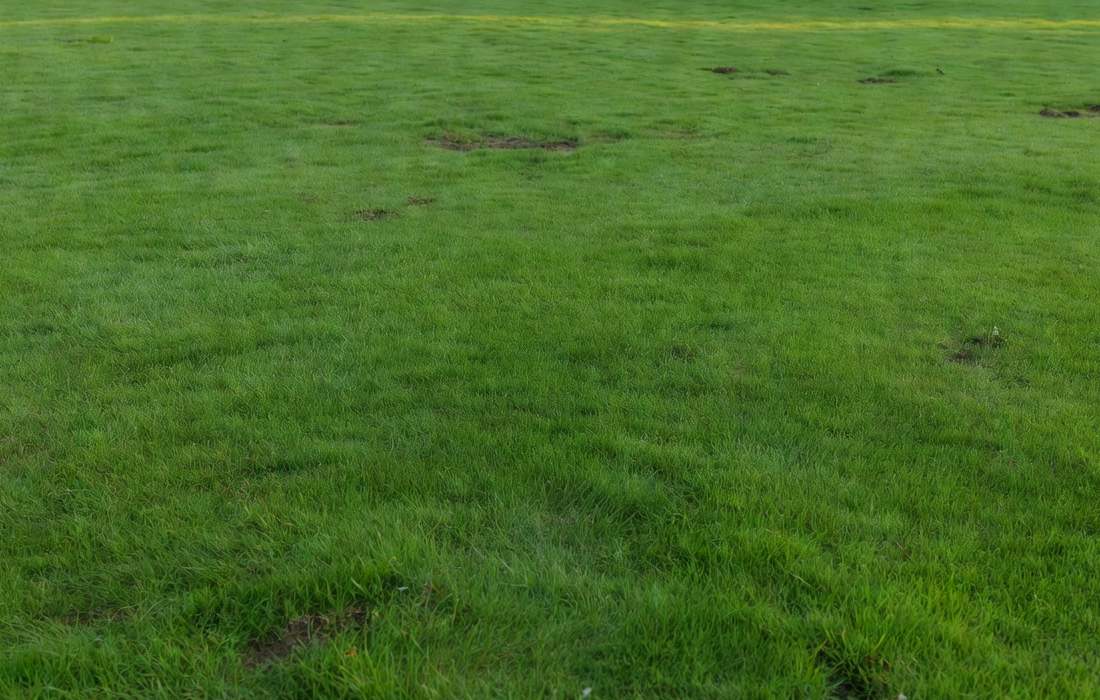
In most cases, the answer is yes for granular fertilizer, but not always immediately for every product. The safest rule is simple: read the label first, then match watering to the fertilizer type, grass condition, and weather.
Fertilizing drought-stressed grass. Use active growth and adequate root-zone moisture to decide when
There are exceptions. Some weed-and-feed products need granules to stick to damp weed leaves for a period before irrigation. Some liquid fertilizers are already diluted and may need time on the leaf surface before rain or sprinklers touch the lawn. Starter fertilizer for new seed may need gentle moisture right away, but heavy water can move seed, soil, and nutrients into low spots.
If grass is drought-stressed, gray-green, folded, or footprinted, water a day or two before feeding. Apply most fertilizers when blades are dry, unless the label calls for damp leaves.
Fertilizer does not help much while it stays dry on the surface. Water acts as the carrier that dissolves nutrients and brings them into contact with soil particles and grass roots.
Nitrogen, potassium, and other nutrients need moisture to move into the upper few inches of soil. That area contains many fine turf roots, especially in an established lawn. A modest irrigation cycle helps dissolve granules and reduces the chance that fertilizer remains concentrated on leaf tips. It also limits waste because the product is less likely to be blown away, tracked onto sidewalks, or left in clumps.
Watering also supports a more even response. Dry zones may stay pale while irrigated zones green up, creating stripes that look like a spreader problem when moisture was the real issue.
The goal is not to soak the lawn. Too much water can push soluble nutrients below the active root zone or carry fertilizer toward drains and hard surfaces. A practical target after many granular feedings is enough water to wet the top 1 to 2 inches of soil without puddles. On compacted clay or sloped ground, split watering into two shorter cycles with a 20- to 30-minute pause so water can soak in.
The right timing changes because fertilizers release nutrients in different ways. Before turning on sprinklers, identify the product type and check the label for rain, irrigation, mowing, pet, and foot-traffic instructions.
Most dry granular lawn fertilizers should be watered after spreading. A common target is 1/4 to 1/2 inch of water within the same day, unless the label gives another amount. This usually takes 10 to 30 minutes with many sprinklers, but output varies a lot. To measure it, place several straight-sided cans around the lawn, run the sprinkler for 15 minutes, and measure the average depth collected. If the cans collect 1/4 inch in 15 minutes, you have a rough watering time for light irrigation after feeding.
What conditions should you check before a spring fertilizer application?
Liquid fertilizer is often mixed with water and sprayed directly onto grass. Some formulas feed through leaves, while others are intended to reach the soil. Because of that, immediate watering is not always the right move. Many foliar liquid feeds need a few hours of dry weather so the product can stay on the leaf surface. Soil-applied liquid feeds may call for light irrigation after application.
A safe approach is to apply liquid fertilizer when temperatures are mild, wind is low, and rain is not expected right away. Avoid spraying during midday heat or on wilted grass. If the label says to water after application, use a light cycle that wets the soil without causing runoff.
Weed-and-feed products need extra care because the fertilizer and weed-control portions may have different moisture needs. Many granular broadleaf weed-and-feed products are applied when weed leaves are slightly damp, then left undisturbed for 24 to 48 hours before watering. That contact time helps the weed-control ingredient work on the leaf.
Other products, such as some pre-emergent crabgrass controls mixed with fertilizer, may need watering soon after application to activate the barrier in the soil. Because product types differ, do not rely on a generic schedule. Check the label before deciding how long to water after fertilizing lawn with a combination product. Also avoid weed-and-feed on newly seeded areas unless the label clearly allows it.
The amount should be enough to move fertilizer off the blades and into the soil, but not enough to create puddles, runoff, or soggy ground. Think in inches of water, not only minutes.
For many granular fertilizers, 1/4 inch of water is a useful light watering target, and 1/2 inch may be needed when soil is dry or the label asks for deeper irrigation. If you already irrigated the lawn the day before and the soil is slightly moist, stay closer to the lower end. If the surface is dry and the product needs activation, use enough water to moisten the upper root zone.
Sprinkler time depends on output, so measure it. Place 4 to 6 cans in the watering zone, run the system for 15 minutes, then average the depth. If the cans collect 1/8 inch, a 30-minute run gives about 1/4 inch.
Soil type matters too. Sandy soil drains quickly, while clay accepts water slowly. On clay or slopes, split watering into short runs and stop if water begins moving downhill. This helps answer how long to water lawn after fertilizing without risking runoff.
Small timing errors after fertilizing can cause more trouble than the feeding itself. Use the checks below before you water, mow, or let the lawn return to normal traffic.
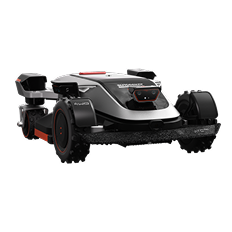
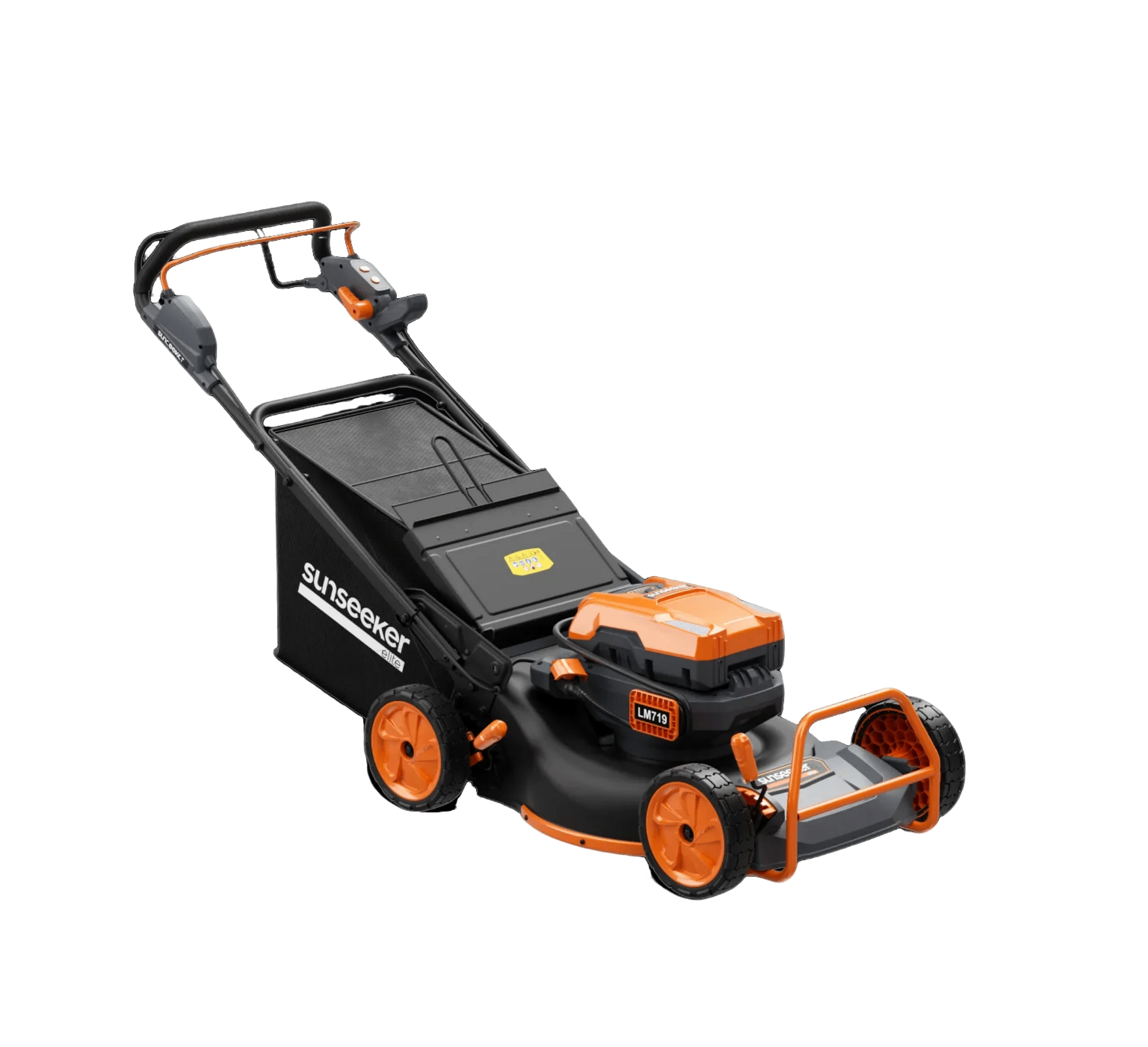
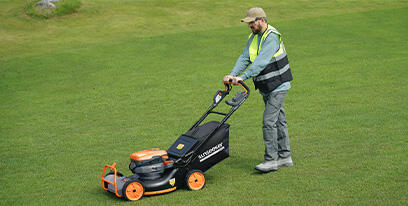
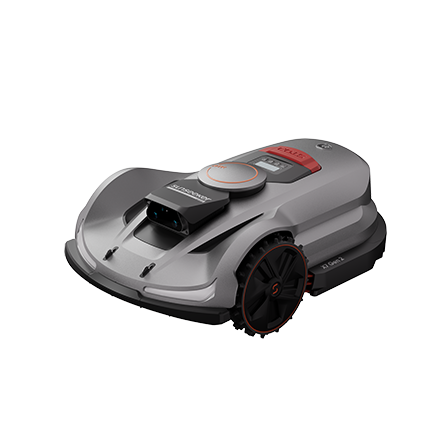
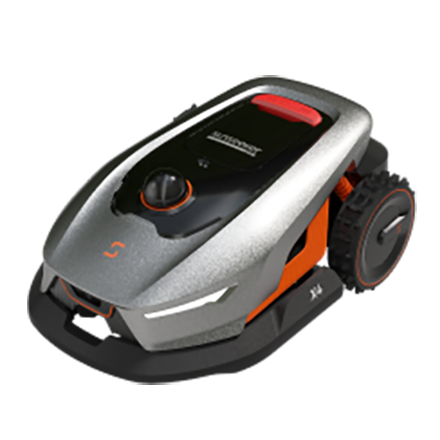
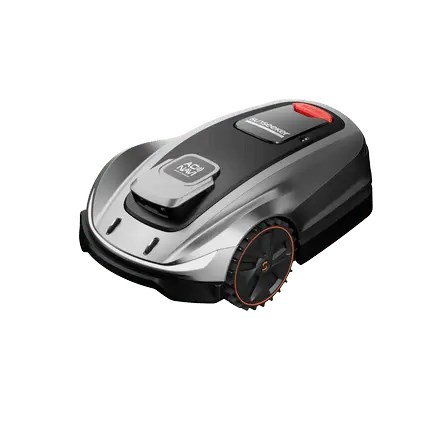
Once the lawn has been watered correctly and the grass is dry, routine mowing can help new growth stay even. Sunseeker Elite X7 Plus Gen 2 supports this maintenance stage with scheduled mowing and precise navigation, so established turf can return to light, consistent cuts after the fertilizer has settled and the surface is safe. This keeps the care routine steady while watering and feeding do the main recovery work.
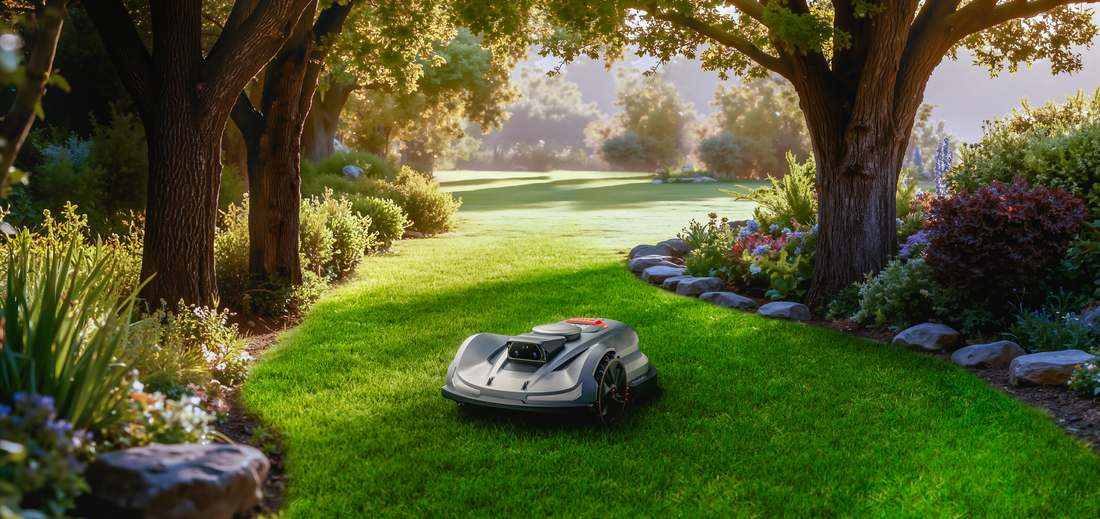
Should you water after fertilizing lawn? For most granular fertilizers, yes: use light, even irrigation to move nutrients into the soil and reduce blade burn. For liquid feeds and weed-and-feed products, timing depends on the label. Measure sprinkler output, avoid runoff, and skip fertilizing during drought stress or before heavy rain. For long-term upkeep after feeding, Sunseeker’s Robot Lawn Mowers can help maintain established grass with a steady mowing routine once the lawn is dry and ready.
For most granular fertilizers, water the same day, often right after spreading or within 24 hours. Use about 1/4 to 1/2 inch unless the label says otherwise. For liquid fertilizer or weed-and-feed, check the product directions because some need a dry waiting period before irrigation.
Dry granular fertilizer may sit on blades and cause yellow specks, brown tips, or uneven feeding. Nutrients also stay near the surface instead of moving into the soil. If rain is not expected and the label calls for irrigation, water lightly before heat, wind, or foot traffic spreads the product unevenly.
Standard granular fertilizer can often sit for a short time, but it should usually be watered within 24 hours for safer, more even results. Do not leave it on grass through hot, dry weather. Weed-and-feed products may need 24 to 48 hours before watering, so the label is the deciding factor.