






FAQs
9/9/2026
Contents
Products
Residential Lawns









Explore
Where to Buy


Some lawn mushrooms are harmless, but others can cause vomiting, breathing problems, seizures, liver or kidney damage, or death. Because wild mushrooms are difficult to identify, treat an unknown ingestion as urgent: prevent further eating and contact a veterinarian or animal poison service immediately. Some effects can begin within 15 minutes, while serious liver-toxic mushrooms may not cause gastrointestinal signs for 6–24 hours.
A dog can grab and swallow a mushroom before you have time to see exactly what it was. That makes wild mushrooms especially difficult to judge, because color and shape alone are not reliable enough to tell whether a species is harmless or toxic.
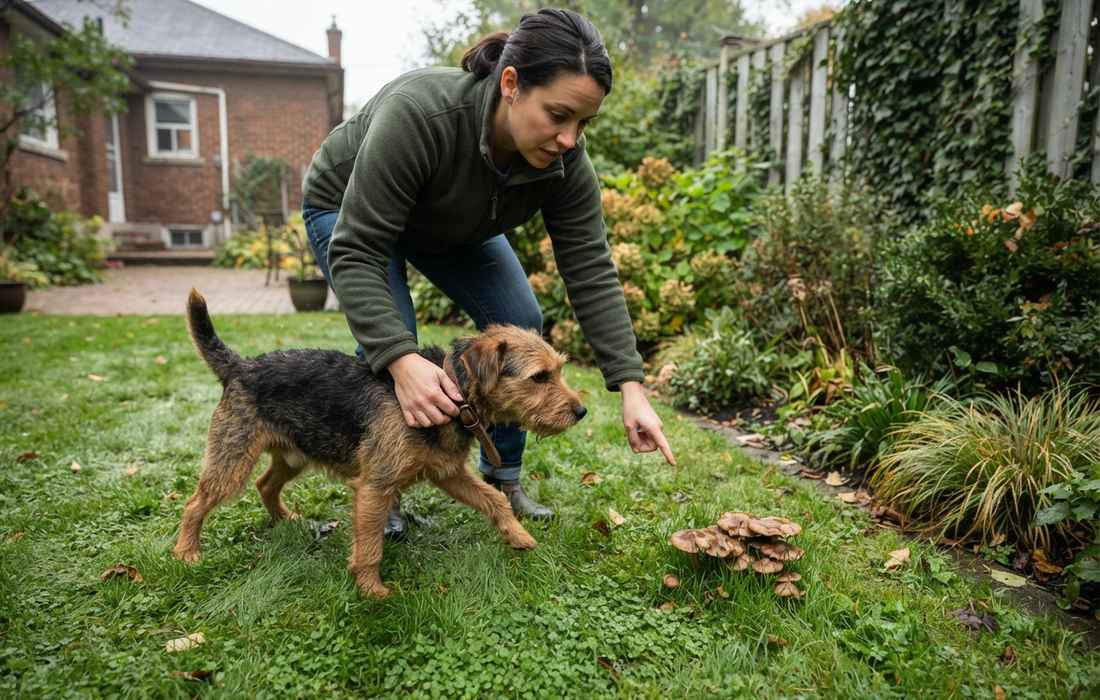
If your dog eats a mushroom from the yard, treat the situation as time-sensitive even if no symptoms are showing yet. This blog explains what to do first, which warning signs to watch for, what information to collect for a veterinarian, and how to reduce the chance of another mushroom exposure in the lawn.
Many wild mushrooms are non-toxic, but appearance alone cannot reliably separate them from dangerous species. Toxic mushrooms can cause severe stomach upset, breathing difficulty, seizures, liver or kidney damage, and death depending on the species involved.
Risk also varies by the amount eaten and the dog’s size and health. A small piece may still justify a call because the mushroom may be highly toxic and the dose cannot be estimated from a chewed remnant.
Do not use the fact that wildlife or another pet ignored a mushroom as evidence of safety. Different animals can encounter different species or amounts, and toxicity is not proven by taste or smell.
Act while information is still easy to collect. Move through the response promptly and keep the dog under close observation while you obtain professional guidance.
Move the dog away from the patch and pick up visible mushroom pieces only if you can do so safely. Keep other pets and children out of the area.
Check the dog’s mouth for loose fragments that can be removed without forcing anything deeper. Do not give food, milk, salt, peroxide, or another home remedy unless a veterinarian specifically directs you.
Call your veterinarian or emergency clinic immediately. In the United States, ASPCA Poison Control is available 24 hours a day at (888) 426-4435. A consultation fee may apply.
Have the dog’s approximate weight, age, time of ingestion, estimated amount, current symptoms, and medications ready. Do not wait for symptoms: VCA notes that some gastrointestinal mushroom toxins can cause signs within about 15 minutes to 6 hours, while liver-toxic Amanita species may not produce gastrointestinal signs for 6–24 hours.
If possible, collect an intact mushroom from the same cluster while wearing gloves. Place it in a paper bag or wrap it loosely in a damp paper towel as directed by the veterinary professional; avoid crushing every identifying feature.
Take clear photos of the cap from above, the underside showing gills or pores, the stem, the base, and the surrounding lawn. Include a coin or ruler for scale. These images may help a trained mycologist, but they are not a reason to delay the veterinary call.
A veterinarian may recommend examination, decontamination, blood tests, fluids, monitoring, or other treatment depending on the suspected toxin and timing. Follow those instructions closely.
A dog that vomits and then seems normal is not automatically in the clear. Some liver-toxic mushrooms have a period of apparent improvement before organ injury becomes obvious.
Any known or suspected wild-mushroom ingestion deserves prompt professional advice. The following signs add urgency and should be reported immediately to the veterinary team.
Usually not. Mushroom identification can depend on details such as gill attachment, spore color, rings or cups on the stem, bruising reactions, odor, habitat, and microscopic features. Many dangerous mushrooms resemble edible or non-toxic ones to an untrained observer.
ASPCA recommends relying on trained professionals and mycology experts for identification. Smartphone apps and photo searches can be useful for curiosity later, but they should not be used to decide that a dog does not need veterinary advice after an unknown ingestion.
Some highly toxic groups include Amanita species such as death caps and destroying angels, as well as certain Galerina and Lepiota species. Common names vary, and regional look-alikes are one reason professional identification matters.
Mushrooms can appear quickly after wet weather, sometimes overnight. Reducing exposure therefore depends on practical yard management rather than a one-time cleanup.
Walk the lawn daily during warm, wet periods, especially after rain or irrigation. Pull or scoop mushrooms before the dog goes outside and dispose of them where pets cannot reach them.
Removing fruiting bodies does not eliminate the underlying fungus, but it removes the part a dog is most likely to eat. Recheck the same locations the next morning.
Use a leash or stay close in sections with repeated mushroom growth. Dogs that forage, eat grass, or investigate mulch need closer supervision than dogs that ignore ground objects.
Temporary fencing can be useful around a recurring patch while wet weather continues.
Correct sprinkler overlap, persistent puddles, buried construction wood, decaying stumps, and heavy organic debris when they are contributing to mushroom growth. Avoid watering simply to keep the lawn constantly green, especially if the soil is already staying wet for long periods.
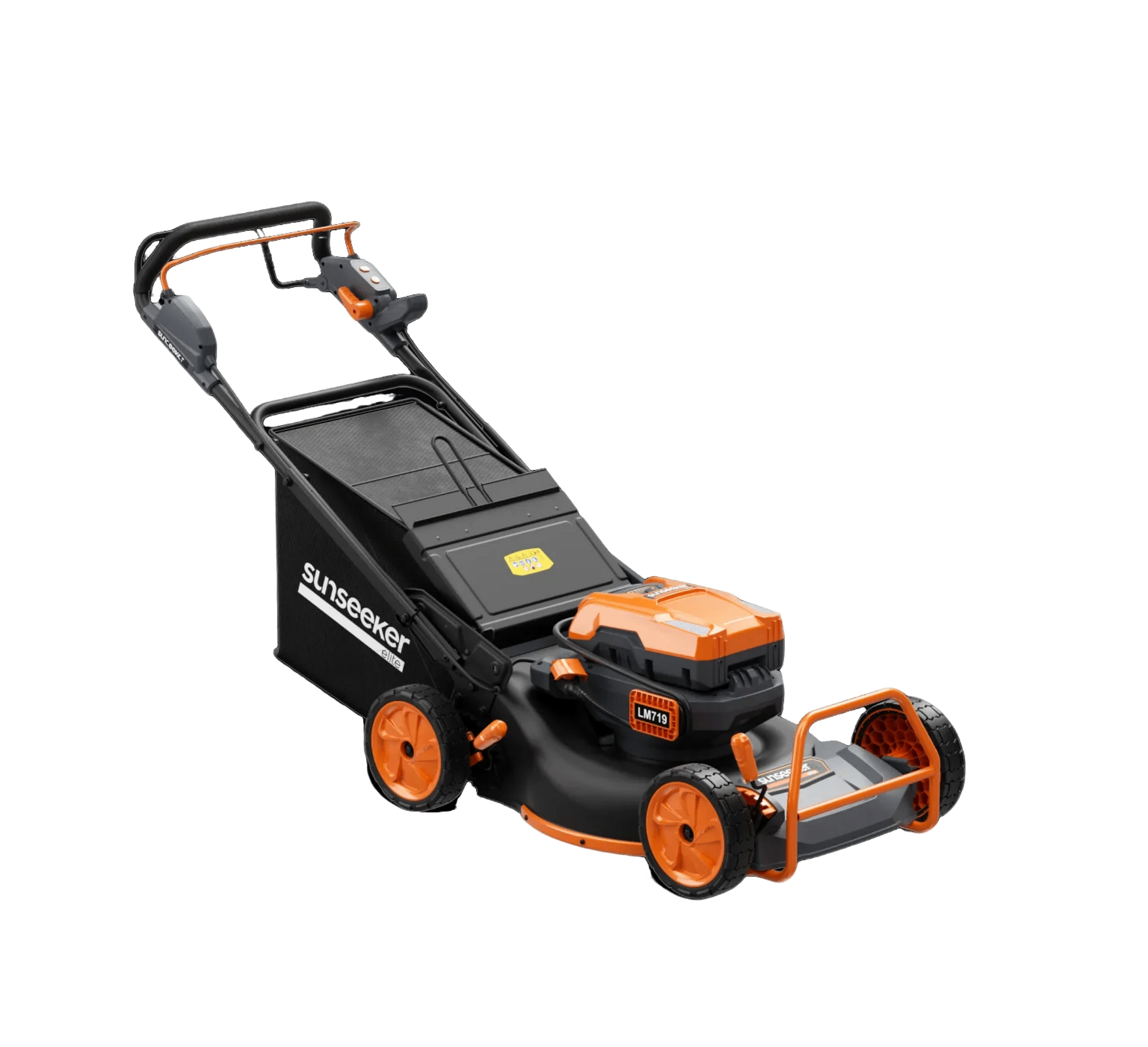
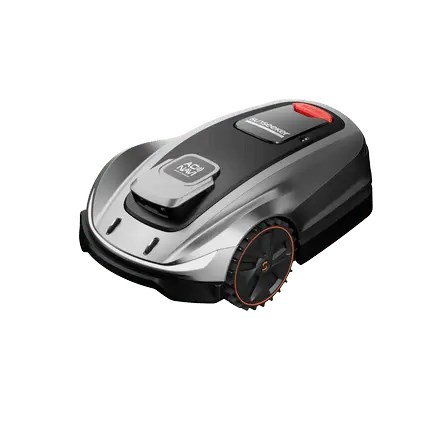
Remove unknown mushrooms before mowing and keep pets away while you inspect and clear the area. Once the lawn is safe to use again, automated mowing can return to the normal maintenance routine. On larger properties shared with dogs, the Sunseeker Elite X9 Plus adds another layer of awareness around the yard through its OmniSight system, which uses eight surrounding cameras and eight intelligent sensors. The X9 Series also includes infrared night vision for detecting animals in low-light conditions, which is useful when pets and automated mowing regularly share the same outdoor space.

Unknown lawn mushrooms should be treated as a potential poisoning risk, not identified by guesswork. Stop further exposure, contact a veterinarian or poison service immediately, save a sample or detailed photos if safe, and follow professional instructions even if the dog looks normal at first. Daily yard checks during warm, wet weather can help reduce exposure, and GPS Robot Mowers can support routine lawn maintenance once the yard has been checked and any mushrooms or other hazards have been removed.
The outcome can range from no illness to vomiting, diarrhea, neurologic signs, liver or kidney injury, breathing problems, or death. Some signs can begin within 15 minutes, while liver-toxic mushrooms may not cause gastrointestinal symptoms for 6–24 hours. Call a veterinarian or animal poison service immediately rather than waiting to see what happens.
Yes, prompt removal reduces the chance that a dog will eat the visible fruiting bodies. Mushrooms can appear quickly, sometimes overnight, so check the yard daily during warm, wet periods. Pick them up before pets go outside and dispose of them securely. Repeated removal may be necessary because the underground fungus can remain.
Dangerous groups include some Amanita, Galerina, and Lepiota mushrooms, but backyard identification is difficult and common names are unreliable. A photo alone may miss critical features. Treat any unknown wild-mushroom ingestion as potentially toxic and seek professional veterinary or poison-control advice while a trained mycologist, if available, works on identification.