



FAQs
8/1/2026
Contents
Products
Residential Lawns








Explore
Where to Buy


Holes in a lawn usually point to digging animals, grubs, soil pests, drainage problems, settling soil, or decaying roots below the surface. Check the hole size, soil piles, tunnel patterns, and grass condition first. Then fix the cause, level the soil, reseed if needed, and prevent repeat damage.
You step outside and notice small pits, loose soil, or strange openings scattered through the grass. Some look freshly dug. Others are shallow, dry, or surrounded by weak turf. It is common to blame one pest right away, but lawn holes can come from several different problems.
That is why the question what is causing holes in my lawn needs a closer look at shape, timing, location, and nearby damage. The sections below help you read the signs, choose the right repair, and stop the same holes from coming back.
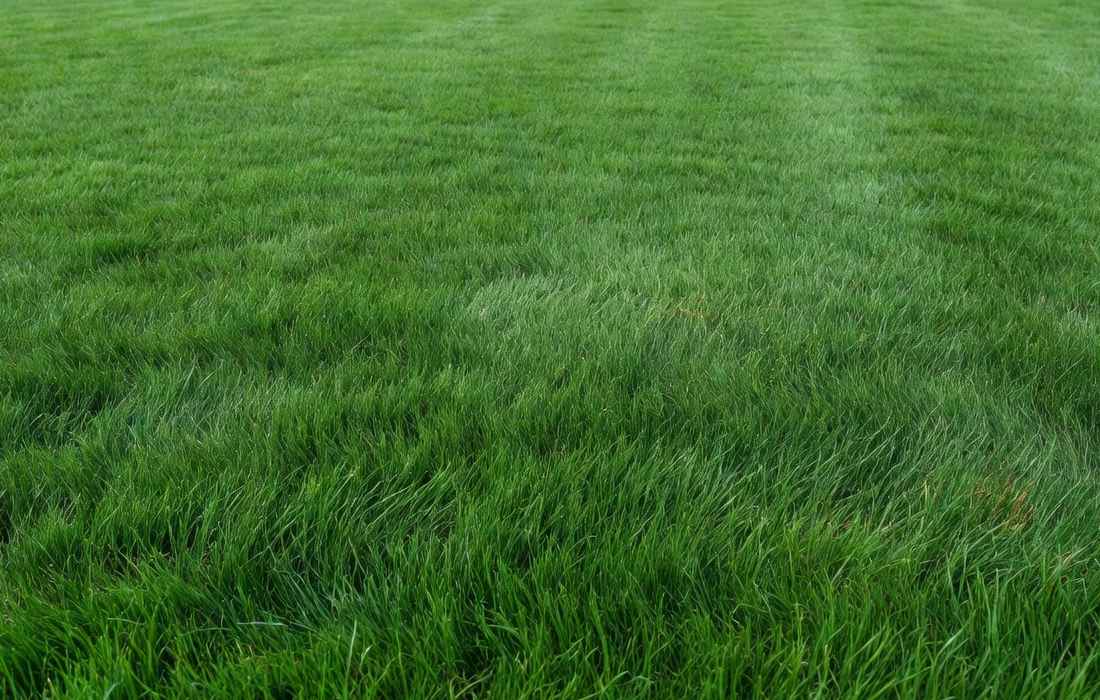
The hole itself gives the first clues. Before filling it, measure the opening and check the soil around it. A neat round hole, a torn patch, a raised ridge, and a soft sunken spot all point to different causes.
Use these signs to narrow the problem:
If you have been asking what causes holes in my lawn, start with this visual check. Fresh torn turf after dark suggests animal feeding. A clean opening near a shed or fence may point to shelter or tunneling. Mark the area with a small flag for a day or two, because new activity in the same place is more useful than an old hole that has already gone quiet.
Most lawn holes fit into a few main groups. Some are made by animals searching for food. Others come from animals living underground, pests weakening the roots, or soil movement below the grass.
Skunks, raccoons, squirrels, crows, and similar wildlife may dig when they smell grubs, worms, or insects in the soil. This damage often looks messy, with flipped turf, scratch marks, and shallow holes rather than one clean tunnel. It often becomes more noticeable in late summer or early fall, when grub activity increases.
Moles, voles, chipmunks, gophers, and groundhogs can create holes or tunnels. Moles usually leave raised ridges as they search for insects and earthworms. Voles often create narrow surface runways. Larger burrowing animals may leave clear openings an inch or two wide near beds, fences, sheds, or quiet lawn edges.
Grubs do not always make open holes, but they weaken roots and attract animals that dig. A grub problem may show up as brown grass that lifts like a loose mat. If you peel back a 1 square foot section and see several white C-shaped grubs, the root zone may need treatment before repair.
Not every hole comes from pests. Soil can sink after heavy rain, construction, poor backfilling, or decaying tree roots. These spots often look sunken rather than torn. If the same place opens after storms, water movement or soil settling is likely part of the problem.
Start with the cause, then repair the surface. Filling a hole before treating grubs, drainage, or active burrows may look fine for a week, but the damage often returns. Work from the easiest repair toward the more serious one.
For shallow holes under about 2 inches deep, remove loose debris and rake the edges. Fill with screened topsoil mixed with a little compost. Add the soil in thin layers, press it gently, and stop when the surface is level with the surrounding grass. Avoid packing the soil hard, because roots still need air.
If grass around the hole is torn or dead, cut away loose turf and loosen the top 3/4 inch to 1 inch of soil. Spread seed that matches your lawn type, then cover it with a very light layer of soil or compost. Keep the area evenly damp for 10 to 21 days while new grass establishes.
If animals keep digging in the same spots, check for grubs before reseeding. A few grubs are normal, but several in one small test section, loose roots, and repeated digging suggest a problem. Use a lawn-safe grub product that matches the season, and follow the label exactly before repairing damaged turf.
For animals digging for food, remove the food source first. For burrowing animals, reduce shelter and access. Clear wood piles, trim dense cover, secure gaps under sheds, and avoid leaving pet food or birdseed on the ground. Fill inactive holes only after the animal activity has stopped.
For sinking soil, add topsoil in stages and firm each layer lightly. Deeper holes over 3 to 4 inches may need more than one fill so they do not settle again. If water collects there, extend a downspout, improve grading, aerate compacted soil, or create a drainage route.
Prevention works best when the lawn stays dense, the soil drains well, and pests have fewer reasons to return. A strong lawn will not stop every animal, but it makes fresh damage easier to see and helps repaired areas blend in faster.
Keep these habits in place:
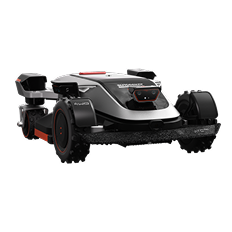
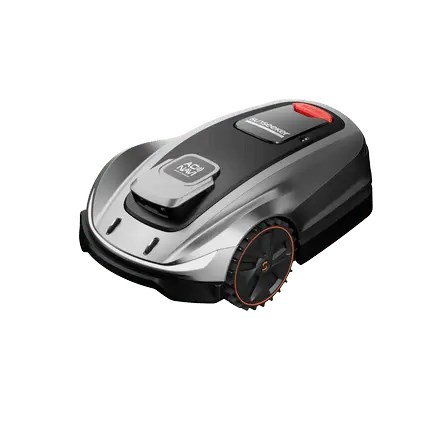
After holes are repaired and the turf is stable again, regular mowing helps you notice fresh disturbance before it spreads. Sunseeker Elite X7 Gen 2 supports that routine on established lawns with planned GPS-based mowing, helping keep grass at a steady height after the actual hole repair is done.

Some holes are easy to fix yourself. Others may point to active burrows, repeated pest pressure, or drainage failure. An expert is useful when the same repair fails again or the lawn surface feels unsafe.
Call for help if you see large openings over 3 to 4 inches wide, fresh soil piles that return within a day or two, a hollow or spongy lawn surface, brown grass that lifts easily, holes near foundations, or drainage spots that reopen after every heavy rain. A lawn professional can test soil and repair turf, while a pest or wildlife specialist can identify active burrows and safe control options.
Holes in a lawn can come from digging animals, burrowing pests, grubs, soil settling, drainage, or decaying roots. The best repair starts with reading the signs, fixing the real cause, then leveling and reseeding the area. After that, steady mowing, proper watering, and regular inspection help keep small problems under control. If you are comparing automated upkeep options after repair, the Robot Mowers with Mulching Blades collection can help you explore routine mowing tools without turning the repair work into a product decision.
Skunks, raccoons, and armadillos may dig at night while searching for grubs or insects. Small, cone-shaped holes often point to feeding activity, not a burrow. If holes appear overnight with torn turf nearby, check for grubs before focusing only on the animal.
Very small surface holes may blend in as grass grows, but deeper holes usually need soil and seed. If the cause is animals, pests, or drainage, the hole may return. Level the soil first, correct the cause, then repair the grass.
Keep grass dense, avoid scalping, manage grubs, remove food sources, and improve drainage in soft areas. Check repaired spots after rain and during late summer pest activity. New holes in the same place usually mean the original cause is still active.