




FAQs
8/26/2026
Contents
Products
Residential Lawns






Explore
Where to Buy


Fall is usually the best aeration window for cool-season lawns because the grass is actively growing while heat stress is easing. Aerate when soil is moist, use a core aerator that removes plugs, then overseed or fertilize if needed. Warm-season lawns should usually be aerated in late spring or early summer instead.
A lawn can look tired after a summer of foot traffic, mowing, heat, and compacted soil. Water may puddle, grass may thin, and fertilizer may seem less effective because air and moisture are not moving easily into the root zone. Fall aeration can help in the right climate and on the right grass type. The key is to time the work while turf is still actively growing, use a core aerator, and follow with sensible overseeding, feeding, and watering.
Determining whether fall is the right time for your lawn depends primarily on the species of grass you are growing and your local climate. Most yards benefit from this process, but timing it to match the natural growth cycle is the difference between a thriving lawn and one that struggles to recover.
Grass Type | Best Aeration Time | Why |
Cool-Season (Fescue, Bluegrass) | Late Summer / Early Fall | Peak root growth; cooler air reduces heat stress. |
Warm-Season (Bermuda, Zoysia) | Late Spring / Early Summer | Needs high temperatures to recover before dormancy. |
Cool-season grasses respond exceptionally well to fall aeration. However, you should avoid aerating dormant grass. If your lawn consists of warm-season species like Zoysia or St. Augustine, fall aeration might not leave enough time for the turf to heal before winter. Aim for a period when the turf is growing strongly and at least four weeks of mild weather remain before the first hard frost.
Fall conditions provide the perfect balance of moderate temperatures and consistent moisture that cool-season grasses need to heal. Creating channels during this window allows the turf to focus its energy on root development without the threat of summer drought.
Aeration is most useful when the soil is actually compacted or the root zone is struggling. Check your lawn for these specific physical signs to ensure your yard genuinely needs disruption rather than just water or fertilizer.
Push a screwdriver or soil probe several inches into moist ground. If it is difficult to penetrate in several spots, especially where the surface feels hard and smooth, compaction is likely. Clay-heavy soils compact more readily than sandy soils. Core aeration is particularly useful when water sits on the surface instead of soaking in at a normal rate.
Paths between a gate and patio, play areas, dog runs, and places where equipment repeatedly turns can become dense even when the rest of the yard looks fine. Soil particles are pressed closer together, leaving less pore space for oxygen and water. These high-use zones may need aeration more often than lightly used parts of the lawn.
Thin turf, shallow roots, slow recovery after drought, and puddles that remain after irrigation can point to compacted soil. Before aerating, rule out other causes such as shade, disease, poor drainage, or incorrect mowing height. Aeration helps a compaction problem; it will not fix a low spot that needs grading or a lawn that receives too little sunlight.
Successful aeration requires the right soil moisture levels and a systematic approach to ensure even coverage. Follow these steps to prepare your yard and operate the equipment safely.
Mow at your normal healthy height a day or two before aeration so the machine can move across the lawn without fighting tall growth. If the soil is dry, water enough to moisten the upper few inches. The goal is workable soil, not mud. If you can squeeze a handful of soil and it stays slick or water appears, wait until the lawn drains.
Flag sprinkler heads, valve boxes, invisible-fence wires, landscape lighting cables, and any other shallow features before you start. Core tines commonly reach 2 to 4 inches into the soil, so unmarked irrigation parts can be damaged. If you are unsure where buried utilities run, use the appropriate local utility-marking service before operating powered equipment.
Choose a hollow-tine core aerator rather than a spike aerator. Hollow tines remove small soil plugs and create open channels; solid spikes mainly push soil aside and can increase compaction around the holes. Make one complete pass over lightly compacted turf. On hard, high-traffic zones, use a second pass at a different angle so holes are distributed more evenly. Avoid repeated tight turns that can tear moist turf.
Do not rake up the cores. Leave them on the surface to dry and break apart naturally. Extension guidance notes that plugs usually decompose within a couple of weeks. Normal mowing, rain, and foot traffic gradually return the soil to the surface, where it can help mix with thatch and organic material.
The period immediately following aeration is a "golden window" for improving your lawn's density and nutrient levels. Because the soil is now open, any treatments you apply will be significantly more effective.
If cool-season grass is thin, overseed immediately after aeration or within a day. Seed can settle into the holes and contact exposed soil. Choose a grass species suited to your light, traffic, and climate, and follow the seed label for pounds per 1,000 square feet. Keep the seedbed consistently moist with light irrigation until germination, then reduce frequency as roots develop.
A soil test is the best basis for fertilizer and lime decisions. If nutrients are needed, apply the labeled amount and follow local fertilizer rules. Avoid guessing at nitrogen rates or doubling an application because the lawn looks thin; excess fertilizer can burn turf, increase disease pressure, or move into waterways. Aeration improves access to the soil, but it does not justify overfeeding.
After aeration without overseeding, return to deep, sensible watering based on rainfall and grass needs. After overseeding, use lighter and more frequent irrigation until seedlings establish, then transition gradually to less frequent watering. Keep heavy traffic off newly seeded areas. Wait to mow until new grass is tall enough to tolerate cutting and the soil is firm enough that mower wheels will not rut the surface.
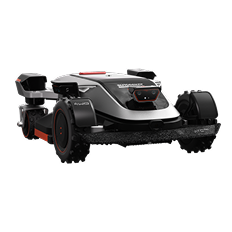
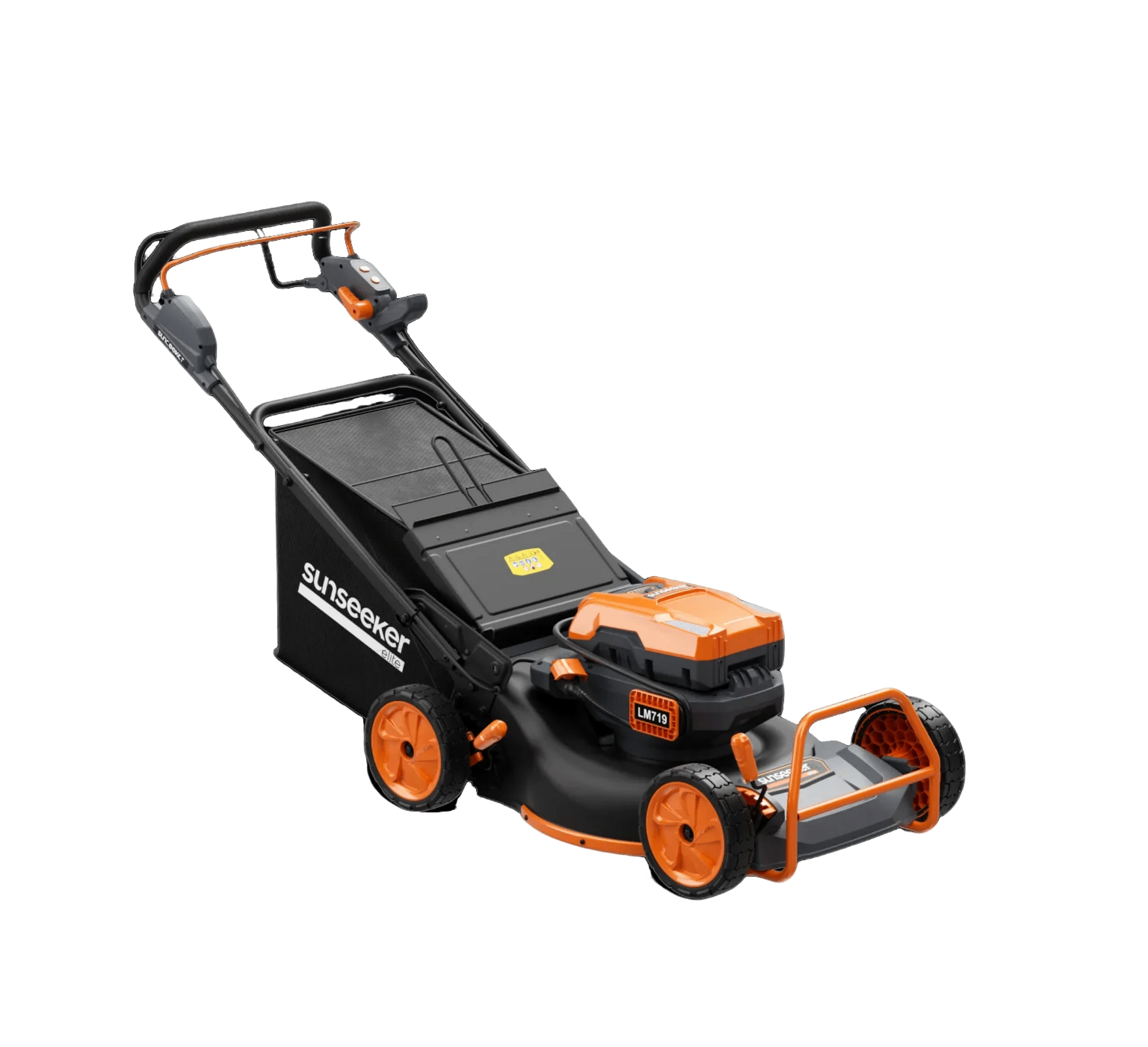
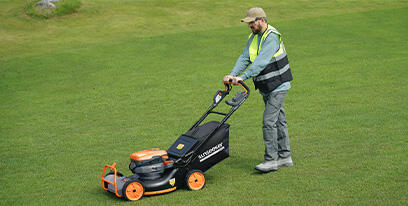
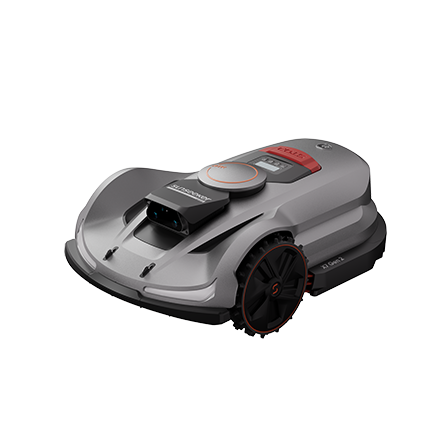
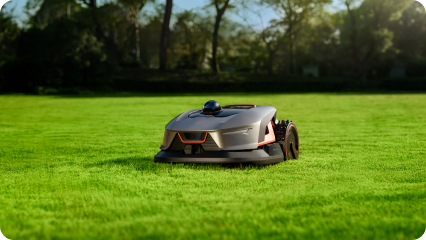
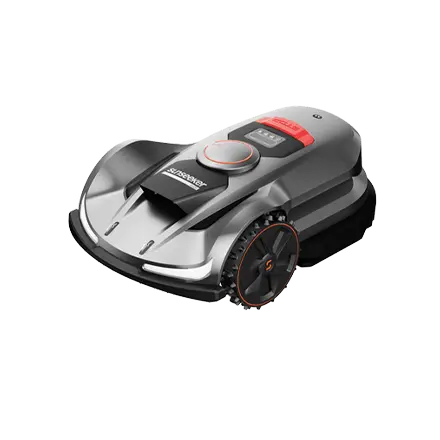
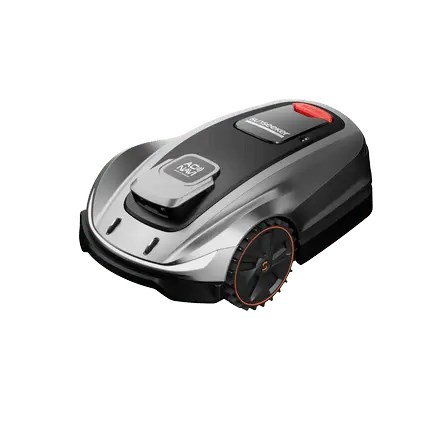
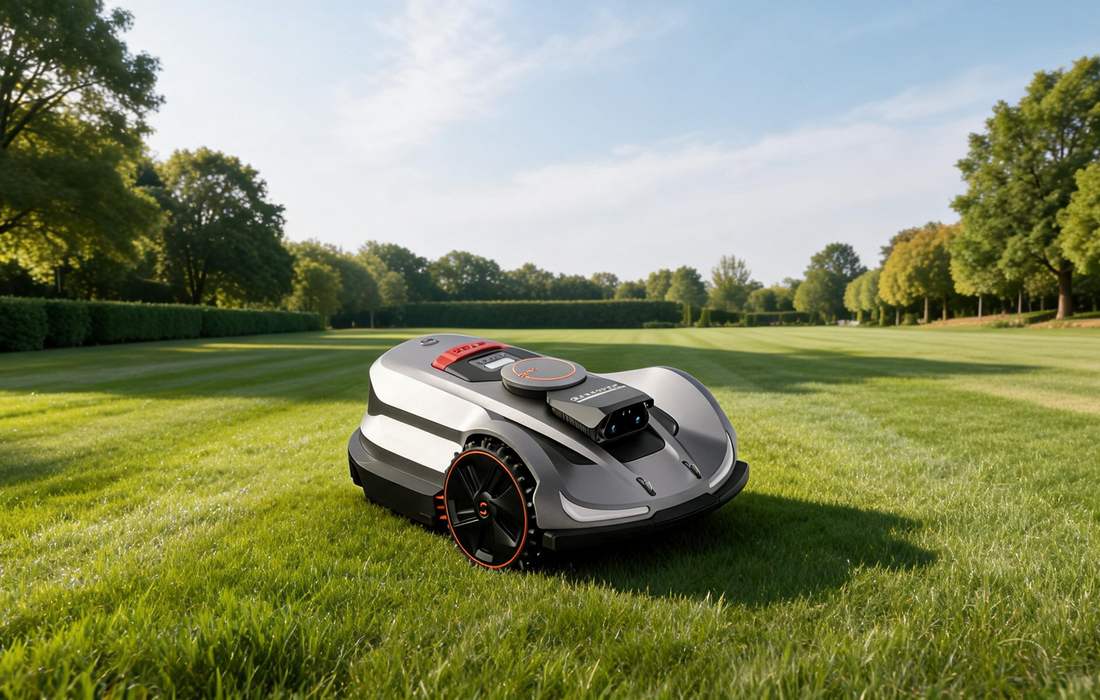
Once the lawn is established and routine mowing resumes, consistent cutting helps maintain the recovery you gained through aeration. For larger or uneven properties, the Sunseeker Elite X7 Plus Gen 2 offers an adjustable cutting-height range of 0.8-4.0 inches, smart route planning, and all-wheel traction. Those features are useful for maintaining an even cut after the turf has recovered, rather than putting extra traffic on soft soil immediately after aeration.

If you have a cool-season lawn, fall is often the strongest time to aerate because the turf can recover while temperatures are moderate and roots are active. Confirm that compaction is actually present, work when soil is moist rather than wet, use a core aerator, and follow with seed, fertilizer, or water only as needed. Long-term results still depend on good mowing and traffic management. Sunseeker products, including Robot Mowers with Mulching Blades, can support routine maintenance once the lawn is firm and actively growing again.
Fall is usually the best time for cool-season lawns such as tall fescue, Kentucky bluegrass, and perennial ryegrass. The grass is actively growing and can recover before winter. Warm-season grasses are different; they are generally aerated during active growth in late spring or early summer, not as they approach fall dormancy.
Overseeding after aeration is useful when a cool-season lawn is thin or has bare areas. The aeration holes improve seed-to-soil contact, which supports germination. Apply seed soon after aerating, use the rate printed on the seed label, and keep the surface evenly moist until seedlings are established enough for deeper, less frequent watering.
Lawns with heavy foot traffic or recurring compaction may benefit every one to two years. A typical home lawn with lighter use may only need aeration every two to four years. Check soil firmness, drainage, and turf density before scheduling the work; healthy, loose soil does not need unnecessary disruption.