





FAQs
8/3/2026
Contents
Products
Residential Lawns









Explore
Where to Buy


Replacing a lawn works best when you remove weak turf, correct soil problems, level the surface, and choose seed, sod, or turf based on budget and timing. New grass then needs steady moisture, limited traffic, and gentle mowing after the roots begin to hold.
A lawn can reach a point where small repairs no longer help. Bare soil keeps showing, weeds return after each treatment, and thin grass fails to thicken even after watering or feeding. At that stage, patching can waste time and seed.
Replacing the lawn sounds like a major project, yet the work is easier when each decision is clear. First judge the old grass, then prepare the soil, choose seed or sod, and protect the new growth. The sections below keep the process practical.
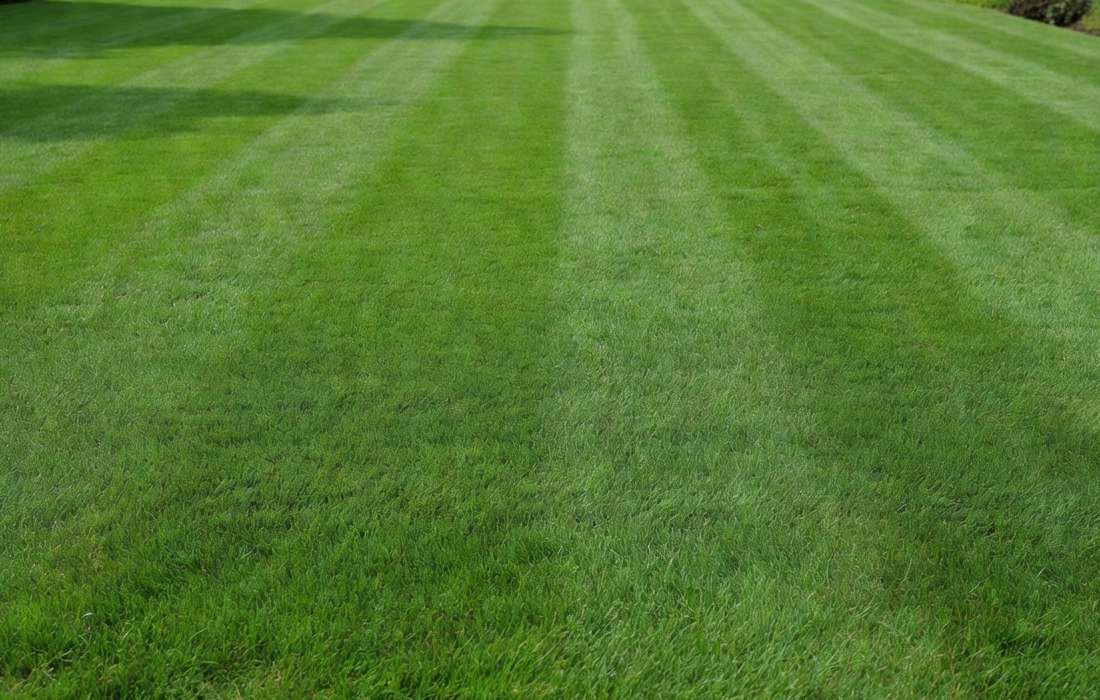
A full replacement makes sense when the existing lawn has too many root, soil, or weed problems for ordinary patching. Inspect the lawn closely before removing grass, because some yards only need targeted repair.
Start with coverage. If more than 40% to 50% of the lawn is bare, weedy, badly compacted, or made up of unwanted grass, replacement is often more reliable than repeated overseeding. If damage sits in a few isolated spots, patching may still work. Walk the lawn after rain and during a dry afternoon. Soft, spongy areas can point to thatch or drainage trouble, while hard soil that sheds water often needs deeper preparation before new roots can spread.
Check weed pressure and roots. A lawn dominated by crabgrass, nutsedge, broadleaf weeds, or coarse clumps may need a reset because seed struggles in a crowded surface. Dig a plug about 3 to 4 inches deep. Strong grass has visible roots holding soil together. Weak turf pulls up easily or has shallow roots. If you are asking how do you replace a lawn after years of decline, fix the cause of failure first.
Preparation decides how evenly the new lawn fills in. Rushing this stage often leads to poor seed contact, uneven settling, and weeds returning through the new grass.
Remove the existing lawn as cleanly as possible. For small areas, use a flat shovel. For larger lawns, mow short, bag clippings, then cut the old turf in strips with a sod cutter. If the area contains seed heads or invasive weeds, dispose of that material instead of spreading it around the yard.
Aim for exposed soil, not a layer of old thatch and roots. Remove sticks, stones, dead turf, and thick debris that could block seed or sod contact. If herbicide was used earlier, follow the label before planting; some products allow seeding in days, while others require several weeks.
A soil test helps you avoid guessing. It can show pH, phosphorus, potassium, and organic matter. Most lawn grasses grow best near a pH of 6.0 to 7.0, though grass type matters. Add lime, sulfur, or fertilizer only when the test supports it.
Improve heavy clay with compost mixed into the top 3 to 4 inches. Sandy soil can also benefit from compost because it holds moisture around young roots. For homeowners learning how to replace lawn grass, the goal is a consistent root zone that drains well, holds enough moisture, and gives seedlings a stable start.
Rake the soil into a smooth grade after amendments are mixed in. Fill low spots, remove mounds, and slope soil gently away from buildings. Remove rocks larger than about 1 inch so they do not interfere with roots or mowing later.
Firm the surface before planting. Walk over small areas or use a light lawn roller with limited weight. Soil should hold a footprint about 1/4 inch deep. Very loose soil dries and settles unevenly; overly compacted soil blocks air and root growth.
The planting method should match your budget, patience, and how quickly the yard must be usable. Use the table as a practical guide before buying materials, because each option changes watering, traffic limits, and early maintenance.
Option | Best for | Establishment notes | Main caution |
Grass seed | Lower cost, broad grass choices, and yards that can stay protected for several weeks. | Keep the top 1/2 inch of soil damp. Many cool-season grasses sprout in 7 to 21 days. | Seed needs strong soil contact. Heavy rain, birds, traffic, or missed watering can leave thin areas. |
Sod | Fast coverage, slopes, entrances, and lawns that need a finished look quickly. | Lay sod the day it arrives if possible. Water deeply and keep the root zone moist until it knits in. | Sod costs more and can dry at seams or edges if watering is uneven. |
Turf rolls | Planned landscapes, high-use areas, or lawns needing a specific durable grass type. | Prepare the base carefully and follow supplier instructions for rooting and first mowing. | Confirm the grass suits your climate, sunlight, and mowing height before ordering. |
Seed is usually the better choice when the budget is modest and you can protect the site. Sod is useful when you need quick cover or erosion control. In some places, “turf” simply means sod; in others, it can mean a specific cultivated roll, so confirm the product before ordering.
Grass type matters as much as format. Cool-season grasses usually establish well in early fall or early spring. Warm-season grasses usually establish best during active growth in late spring or early summer. Match the seed or sod to sun, shade, traffic, and local heat levels.
New grass needs steady care until roots can handle normal mowing, heat, and foot traffic. The first 30 to 60 days are especially important because small mistakes can leave thin patches.
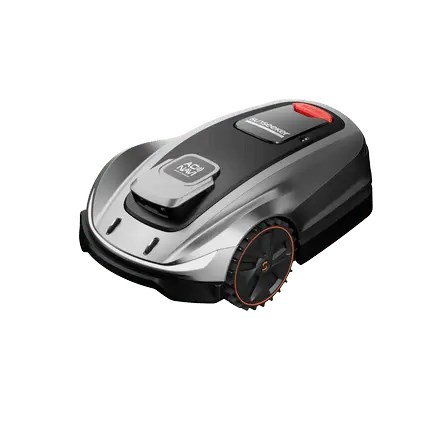
Once the lawn is established and ready for routine mowing, consistent light cutting can help it stay even instead of cycling through overgrowth and scalping. For yards with slopes, zones, or tighter passages, Sunseeker Elite X7 Gen 2 supports ongoing maintenance through wire-free navigation and multi-zone planning, helping an already rooted lawn stay at a steady height.
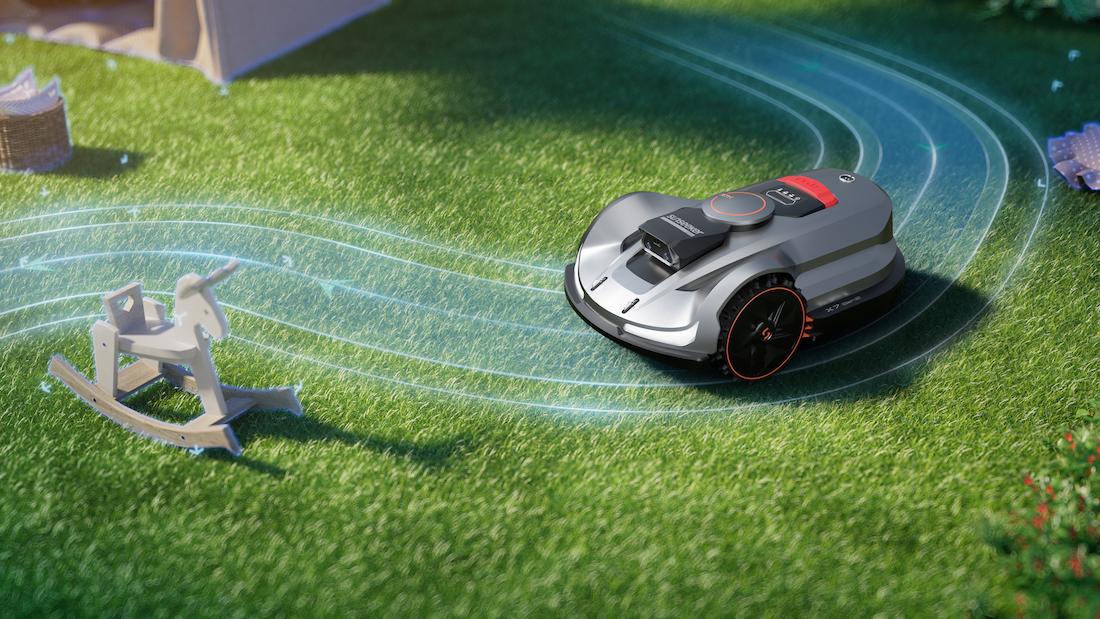
Learning how to replace lawn starts with a clear diagnosis: decide if the old grass is too damaged to save, remove weak turf, correct the soil, and choose seed, sod, or turf based on timing and site pressure. New grass then needs moisture, limited traffic, and careful mowing until roots mature. For long-term upkeep after establishment, Sunseeker’s AWD Robotic Mowers can help support regular cutting without turning replacement into an ongoing recovery cycle.
Check how much of the lawn is bare, weedy, compacted, or filled with unwanted grass. If damage covers more than 40% to 50%, replacement may be more effective than patching. Also inspect roots, drainage, thatch, and soil hardness before deciding.
The best timing depends on grass type. Cool-season grasses usually establish well in early fall or early spring. Warm-season grasses usually establish best during active growth in late spring or early summer. Avoid drought, extreme heat, frozen soil, and heavy rain periods.
Use seed if you want lower cost, more grass choices, and have time to protect the area. Use sod if you need quick coverage, erosion control, or a finished look sooner. Both need prepared soil and careful watering.