



FAQs
8/14/2026
Contents
Products
Residential Lawns



Explore
Where to Buy


Grass clippings are usually good for the lawn when they are short, dry, and spread evenly. They return nitrogen, help soil hold moisture, and reduce yard waste. Bag them only when the clippings are wet, clumped, diseased, full of weed seeds, or too heavy to break down cleanly.
After mowing, many homeowners look at the green layer left behind and wonder if it is helping the lawn or slowly smothering it. The answer depends on the condition of the clippings. A light layer of dry, finely cut grass can feed the soil. A thick, wet mat can block light and airflow within a day or two.
In this guide, we will explore when grass clippings can help your lawn, when removing them is the better option, and how proper mowing techniques allow clippings to decompose effectively. Meanwhile, you can see how the one-third mowing rule, dry grass, sharp blades, and mulch mode all help turn clippings into an easy part of your regular lawn care routine.
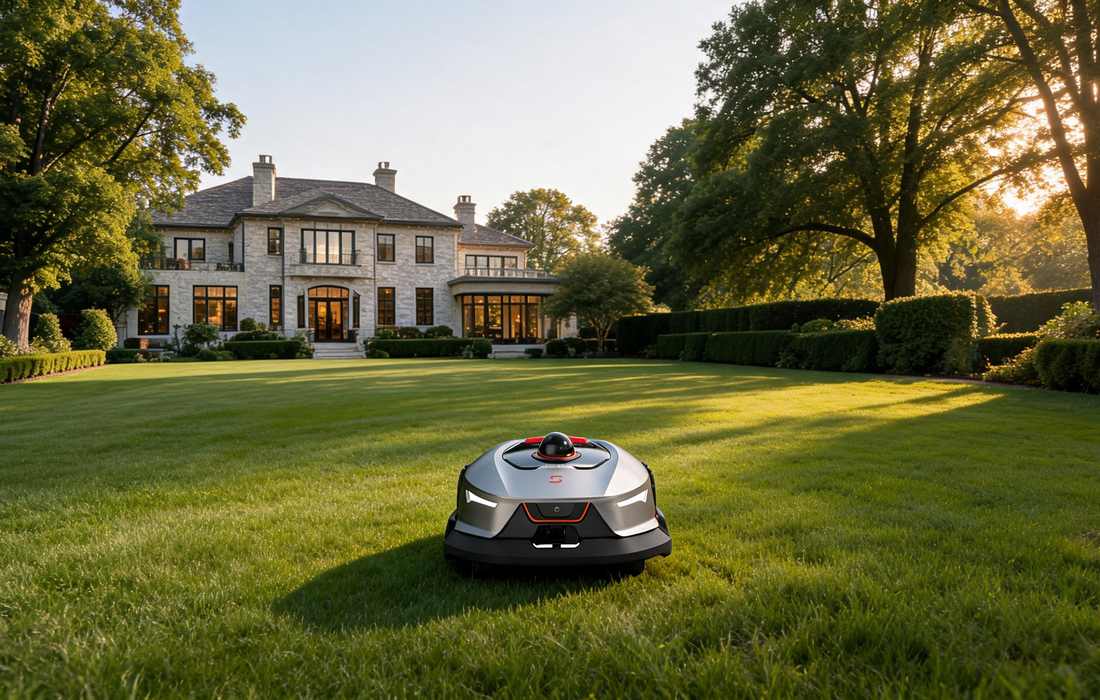
For most healthy lawns, yes, grass clippings are good for your lawn. The key is to leave only small pieces that can fall between the grass blades and reach the soil surface. These pieces usually break down quickly, often within one to three weeks in warm, active growing weather.
Grass clippings contain water and nutrients that the lawn has already pulled from the soil. Returning them is a simple form of grass cycling. It can reduce how much nitrogen the lawn needs across the season, especially when clippings are short and evenly scattered.
If you are asking, “Are grass clippings good for lawn health every time I mow?” The safest answer is: leave them when the mower cuts cleanly, and the lawn is not stressed by disease, weeds, or heavy moisture. When the clippings sit on top in thick ropes, bagging or raking is the better choice.
Leaving clippings can support the lawn in several practical ways. The benefits are not dramatic after one mow, but they add up across a full growing season when the lawn is cut at the right height, and the clippings stay small.
Grass clippings are rich in nitrogen because they are fresh green plant tissue. As they decompose, they release some of that nitrogen back into the soil. Many lawn care programs estimate that returning clippings can supply up to about 25% of a lawn’s yearly nitrogen needs, depending on mowing frequency, growth rate, and soil biology.
This does not mean you should stop fertilizing completely. It means you can fertilize more carefully during steady growth. Too much nitrogen can push soft growth, increase mowing demand, and create more clumping after each cut.
Fresh clippings are mostly water. When small pieces settle into the turf canopy, they can help shade the soil surface and slow moisture loss slightly. This is useful during warm weather, especially on lawns that dry out quickly between waterings.
The moisture benefit works only when the layer is thin. A wet mat does the opposite. It traps moisture on top of the grass blades, encourages disease, and may leave yellow spots where sunlight cannot reach the lawn.
Bagging clippings after every mow creates extra work and more waste. Leaving clean, dry clippings in place reduces bags, keeps organic matter on the property, and makes routine mowing faster.
The result is also cleaner if you mow before the lawn gets too tall. Short clippings fall into the turf instead of sitting on top. Long clippings are more visible and may need raking, especially around walkways, flower beds, and low spots where the mower drops clumps.
There are times when the right answer is not to leave the clippings. Bagging is useful when the material could smother the lawn, spread a problem, or interfere with a recent treatment. The goal is not to bag every time. It is to remove clippings when they create a clear risk.
Wet grass sticks together and often drops in heavy lines behind the mower. These clumps can block light, hold moisture against the grass blades, and create yellow or brown patches. If clumps are larger than a handful or sit in visible piles, rake them out, mow again with the deck raised, or bag the next pass.
The best prevention is simple: mow when the grass is dry. If you must mow after rain, move slowly and take a narrower pass. A single wet mow is not a disaster, but clumps left for several days can weaken the turf underneath.
If weeds have already gone to seed, leaving clippings can spread those seeds across the lawn. This is especially risky with aggressive annual weeds that mature quickly. In that case, bag the clippings until the weed problem is controlled, then return to grasscycling once the lawn is cleaner.
Disease is another reason to bag. If you see fungal patches, slimy growth, orange dust, or unusual leaf spots, remove clippings for a while. Bagging will not cure disease by itself, but it can reduce the amount of infected plant material staying in the turf. Improve airflow, avoid night watering, and follow label directions for any treatment you use.
Read the label after any herbicide, insecticide, or lawn treatment. Some products require you to keep clippings on-site, while others recommend collecting them for a short period.
When in doubt, keep treated clippings out of vegetable beds and compost piles until the label says they are safe. For standard lawn fertilizer with no herbicide, clippings can usually stay after watering in the product. Weed-and-feed products need more caution because the herbicide portion may affect sensitive plants.
Good results depend more on mowing habits than on the clippings themselves. Small, dry clippings decompose well. Long, wet, or shredded clippings create problems. Use the steps below to make grasscycling useful instead of messy.
The one-third rule means you should remove no more than one-third of the grass blade height in a single mowing. For example, if your target height is 3 inches, mow before the lawn grows much past 4.5 inches. This keeps clippings short and reduces stress on the grass.
If the lawn is too tall, do not cut it down all at once. Raise the mower, remove a modest amount, then mow again a few days later. This approach gives the lawn time to recover and keeps the clippings small enough to settle into the canopy.
Dry grass cuts more cleanly and spreads more evenly. Morning dew, irrigation, or recent rain can turn good clippings into heavy clumps. Late morning or early evening often works well because the grass is drier and the afternoon heat is less intense.
If you see tire tracks, sticking clippings, or shiny wet blades, wait longer if possible. Dry mowing also protects the mower deck because wet debris reduces airflow and leads to uneven cutting.
Sharp blades slice grass cleanly, which helps maintain healthier grass and produces cleaner cuts that break down more easily. Sharpen mower blades at least once or twice per season, and more often if you mow a large lawn or frequently encounter sticks, stones, or sandy soil.
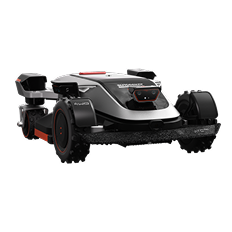
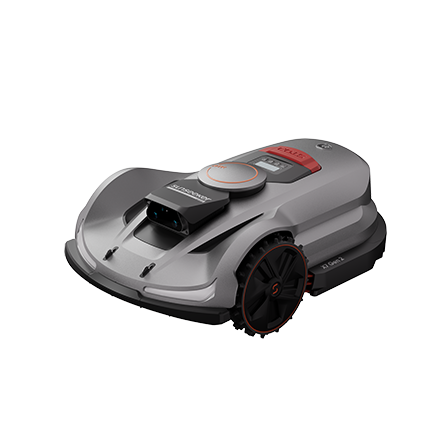
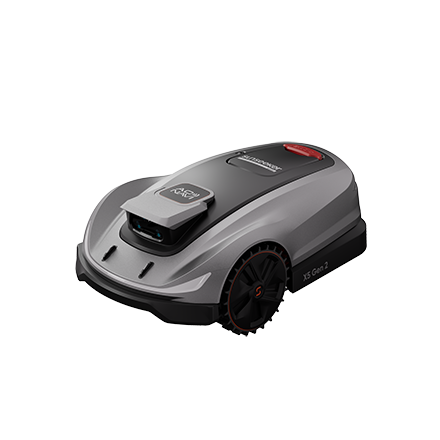
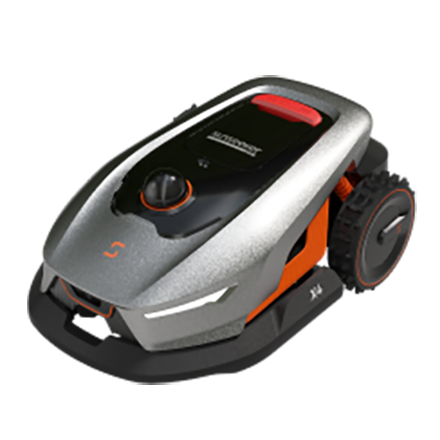
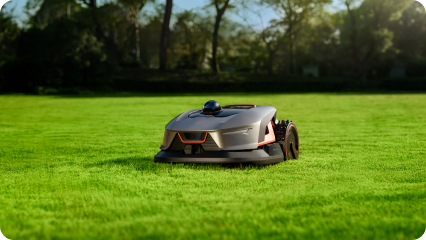
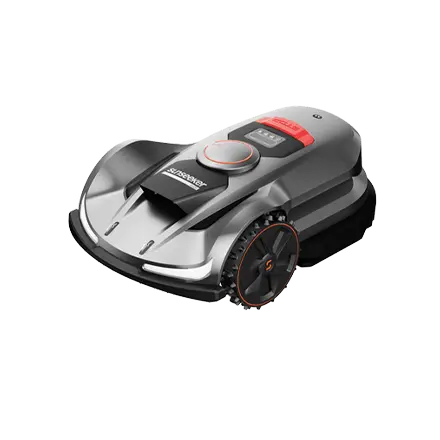
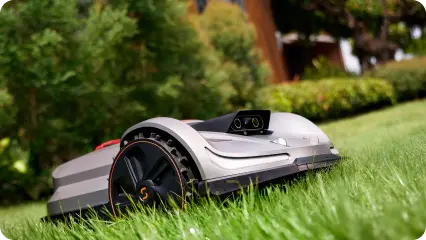
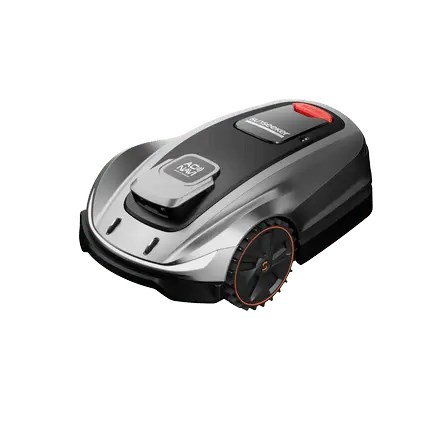
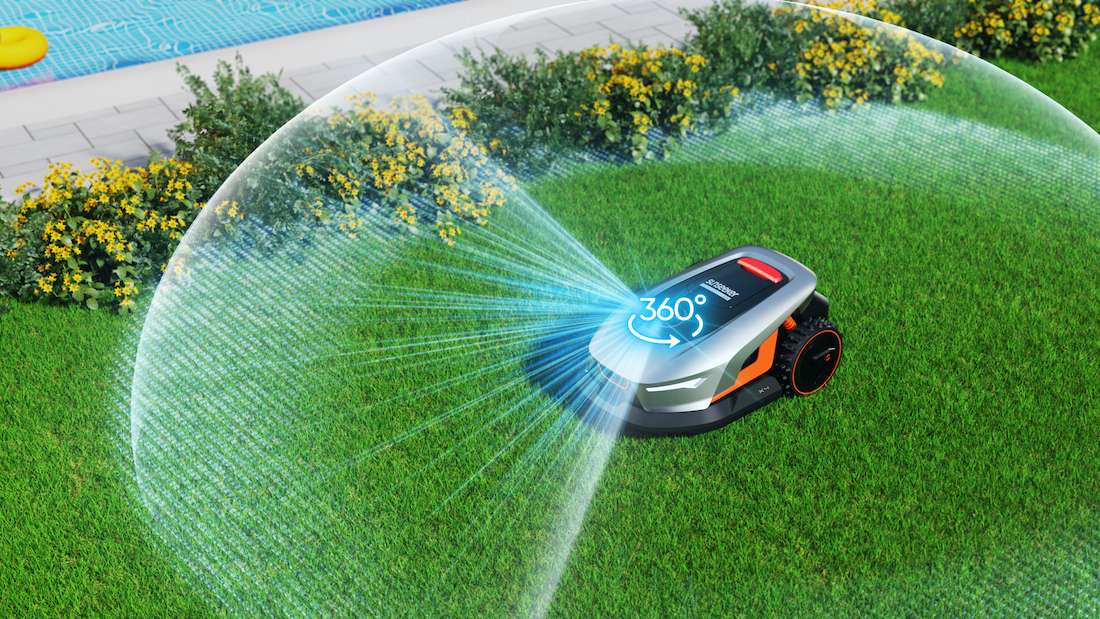
For effective grass cycling, the goal is to create small clippings that can settle into the turf and decompose naturally. Sunseeker Elite X4 can help keep clippings easier to manage, thanks to its 7.9 inch cutting width, 6-blade cutting system, and app scheduling support for frequent light mowing. That steady cutting pattern helps create smaller clippings that settle into the turf more cleanly during normal lawn maintenance.
Grass clippings do not usually cause thatch. Thatch is a dense layer of dead and living stems, crowns, roots, and shoots that builds up between the green grass and the soil surface. Fresh clippings are mostly soft leaf tissue, so they break down faster than woody stems or roots.
Clippings can look like thatch when they are wet, long, and piled on top of the lawn, but that is a surface mat, not true thatch. The fix is to rake or re-mow the clumps. True thatch becomes a problem when the layer is thicker than about 1/2 inch. At that point, water and nutrients have a harder time reaching the soil.
If you are unsure, pull back the grass and look at the brown layer above the soil. A thick, spongy layer may need dethatching or core aeration. Leaving short clippings after regular mowing does not create that layer on its own.
So, should you leave grass clippings on the lawn areas after mowing? In most cases, yes. Short, dry clippings return nutrients, help conserve moisture, and reduce yard waste. Bag them only when they are wet, clumped, weedy, diseased, or affected by a treatment label. With clean mowing habits and the right cutting setup, clippings become part of a simple lawn care rhythm. For more equipment options designed around fine clipping return, explore Robot Mowers with Mulching Blades.
It is better to leave grass clippings when they are short, dry, and evenly spread. They return nutrients and save cleanup time. Bag them when they are wet, clumped, full of weed seeds, diseased, or connected to a treatment label that warns against leaving or reusing clippings.
Small, dry grass clippings often begin breaking down within days and may largely disappear in one to three weeks during active growth. Cool weather, dry soil, thick clumps, or low microbial activity can slow the process. Finely cut clippings decompose fastest and release nutrients more steadily.
You can leave grass clippings after most mowings if the lawn is healthy and the cut is light. Follow the one-third rule, mow dry grass, and check for clumping. If clippings sit in piles, rake them out or bag them, then adjust your schedule before the next cut.