



FAQs
8/26/2026
Contents
Products
Residential Lawns



Explore
Where to Buy


No. Pick up dog waste before mowing. A mower can smear feces over grass, tires, wheels, blades, and the underside of the deck, creating odor and hygiene problems. Fresh dog poop is also not a balanced lawn fertilizer. Prompt cleanup, light rinsing, and routine mower cleaning protect both turf and equipment.
You are ready to mow, then notice a pile in the yard after the mower is already moving. It is tempting to keep going and assume the blades will simply break it up. That shortcut usually creates a mess that is harder to clean than the original pile. Dog waste can spread across the lawn, stick to mower parts, and aggravate damaged turf. A simple pre-mowing check keeps the yard cleaner and makes regular lawn care much easier.

Technically, a mower can pass over dog poop, but it should not be part of a normal mowing routine. The best practice is to stop, remove the waste, and clear the area before the mower reaches it.
When a blade or wheel hits fresh feces, the material does not disappear. It can be chopped, pressed into the turf, thrown a short distance, or carried on tires and the mower deck. That creates more contaminated contact points around the yard. It also turns a quick pickup job into a mower-cleaning job. On dry piles, pieces can break apart and scatter into the grass, where they are harder to see and remove.
The concern is not only appearance. Dog feces can carry bacteria, parasite eggs, and other organisms. Leaving it on the lawn increases opportunities for pets and people to contact contaminated soil or grass. For households with children, multiple dogs, or frequent backyard activity, picking up waste before mowing is the cleaner, safer routine.
Dog waste is often mistaken for a free fertilizer because it contains nutrients. Fresh feces, however, is concentrated, unbalanced organic waste and is not the same as properly composted material.
A pile sitting on turf can block sunlight and airflow, keeping grass underneath damp and flattened. As the waste breaks down, the concentrated nutrients and salts can stress grass in a small area. Repeated deposits in the same spot may leave yellowing, thinning, or bare patches. The effect is often worse where grass is already weak from shade, compaction, drought, or heavy pet traffic.
There is also a practical lawn-health issue: feces can introduce unwanted organisms into soil and can attract flies or other pests. Rain may wash residue into low spots instead of removing the problem. A healthier approach is to scoop waste daily or before every mowing session, then repair thin turf with proper soil care, seed, and balanced fertilizer when needed.
The exact mess depends on how fresh the waste is, how low the mower cuts, and the mower design. In most cases, hitting the waste spreads it onto nearby grass and mower parts.
A rotating blade can break fresh or partially dried waste into smaller pieces. Wheels may then press those pieces into grass or carry them along the next several feet of the mowing path. On a damp lawn, residue can stick to clippings and soil, making it difficult to see what needs to be removed later. Bagging does not solve the problem because contaminated clippings may end up inside the catcher.
Dog waste can coat the blade, discharge area, wheels, and underside of the deck. The result is persistent odor and a dirty surface that should be cleaned before storage. If you touch the mower during maintenance, wear disposable or washable gloves and wash your hands afterward. Never reach under a mower until the engine or motor is fully off and the machine is secured against accidental startup.
Mowing over a pile pushes waste deeper into the turf instead of lifting it away. Grass blades can become matted, and the soil surface may stay wet beneath the residue. In a repeatedly used pet area, those small stressed spots can merge into a larger thin patch. Removing the waste first allows sunlight, air, and irrigation to reach the grass normally.
A five-minute yard check before mowing prevents most problems. Walk the full mowing area in a consistent pattern so you do not miss waste hidden near edges, shrubs, play equipment, or taller grass.
Use a bag, scoop, or dedicated pet-waste tool and remove every visible pile before starting the mower. Check shaded areas and fence lines carefully because dogs often return to the same locations. If the lawn is large, divide it into zones and scan one zone at a time. For a robotic mower, make the cleanup check part of the scheduled mowing routine instead of relying on the machine to avoid waste.
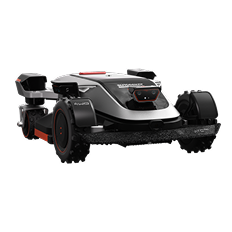
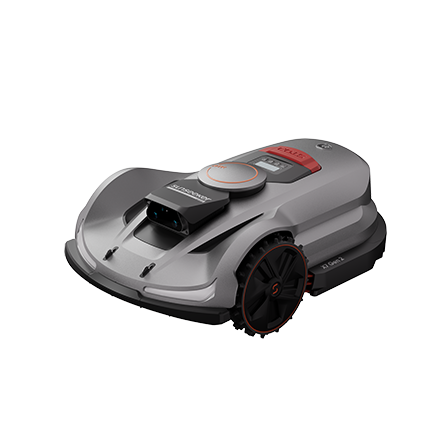
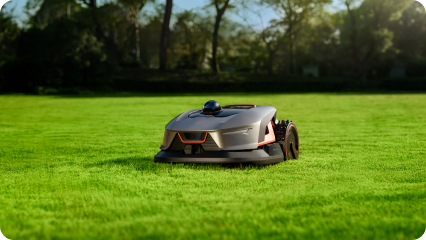
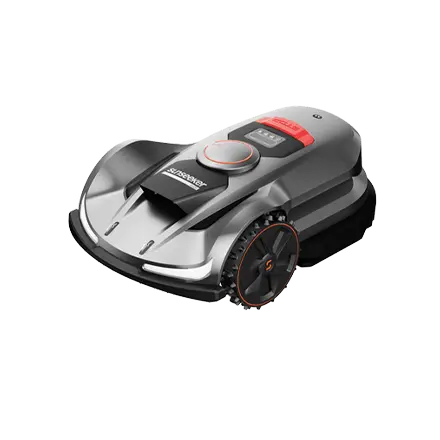
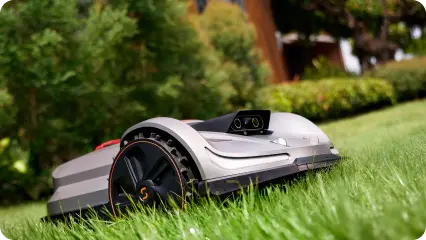
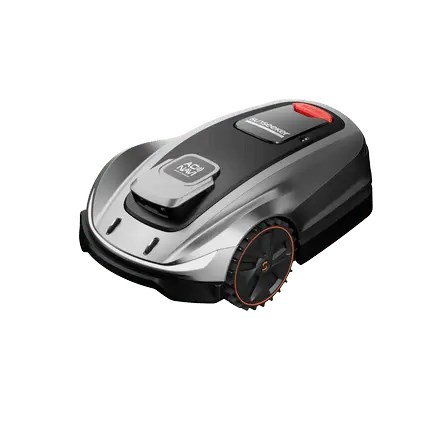
For example, if your yard uses a scheduled robotic mower such as the Sunseeker Elite X7 Plus Gen 2, clear dog waste before each run. Its current design uses a 14-inch dual cutting disc with six blades for frequent lawn cutting; those blades are meant for grass, not pet-waste cleanup. A quick inspection protects the cutting system and prevents feces from being carried through the mowing route.

After removing fresh waste, a gentle rinse can help clear small amounts of residue from the grass. Use a normal hose flow for about 20 to 30 seconds on a small spot rather than blasting the soil. If the grass is already yellow or bare, rake away dead material, loosen the top half-inch of soil, add seed suited to your lawn, and keep the patch evenly moist during germination.
If the mower already hit dog poop, shut it down before cleaning. On a gas mower, disconnect the spark-plug lead if the manual recommends it. On a battery mower, remove the battery when the design allows. Scrape off solids with a disposable plastic tool, then wipe or wash accessible non-electrical surfaces with mild soap and water. Avoid spraying motors, electrical connectors, bearings, or control housings. Let the machine dry before storage or the next mowing session.
Long-term prevention is mostly about fast cleanup, better pet habits, and small lawn-care adjustments. The following steps keep waste from sitting long enough to stain turf, spread, or interfere with mowing.
Mowing over dog poop is a small shortcut that creates a larger cleanup problem. Pick up waste before mowing, rinse residue when needed, repair stressed turf early, and clean mower surfaces after accidental contact. Those habits protect grass, reduce odor, and keep equipment easier to maintain. Once that routine is in place, homeowners interested in automated lawn care can explore robot mowers with mulching blades as one option for regular mowing after the yard has been cleared.
Yes. Pick it up before every mowing session. A mower can smear waste into grass, tires, blades, and the deck, turning one pile into several contaminated areas. A quick yard scan also protects anyone who later handles the mower and keeps pet waste out of grass clippings or collection bags.
No, fresh dog poop should not be treated as lawn fertilizer. It is concentrated waste that can smother grass, contribute to patchy damage, and carry bacteria or parasites. Use a lawn fertilizer matched to a soil test instead. Pet waste should be collected and disposed of according to local rules.
One accidental hit usually does not cause immediate mechanical failure, but waste can foul blades, wheels, belts, guards, and the underside of the deck. Residue also creates odor and can complicate maintenance. Shut the mower down safely, remove solids, clean approved surfaces, and let the machine dry before using or storing it.