








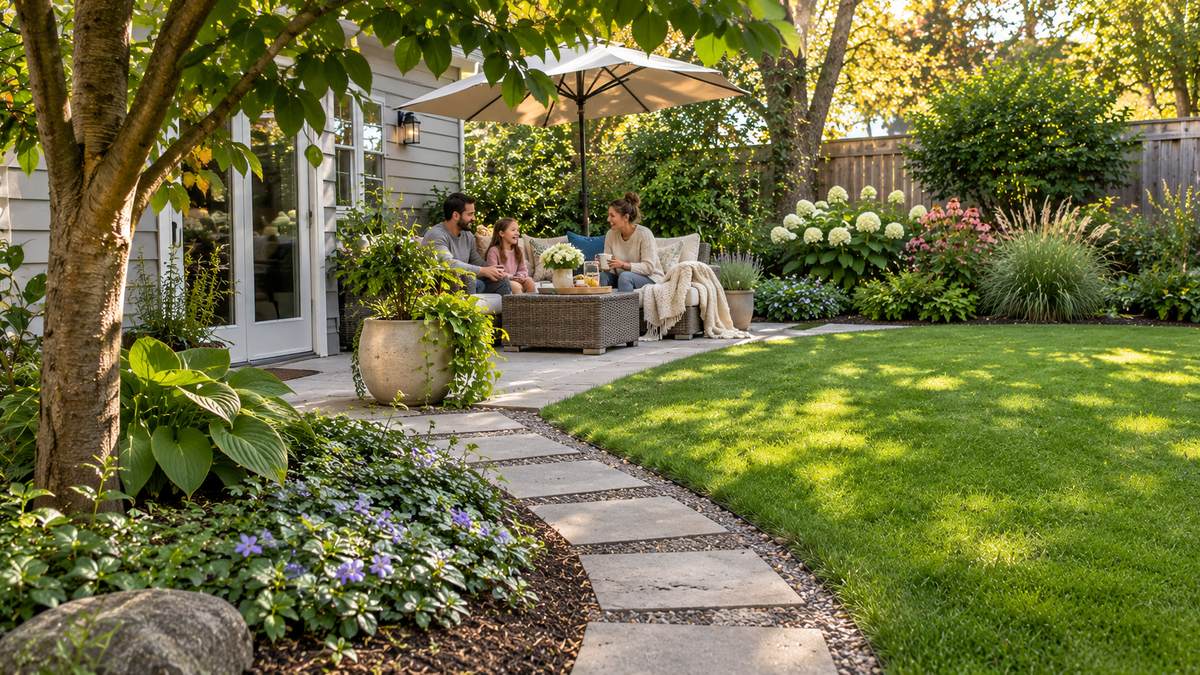
A backyard can look relaxed while quietly creating a long list of Saturday jobs. The narrow strip that needs a trimmer, the thirsty planter in the far corner, and the patch of grass everyone walks across may each take only a few minutes, but together they keep pulling you back outside with tools in hand.
A lower-maintenance backyard is less about removing plants or paving everything over and more about changing the places that repeatedly ask for attention. The ideas below focus on those recurring jobs so the yard still feels green, comfortable, and lived in without demanding the same fixes every weekend.
Keep the Lawn, but Make It Easier to Mow
A lawn is not automatically high maintenance; awkward lawn shapes are. Tight curves around beds, tiny islands around trees, narrow strips beside fences, and grass that runs into a steep bank can turn one mowing job into mowing, trimming, edging, and cleanup.
Before replacing the lawn, change the outline. Widen tight passages, connect several tiny beds into one smoother border, remove grass from wedges that a mower cannot enter cleanly, and use a simple edge that follows broad curves rather than dozens of small turns.
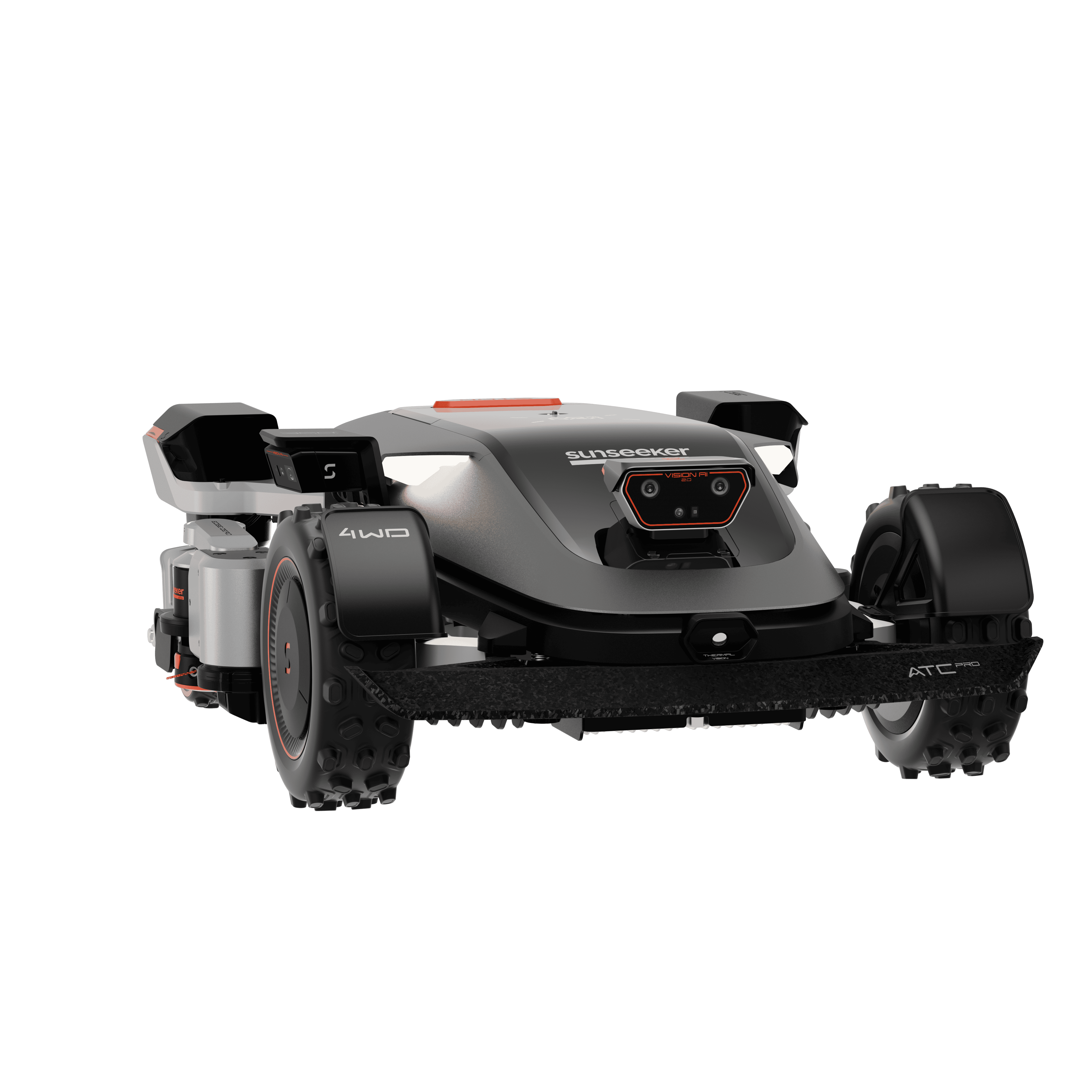
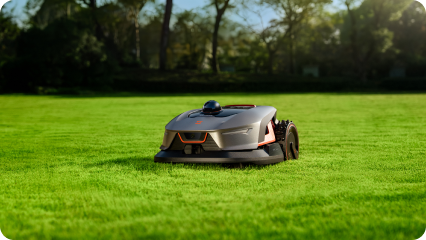
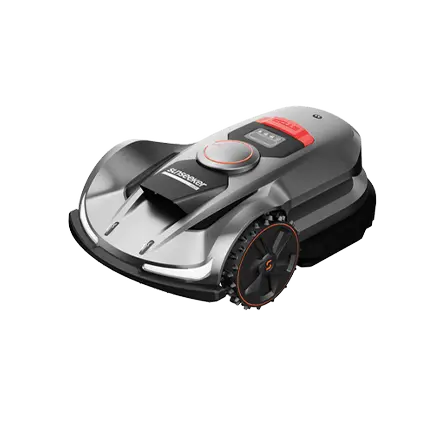
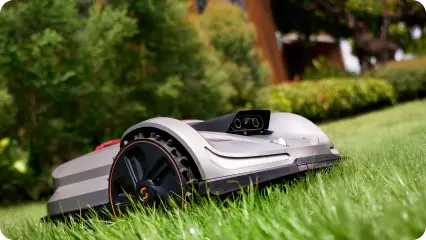
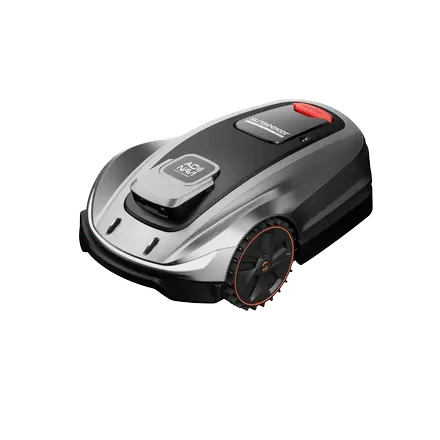
If slopes, bumpy ground, or longer mowing routes are the real problem, AWD Robotic Mowers can take some of the repeated physical work out of maintaining a difficult lawn. All-wheel drive is most relevant where traction and uneven terrain keep making a simple mowing schedule harder than it should be, so the technology fits the problem rather than becoming a feature added for its own sake.
Turn One High-Maintenance Corner Into a Place to Sit
Some corners fail because they are being asked to grow too much. A dry patch under a roof overhang, a shaded pocket beside the house, or a small slope where mulch keeps washing downhill may spend years cycling through new plants, extra watering, and replacement.
If the spot is already close to a path, patio, or useful view, consider turning it into a place to sit rather than forcing another planting scheme. A compact gravel pad, a bench, or two chairs on a stable surface can give the corner a purpose while eliminating the need to keep rescuing plants that never suited the site. The result can feel more intentional because the empty-looking problem area becomes a destination.
Plant in Larger Groups Instead of Filling Every Gap
A backyard full of one-off plants can become a collection of separate care instructions. One plant needs dividing, another flops into the path, another needs deadheading, and a fourth leaves a gap that sends you back to the garden center looking for something to fill it.
Larger groups make that maintenance easier to read. Repeating three, five, or more of the same well-suited perennial creates a stronger visual block and lets you water, cut back, divide, or replace that area as one unit. The repetition also makes a planting look deliberate even when individual plants are not at their peak.
Leave enough room for the mature spread rather than trying to make a new bed look full on day one. Temporary gaps are usually easier to live with than a border that becomes overcrowded and needs thinning a year or two later.
Let Groundcovers Handle the Places Grass Struggles
Grass often becomes demanding in the places where it is least comfortable: beneath mature trees, along shaded side yards, on slopes that dry unevenly, or in narrow areas that are difficult to irrigate and mow. Repeated seeding can keep the patch green for a while without changing the reason it keeps thinning.
Where turf repeatedly fails, use a groundcover or low-growing planting that actually matches the light, moisture, and traffic level. A spreading plant can cover soil, soften the edge between lawn and beds, and remove a patch from the mowing route altogether. Choose species that are appropriate for your region and avoid plants listed as invasive locally, because a groundcover that escapes into the rest of the yard simply trades one maintenance job for another.
Put the Thirsty Plants Together
Watering becomes tedious when high-water plants are scattered through otherwise drought-tolerant beds. You end up dragging a hose to several isolated spots or running an irrigation zone longer than most of the plants around it need.
Group plants with similar water needs so one area can be watered on one schedule. The thirstier section can sit closer to the house, a hose connection, or an irrigation line, while tougher plants occupy the farther edges of the yard. This kind of grouping also makes drought stress easier to spot because a single wilted plant is no longer hiding among species with completely different needs.
You do not need to reorganize the whole backyard at once. When a plant dies or is moved, use the opening to gradually place replacements where their watering needs fit the rest of the bed.
Use Hard Landscaping Where Foot Traffic Keeps Ruining the Yard
A worn trail across the grass is not always a lawn-care failure. It may simply be the route everyone naturally takes between the back door, grill, shed, play area, or gate. Re-seeding that line every season asks the grass to win against a pattern of daily traffic that is not going away.
Treat the route as useful information. Stepping stones, gravel, pavers, or another stable walking surface can protect the surrounding lawn and make the shortcut look designed rather than accidental. The best path usually follows the movement that already exists, even if it is not the perfectly straight line you would have drawn on a plan.
The same idea works under frequently moved chairs, beside a fire pit, or near a hose reel where feet repeatedly compact the soil. Put a durable surface where the activity happens and leave planting for the places that are actually allowed to grow.
Give Outdoor Equipment Somewhere to Disappear
A backyard feels harder to maintain when every job begins with moving something else. Hoses loop across paths, cushions live on dining chairs until rain is forecast, small tools collect by the door, and toys have to be cleared before the mower can move through.
Storage works best when it sits close to the activity it supports. A hose box near the faucet, a weather-resistant bench near the seating area, hooks inside a shed door, or a simple bin for outdoor toys can shorten the cleanup loop enough that things are more likely to be put away. The visual payoff matters too: fewer loose objects make even an ordinary backyard look calmer without adding another decorative project.
Automate the Jobs You Still Need to Do
A low-maintenance backyard still has recurring work. Grass grows, plants need water, leaves fall, and outdoor spaces need occasional cleanup. The useful question is which of those jobs genuinely require your attention and which can run on a schedule.
Irrigation timers, smart controllers, drip lines, and robotic mowing are most valuable when they take over a repetitive task without making the system harder to understand. Automation should remove a routine, not create a new hobby of checking apps, fixing complicated zones, or rescuing equipment from a layout it cannot handle.
On estate-scale lawns, the Sunseeker Elite X9 Plus is built for the kind of mowing workload that can dominate a weekend. Sunseeker rates it for up to 6 acres per 48 hours, and its all-wheel-drive system is designed for rougher, steeper ground; that combination is relevant when the recurring problem is not one awkward patch but the sheer amount and complexity of lawn that needs regular cutting.