





FAQs
8/13/2026
Contents
Products
Residential Lawns









Explore
Where to Buy


Patchy lawns usually improve when you find the cause first, prepare the weak area, then repair it with the right seed, patch mix, or sod. Thin grass often points to pests, disease, compacted soil, shade, poor watering, or heavy traffic. Fix the source, keep new growth evenly moist, and mow gently once the repair is established.
Bare or thin spots often show up after hot weather, pet traffic, pest damage, or uneven watering. Simply throwing seed over these areas may not work well if the soil is compacted, too dry, or still affected by the original problem.
In this blog, you’ll learn how to fix a patchy lawn by finding the cause, choosing the right repair method, preparing the soil, and helping new grass establish. The same approach can be used for a few small bare spots or larger uneven areas.

Before you add seed or sod, look at the shape, color, and location of the patch. Different problems leave different clues, and treating the wrong cause can waste time, seed, and water.
Grubs feed on grass roots, so the lawn may turn brown, feel loose, or lift easily like a small mat. Birds, raccoons, or skunks may dig into these weak spots while searching for larvae. If you can pull up the turf with little resistance and see white C-shaped grubs in the top 2 to 3 inches of soil, treat the pest issue before repairing the grass. A few grubs are normal, but heavy activity needs a targeted grub control product used at the correct season and label rate.
Fungal patches often appear as rings, smoky gray edges, or irregular brown spots that spread during humid weather. Watering late in the evening, mowing with dull blades, and leaving thick thatch can increase disease pressure. If the grass blades show spots, web-like growth in the morning, or rapid spreading after warm, wet nights, improve airflow and watering first. A lawn-safe fungicide may help in serious cases, but better mowing, morning watering, and thatch control are often part of recovery.
Patchy growth can also come from hard soil, tree shade, or uneven irrigation. Compacted soil blocks air and water, so roots stay shallow. Dense shade reduces the grass plant's energy, even when you water and feed correctly. Poor sprinkler coverage creates green areas beside dry, pale ones. Push a screwdriver into the soil after watering; if it barely goes in, compaction is likely. Also check sprinkler overlap, foot traffic paths, and areas under trees or along fences.
The right repair depends on how much grass is missing and how quickly you need coverage. Use this table to choose the method before buying seed, sod, or patch products.
Repair option | Best for | Main advantage | Watch out for |
Reseed | Small bare patches and thin areas after soil prep | Low cost and easy to blend with the existing lawn | Needs steady moisture for 2 to 4 weeks |
Overseed | A lawn that is thin across a wide area but still has living grass | Thickens turf without removing the whole lawn | Works best after mowing low and loosening the soil |
Patch mix | Small spots caused by pets, traffic, or minor dead grass | Often includes seed, mulch, and starter fertilizer in one product | Some mixes dry out quickly in hot weather |
Sod | Larger bare areas where fast coverage matters | Gives an instant green surface and erosion control | Costs more and needs firm soil contact |
Once you know the likely cause, repair the area in a clean sequence. Do not rush the soil preparation, because seed and sod need firm contact with loosened, healthy soil.
Start by checking the patch closely. Look for insects, chewed roots, pet urine marks, fungal patterns, dry soil, or heavy foot traffic. If pests or disease are active, treat them first and wait until the area is stable. If poor watering caused the patch, run your sprinklers and place small cups around the area to check coverage. Most lawns need about 1 to 1.5 inches of water per week, including rainfall. New seed needs lighter, more frequent moisture until it germinates.
Rake away dead grass, leaves, thatch, and loose debris. For bare patches, remove the dead layer until you reach soil. Loosen the top 2 to 3 inches with a rake or hand cultivator, then break up hard clumps. If the area is low, add screened topsoil or compost and level it so water does not collect. For compacted spots, aeration or deeper loosening helps roots move into the soil instead of sitting on the surface.
Choose grass seed that matches your lawn type and climate. Cool-season grasses such as Kentucky bluegrass, perennial ryegrass, and tall fescue are usually repaired in early fall or spring. Warm-season grasses such as bermudagrass, zoysiagrass, and St. Augustine recover best when soil and air are warm. Spread seed evenly, then press it into the soil with your hand, a board, or a light roller. For sod, trim the piece to fit, press edges tightly together, and make sure the underside touches the soil without air gaps.
Keep repaired areas moist but not muddy. New seed may need light watering once or twice a day during dry weather until it germinates. After sprouts appear, water less often and more deeply so roots grow downward. Keep people, pets, and mower wheels off the spot until the grass is about 3 to 4 inches tall. For sod, water daily for the first week, then gradually reduce watering as roots knit into the soil.
Timing affects germination, root strength, and how much watering the repair will need. The best season depends on your grass type and local weather.
For cool-season lawns, early fall is usually the strongest repair window because the soil is still warm, air temperatures are milder, and weeds are less aggressive. Spring can also work, but young grass may struggle when summer heat arrives. For warm-season lawns, late spring through early summer is usually better, once daytime temperatures are consistently warm and the grass is actively growing. Avoid seeding during extreme heat, drought, frost, or right before heavy rain that may wash seed away. If you must fix a safety hazard quickly, level the soil and use sod or a temporary cover, then finish the full repair during the right season.
Prevention is easier once the lawn has recovered. The goal is to reduce stress, keep roots strong, and spot early warning signs before small patches turn into larger bare areas.
Use these habits to keep repaired areas stronger:
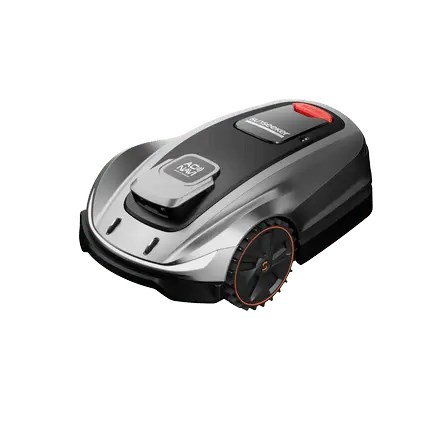
After the repaired lawn is established, consistent mowing helps keep growth even and makes new weak spots easier to notice. The Sunseeker Elite X7 Plus Gen 2 supports wire-free mapping with AONavi, a fusion of RTK and VSLAM 2.0, plus smart path planning and app-based control. For a homeowner maintaining a repaired lawn, those features help keep mowing routes organized and grass height more consistent across changing zones.

Learning how to fix a patchy lawn starts with the cause, not the seed bag. Pests, fungus, compacted soil, shade, and uneven watering all need different fixes, so inspect the patch before repairing it. Once the source is handled, loosen the soil, choose seed or sod wisely, and protect new growth with steady watering. Over time, healthy mowing, deeper roots, and better lawn habits help patches blend back into a thicker lawn. For long-term upkeep, GPS Robot Mowers can also help support a steadier mowing routine.
Remove dead grass, loosen the top 2 to 3 inches of soil, and correct the cause of the damage. Add matching grass seed, patch mix, or sod, then press it into firm contact with the soil. Keep the repair evenly moist until roots establish, and protect it from pets and foot traffic.
Some spreading grasses, such as bermudagrass and Kentucky bluegrass, can slowly fill small thin areas. Large bare spots usually need seed, plugs, or sod because weeds often move in faster than grass. If the soil is compacted, shaded, or dry, even spreading grass will struggle to cover the patch.
Seeding can fail when the soil is too hard, the seed dries out, the grass type is wrong, or pests and disease are still active. Seed also needs good soil contact and steady moisture. If patchiness returns, test sprinkler coverage, check for grubs, and look for shade or traffic stress.