












After a wet winter, you may notice green or dark moss spreading between grass plants and covering areas where the lawn has become thin. Moss killer can turn these patches brown or black, but killing the moss alone may not prevent it from returning. When conditions such as excessive shade, compacted soil, poor drainage, or soil that is too acidic for your grass remain unchanged, moss can spread into the same areas again.
For effective treatment, you need to consider both when the moss is actively growing and when the grass can recover after dead moss is removed. This guide explains the best seasonal treatment windows and the weather conditions to check before deciding when to put moss killer on a lawn.
When Is the Right Time to Apply Lawn Moss Killer?
The best time to apply lawn moss killer is when moss is actively growing, temperatures are mild, and the grass is not stressed by drought, heat, or frost. For many cool-season lawns, this usually means March through May or September through November. However, actual weather conditions are more important than following a fixed calendar. Check whether the moss looks green and moist rather than dry or dormant. In colder northern states, waiting until moss begins growing in spring is often the better approach. In warmer southern regions, mild fall or winter weather may also provide suitable conditions.
Healthy grass is another important consideration. If your lawn is brown from drought, frozen, recently seeded, or weakened by heat, delay treatment until the grass starts growing actively again. This gives it a better chance to recover afterward. Choose a treatment period that meets the product's application instructions while allowing the surrounding grass enough time to grow thicker after the moss is removed.
Is Spring or Fall Better for Treating Lawn Moss?
Both spring and fall can be suitable for treating moss, although they provide different conditions for grass recovery. The table below compares typical treatment periods. Your local climate and the product label should still determine which season is best for your lawn.
Season | Moss Activity and Conditions | Turf Recovery | When It Is Useful |
|---|---|---|---|
Early spring, often March-May | Moss is moist and may grow actively after winter rainfall. | Cool-season grass is beginning active growth, while warm-season grass may still be slow to turn green. | Useful when moss is easy to identify and the lawn has time to recover before summer. |
Early fall, often September-November | Cooler temperatures and increased moisture can encourage moss growth. | Cool-season grass has favorable recovery conditions, while warm-season grass may remain active in warmer regions. | Useful when you can remove dead moss and repair thin areas before winter. |
Summer, usually June-August | Hot, dry conditions may slow moss growth and stress the grass. | Heat can make recovery difficult, particularly for cool-season lawns. | Usually a poor choice during hot, dry weather. |
Winter, usually December-February | Moss may grow in mild, wet areas, while grass elsewhere may be dormant or frozen. | Dormant grass has limited ability to fill bare areas. | Consider treatment only when local weather and the product label allow it. |
For cool-season grasses such as tall fescue, Kentucky bluegrass, and perennial ryegrass, early fall is often the better season for repairing moss-damaged lawns. The grass can grow before winter and resume growth the following spring. Spring treatment can also work, particularly when moss has spread during winter, but approaching summer heat leaves less time for recovery. For warm-season lawns, wait until the grass has fully turned green and is growing actively before beginning recovery work.
Which Conditions Determine the Application Day?
Choosing the right season helps narrow down the treatment period, but four important conditions determine whether a particular day is suitable. Check each one before applying moss killer, and always follow the product label for application requirements and instructions on when people and pets can return to the treated area.
Active Moss Growth
Moss should be moist and actively growing when you apply treatment, rather than dried out by drought or frozen to the ground. Examine several parts of your lawn, including shaded edges and areas that stay damp the longest. If the moss is dry and brittle, a contact treatment may not reach its living tissue evenly. Some products kill moss by drying it out, while others contain iron or different active ingredients, so their preparation requirements and visible effects may vary.
Product-Specific Moisture Requirements
Watering requirements vary between moss killer products. Some must be applied to dry grass and moss, while others require a damp surface, watering after treatment, or a period without irrigation. Read the instructions for the exact product before wetting your lawn. Iron-based treatments, fatty-acid soaps, and combination fertilizer products can work differently, so using the same application method for all of them may reduce effectiveness or damage healthy grass.
Rainfall Forecast
Before choosing an application day, check whether the product requires a period without rain. Heavy rainfall immediately after treatment may wash moss killer away or carry it onto patios, walkways, and planting beds. If the label specifies dry conditions, choose a day when the forecast provides enough time. However, if the instructions require watering after application, follow that guidance instead of a general rain-free rule.
Turf Stress
Applying moss killer when your grass is already stressed can make recovery more difficult. Heat, drought, frozen soil, heavy shade, and waterlogged conditions can all limit grass growth. If your lawn has not been mowed for several weeks and has become excessively tall, mow it to an appropriate height before treatment only when the product label permits it. Some moss killers require a waiting period before or after mowing. Avoid cutting the grass extremely short to expose the moss, as removing too much leaf area weakens the healthy grass needed to replace it.
How Should Moss Treatment Fit Around Mowing and Reseeding?
Moss control involves more than applying a treatment. You also need to plan when to remove dead moss, repair thin areas, and return to regular mowing. Since each stage has different timing requirements, use the following sequence while following the specific instructions on your product label.
1. Before treatment: Identify the areas where moss is growing and check your grass type. Mow only if the product label allows it, and leave enough grass height to support healthy recovery.
2. Application day: Apply moss killer at the recommended rate and under the required moisture and weather conditions. Keep people and pets away from the treated area for the period specified on the label.
3. After the treatment takes effect: Wait for the moss to die as directed, then gently rake or scarify the area to remove dead material without pulling out healthy grass. Thick moss layers may require more than one light pass.
4. Repair: Once the dead moss is removed and the soil is suitable, overseed thin or bare areas using grass that matches your climate and available sunlight. Follow the seed label for soil preparation and watering. Also check the moss killer's reseeding interval, since some products do not allow immediate planting.
5. Return to mowing: Wait until the newly planted grass is established and tall enough for its first cut. Use a sharp mower blade and avoid removing more than one-third of the grass height at once.
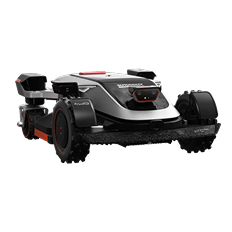
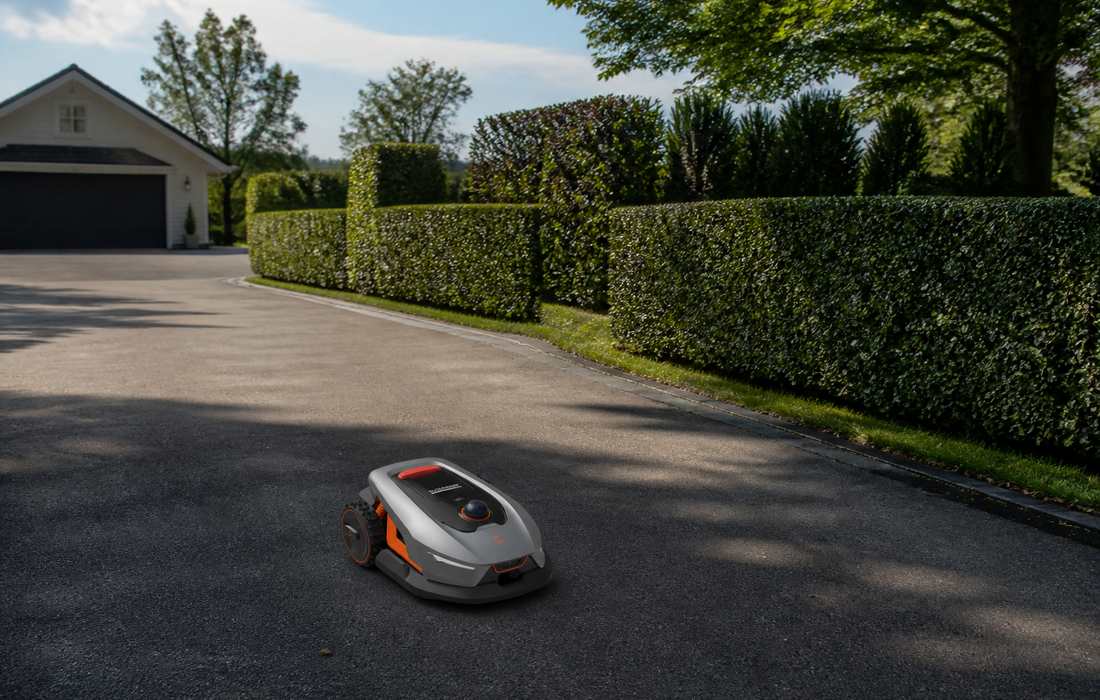
Once the new grass is established, regular mowing helps maintain a consistent grass height across the lawn. For yards with separate sections, robot lawn mowers with scheduled mowing and mapped routes can help maintain that consistency across different areas.
What Should You Change to Keep Moss From Returning?
Moss often spreads when growing conditions make it difficult for grass to develop into a thick, healthy lawn. Even after the existing moss is removed, it may return if those conditions remain unchanged. To help your grass grow more densely and reduce future moss growth, focus on the following lawn care practices.
- Test soil pH and nutrients: Use a soil test to determine whether lime is needed. The presence of moss alone does not mean your soil is too acidic.
- Improve drainage: Redirect downspouts, correct small depressions where water collects, and investigate areas that remain saturated after rainfall.
- Relieve soil compaction: Core-aerate when the grass is actively growing and the soil is moist enough for the aerator tines to penetrate without smearing.
- Manage shade: Prune trees or shrubs selectively where practical, or choose a grass type suited to the available sunlight. Areas with deep shade may not support a thick conventional lawn.
- Maintain a suitable mowing height: Cool-season lawns generally grow well at 2.5-3.5 inches, while warm-season lawns typically require 0.5-4 inches, depending on the grass type. Avoid scalping and remove no more than one-third of the grass blade at once.
- Fertilize according to soil needs: Follow a fertilizer schedule suited to your grass type and local growing season rather than automatically adding nitrogen after every moss treatment.
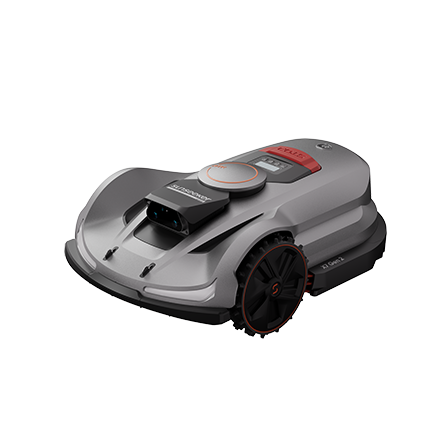
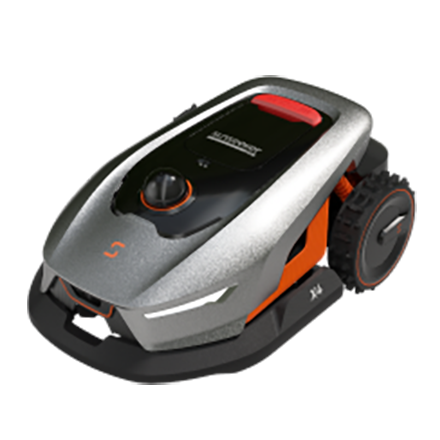
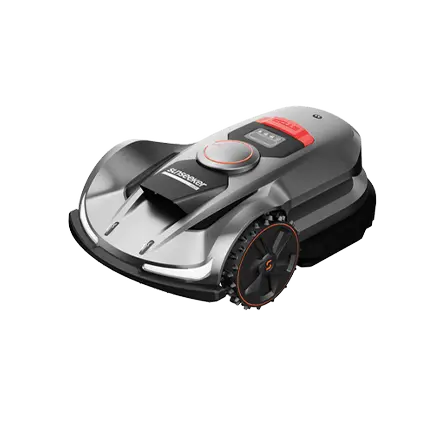
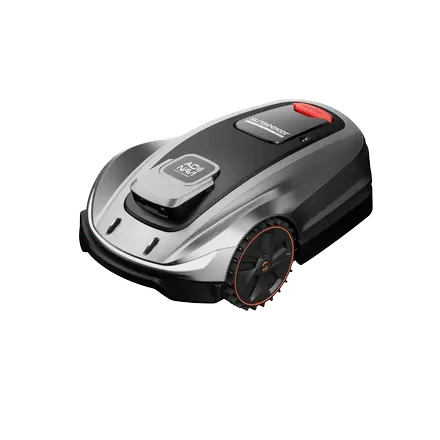
Mowing at the right height helps grass grow thicker, shade the soil, and compete with moss. The Sunseeker Elite X4 supports this routine with virtual boundaries and multi-zone controls, allowing it to mow different lawn areas while navigating around garden beds and trees. Its adaptive zoning and multiple mowing directions also help maintain a consistent mowing routine across these areas.