





FAQs
8/26/2026
Contents
Products
Residential Lawns






Explore
Where to Buy


Lawn rust is usually controlled by helping grass grow more vigorously, reducing long periods of leaf wetness, and mowing consistently. Light nitrogen, early-morning irrigation, and proper mowing can clear mild cases within a few weeks. Severe or recurring rust may justify a labeled fungicide after cultural problems are corrected.
Orange dust on your shoes after walking across the yard can be alarming, especially when the grass also looks yellow or thin. That dusty coating is often lawn rust, a fungal disease that becomes noticeable when turf growth slows and leaves stay damp for long periods. The good news is that most home lawns recover without aggressive treatment. A practical plan focuses on confirming the symptoms, correcting the conditions that favor rust, and supporting steady, healthy grass growth.

Understanding the nature of this fungus is the first step toward effective management. Lawn rust is a group of fungal diseases, commonly caused by Puccinia species, that infect grass leaves and produce yellow, orange, or reddish-brown spores. It is most noticeable on cool-season lawns such as Kentucky bluegrass and perennial ryegrass during late summer. While it often looks dramatic, the disease is usually cosmetic on established turf, though it can weaken grass and make it less resilient during periods of heat or drought.
Early identification is critical because rust can be easily confused with simple nutrient deficiencies. Before applying treatments, use these specific clues to confirm that a fungus-not just thirst or hunger-is the cause of your lawn's discoloration.
The clearest sign is a fine orange or rusty powder that rubs off infected blades. Walk through a suspected area in light-colored shoes or wipe several leaves with a white tissue. A noticeable orange coating strongly points to rust spores. Mower wheels, deck surfaces, pet fur, and pant legs may also pick up the powder. This test is useful because drought stress alone can yellow turf, but it does not create loose orange spores.
Early infection can appear as small yellow flecks or streaks on individual blades. As the disease develops, tiny pustules break through the leaf surface and release orange or reddish-brown spores. Viewed across the yard, affected turf may look dull yellow, pale green, or slightly bronze. Inspect leaves close to the ground before assuming the lawn needs more water; the colored pustules are a better clue than overall discoloration alone.
Rust tends to become obvious when grass is growing slowly. A lawn may look thin, weak, or overdue for recovery even though it has not been scalped or exposed to a new herbicide. Newly seeded lawns and stressed cool-season turf can show stronger symptoms because they have less leaf area and fewer energy reserves. If the grass is barely growing between mowings and orange spores are present, rust is a likely diagnosis.
Fungal outbreaks rarely happen in a vacuum; they are typically triggered by a combination of environmental stress and maintenance habits. Identifying these factors helps you address the root of the problem rather than just the visible symptoms.
Factor | How It Favors Rust | Recommended Adjustment |
Nitrogen Levels | Low nitrogen slows growth, letting fungus linger on leaves. | Apply a light, balanced nitrogen boost based on a soil test. |
Watering Time | Evening watering keeps leaves damp for 10+ hours. | Shift to early morning (5 a.m. - 9 a.m.) to allow faster drying. |
Airflow | Dense shade, fences, and buildings trap stagnant humidity. | Prune nearby shrubs and thin out dense vegetation. |
Mowing Habits | Scalping or using dull blades creates jagged, stressed tissue. | Maintain a 3-inch height and ensure mower blades are razor-sharp. |
If you are searching for how to treat lawn rust or how to fix lawn rust, prioritize cultural care over chemical intervention. The goal is to help the lawn replace infected leaves faster than the fungus can reproduce.
Providing a gentle nutrient boost is the most effective way to help a slow-growing, deficient lawn recover its vigor. A light nitrogen application can help the grass produce new, healthy shoots to replace the rusted ones. According to Purdue Extension, you should aim for 0.2 to 0.5 pound of actual nitrogen per 1,000 square feet.
However, do not apply nitrogen automatically. Check your recent fertilizer history and current grass species first. It is critical to avoid fertilizing drought-stressed turf when hot, dry weather is expected, as forcing growth without adequate moisture can add significant stress to the plant. Always water the fertilizer in according to the product label and keep granules off hard surfaces.
Adjusting your irrigation schedule reduces the time moisture sits on the leaf, which is the primary catalyst for fungal growth. Change your timing so that grass blades can dry quickly once the sun rises. An early-morning window, roughly 5 a.m. to 9 a.m., is significantly better than late evening because sunlight and daytime airflow evaporate the canopy moisture faster.
Water deeply enough to moisten the entire root zone, then wait until the lawn actually shows signs of needing water again. In the absence of rain, one deep irrigation each week is often more beneficial than frequent, shallow sprinkling. Additionally, be sure to fix clogged nozzles or low spots that keep parts of the lawn saturated long after the rest has dried.
Regular trimming removes the concentrated spores at the leaf tips while encouraging a denser, more even canopy. Keep mowing on a normal schedule and use a sharp blade to ensure you are removing diseased tips without tearing the healthy tissue underneath. Never scalp the lawn in an attempt to cut the fungus away, as this will only weaken the grass further.
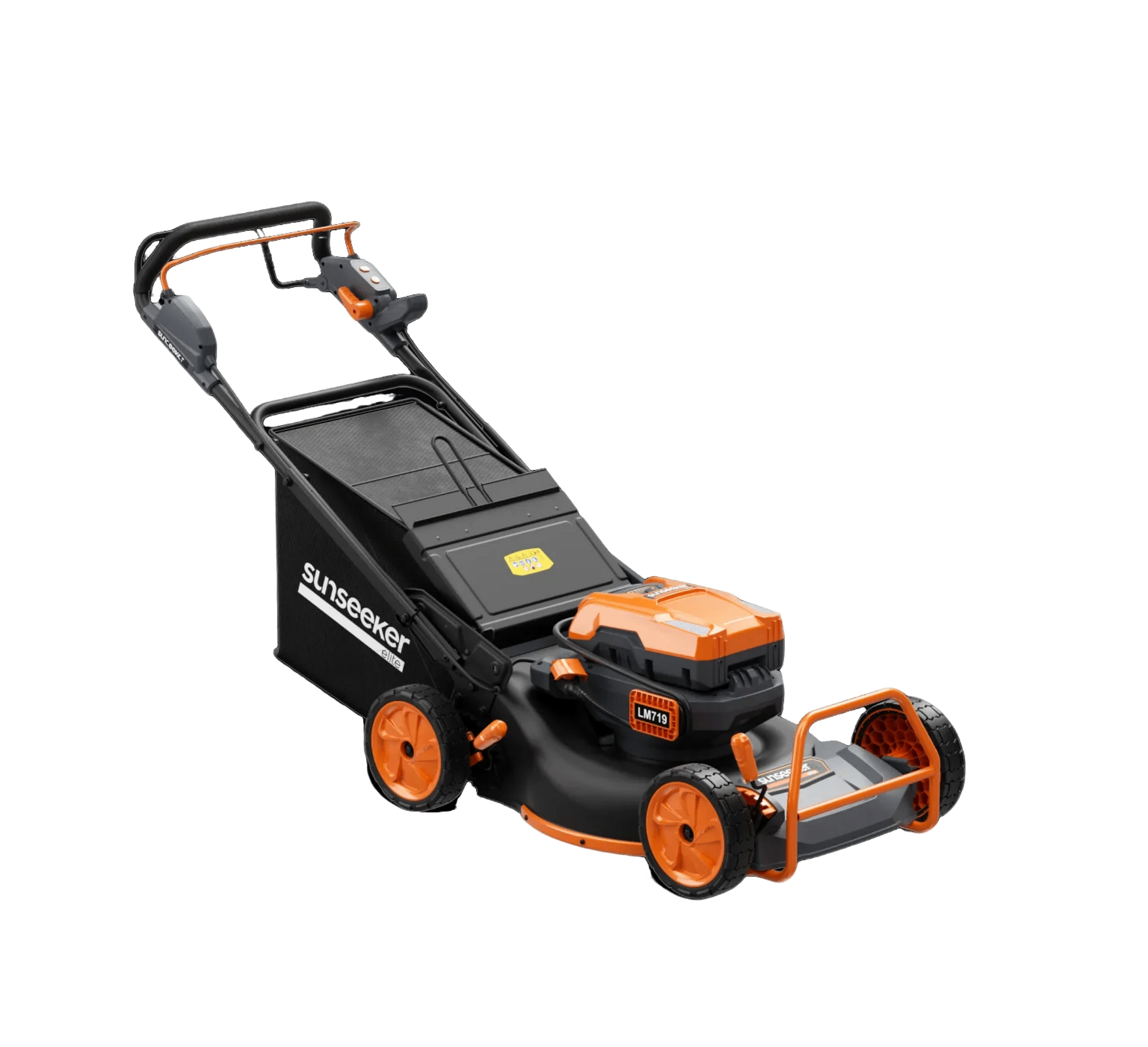
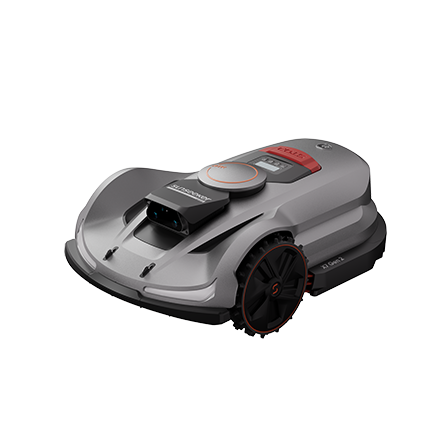
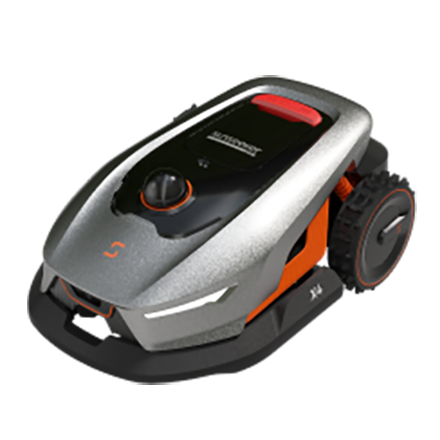
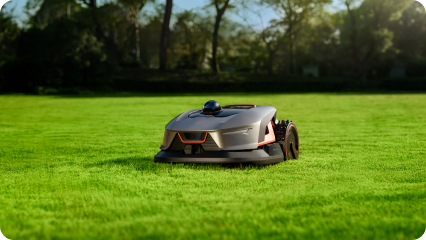
During a heavy rust outbreak, bagging your clippings for a few sessions can help reduce the amount of infected material remaining on the surface. For homeowners who prefer automated routine maintenance after the lawn has recovered, the Sunseeker Elite X5 can handle scheduled cutting to keep the grass at an ideal height. However, during active rust periods, remember to inspect and clean the mower's underside and wheels to ensure spores aren't carried to healthy parts of the yard.

Chemical treatments should be considered a secondary option, reserved only for severe cases where cultural adjustments have failed. Most home-lawn rust problems improve once turf vigor, watering, and mowing habits are corrected. Fungicide is most reasonable when the infection is severe, keeps returning despite good care, or threatens high-value turf.
Always choose a product specifically labeled for turf rust and for your particular grass type. Follow the manufacturer’s label strictly for application rates, reapplication intervals, and the use of protective equipment. Because local pesticide rules and product availability vary, it is a good idea to consult a local extension office or a licensed professional if you are unsure about the diagnosis or chemical choice.
Prevention is centered on keeping turf vigorous and dry enough that spores have fewer opportunities to colonize. A simple, consistent maintenance routine is the best defense against repeat outbreaks.
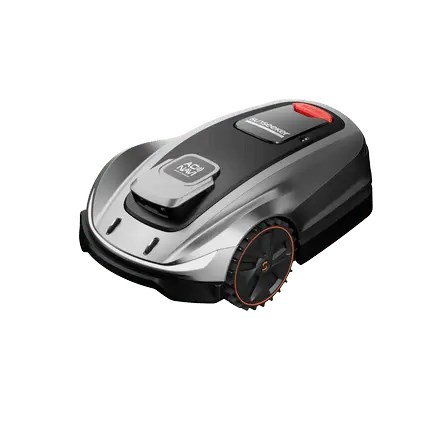
Consistent, light cutting is particularly effective for keeping a dense canopy. Exploring the Robot Mowers with Mulching Blades collection can support this routine by providing frequent trimming that allows the lawn to stay healthy and aerated without the bulk of heavy clippings.
Knowing how to get rid of lawn rust starts with recognizing the orange spores and correcting the stress that lets the disease build. Support steady growth, water early, mow at the right height, and reserve fungicide for serious or persistent cases. These habits improve the lawn beyond a single rust outbreak by building denser, more resilient turf. Once the grass is healthy again, consistent mowing and sensible automation can help keep routine care manageable throughout the growing season.
Mild lawn rust often fades as growing conditions improve and the grass resumes steady growth. Regular mowing removes infected leaf tissue over time. Recovery is faster when you correct low vigor, long leaf-wetness periods, or irrigation problems. Severe rust on stressed or newly seeded turf may need more active management.
Lawn rust itself is generally considered a plant disease rather than a pet poisoning hazard, although orange spores can coat paws and fur. The bigger safety concern is any fertilizer or fungicide applied to the lawn. Keep pets away during application and follow the product label’s re-entry instructions before allowing access.
The best first treatment is usually improved lawn care: encourage normal growth with appropriate nutrition, water early in the morning, mow consistently, and reduce conditions that keep leaves wet. Fungicide is normally a backup option for severe or recurring disease. Confirm the diagnosis and use only a product labeled for turf rust.