





FAQs
10/23/2026
Contents
Products
Residential Lawns








Explore
Where to Buy


Lawn sand can mean either a formulated turf treatment, usually combining sand with iron and nitrogen, or plain sand used for topdressing. Treatment products can blacken moss and deepen grass color when applied at the labeled rate. Plain sand is mainly for leveling or topdressing compatible sandy soils, not fixing heavy clay.
A bag marked “lawn sand” can be confusing because the name is used for two very different lawn-care jobs. One product may be a granular treatment that greens turf and blackens moss, while another bag may contain nothing more than sand for topdressing or leveling.
That distinction matters before anything is spread. A treatment must be measured by its label, while plain sand needs to suit the existing soil and the job you are trying to do. The sections below show which type you have, what it does, how to apply a treatment correctly, and what to do after moss dies.
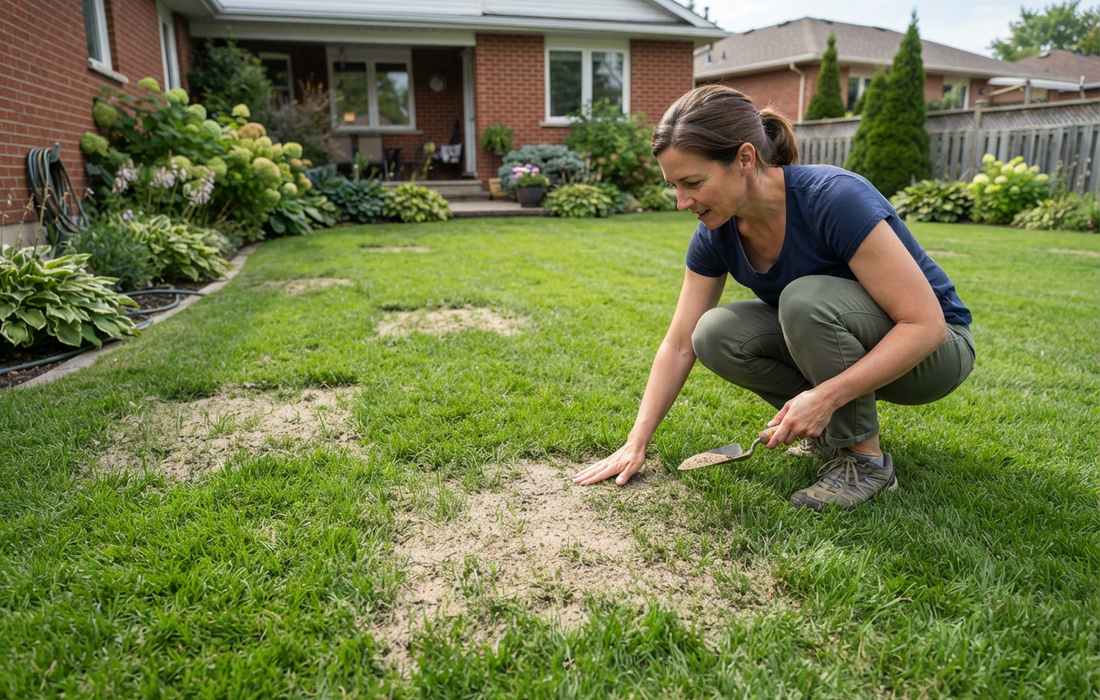
The words “lawn sand” do not always describe the same material. Check the bag for an ingredient analysis or treatment directions first, because that tells you which of the two common uses you are dealing with.
Traditional lawn sand treatments use fine sand as a carrier for active ingredients such as ferrous sulfate and a small amount of nitrogen. The sand helps distribute the material evenly across the turf; it is not there in enough volume to rebuild the soil profile.
Iron is the part that can darken grass and blacken moss when the product is labeled for moss control. Nitrogen supports leaf growth and color, but these products are not automatically a complete fertilizer. Some lawn sands are around 4-0-0 with added iron, while other formulations use different analyses and rates. Read the actual label rather than assuming one lawn sand can be dosed like another.
Plain topdressing sand has a different job. A light layer can smooth small surface irregularities, work into aeration holes, and help maintain a sand-based or naturally sandy root zone. On established turf, a common light topdressing is roughly 1/8 to 1/4 inch at a time, spread thinly enough that grass blades remain visible.
Sand is not a quick cure for compacted clay. Meaningful improvement to clay soil requires a very large proportion of coarse sand mixed through the root zone, not a dusting over the surface. On many home lawns with non-sandy native soil, matching topsoil or screened compost is a safer topdressing choice. If the goal is drainage, core aeration and correction of low spots usually deserve attention before extra sand is added.
A lawn sand treatment changes the turf surface much more than it changes the underlying soil. The points below show what a labeled iron-and-nitrogen product can reasonably do and where its limits are.
Lawn sand is best applied when moss is actively growing and the grass can recover after treatment. Spring and early autumn are usually suitable, but weather and lawn conditions also matter.
Choose a day when the grass blades are dry but the soil retains some moisture. Avoid strong winds, heavy rain, drought, and frost to help distribute the treatment evenly.
Accurate application is more important than putting down a visibly heavy layer. Work on established turf in suitable weather, keep the treatment off hard surfaces, and use the label as the final authority for rate and watering.
Measure the lawn rather than estimating by eye. For a rectangle, multiply length by width. Break irregular lawns into smaller rectangles or triangles, calculate each section, and add the results. Subtract patios, beds, ponds, driveways, and other areas that will not receive treatment.
For example, a 40 ft by 25 ft lawn is 1,000 sq ft. Having the real area prevents two common mistakes: stretching one bag too far, which gives weak and patchy results, or emptying too much product into a smaller lawn.
Use the rate printed on the specific product. One traditional lawn sand may be labeled around 2 oz per sq yd, which works out to roughly 14 lb per 1,000 sq ft, while another product can require a different amount. The sand carrier accounts for much of that weight.
Weigh the amount needed for your measured area instead of using scoops or handfuls. If the label provides a spreader setting, treat it as a calibration point and check actual output over a known area before completing the whole lawn.
Apply in calm conditions so fine granules or dust stay on the turf. Walk at a steady pace in straight passes and avoid overlapping heavily at turns. For products that allow split applications, two lighter passes at right angles can help reduce striping while keeping the total dose unchanged.
Brush any spill from concrete, stone, pavers, decks, or metal before it gets wet. Iron compounds can oxidize and leave rust-colored marks that are much harder to remove after rain or irrigation.
Watering directions vary. Some lawn sands are left dry for a period so the iron can act on moss, then watered in if rain does not arrive within the stated window. Other granular lawn products need irrigation soon after spreading. Follow the package instead of using a universal watering rule.
Keep people and pets off the lawn for the required reentry period. For a product that directs you to water granules in, wait until that has been done and the grass has dried before normal use resumes. Do not wash stray product into storm drains, ponds, or other surface water.
Black moss is a sign that the treatment has acted, not that the lawn is fully repaired. Give the product its labeled working time, then use the steps below to clear debris and help grass occupy the opened space.
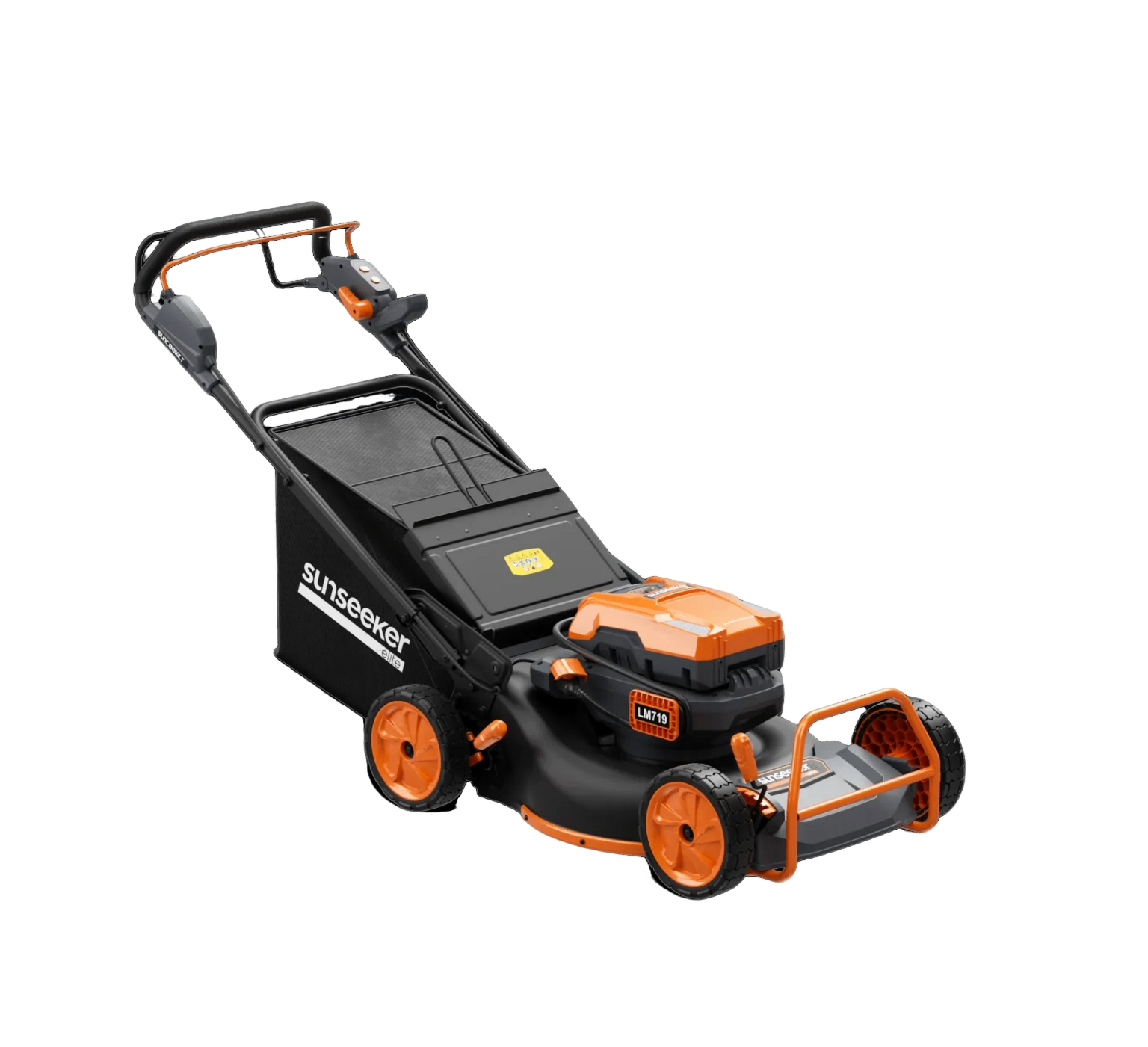
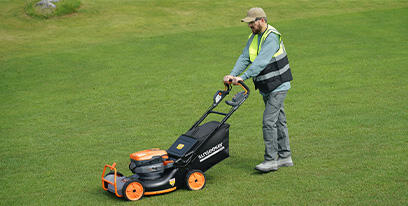
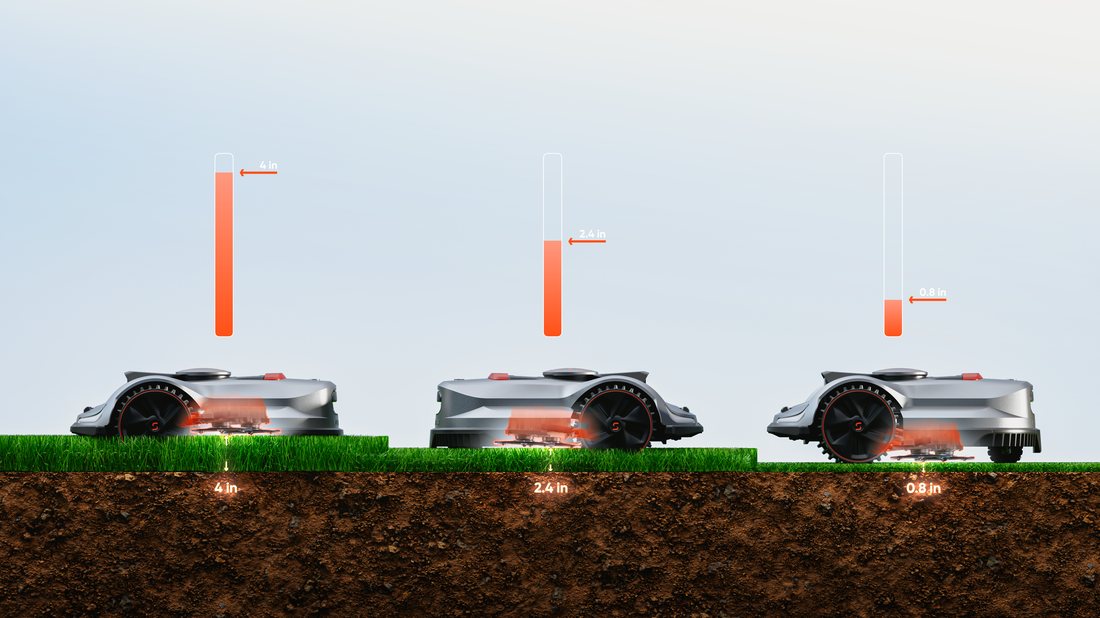
When the lawn is established again and ready for routine mowing, the Sunseeker Elite X7 Plus Gen 2 can maintain a consistent cut across larger or uneven lawns. Its AWD system is rated for slopes up to 70% / 35°, while the floating dual cutting discs and 0.8-4.0 in target-height range help the mower follow changing contours without forcing an unnecessarily low cut on recovering turf.
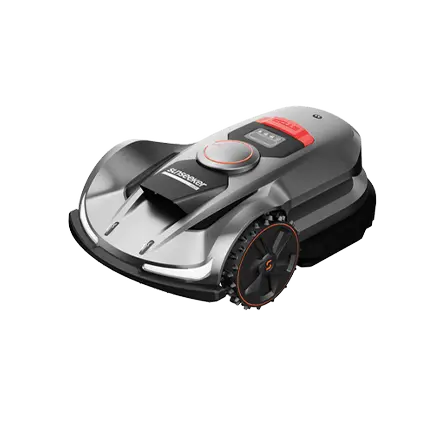
Lawn sand is useful only after you know which kind you are holding. Iron-and-nitrogen treatments are designed to green turf and, when labeled for it, blacken moss for later removal. Plain sand belongs to topdressing and leveling jobs where the material suits the existing soil. Measure the area, follow the labeled dose, protect hard surfaces, and fix the conditions that allowed moss to take over. For routine upkeep after the lawn has recovered, Robot Lawn Mowers without Perimeter Wires can keep regular trimming simple without adding a buried boundary cable to areas that may later be aerated or topdressed.
Treat lawn sand as a lawn-care chemical until the label says the area can be used again. Many iron-based products tell users to keep pets and children away until the granules have been watered in and the grass is dry. Prevent pets from eating spilled granules or licking concentrated material, and contact a veterinarian if a meaningful amount is swallowed.
Yes. Iron in lawn sand can oxidize and leave orange-brown rust marks on concrete, pavers, stone, decks, or metal. Sweep dry granules off hard surfaces immediately and do not hose them across paving. Applying in calm weather and keeping the spreader inside the lawn edge greatly reduces the chance of staining.
Use the interval on the product label rather than treating lawn sand as a monthly fertilizer. Some traditional moss-control lawn sands allow no more than two applications in one season with about 40 days between treatments. If moss returns repeatedly, check shade, compaction, drainage, mowing height, and soil conditions instead of relying on repeated iron applications.