








FAQs
8/26/2026
Contents
Products
Residential Lawns




Explore
Where to Buy


Lawn mower weight varies sharply by design. Manual reels and small robotic models may sit near 20–40 lb, many push mowers land around 30–100 lb, and riding or zero-turn machines often weigh several hundred pounds. The best weight depends on your yard, storage setup, terrain, and how often you need to move the mower.
Picture carrying a mower up a few garage steps, loading it into a pickup, or turning it around a narrow flower bed. Suddenly, weight matters as much as cutting width or power. Many homeowners only notice this after buying a machine that is awkward to lift, store, or maneuver. Lawn mower weight also affects traction and the amount of pressure placed on soft soil. The sections below break down realistic weight ranges, explain the parts that add pounds, and show how to match mower weight to everyday yard work.
A lawn mower can weigh less than a packed suitcase or more than a small motorcycle. Manual reel mowers are usually the lightest, while riding and commercial zero-turn machines sit at the heavy end. For a quick answer, most walk-behind mowers fall roughly in the 30–100 lb range. Residential riding mowers commonly weigh several hundred pounds, and many robotic mowers are much lighter because they do not need a seat, steering column, or large combustion engine.
The number printed in a specification sheet is also worth reading carefully. Some manufacturers list the bare machine, while others include a battery or standard equipment. Fuel, grass in a collection bag, wheel weights, bagging systems, and other attachments can raise the operating weight. A battery mower can also gain several pounds when a larger-capacity pack is installed. For that reason, treat category averages as planning figures rather than a substitute for the exact model specification.
The ranges below are practical market averages, not fixed limits. Deck size, drive system, battery capacity, frame material, and accessories can move an individual mower outside its category’s usual range.
Mower type | Typical weight | What that usually means |
Reel and electric push mowers | About 20–90 lb | Manual reels are often around 20–40 lb. Corded electric push mowers commonly sit near 30–60 lb, while larger battery push models can reach roughly 90 lb. |
Gas push and self-propelled mowers | About 60–100 lb | A gasoline engine and fuel system add mass. Self-propelled drive components often place a model near the upper end of this range. |
Riding lawn mowers | About 300–600+ lb | Residential lawn tractors need a heavy frame, engine, seat, drivetrain, battery, and larger deck. Attachments can raise the total considerably. |
Zero-turn and robotic mowers | Zero-turn: about 400–600 lb; robotic: about 15–40 lb | Residential zero-turn mowers are heavy because of their frame and twin-drive layout. Robotic mowers are compact and do not carry an operator. |
These figures also explain why the same word, “mower,” can describe machines with completely different handling needs. A 35 lb reel mower may be easy for one person to lift into a shed. An 80 lb self-propelled mower is better rolled up a ramp than carried. A 500 lb riding mower needs suitable floor space, tire support, and a trailer rated for the machine plus any attachments when it is transported.
For soft or recently saturated turf, weight deserves extra attention. Heavy riding equipment can leave ruts or compact soil if the ground is too wet. Lighter equipment reduces ground pressure, although tire width, tread, and the number of passes also matter. Waiting until the surface is firm is often more useful than choosing a mower only because its specification is a few pounds lower.
Two mowers with a similar cutting width can still have very different weights. The biggest changes usually come from the power system, deck construction, drive hardware, and accessories built into the machine.
Gas engines add a dense block of metal, a fuel tank, fluids, exhaust parts, and related hardware. A larger engine generally adds more weight because it uses a bigger crankcase, cylinder, cooling components, and support structure. Walk-behind gas mowers commonly sit above comparable corded electric models for this reason. Self-propelled gas units add transmission parts as well.
Battery mowers remove the gasoline engine but still carry substantial energy storage. A compact single-battery machine can remain fairly light, while a mower built around two large packs may move into the same general weight class as a gas push mower. The important figure for handling is the mower with the battery configuration you actually plan to use. If the battery is removable, taking it out before lifting the mower can reduce the load and protect the pack during transport.
A wider deck needs more material, a longer blade system, and a frame stiff enough to control vibration and impacts. That is why a 13–16 inch compact mower can feel dramatically lighter than a 21–22 inch walk-behind unit, even when both use electric power. On riding and zero-turn mowers, deck width can extend well beyond 40 inches, so the deck assembly becomes a significant part of the machine’s mass.
Deck material also changes the result. Stamped or fabricated steel is durable and common, but it is heavier than many composite housings. Aluminum may reduce corrosion concerns while keeping the deck rigid, yet it does not automatically create the lightest machine. Compare the complete mower weight, not just the material label, because motors, wheel assemblies, reinforcement, and drive hardware can outweigh the savings in the deck itself.
Heavy-duty frames use more steel and thicker structural members to support large decks, stronger engines, suspension parts, towing loads, or rough terrain. Those features can improve stability and service life, but they also increase the effort needed for transport and storage. Large tires, cast components, roll-over structures, suspension, and reinforced axles all add pounds on riding equipment.
Accessories should be counted too. A grass bag is light when empty but noticeably heavier when packed with damp clippings. Twin or triple baggers, mulch kits, front bumpers, wheel weights, snow blades, carts, and other riding-mower attachments can add tens or even hundreds of pounds to a working setup. If you transport the mower on a trailer, check its payload rating against the mower, attachment, fuel, and cargo weight together rather than using the mower’s base figure alone.
The right mower is not simply the lightest machine you can find. A useful choice balances handling, traction, storage, terrain, cutting capacity, and the amount of manual lifting you expect during normal ownership.
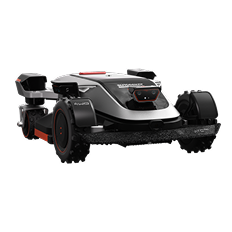
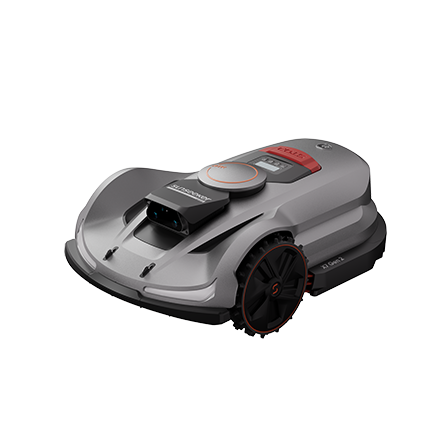
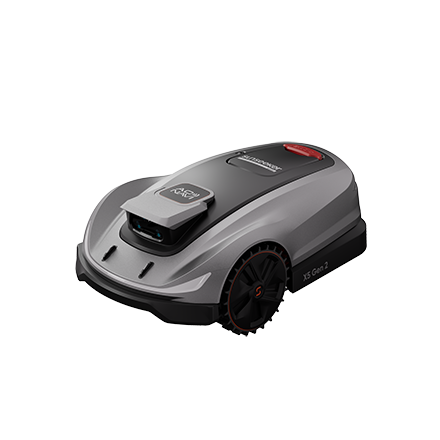
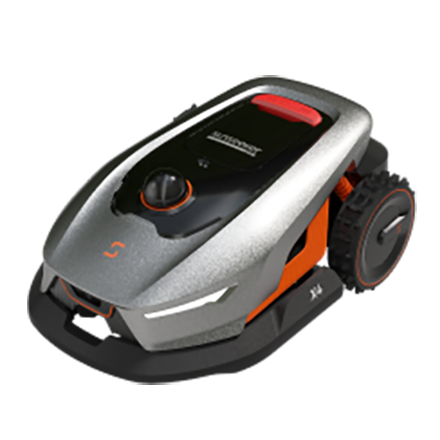
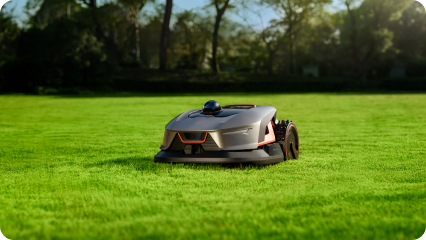
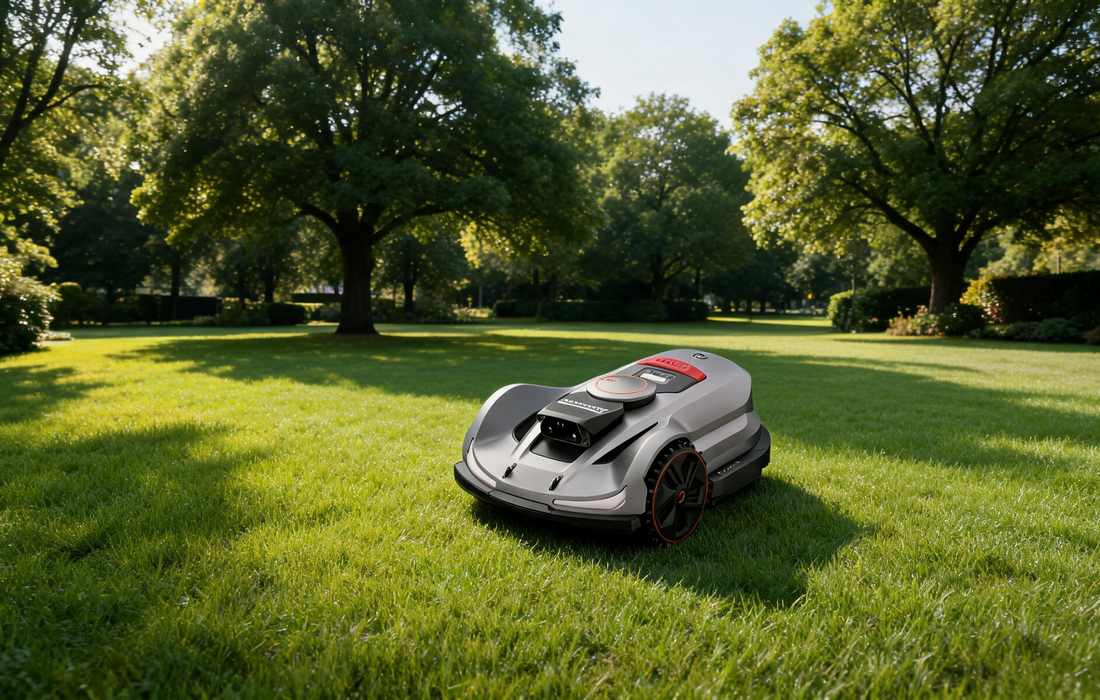
For homeowners who want the mower to work autonomously rather than be pushed, Sunseeker Elite X7 Gen 2 shows why robot mower weight is judged differently. Its tri-wheel AWD system is designed for traction on uneven ground and slopes up to 70% / 35°, while a 14-inch dual cutting-disc system handles regular mowing without an operator riding on the machine. In this category, practical weight concerns center more on safe carrying, storage, retrieval, and ground conditions than on push effort.

Lawn mower weight can range across hundreds of pounds, so the useful number is the one that fits your yard and handling needs. Check the exact model weight, then account for batteries, fuel, baggers, and other equipment before lifting or transporting it. Lighter mowers suit tight storage and frequent carrying, while heavier machines can offer traction and large-area capacity. If frequent automated trimming suits your routine, explore Sunseeker’s robot mowers with mulching blades as another lawn-care option.
Most push lawn mowers weigh about 30–100 lb. Corded electric models are often near the lighter end, battery mowers commonly sit in the middle, and gas or self-propelled machines are usually heavier. Always check the exact model with its normal battery or fuel setup if you need to lift, transport, or wall-store it.
A typical residential riding mower often weighs about 300–600 lb, with some compact machines below that range and larger or commercial models well above it. A bagging system, wheel weights, fuel, and other attachments increase operating weight. Use the full loaded weight when choosing a trailer, ramp, lift, or storage surface.
Not automatically. Extra weight can support a stronger frame, larger deck, greater traction, or a more powerful drive system, but it can also complicate transport and leave ruts on soft ground. The better mower is the one with enough capacity for your grass and terrain without creating unnecessary handling, storage, or soil-pressure problems.