








FAQs
8/26/2026
Contents
Products
Residential Lawns









Explore
Where to Buy


Scalp Bermuda near the end of winter dormancy, just before steady spring green-up. For most home lawns, a low cut around 1 inch is safer than shaving to soil level. Remove heavy dormant clippings, avoid a hard freeze window, then return to the lawn’s normal mowing height as active growth resumes.
Late winter can leave Bermuda grass looking brown, matted, and covered with dead growth. For homeowners wondering when to scalp Bermuda, timing is important because scalping too early or too low can damage the grass and slow spring recovery. When done at the right time, scalping can remove old growth, and help the lawn transition into spring green-up. This guide explains the best timing, how low to cut, when to avoid scalping, and how to return to normal mowing as new growth becomes stronger.

Scalping Bermuda grass is a seasonal mowing practice that removes much of the brown, dormant growth before spring green-up. The goal is to clear away dead top growth so sunlight and warmth can reach the soil and encourage new growth. On a home lawn, scalping usually means mowing lower than the normal height without cutting into the soil or damaging the living crowns.
Bermudagrass tolerates low mowing better than many lawn grasses, but scalping should still be done carefully. The aim is to remove the old, brown growth rather than cut into healthy, living parts of the grass.
Homeowners usually scalp for appearance and spring cleanup, not because Bermuda requires an extreme cut every year. The main value is removing dormant material before vigorous growth fills the lawn again.
Scalping is not a substitute for dethatching. If the lawn has a true thatch layer thicker than about 1/2 inch, a separate dethatching or vertical-mowing plan may be more appropriate once conditions are suitable.
The best timing is late winter or early spring, while the lawn is still mostly dormant but close to reliable green-up. Calendar dates help, but the turf and weather forecast are better signals.
In very warm areas, that window may arrive in late February or March. Across much of the interior Southeast, March or April is more common, while cooler transition-zone sites may be later. Clemson Cooperative Extension notes that Bermuda green-up in South Carolina can vary by several weeks, with coastal areas often earlier than inland locations. That variation is why one fixed date does not work across the country.
Look for a lawn that is still mostly tan, with the earliest green tissue appearing low in the canopy or at protected edges. Check the 7- to 10-day forecast and avoid a severe freeze window. If several warm days have already pushed the lawn into obvious green growth, an aggressive scalp is no longer the best choice; use normal mowing reductions instead.
A practical rule is to schedule the cleanup cut shortly before your area’s usual spring green-up, then adjust a week or two as the season develops. Local lawn-care calendars are helpful because spring green-up can happen at different times depending on your location, shade, and winter conditions.
Treat the job as a controlled reset rather than a single harsh pass. A sharp blade, dry turf, gradual height changes, and clipping removal are more important than chasing the lowest possible setting.
Start with a dry lawn and a sharp blade. If the dormant canopy is tall, make one pass slightly below the winter height, then lower the deck for a second pass. For many home Bermuda lawns, finishing around 1 inch is a reasonable spring-cleanup target. Avoid cutting low enough that the mower repeatedly strikes soil, stolons, crowns, sprinkler heads, or exposed roots.
Uneven lawns need extra care because the mower can cut high spots much shorter than low areas. If the mower leaves dusty lines, exposed soil, or deep marks, raise the cutting height right away. Rotary mowers usually work well at about 1 inch or higher, while Bermuda grass kept very short often needs a reel mower and a very level lawn.
A normal in-season Bermuda mowing can leave fine clippings in place, but the first low spring cut may produce a large volume of dry material. Bag it when possible, or rake heavy windrows so they do not smother emerging shoots. The goal is a thin, open surface with no piles of dead leaves trapped over the turf.
If the clippings are only a light dusting, you do not need to remove every one. Thick piles are the problem. Also check for sticks, pine cones, gravel, and irrigation parts before the next pass; a low deck has less clearance and is more likely to strike debris.
Once the Bermuda is actively greening, stop treating the lawn as dormant turf. Clemson Cooperative Extension recommends a normal home-lawn mowing height of about 1 to 2 inches, with many lawns starting the season around 1.25 to 1.5 inches and adjusting based on appearance and site conditions. Keep enough green leaf growth for steady recovery and avoid repeatedly cutting off a large portion of the grass at one time.
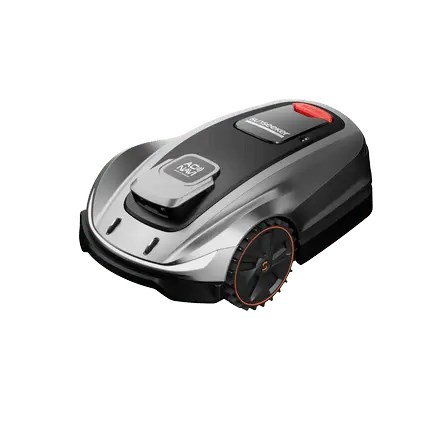
For routine maintenance after recovery, the Sunseeker Elite X5 is designed for frequent, planned mowing rather than a one-time scalp. Its mapping, scheduled operation, and floating cutting disc are more relevant once the lawn has returned to active growth and you want to keep the canopy even with lighter cuts.

Do not flood the lawn immediately after scalping. Water only when the soil is dry enough to show moisture stress, and avoid keeping the crown area constantly wet during cool spring weather. Bermuda is far more responsive once soil temperatures rise and active roots are working again.
Wait to apply nitrogen fertilizer until the Bermuda grass is mostly green and growing actively. Applying fertilizer too early can encourage soft new growth that may be damaged by a late cold spell. A soil test can help you decide whether the lawn needs fertilizer, lime, or sulfur. Clemson Cooperative Extension recommends a soil pH of about 6.0 to 6.5 for Bermuda grass. After the lawn has fully greened up, follow local lawn-care recommendations for seasonal fertilizing and watering.
Skip or soften the practice when the lawn is stressed, already green, or facing cold weather. The wrong timing can turn a cosmetic cleanup into crown injury and a longer spring recovery.
Knowing when to scalp bermuda matters more than cutting as low as possible. Aim for a dry, mostly dormant lawn close to spring green-up, reduce the height carefully, remove heavy debris, and return to normal mowing as green growth strengthens. For the rest of the season, light and frequent cuts are easier on turf than repeated aggressive reductions. Homeowners who prefer automated upkeep can also explore robot mowers with mulching blades for routine maintenance after Bermuda has fully recovered.
In much of the southern U.S., the usual window falls between late February and April, but local green-up is the better guide. Scalp shortly before steady spring growth begins, while the lawn is mostly dormant. Cooler inland and transition-zone lawns often need a later date than Gulf Coast lawns.
For a typical home lawn, cutting Bermuda to about 1 inch above the soil is a safer spring cleanup target than cutting it down to soil level. Lower mowing can suit some hybrid Bermuda maintained with reel mowers, but it requires a smooth surface and cultivar-specific management. Raise the deck if you expose crowns, soil, or roots.
Yes. Damage is more likely when you scalp after green-up, cut into crowns, mow a wet or uneven lawn, or cut away the dormant grass that helps protect the lawn before a hard freeze. A controlled low cut on mostly dormant Bermuda is less risky. If the lawn is thin or winter-injured, use a gentler cleanup and diagnose the underlying problem first.