




FAQs
8/3/2026
Contents
Products
Residential Lawns
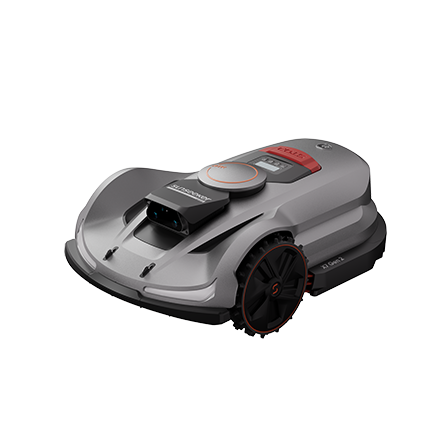

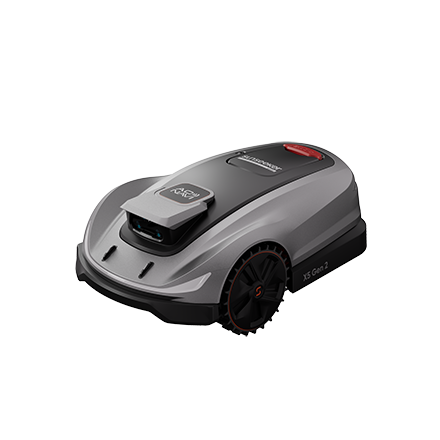

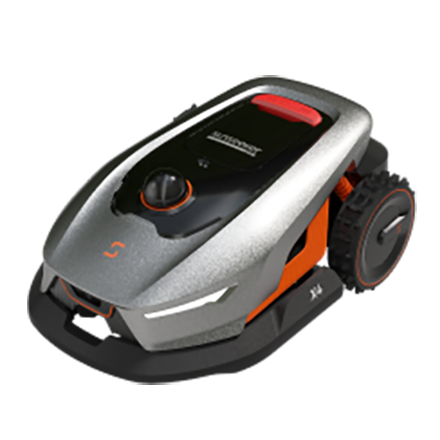
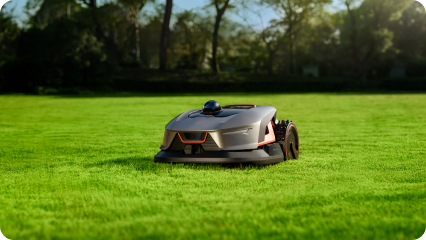


Explore
Where to Buy


A lawn is an area of managed ground covered mainly with low-growing grass or grasslike plants. It gives yards, parks, and landscapes a usable green surface for walking, play, cooling, and appearance. Healthy lawns depend on the right plant type, steady mowing, deep watering, balanced feeding, and early weed or pest checks.
A lawn is more than a patch of short grass. It is a managed outdoor surface shaped by the grass species, soil, mowing, watering, and the way the area is used. Two lawns may look equally green but respond very differently to shade, foot traffic, heat, drainage problems, or pests.
For anyone asking what is lawn, this blog explains its basic meaning, common purposes and types, and the care needed to keep it healthy. It also shows how routine maintenance affects appearance, durability, and long-term growth.
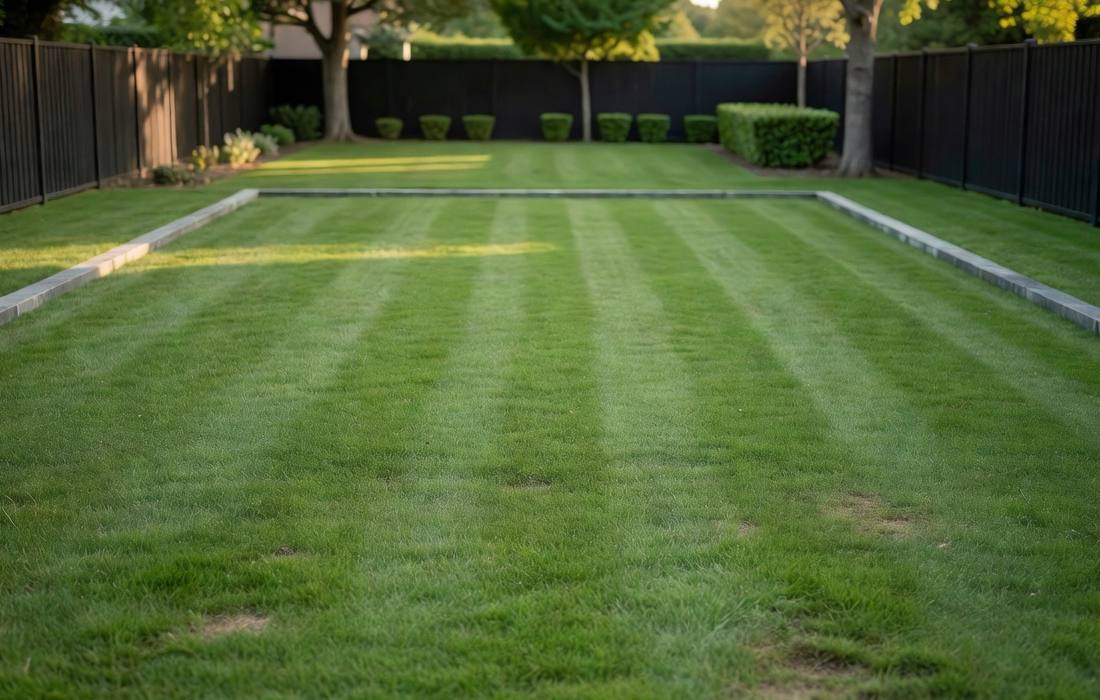
A lawn is a planned or maintained area of short vegetation, usually grass, kept at a fairly even height. It may sit around a house, in a park, beside a commercial building, along a sports field, or within a larger garden design. The defining feature is not just that plants are present. A lawn is managed so it remains usable, walkable, and visually consistent.
When people ask what is the lawn on a property, they usually mean the open green area that is mowed and cared for as part of the landscape. When they ask what is a lawn in a broader sense, the answer is a living groundcover system. It includes grass plants, roots, soil, microorganisms, moisture, sunlight, and ongoing care. If one part weakens, the surface can become thin, patchy, muddy, weedy, or difficult to use.
A lawn softens hard outdoor spaces, reduces dust, cools the area around a home, gives children and pets a place to play, and frames trees, paths, beds, and patios. In simple terms, what does lawn mean? It means a living outdoor surface that looks simple only because people manage it regularly.
Lawns became popular because they offered open space, visual order, and a sense of care around buildings. Early lawns were often linked with large estates, where open grassy areas showed that land could be kept clear for leisure rather than crops. Over time, smaller residential yards adopted the same idea on a more practical scale.
Modern lawns spread as suburbs grew, homes gained front and back yards, and push mowers made grass easier to maintain. A neatly cut lawn became a common part of home appearance, but the role of lawns kept changing. Today, many homeowners think less about creating a perfect green carpet and more about building a lawn that suits local weather, water limits, shade, soil, and family use.
The best lawn type depends on how the area will be used, how much sun it receives, and how much maintenance you can realistically provide. Most lawns fall into a few broad groups, although many real yards use a mix of grasses or groundcovers.
Quick comparison of common lawn types:
Lawn type | Best suited for | Care level | Main caution |
Grass lawns | Home yards, play areas, formal landscapes | Medium to high | Needs mowing, water, and soil support |
Turf lawns | Fast installation and erosion control | Medium | Roots need careful watering after laying |
Clover or mixed lawns | Lower-input yards and pollinator-friendly spaces | Low to medium | May not match a traditional grass-only look |
Grass lawns are the most familiar type. They are usually planted with cool-season or warm-season grasses, depending on climate. Cool-season grasses often grow strongly in mild spring and fall weather, while warm-season grasses perform better in hotter regions and active summer growth. A healthy grass lawn can handle moderate foot traffic, recover from mowing, and form a dense surface that crowds out many weeds.
The challenge is that grass lawns need matching care. A lawn cut too short may lose root strength. One watered lightly every day may grow shallow roots. A lawn fed without a soil test may become lush but weak, or it may still lack the nutrients it actually needs. Grass lawns reward steady habits more than occasional heavy treatments.
A turf lawn is usually made by laying rolls or slabs of mature grass with roots and soil attached. It gives faster coverage than seed, which helps when the yard needs a usable surface quickly. Turf can be helpful on slopes, bare soil near a new home, or areas where erosion would wash seed away before it germinates.
The first few weeks matter most. Turf needs firm soil contact, deep watering, and limited traffic while roots knit into the ground below. If the soil underneath is compacted or uneven, the turf may look good on day one but struggle later. Treat turf as a living transplant, not a finished carpet.
Clover, microclover, creeping thyme, and mixed groundcovers are often used where a traditional grass-only lawn is hard to maintain. Clover can stay green with less nitrogen fertilizer because it works with bacteria that help fix nitrogen in the soil. Some alternative lawns also tolerate lower mowing frequency and add flowers that support pollinators.
These lawns are not right for every yard. They may feel different under bare feet, attract bees when blooming, or look less uniform than turfgrass. The best approach is to match the plant mix to the space. A front lawn with strict neighborhood standards may need a more traditional appearance, while a side yard or sunny backyard may allow more flexibility.
Lawn maintenance is easier when you think in repeated small actions instead of emergency fixes. Mowing, watering, feeding, and pest control work together. If one habit is out of balance, the others often become harder.
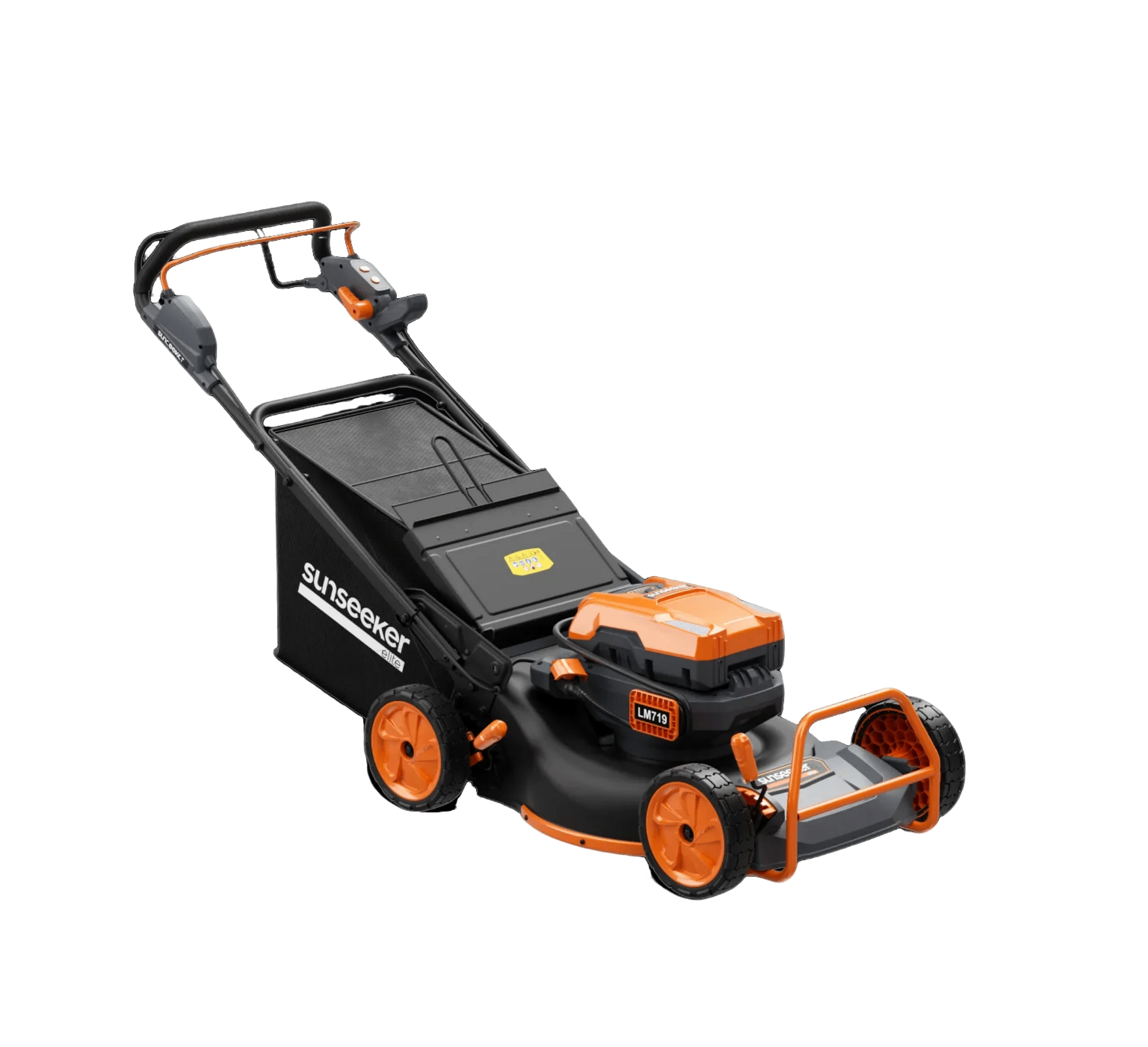
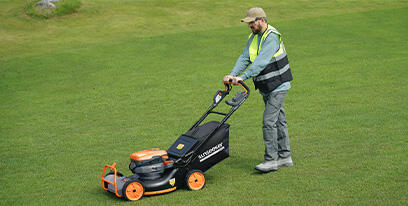
Mowing keeps the lawn at a practical height and encourages denser growth when done correctly. In this routine, what makes a good lawn mower is reliable height control and a clean cut: remove no more than one-third of the blade at a time, and keep many home lawns around 2.5-4 inches unless the grass type calls for a different range.
Keep blades sharp, because dull blades tear grass and leave pale, ragged tips. Change mowing direction sometimes so grass does not lean one way or develop compacted wheel tracks. During dry heat, raise the cut slightly and mow less often if growth slows.
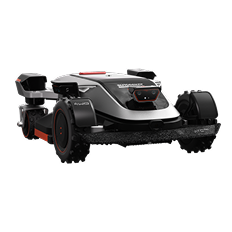
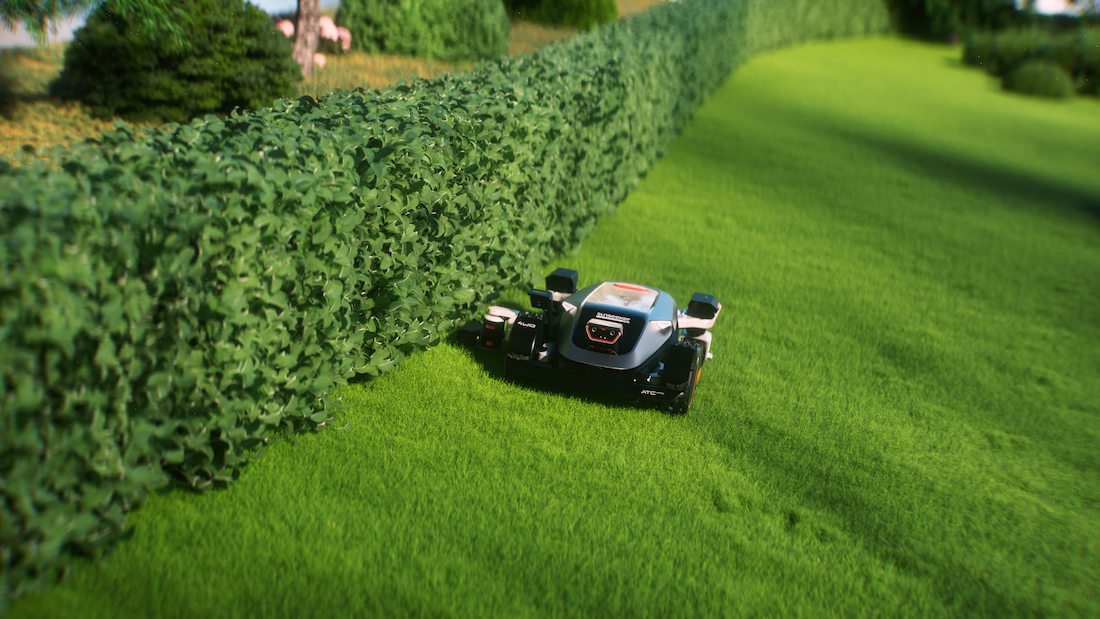
For large established lawns where regular light cutting is the goal, Sunseeker Elite X9 can help maintain a steady mowing rhythm. Its AONavi™ 2.0 navigation, 0.8-4.0 in electric cutting-height range, and 90% / 42° slope capability support planned mowing across varied terrain.
A lawn usually performs better with deep, less frequent watering than with short daily sprinkling. Many established lawns need about 1-1.5 inches of water per week, including rainfall, during active growth. Sandy soil may need smaller, more frequent sessions, while clay soil may need slower watering so moisture can soak in without runoff.
Morning watering is usually the safest window because wind is lower, evaporation is reduced, and grass blades can dry during the day. Watering late at night can leave the canopy damp for hours, which may raise disease pressure. A simple tuna-can test can show how much water your sprinkler applies in 15 or 30 minutes. Place several straight-sided cans on the lawn, run the sprinkler, and measure the depth collected.
Feeding replaces nutrients that grass uses as it grows. Nitrogen supports leaf growth and color, phosphorus supports roots when needed, and potassium helps with stress tolerance. The right fertilizer depends on soil test results, grass type, and season. Adding fertilizer without knowing the soil can waste money and create weak, fast growth.
For many lawns, slow-release nitrogen gives steadier growth than a quick heavy dose. Avoid feeding dormant, drought-stressed, or heat-stressed grass. Fertilizer works best when the lawn is actively growing and has enough moisture to use nutrients safely. Always follow the label rate. More fertilizer is not better; it can burn grass, wash away, or push too much soft growth.
Weeds and pests often show up where the lawn is already thin, stressed, or disturbed. A dense lawn is the first defense because it leaves less open soil for weed seeds to germinate. Good mowing height, steady watering, and soil improvement reduce many problems before herbicides or insect controls are needed.
Check pests before treating. Brown patches can come from grubs, fungus, pet urine, drought, poor drainage, or mowing damage. Pull on brown turf gently; if it lifts like loose carpet and you find white grubs underneath, pest treatment may be needed. If the grass stays rooted, look at water, disease, or soil issues first. Use any control product only for the pest or weed listed on the label, and keep people and pets off the area until it is safe.
A lawn is a living, managed surface, not just a patch of green plants. Once you understand what is lawn, it becomes easier to choose the right type, set realistic care habits, and solve problems before they spread. Good lawns grow through steady mowing, proper watering, balanced feeding, and early checks for weeds, pests, and soil stress. Likewise, the best lawn mower is the one that matches the lawn’s size, terrain, grass type, and target height closely enough to support those care habits.
For long-term routine maintenance, especially after the lawn is established and growing evenly, exploring Robot Mowers with Mulching Blades can help keep clippings fine, mowing regular, and the surface more consistent with less manual effort.
A lawn is the maintained green area as a whole, while turf usually refers to the grass surface itself or pre-grown sod used to create that surface. In daily speech, people often use the words together. Turf sounds more technical, especially in sports, sod installation, and professional lawn care.
Lawn care is the routine work that keeps grass or groundcover healthy, even, and usable. It includes mowing at the right height, watering deeply, feeding only when needed, improving soil, controlling weeds, checking pests, and repairing thin or bare areas before they spread across the yard.
Mow based on growth, not a fixed calendar. During active growth, many lawns need cutting every 5-10 days. In heat, drought, shade, or dormancy, mowing may slow down. Keep the one-third rule in mind: avoid removing more than one-third of the blade height in one mowing session.