



FAQs
8/1/2026
Contents
Products
Residential Lawns





Explore
Where to Buy


Lawn fertilizer can bother dogs when they lick granules, chew treated grass, inhale dust, or eat spilled product. Plain fertilizer often causes stomach upset, while products with herbicides, insecticides, iron, or meal-based ingredients can be more serious. Keep dogs off treated grass until the label allows re-entry and the lawn is dry.
You fertilize the lawn, then notice your dog walking across the treated grass—or sniffing, licking, or chewing a damp patch. It is easy to worry when the product label gives application directions but does not clearly explain what the exposure may mean for a pet.
This situation is common in homes where the lawn doubles as a dog’s everyday outdoor space. The level of concern depends on the fertilizer ingredients, how much contact occurred, whether the product was dry or watered in, and the dog’s size and behavior. This blog explains what to check immediately, which symptoms matter, how long to restrict access, and how to make future lawn treatments safer.
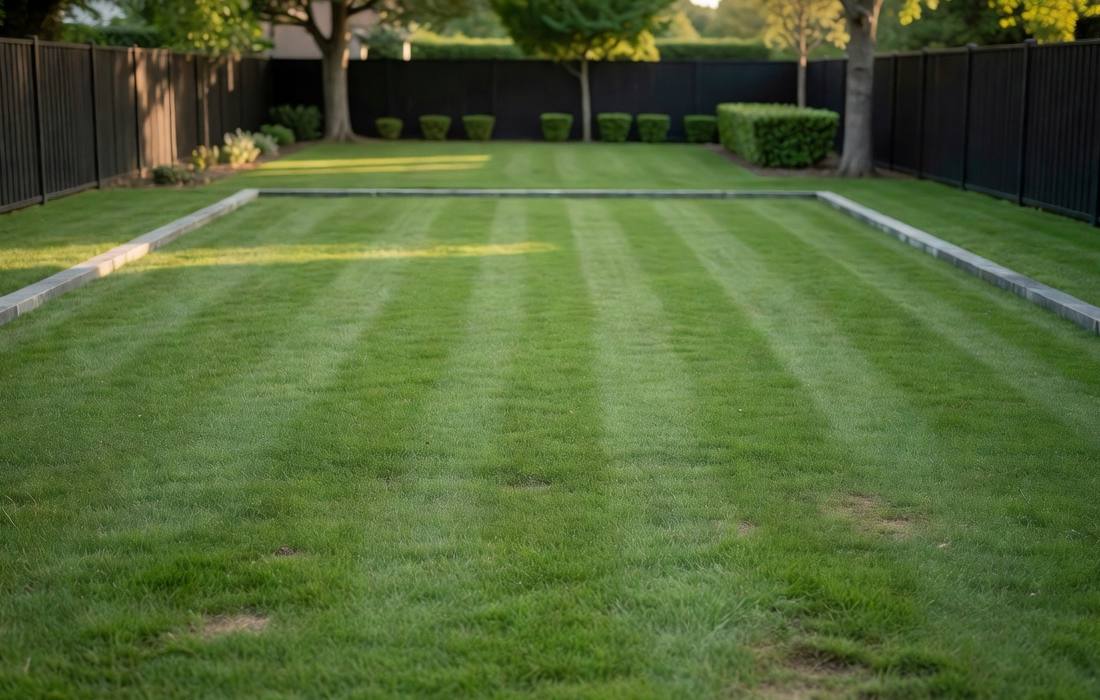
Yes, lawn fertilizer can harm dogs in some situations, especially when they eat the product directly or contact treated grass before it has settled. A dog that briefly crosses a dry, properly treated lawn faces much less risk than a dog that eats a handful of granules from an open bag. The label, product type, and exposure route matter more than the word “fertilizer” alone.
Most standard lawn fertilizers contain nitrogen, phosphorus, and potassium, often listed as three numbers on the bag. Small accidental tastes may lead to drooling, vomiting, or diarrhea. Larger ingestions can be more dangerous, especially if the product contains iron, herbicides, insecticides, fungicides, or added amendments. Dogs are also exposed through paws and fur, then lick themselves later. That is why keeping pets away during application, watering the product in as directed, and waiting until the lawn is dry are simple but important safety steps.
Not every lawn product carries the same level of concern. Before spreading anything, read the full label, not just the front of the bag. The ingredient list, application rate, re-entry language, and warning panels tell you how cautious you need to be around pets.
Synthetic fertilizers are designed to deliver nutrients in measured amounts, but the concentrated form can irritate a dog’s mouth, stomach, and intestines. Granules stuck between toes can also be licked off later. Products with high nitrogen or added iron deserve extra care because large ingestions can cause stronger symptoms. Keep the bag closed, sweep granules off patios and walkways, and water the lawn only as the label directs.
Organic does not always mean dog-safe. Bone meal, blood meal, feather meal, fish-based products, and manure-based fertilizers can smell attractive to dogs. Some dogs will dig for them or eat clumps. Meal-based products can cause stomach upset, and in larger amounts they may create a risk of pancreatitis or intestinal blockage. Store these products like any other garden chemical, not like a harmless soil topping.
Combination products need the most caution because they treat more than nutrient deficiency. Weed-and-feed products may include herbicides. Grub or insect-control fertilizers may include pesticide ingredients. These labels often have stricter directions for pets, rain, watering, and re-entry. If you have dogs, avoid treating more lawn than needed, keep toys and bowls away during application, and never let pets roll, graze, or dig in newly treated areas.
A dog may look normal after walking on fertilized grass, but symptoms can appear after licking paws, eating granules, or drinking contaminated water. Watch closely during the first several hours, and keep the product bag nearby in case you need to call a veterinarian.
Do not wait for severe symptoms if you saw your dog eat fertilizer. Call your veterinarian, an emergency animal hospital, or a pet poison hotline. Give them the product name, active ingredients, estimated amount, your dog’s weight, and the time of exposure. Those details help them decide if home monitoring is enough or if your dog needs treatment.
The safest waiting time is the one printed on the product label. If the label says pets must stay off the area until the product is watered in and dry, follow that exact direction. If the label lists a longer re-entry period, use the longer period, even if the grass looks normal.
As a practical rule, many plain granular fertilizers require watering and drying before dogs return. That may take several hours in warm, breezy weather, or closer to 24 hours when the lawn dries slowly. Liquid products often need to dry fully on the leaf surface. Weed-and-feed, insect-control, or disease-control products can require a longer wait, sometimes 24 to 72 hours or more depending on the active ingredient and label. Keep dogs out longer if granules remain visible, the lawn is damp, there is puddling, or your dog tends to eat grass. Pick up toys, water bowls, chews, and bedding before treatment so they do not collect residue.
Stay calm and separate your dog from the treated area first. Quick, simple action can lower exposure before you decide if veterinary help is needed. The response depends on contact type: walking across dry grass is different from eating granules or licking wet spray.
1. Move your dog indoors or to an untreated area. Block access to the lawn so they cannot return and lick more product.
2. Check paws, fur, mouth, and breath. Look for granules between toes, damp residue on the coat, or fertilizer stuck around the lips.
3. Wipe paws with a damp cloth, or bathe the dog with mild pet shampoo if the coat touched wet product. Rinse well and dry them before they groom themselves.
4. Remove loose product from the mouth if you can do it safely. Do not force your fingers deep into the mouth, and do not induce vomiting unless a veterinarian tells you to.
5. Save the label or take photos of the front, ingredient panel, and directions. If your dog ate any amount, call your vet or a pet poison hotline for advice.
While waiting for advice, offer fresh water unless your veterinarian says otherwise. Do not give milk, oils, salt, hydrogen peroxide, or home remedies. They can create new risks and make treatment harder.
Dog-safe lawn care is less about finding a magic product and more about planning the whole routine. Choose the least complicated product that solves the lawn problem, apply it accurately, and manage access until the lawn is ready again.
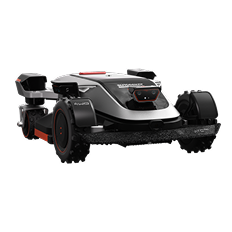
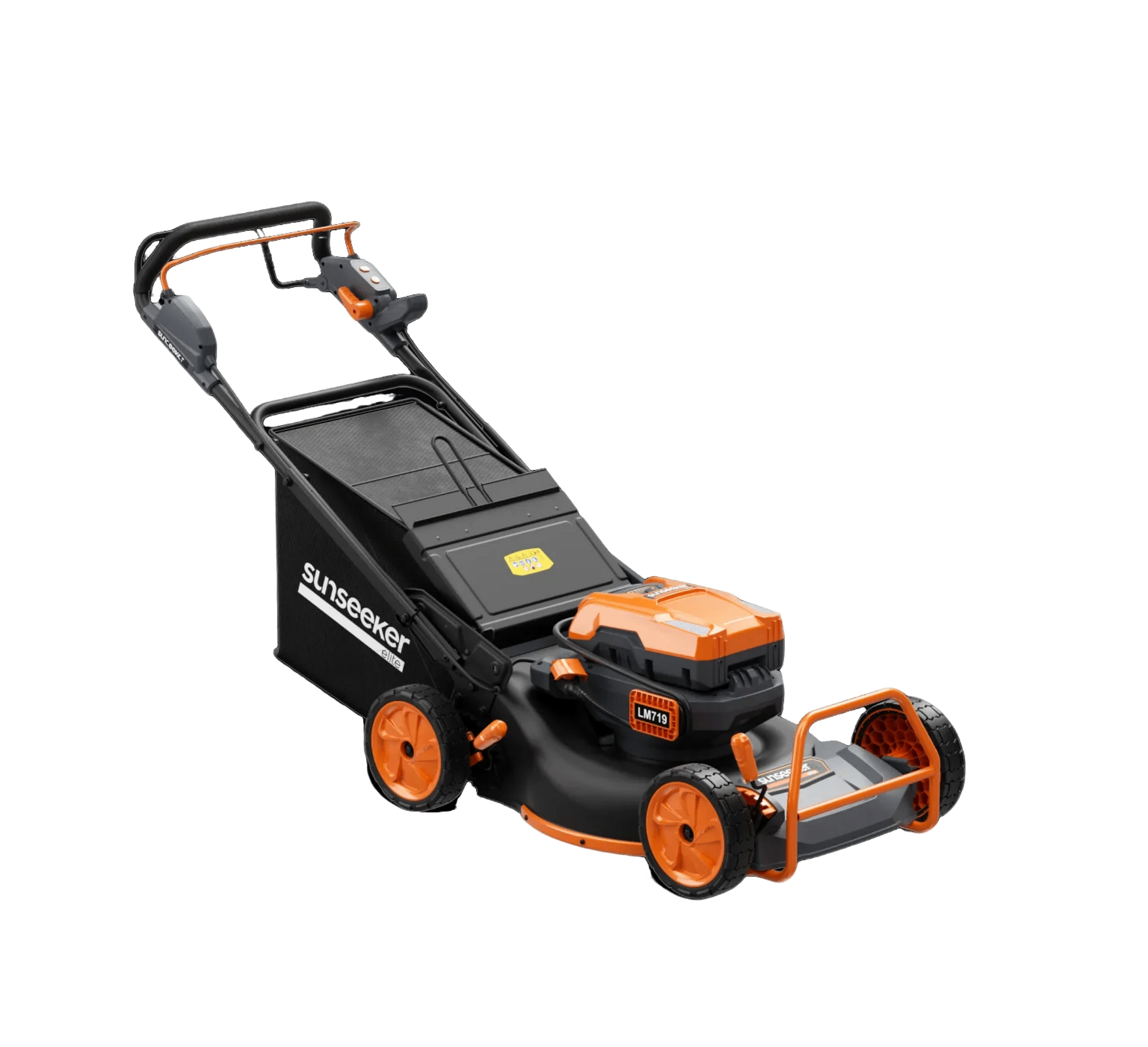
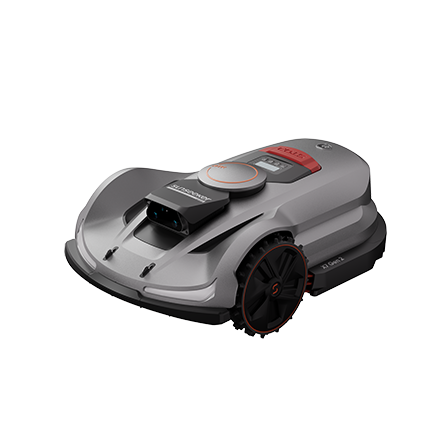
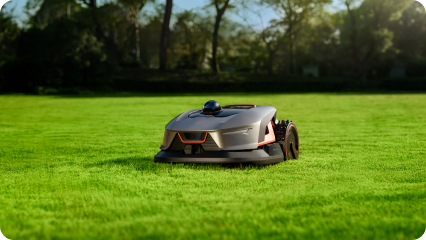
After the re-entry period has passed, regular mowing helps keep grass dense enough to recover better from normal dog traffic. Sunseeker Elite X7 Gen 2 supports established lawns with AONavi RTK + VSLAM 2.0 navigation, Vision AI 2.0, and multi-zone control, so you can schedule routine light mowing around watering, fertilizing, and pet access. It should be used only after treated areas are safe to enter, not during the fertilizer waiting period.
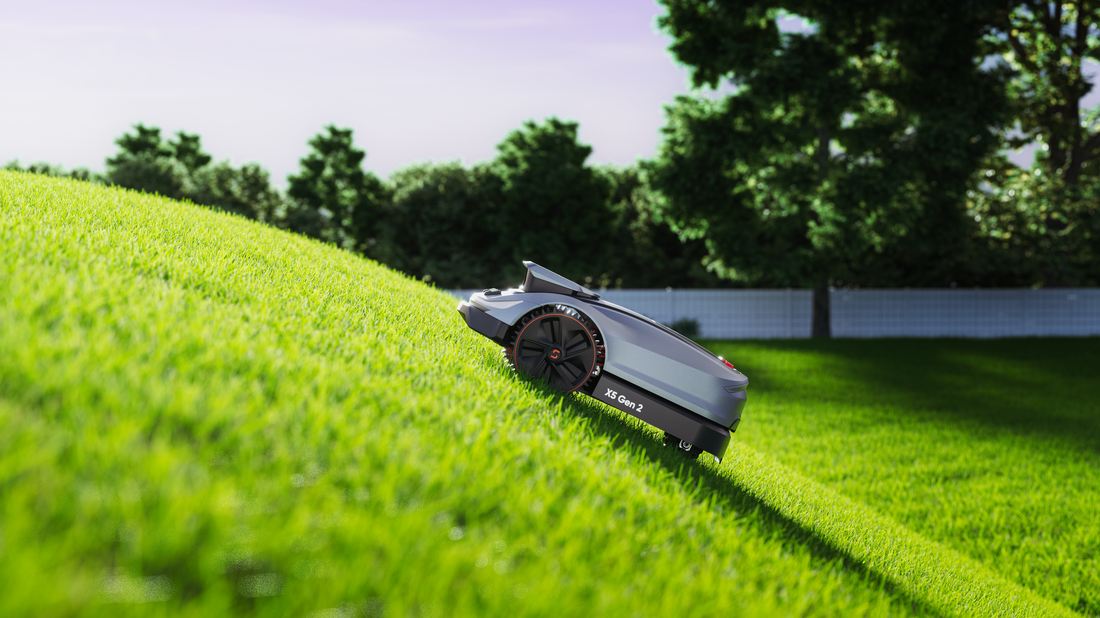
So, is lawn fertilizer bad for dogs? It can be, especially when dogs eat granules, lick wet residue, or contact products that include herbicides or insecticides. Safer lawn care starts with reading the label, applying the right amount, watering and drying the lawn as directed, and watching your dog after any exposure. Once your yard is safe again, GPS Robot Mowers can help maintain steady grass growth with less disruption to daily pet routines.
Follow the product label first. Many plain fertilizers allow pets back after the product has been watered in and the lawn is completely dry, often several hours to 24 hours. Weed-and-feed or insect-control products may require longer. Keep dogs off the lawn if granules, damp spots, or warning flags remain.
A quick walk across dry, properly treated grass may cause no problem, but paws can pick up dust or granules. Dogs may lick that residue later. Wipe or rinse paws, keep them away from treated areas, and watch for drooling, vomiting, diarrhea, skin irritation, or unusual tiredness.
Yes. Dogs can get sick if they eat fertilizer, chew the bag, drink runoff, or lick residue from paws and fur. Mild cases often involve stomach upset. Larger exposures, iron-rich products, organic meal-based products, or fertilizers mixed with pesticides can be more serious and need veterinary advice quickly.
The safest option is a simple fertilizer that matches your soil test, has clear pet re-entry directions, and contains no unnecessary weed or insect controls. “Organic” is not automatically safer, because meal-based products may attract dogs. Use the correct rate, clean spills, water as directed, and store leftovers securely.