



FAQs
8/11/2026
Contents
Products
Residential Lawns






Explore
Where to Buy


Apply lawn fungicide when disease risk is high or when early fungus symptoms are confirmed, not simply because grass looks brown. Preventive treatments work best before familiar seasonal disease appears, while active infections need correct diagnosis, label-matched products, and careful follow-up care such as mowing, watering, and airflow management.
Fungal problems can change a lawn quickly, from small yellow patches to rings, dark spots, or areas that look greasy and matted. Reaching for fungicide immediately may seem sensible, but the result depends heavily on timing, weather, and whether the disease is already active.
In this blog, you’ll learn when to apply fungicide to lawn, when preventive treatment makes sense, when active disease needs attention, and how watering, mowing, temperature, humidity, and label directions affect the best treatment window.

Lawn fungicide is a treatment used to suppress or slow fungal diseases in turfgrass. It does not repair dead grass instantly, and it will not solve problems caused by drought, compacted soil, pet urine, grubs, or fertilizer burn. Its job is to protect healthy tissue, slow disease spread, and give the lawn a better chance to recover under improved growing conditions.
Most homeowner products are designed for specific lawn diseases, such as brown patch, dollar spot, leaf spot, rust, red thread, or large patch. Some products work mainly as protectants before infection takes hold. Others can help after early symptoms appear, but curative control is usually harder and may require tighter reapplication intervals listed on the label. This is why diagnosis comes before application. A fungicide can only help when the disease listed on the label matches the pattern in your lawn.
Preventive fungicide is used before a recurring disease becomes visible. It makes the most sense when your lawn has a history of the same disease in the same season, or when weather conditions are clearly lining up for an outbreak. It is less useful as a routine product for every lawn, every month.
For many lawns, disease risk rises during warm, humid stretches with long periods of leaf wetness. Brown patch on cool-season lawns often appears during hot, humid weather, especially when nights stay warm and the grass remains damp for many hours. Large patch on warm-season grasses is more common during mild, wet spring or fall weather as growth slows. Dollar spot can show up during humid weather when nitrogen is low and leaf surfaces stay wet overnight.
A good preventive window is usually just before the disease normally appears in your yard. That may mean late spring or early summer for brown patch in tall fescue, or early fall for certain diseases in warm-season lawns. Use the product label to set the exact interval. Many labels give a range such as 14 to 28 days, but the right schedule depends on disease pressure, rainfall, irrigation, grass type, and the active ingredient.
Active disease treatment is different from prevention. Once symptoms appear, you need to confirm that the damage is likely fungal and still spreading. Brown grass alone is not enough. Drought stress, dull mower blades, shallow roots, insects, and dog urine can all create patches that look like disease at first glance.
Apply fungicide for active lawn fungus when you see a disease pattern that matches the label and the problem is recent enough for the surrounding grass to respond. Useful clues include expanding circular patches, orange or red powder on blades, greasy-looking leaf spots, tan lesions with dark borders, or patches that grow after humid nights. If the center of the patch is completely dead and dry, fungicide will not bring that grass back. You may still need to treat the edge if disease is moving outward, then reseed or repair the dead area later.
Do not delay too long when the pattern is clear. Early treatment protects more living grass and usually gives better results than waiting until large sections decline. If you are unsure, take close photos, check your local extension guidance, or send a turf sample for diagnosis before applying several products in a row.
Fungicide timing is not only about the calendar. The same product can perform very differently depending on moisture, temperature, mowing height, and the condition of the grass before treatment. Check these conditions before you decide when to apply fungicide on lawns.
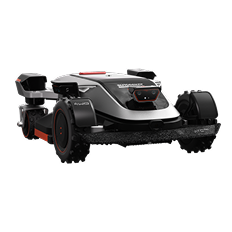
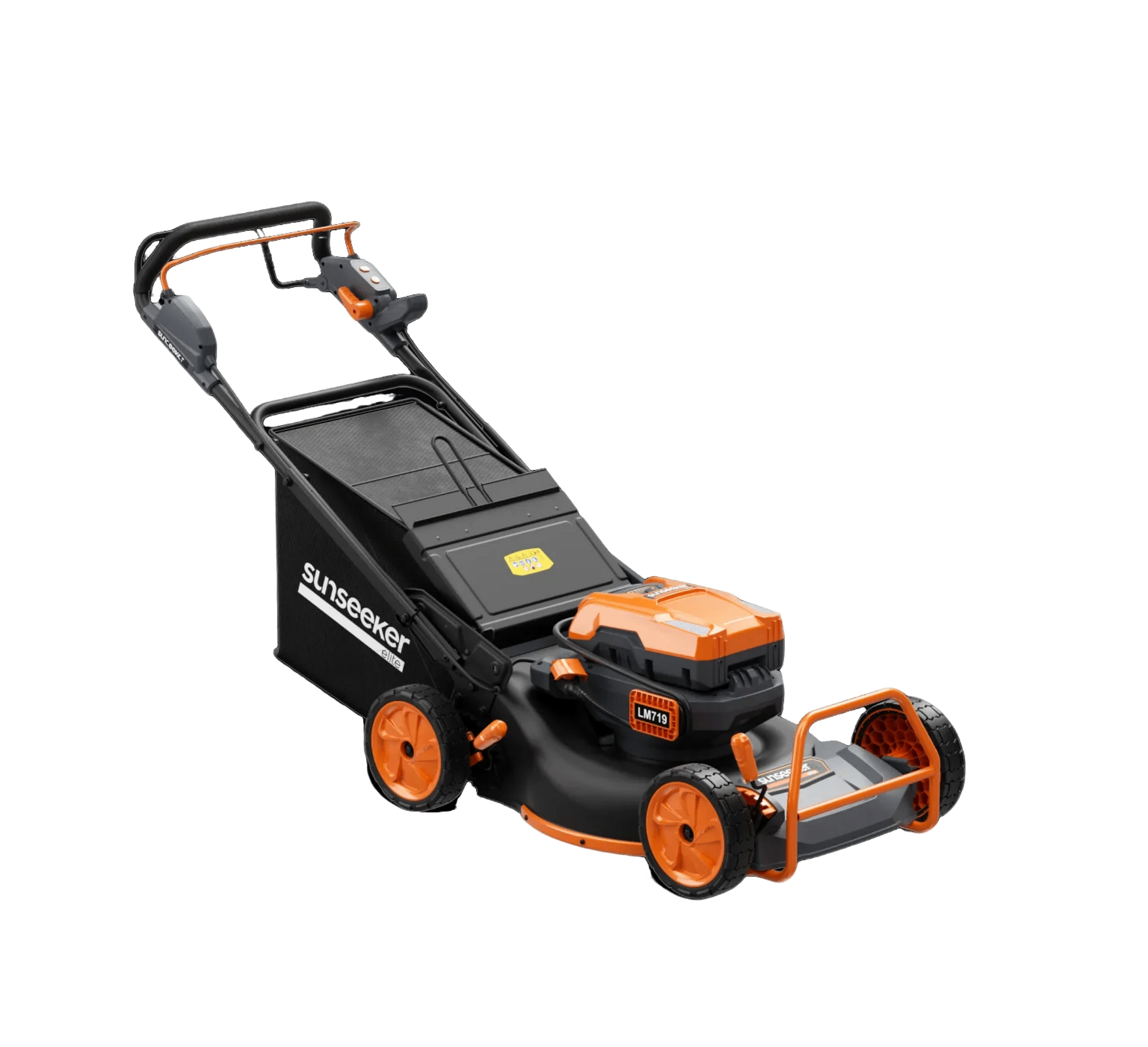
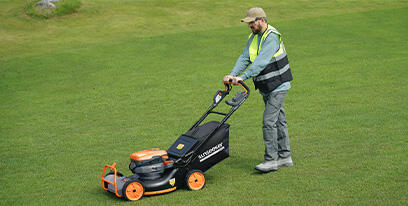
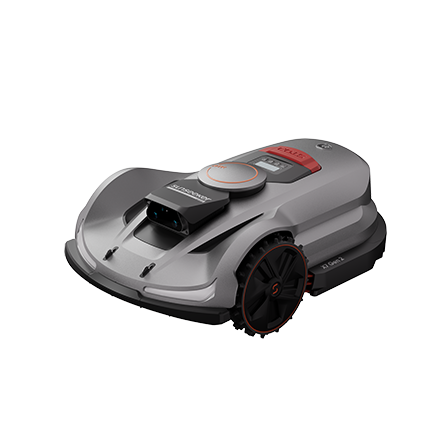
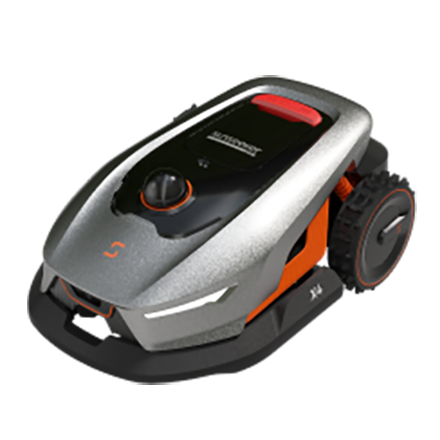
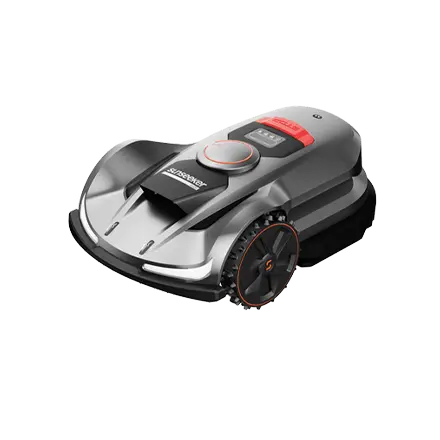
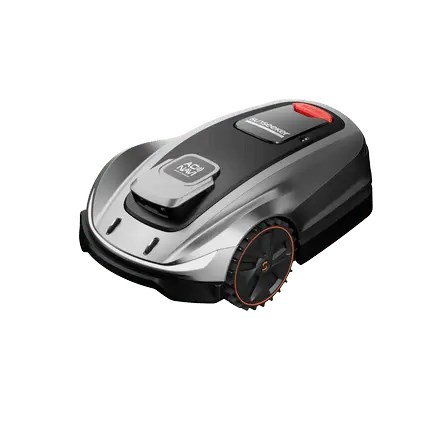
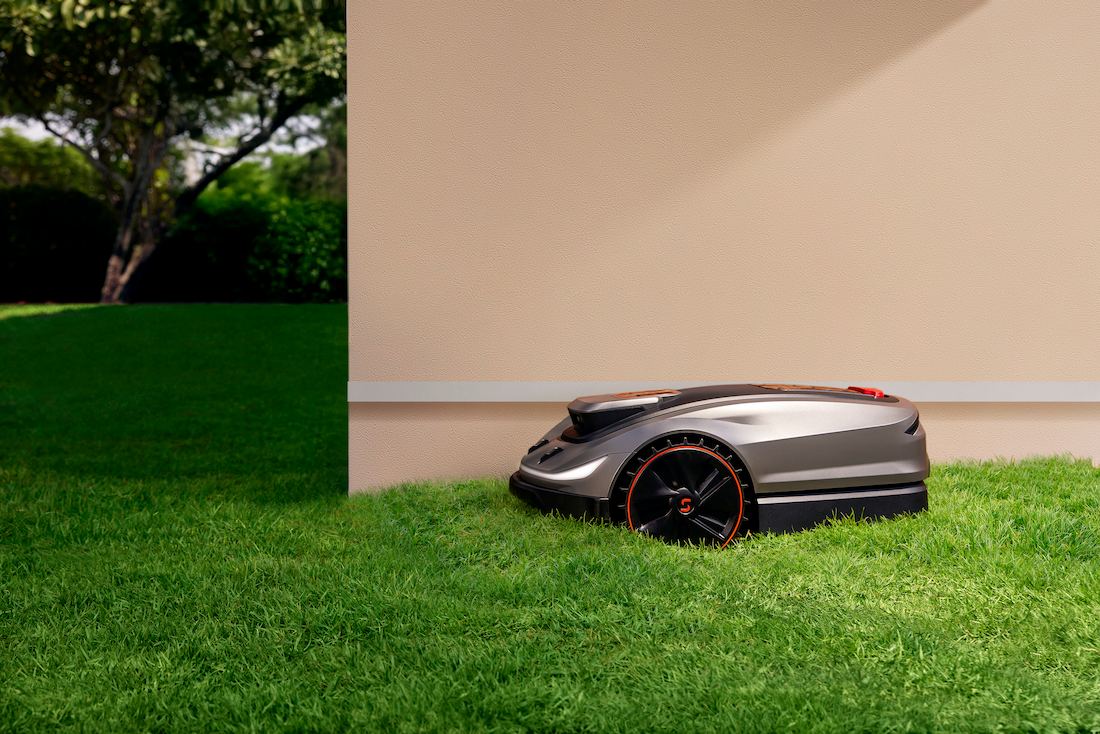
Steady mowing also supports disease management because it keeps the canopy more open and makes new symptoms easier to spot. For routine care, Sunseeker Elite X5 helps maintain established lawns with app scheduling, AONavi positioning, and all-wheel-drive traction for slopes up to 60% / 30 degrees. Used as part of a regular lawn care rhythm, consistent mowing can support better airflow and a cleaner surface before and after treatment windows.
Good timing still needs good application. Read the full label before you open the product, including the disease list, rate, watering instructions, protective gear, reentry guidance, and reapplication interval. Fungicide is a pesticide, so the label is not a suggestion. It tells you where and how the product can legally and safely be used.
Look closely at the damaged area before applying anything. Note the patch shape, size, color, speed of spread, and recent weather. Pull a few grass blades and check for spots, lesions, orange dust, web-like growth in the morning, or rotted crowns. Also inspect the soil for grubs, dry roots, or compaction. Treating the wrong problem wastes product and can delay the repair your lawn actually needs.
Use the exact rate listed for your lawn disease and grass type. Preventive and curative rates can be different, and stronger is not better. Overapplication can stress turf, create runoff risk, and increase resistance pressure. Measure the lawn area first, then calculate the product amount based on square footage. If a label lists a 1,000-square-foot rate, do not guess based on bag size or spreader setting alone.
Some granular fungicides need light watering after application so the active ingredient reaches the disease zone. Some liquid foliar products need time to dry on the leaf surface. Rain right after application may reduce performance if the label says the product must stay dry for a set period. Plan around the forecast, sprinkler schedule, and dew. Avoid spraying in strong wind or during extreme heat, and keep people and pets off the treated area for the label's required time.
If the disease pressure stays high, you may need more than one application. Do not simply repeat the same active ingredient all season unless the label allows it. Many fungicide labels include a FRAC group number, which shows the mode of action. Rotating groups helps reduce the chance of resistance and protects the long-term usefulness of the treatment. For a homeowner lawn, this can be confusing, so a local extension office or licensed lawn care professional can help when the disease returns every year.
The best time to apply fungicide to lawn is when disease risk is clear, diagnosis is likely, and the product label matches the problem. Preventive timing works before a familiar seasonal disease appears, while active treatment should start when early symptoms are spreading. Stronger results usually come from pairing fungicide with better mowing, watering, airflow, and soil care. For homeowners building a steadier routine, a robot lawn mower can help keep regular mowing easier as part of broader lawn maintenance.
It depends on the product. Some granular fungicides need light watering after application, while some liquid products need time to dry before rain or irrigation. Check the label before you apply. In general, avoid heavy rain right after treatment because runoff or dilution can reduce control and waste product.
Follow the product label interval for the disease you are treating. Many lawn fungicides list intervals around 14 to 28 days, but the correct timing changes with disease pressure, product type, and weather. Do not keep applying the same fungicide group repeatedly without checking resistance and rotation instructions.
Yes. Applying too much, spraying during heat stress, using a product not labeled for turf, or ignoring watering directions can damage grass or reduce recovery. Misuse can also increase runoff risk and pesticide resistance. Measure the lawn area, use the correct rate, follow safety guidance, and avoid treating problems that are not fungal.