




FAQs
8/26/2026
Contents
Products
Residential Lawns









Explore
Where to Buy


Wild onions are perennial bulb weeds, so cutting the leaves alone will not eliminate them. Small patches are best removed by digging out the entire bulb cluster. Larger infestations often need repeated, lawn-safe post-emergent treatment while the weeds are actively growing, followed by dense-turf maintenance that limits new plants.
Wild onions can quickly become a frustrating lawn problem because they continue growing even after regular mowing. Their tall green shoots stand out from the surrounding grass, while their underground bulbs make them difficult to remove completely. If you are wondering how to get rid of wild onions in lawn, this guide covers practical ways to identify, control, and prevent them without unnecessarily harming healthy grass.

Wild onion, commonly known as Allium canadense, is a perennial broadleaf weed that can be mistaken for grass because of its narrow green leaves. Unlike many similar plants, its leaves are usually flat and solid rather than hollow. Crushing the leaves also produces a strong onion smell. Wild onion grows from underground bulbs and small bulblets, which is why it can return even after the leaves are cut several times.
Wild onions are often easier to notice during cooler weather because their green leaves may grow faster than the surrounding grass. They can appear as small clumps or gradually spread into larger patches. Even healthy lawns may develop a few wild onions, but thin grass, bare soil, low mowing, and weak turf make it easier for them to spread.
Wild onion and wild garlic have a similar smell and can often be controlled in similar ways, but their leaves are different. Checking the shape of several mature leaves is the easiest way to tell them apart before treating the area.
Feature | Wild Onion | Wild Garlic |
Leaf shape | Flat, solid leaves | Round, hollow leaves |
Odor when crushed | Strong onion-like smell | Strong garlic or onion-like smell |
Underground growth | Bulbs with small bulblets | Bulbs with small bulblets |
Typical lawn appearance | Upright clumps that resemble coarse grass | Thin, tubular shoots that often look darker than turf |
Control approach | Dig bulbs or use a labeled selective post-emergent herbicide | Similar control; repeated treatment is often needed |
Wild onion and wild garlic are mostly different in the shape of their leaves, but both have a strong smell when crushed and are controlled in similar ways. If there is no onion or garlic smell, it may be a different weed.
Wild onions persist because the visible leaves are only a small part of the plant. Effective control must deal with underground bulbs while also protecting desirable grass around the clump.
Choose the least disruptive method that matches the size of the infestation. Digging works well for isolated clumps. A widespread patch may need a selective, post-emergent lawn herbicide that is labeled for both your turf species and wild onion or wild garlic.
For a few small clumps, digging them out by hand is a simple option. If the soil is dry, water it lightly the day before to make digging easier. Push a narrow trowel or weeding knife a few inches beside the plant and lift out the soil around the bulb cluster. Do not pull only on the leaves, because the bulbs may stay underground. Check the loose soil for any small bulblets before filling the hole with clean topsoil. Reseed the area when the timing is suitable for your grass type. If you are looking for how to remove wild onions from lawn without herbicide, this method limits chemical use but may require checking the area again for regrowth.
For a larger wild onion problem, use a liquid selective post-emergent herbicide that is labeled for both your grass type and wild onion or wild garlic. Products may contain ingredients such as 2,4-D, MCPP (mecoprop), dicamba, triclopyr, metsulfuron, or a combination of these. Do not choose a product based only on the active ingredient. Always read the full label, make sure it is safe for your lawn, follow temperature and wind limits, and avoid spraying nearby ornamental plants.
Apply the herbicide while the weeds are actively growing. In many areas, treatment is recommended in fall after new shoots appear and again in early spring, although timing can vary by climate and grass type. Use spot treatment for small patches to avoid spraying more lawn than necessary. Avoid non-selective herbicides on healthy grass unless you plan to renovate the area. If you want to know how to kill wild onions in a lawn without damaging the grass, choosing the correct selective herbicide and applying it at the right time are more important than using a stronger dose.
Note: Repeat Treatment for Regrowth
Check the lawn again after the first treatment, since one application may not remove all the wild onions. Small bulblets left underground can produce new leaves, so more than one treatment may be needed. Follow the product label for how long to wait between applications. Check treated areas again after about two to four weeks and during the next fall or spring growing period. If only a few plants return, digging them out may be easier than spraying the area again.
Long-term prevention centers on dense turf and quick removal of new clumps. Wild onions are easier to manage when you catch a few shoots early instead of waiting for bulbs to multiply across an open area.
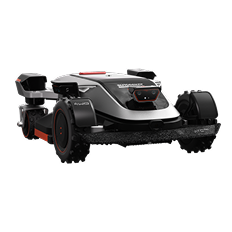
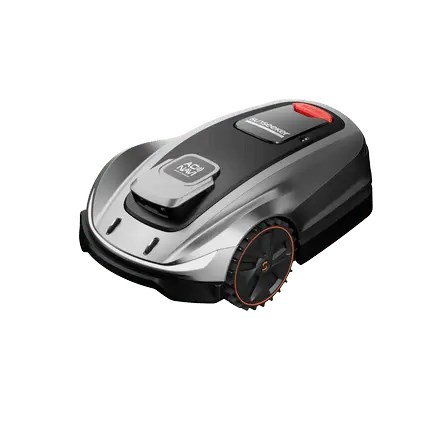
Once the onion problem is under control, consistent mowing helps the turf stay dense and reduces open space where new weeds can establish. For routine upkeep, the Sunseeker Elite X4 uses virtual boundaries and intelligent path planning to maintain a regular cutting pattern. Its role is lawn maintenance, not wild-onion eradication, so remove or treat the bulb weeds first and then use regular mowing as part of the prevention routine.

The best answer to how to get rid of wild onions in lawn is persistent control, not aggressive mowing. Dig isolated bulbs completely, use a selective labeled treatment for larger patches, and revisit the area during the next active growth period. Dense, properly maintained turf reduces the space available for wild onions and other weeds to re-establish. If you want to simplify that maintenance after the weeds are controlled, explore a Sunseeker robot lawn mower for steady grass cutting so the lawn can grow thicker and stronger after treatment.
A selective post-emergent lawn herbicide labeled for wild onion or wild garlic can control the weed without intentionally killing compatible turf. Products may contain actives such as 2,4-D, MCPP, dicamba, triclopyr, or certain sulfonylurea herbicides. Turf tolerance differs, so check the label for your exact grass species before spraying.
Pulling usually fails when the leaves break and the bulb remains underground. Digging is more reliable. Loosen a plug of soil around the clump and remove the main bulb plus small bulblets. For scattered plants, this can solve the problem with little disturbance to nearby grass, followed by patch repair if needed.
Treat wild onions while they are actively growing and have plenty of green leaves to absorb the herbicide. Fall is often the best time to begin, followed by another treatment in early spring if needed. Always follow the product label and avoid spraying when the lawn is stressed.