




FAQs
8/14/2026
Contents
Products
Residential Lawns



Explore
Where to Buy


Lawn fertilizer can lose quality, but plain dry granular fertilizer usually lasts a long time if it stays sealed and moisture-free. The biggest problems are clumping, dissolved granules, damaged labels, or expired weed-control ingredients. Check the product type, inspect it closely, and store leftovers in a dry, sealed container.
Keep labels with the product. If you are concerned about whether lawn fertilizer is bad for dogs, ke
This article explains fertilizer shelf life, signs that old fertilizer may no longer be usable, safe application tips, and proper storage methods. With these practical guidelines, you can evaluate old fertilizer confidently instead of relying on guesswork.

Lawn fertilizer does not spoil like food, but it can become weaker, harder to spread, or unsafe to use. Age matters, but product type and storage conditions matter more.
Plain mineral fertilizer is mostly made of nutrients such as nitrogen, phosphorus, and potassium. These nutrients do not vanish quickly just because the bag has been sitting on a shelf. If the product stayed dry, sealed, and protected, it may still feed the lawn. Trouble starts when granules absorb humidity, the bag tears, the label fades, or herbicide and pre-emergent ingredients lose strength.
So, can lawn fertilizer go bad? Yes, in practical terms. It may not become rotten, but it can become unreliable. A lumpy bag may spread unevenly and leave streaks. A liquid product may separate or smell odd. A weed-and-feed product may feed grass while the weed-control part performs poorly. Old fertilizer should always be judged by condition, not age alone.
Shelf life changes with the formula. A simple dry fertilizer is usually more stable than a liquid product or a fertilizer mixed with weed killer. Check the label first, then use the guidelines below.
Granular lawn fertilizer usually has the longest useful life. If it has been kept dry in a sealed bag or airtight container, it may stay usable for several years. Many homeowners prefer using opened bags within one to three seasons because the granules remain easier to spread and the label stays clear. The nutrients can still be present after that, but moisture can turn the product into hard chunks that create uneven lawn color.
If an old bag is dry, loose, and smells normal, it is often still usable. Break up only small, soft clumps. If the fertilizer has hardened into a solid block or shows signs of water damage, it is better to replace it.
Liquid lawn fertilizer is more sensitive. A sealed container stored in a cool place may last several years, but heat, freezing, sunlight, and poor sealing can reduce quality. Before using it, shake the container gently and inspect the liquid. It should mix smoothly. Thick sludge, crystals, gas pressure, leaks, or a sour chemical odor are signs to avoid using it.
Do not guess with liquids that have lost their label. The label tells you dilution rate, safety steps, and grass-use instructions. Without that information, the risk of applying too much is higher than the value of saving the leftover product.
Weed-and-feed products need extra caution because they combine fertilizer with herbicide. The fertilizer portion may still contain nutrients, but the weed-control ingredient can lose strength sooner, especially in heat or humidity. Some products also need to stick to weed leaves to work well, so caked or damp granules may perform poorly. For these products, follow the printed expiration date or storage guidance whenever it is available.
If the bag has been open for years, the granules are dusty or damp, or the herbicide label is no longer readable, do not use it. A fresh product is safer and more predictable, especially around trees, flower beds, pets, and children.
Old fertilizer should look, smell, and handle like the product described on the label. If it has changed shape, absorbed water, or lost instructions, it becomes much harder to apply at the correct rate.
Small soft clumps are common in opened granular fertilizer. You can usually break them apart and still use the product if the rest of the bag is dry. Hard clumps are different. If the granules have fused like cement, moisture has entered the bag. That does not always mean every nutrient is gone, but it does mean the product may not spread evenly. Uneven fertilizer is one of the fastest ways to create stripes, yellow patches, or fertilizer burn.
Moisture damage often shows up as wet granules, a melted area inside the bag, rust-colored staining on the package, or a damp smell. Fertilizer salts pull moisture from the air, so even a small opening in a humid garage can cause trouble. If the bag was stored on a concrete floor, under a leak, or in an outdoor shed, inspect it carefully before use. Wet fertilizer should not go into a spreader because it can clog the opening and drop too much in one place.
A strong, strange odor, separated liquid, swollen container, or damaged label is a warning sign. Fertilizer products vary widely, so the label is part of the product’s safety system. It tells you the N-P-K ratio, spreader setting, watering instructions, and limits around driveways, waterways, pets, and children. If you cannot read the label or identify the product, do not apply it to the lawn. Dispose of it according to local rules instead.
Old fertilizer can be safe to use when it is dry, clearly labeled, and still close to its original texture. The safest approach is to test the product in a small way before applying it across the whole lawn.
For dry granular fertilizer, pour a small amount into a bucket and look for loose, even granules. If it pours normally and the label is readable, set the spreader to the correct rate and avoid overlapping passes. Water it in if the label calls for irrigation. For liquid fertilizer, mix only a small amount according to the label and spray a limited test area. Wait several days and watch for leaf burn, discoloration, or poor response before treating a larger area.
Do not use old fertilizer as a “little extra” to compensate for age. More product does not fix weak fertilizer. It increases the chance of burning grass, pushing soft growth, or washing nutrients into storm drains. If the product looks questionable, replace it. If replacement is necessary, choose the best lawn fertilizer for your grass type and soil needs rather than simply buying the same formula again.
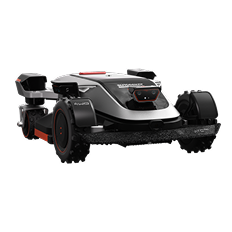
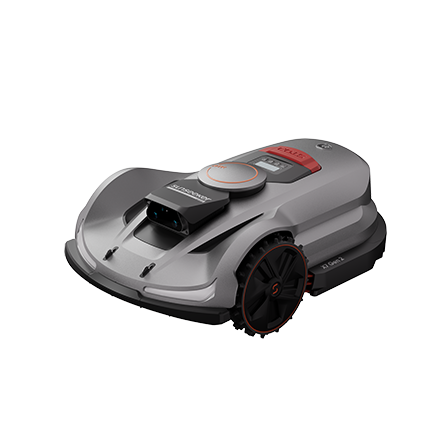
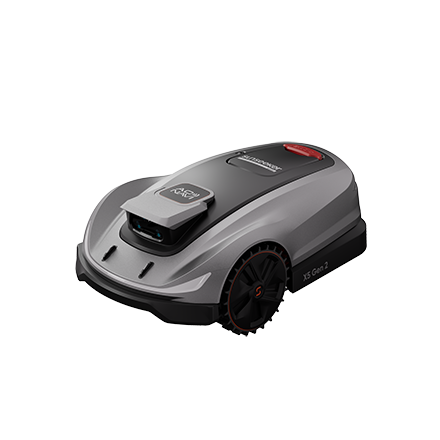
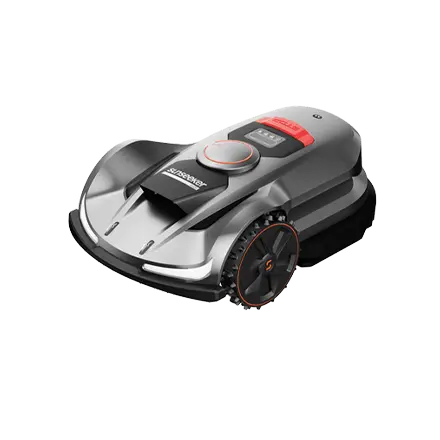
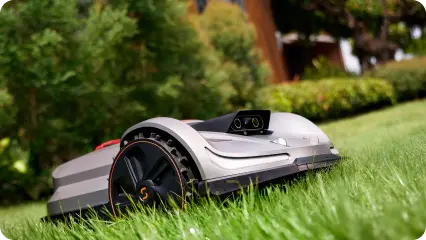
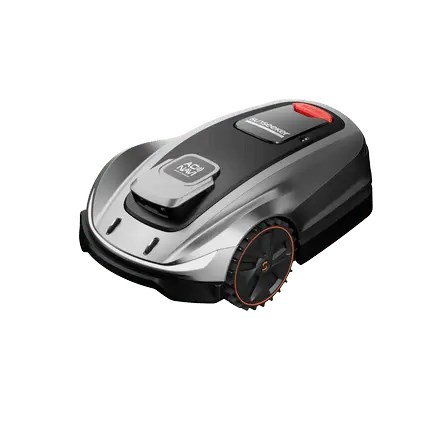
After feeding, consistent mowing helps you read the lawn’s response more clearly because new growth stays even. For larger yards, Sunseeker Elite X7 Gen 2 supports regular lawn care with AONavi RTK and VSLAM 2.0 navigation, Smart App control, and electronic cutting-height adjustment from 0.8 to 4.0 inches. That kind of steady routine can help the lawn settle into a more balanced growth pattern after seasonal feeding.
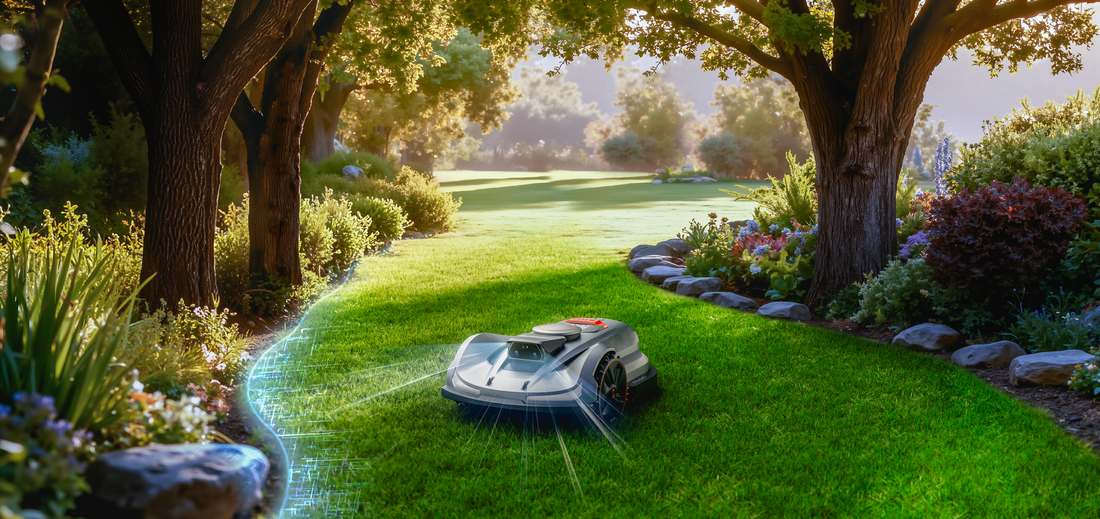
Good storage protects fertilizer more than anything else. Keep it dry, sealed, labeled, and away from temperature swings that damage bags or containers.
Use these habits after each application, so leftovers are easier to spread next season:
Winter storage needs the same dry, sealed approach. Before cold weather, check that bags are not sitting near snowmelt, damp tools, or an unsealed garage door. If you live in a humid area, a plastic bin with a tight lid is especially helpful.
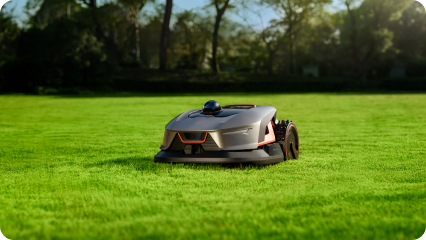
So, does lawn fertilizer go bad? It can, especially when moisture, heat, damaged packaging, or weed-control ingredients are involved. Plain dry fertilizer often lasts a long time, but old products still need a careful inspection before use. Keep fertilizer sealed, dry, labeled, and off the floor, and apply it only at the correct rate. Healthy feeding also works better with steady mowing, and options such as Robot Mowers with Mulching Blades can support a cleaner, more consistent lawn care routine after nutrients start new growth.
Plain granular fertilizer usually does not expire quickly if it stays dry and sealed. The nutrients can remain usable for years, but moisture can cause caking, hard clumps, and poor spreader flow. If the bag is dry, loose, and labeled, it may still be usable. If it is wet or rock-hard, replace it.
Old fertilizer can burn grass if it has clumped, absorbed moisture, or is applied at the wrong rate. Hard chunks can drop too much product in one spot. Weed-and-feed products can also become unreliable with age. Use only fertilizer that spreads evenly and still has readable instructions. Water it in when the label requires it.
Store lawn fertilizer in a dry, protected place through winter. Seal the bag tightly, place it inside a lidded plastic bin, and keep it off concrete floors. Keep liquid fertilizer upright and away from freezing temperatures if the label warns against freezing. Save the original label so the product is easy to identify in spring.