










FAQs
8/3/2026
Contents
Products
Residential Lawns









Explore
Where to Buy


Most lawns need mowing every 5 to 10 days while grass is actively growing, but the right rhythm depends on grass type, rainfall, temperature, mowing height, and stress. Use the one-third rule as your main guide: cut before grass gets too tall, and never remove more than one-third of the blade at once.
A lawn can grow fast after rain or feeding, then barely change during hot or dry weather. Mowing every week without checking the grass can lead to rough cuts, wheel marks, or extra stress when the lawn is already struggling.
In this blog, you’ll learn how often should you cut your lawn, how grass type and season affect the schedule, and how to judge mowing time by actual growth. You’ll also see when waiting a few extra days is better for the lawn than cutting simply because it is the weekend.
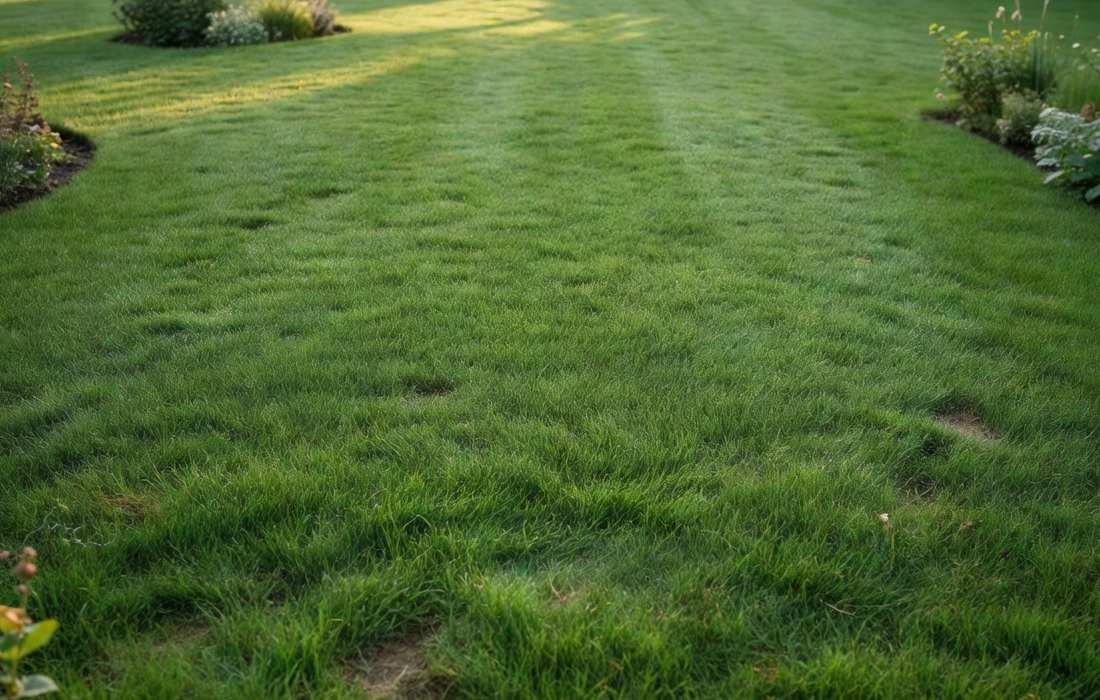
For most established lawns, the practical answer is every 5 to 10 days during active growth. Fast-growing grass may need mowing every 4 to 6 days after rain, fertilizer, or mild spring weather. Slower-growing lawns may only need mowing every 10 to 14 days during heat, drought, or late-season slowdown.
The better question is not only how often cut lawn, but how much grass you remove each time. A lawn cut at 3 inches should usually be mowed before it reaches about 4.5 inches. A lawn maintained at 2.5 inches should be cut near 3.75 inches. This keeps the plant from losing too much leaf surface in one pass.
A weekly schedule is fine when grass grows steadily, but it should stay flexible. If the blades have grown less than about half an inch, wait. If the lawn is suddenly tall and starting to lean, mow sooner, then raise the deck slightly if needed. For new grass, delay the first mow until seedlings are about one-third taller than the target height, often near 3 to 4 inches depending on grass type.
Mowing frequency changes because grass does not grow at one speed all year. A healthy schedule responds to the lawn’s condition, not only the date on the calendar.
Check the following factors before deciding how often should i cut my lawn in a given week:
The one-third rule is the simplest way to decide when to mow. It means you should remove no more than one-third of the grass blade in a single cut. This keeps enough leaf surface for photosynthesis and helps the grass recover without a shock response.
For example, if you want a 3-inch lawn, mow before the grass passes 4.5 inches. If your target is 2 inches, cut before the grass reaches 3 inches. If the lawn has grown far past that point, do not scalp it back all at once. Raise the mower deck, cut lightly, wait 2 or 3 days if the grass is actively growing, then lower the deck a little for the next pass.
This rule also answers how often should i cut the lawn better than a fixed number. A fast-growing lawn may reach the one-third limit twice in 10 days. A drought-stressed lawn may not reach it for two weeks. Measure a few blades in different areas before mowing, especially along sunny edges, shaded corners, and low spots where moisture lingers.
Seasonal growth patterns give you a helpful starting point, but local weather should still guide the final decision. The goal is to mow often enough to keep the lawn even without cutting stressed grass too short.
In spring, many lawns grow quickly because temperatures are mild and soil moisture is usually higher. Cool-season lawns may need mowing every 4 to 7 days once growth begins. Start with a sharp blade and avoid removing winter-browned tips too aggressively. If the lawn is wet, wait until the surface dries enough that your shoes do not leave soft impressions.
In summer, mowing frequency depends heavily on heat and irrigation. A watered lawn may still need cutting every 6 to 10 days, while a dry lawn may need a much longer break. Raise the mowing height by about half an inch during hot periods, especially for cool-season grasses. Taller blades shade the soil and support deeper roots.
Large lawns can be hard to keep on a steady light-trim schedule when summer growth is uneven. In that setting, Sunseeker Elite X9 can help maintain an established lawn with planned routine mowing rather than heavy, occasional cuts. Its X9 Series specifications include coverage for large areas, electric cutting-height adjustment from 0.8 to 4.0 inches, and automatic path planning, which can support more consistent trimming when the lawn is already in mowable condition.

Fall often brings another growth push for cool-season lawns, then a gradual slowdown as temperatures drop. Mow every 6 to 10 days while growth is active. As the season ends, keep cutting until the grass stops growing. The last mow should not scalp the lawn; for many cool-season lawns, a final height around 2.5 to 3 inches works well before winter.
During dormancy or drought, grass may turn tan or stop growing. In that condition, mowing is usually unnecessary and may cause more stress. Stay off the lawn when footprints remain visible, when blades feel brittle, or when the soil is hard and dry. Resume mowing only after rain or irrigation brings visible new growth.
Both extremes can weaken the lawn. Cutting too often is not a problem when you remove only a tiny amount, but frequent low mowing can thin the grass, expose soil, and create a better opening for weeds. It can also leave a lawn looking gray or rough if blades are dull or the grass is dry.
Waiting too long creates a different problem. Tall grass folds over, traps moisture near the crown, and can clump when cut. If you suddenly remove several inches, the lawn may look yellow because the lower parts of the blades were shaded. Heavy clippings can also smother new growth if they sit in thick mats.
A practical recovery plan is to raise the deck for the first cut, mow when the grass is dry, and bag or rake heavy clumps. Then return to your target height over two or three mowings. Do not rush a neglected lawn back to a low height in one afternoon. The slower approach protects the crown and gives the plant time to adjust.
The best mowing schedule follows grass growth, not a rigid calendar. Most lawns need mowing every 5 to 10 days in active growth, with faster cuts in spring and lighter schedules during heat or drought. Use the one-third rule, keep mower blades sharp, and adjust height by season. For large established lawns, robotic lawn mower for large lawns options can help support consistent maintenance while you still monitor weather, growth, and lawn health.
Weekly mowing is usually better during active growth because it helps you follow the one-third rule. Biweekly mowing can work during slow growth, heat, or dry weather. Check blade height first: if grass has grown more than one-third above your target height, mow sooner or cut in stages.
Do not mow when the lawn is wet, frozen, drought-stressed, newly seeded, or recovering from damage. Avoid mowing during extreme midday heat, especially above about 85°F to 90°F. Wait when footprints remain in the grass or when cutting would remove more than one-third of blade height.
Cutting more often does not automatically make grass grow faster. It can encourage denser growth when mowing height is right and the lawn is healthy. Cutting too short has the opposite effect because it reduces leaf surface, weakens roots, and makes the grass less able to handle heat or drought.
If new grass gets too tall before the first mow, seedlings can lean, mat, and shade each other. Wait until the lawn is dry and rooted, then use a sharp blade and remove only the top third. If needed, mow again a few days later to reach the planned height safely.