





FAQs
8/3/2026
Contents
Products
Residential Lawns









Explore
Where to Buy


White clover usually appears where grass is thin, nitrogen is low, soil is compacted, or mowing is too short. Small patches can be pulled by hand if the crown and roots come out. Larger areas need careful broadleaf control, followed by overseeding, feeding, and higher mowing to help turf close the gaps.
White clover can spread before you fully notice it. A few round leaves may appear near the driveway, followed by small white flowers and low patches that move through thin grass. The lawn may still look green, but clover gradually changes its texture and begins taking over weak areas.
In this blog, you’ll learn why white clover grows in lawns, how to remove it, and how to help the grass grow thicker afterward. Better soil, mowing, and feeding habits can also reduce the chance of clover returning.
Before choosing a treatment, it helps to identify the plant correctly. White clover can look harmless at first, but its growth habit explains why it keeps coming back after a quick mow.
White clover is a low-growing perennial broadleaf plant with three rounded leaflets, creeping stems, and small white or pinkish-white flower heads. It spreads through stolons, so one patch can expand sideways and root at new points. Because it fixes nitrogen, it often stays green in underfed lawns. In a mixed, low-input lawn, some clover may be acceptable. In a uniform grass lawn, it competes for space, changes the texture, attracts bees when flowering, and spreads into bare patches.
White clover is rarely the whole problem on its own. It is usually a sign that the grass has become thin, stressed, or less competitive than it should be.
Use these clues before you decide how to remove white clover from lawn areas, because the right fix depends on the reason it appeared.
A good removal plan starts with patch size. A few small clusters need a different approach than clover spread across a whole side yard.
Work when the grass is actively growing and the soil is slightly moist, not muddy. Avoid harsh treatment during drought, heat stress, or dormancy, because damaged turf leaves even more space for clover to return.
Hand-pulling works best for young clover patches smaller than about 6 to 8 inches across. Water the area lightly the day before, then loosen the soil with a hand weeder, fork, or narrow trowel. Grip the plant near the crown and lift slowly so the crown and attached roots come out together. If pieces break off, check the soil again and remove remaining rooted nodes. Press loose soil back into place and scatter matching grass seed if the area is open. This is often the cleanest answer for homeowners asking how to get rid of white clover in my lawn without treating the entire yard.
Organic spot treatments can weaken clover, but many are non-selective. Vinegar, strong soaps, or salt-based mixtures may brown leaves, yet they can also burn grass or leave a patch that needs reseeding. If you try a ready-made organic herbicide, choose one labeled for lawn use and test a small area first. Apply only to clover leaves on a calm, dry day. Home mixtures may answer the short-term question, “how do i kill white clover in my lawn,” but they often do not solve the turf-density problem behind the weed.
For larger patches, a selective broadleaf herbicide labeled for clover in turf may be more reliable than repeated pulling. Look for a product compatible with your grass type, such as tall fescue, Kentucky bluegrass, perennial ryegrass, Bermuda, zoysia, or St. Augustine. Read the label for temperature limits, rain timing, reseeding intervals, and pet or child re-entry instructions. Many broadleaf controls work best when weeds are actively growing and daytime temperatures are mild, often between about 60 and 85°F. Avoid spraying before heavy rain, during drought stress, or in wind. One application may not fully remove mature clover, so follow the label rather than increasing the dose.
Clover removal leaves space behind. If you do not refill that space with grass, the same weed, crabgrass, or other broadleaf weeds may move in. Rake out dead clover, loosen the top quarter inch of soil, add a thin layer of compost if the soil is poor, then overseed with a grass mix that matches your existing lawn and climate. Keep the seedbed evenly moist until germination, then reduce watering gradually as roots deepen. Feed according to soil-test results or a lawn fertilizer label, not guesswork. A dense stand of grass is the long-term treatment that makes future white clover control easier.
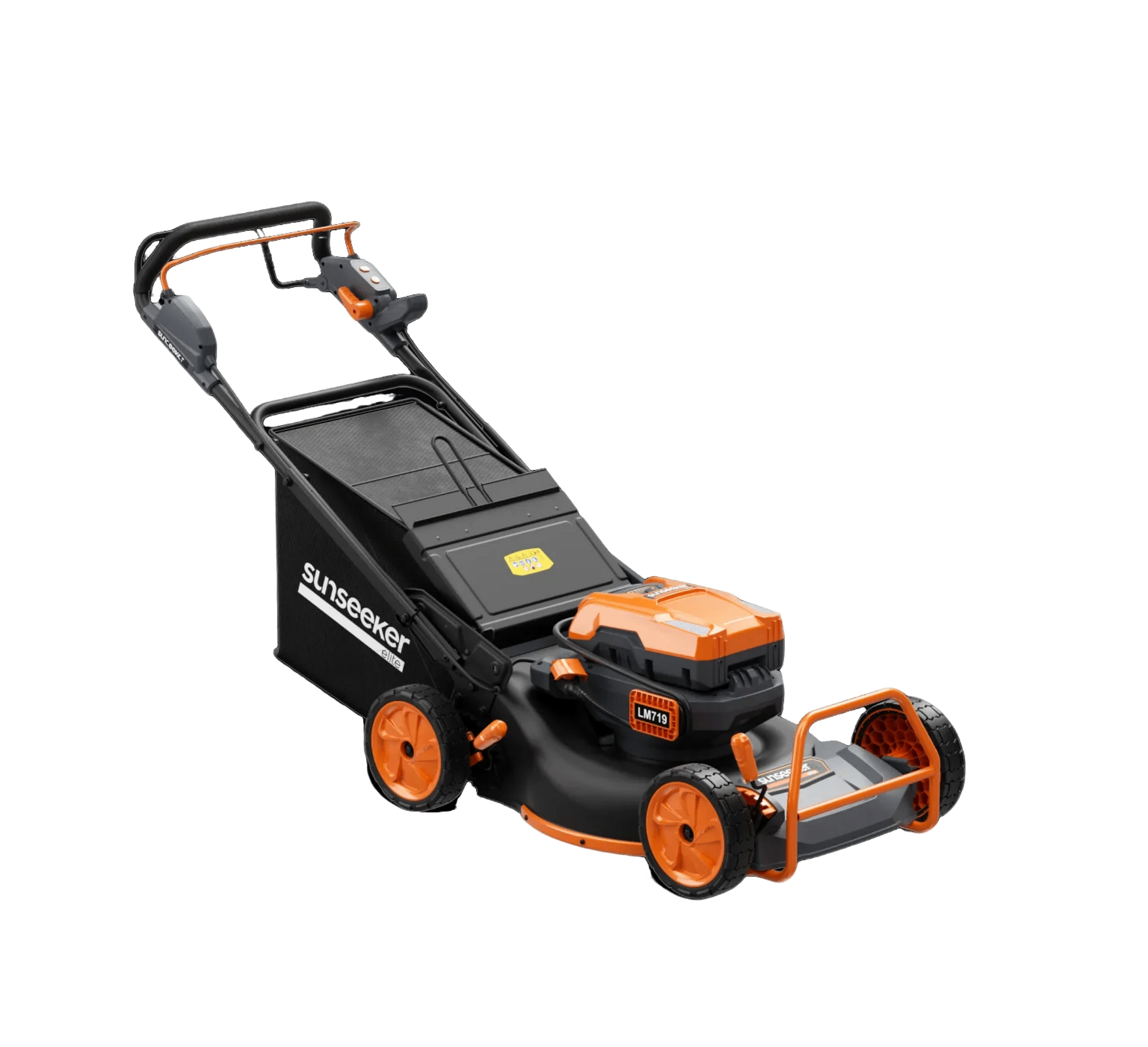
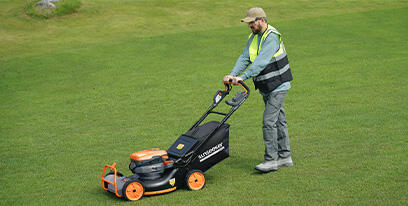
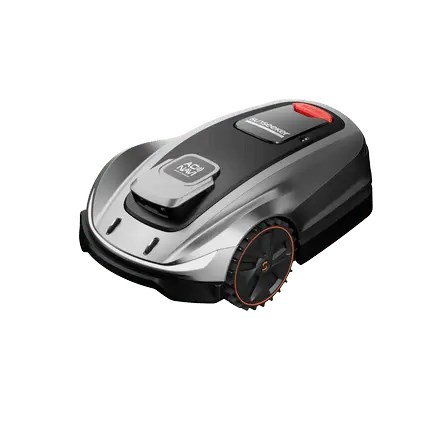
After the lawn has recovered and growth is even, consistent mowing helps keep the turf canopy closed. On larger established lawns, Sunseeker Elite X9 can support that routine through frequent light cuts, which helps avoid sudden scalping and keeps grass height steadier across wide areas.

White clover is not automatically a disaster. The right decision depends on how you use the lawn, how uniform you want it to look, and how much maintenance you want to do.
Keeping some clover can be reasonable in a low-input lawn. It stays green in poor soil, supports pollinators when it flowers, and may reduce nitrogen fertilizer needs. Removal makes more sense if you want a uniform grass lawn, have children or pets using areas where bees gather, manage a formal front yard, or need to protect newly seeded turf. A mixed lawn can be practical, but unmanaged clover can still become dominant. If you keep it, mow before heavy flowering. If you remove it, strengthen turf at the same time.
Prevention works only when it changes the conditions that favored clover in the first place. Think of it as turf rebuilding, not a one-time weed treatment. The goal is simple: grow grass dense enough that clover seedlings and creeping stems struggle to find light, space, and weak soil openings.
Learning how to get rid of white clover in lawn areas is only half the job. Pull small patches carefully, use selective control only when needed, and repair thin turf right away. Strong mowing, proper feeding, deep watering, and timely overseeding help grass reclaim the space. For larger properties where routine mowing consistency is part of the plan, exploring a robotic lawn mower for large lawns can also help maintain a steadier grass canopy after the lawn is back in shape.
The best product is usually a selective broadleaf herbicide labeled for clover and safe for your specific grass type. Check the label for turf compatibility, temperature limits, rain timing, and reseeding intervals. For small patches, hand-pulling may be better than spraying because it removes the plant with less risk to nearby grass.
Dish soap can damage clover leaves, but it can also injure grass and does not reliably kill the clover crown or creeping stems. It is not a dependable lawn-safe treatment. For a cleaner result, pull small patches or use a labeled clover control product that matches your lawn grass.
Treat clover when it is actively growing and the lawn is not stressed. Spring and fall are often better for cool-season lawns, while warm-season lawns respond best during active growth. Avoid herbicide use during heat, drought, dormancy, or right before heavy rain, and follow the label for local timing.