




FAQs
10/23/2026
Contents
Products
Residential Lawns




Explore
Where to Buy


Spread mature, screened compost in a thin layer that leaves the grass blades visible. For established turf, about 1/8 to 1/4 inch is a practical topdressing range. Measure the lawn first, distribute small piles evenly, brush compost into the canopy, and water lightly so it settles without forming a heavy mat.
A lawn can benefit from compost, but too much in one pass can turn a useful topdressing into a thick blanket. Buried grass gets less light and air, while wet clumps can hold the blades flat against the soil.
The goal is simple: get fine compost around the crowns and into the soil surface while the leaf tips stay exposed. This guide shows how to spread compost on a lawn, calculate how much to order, apply it evenly, and care for the grass afterward.
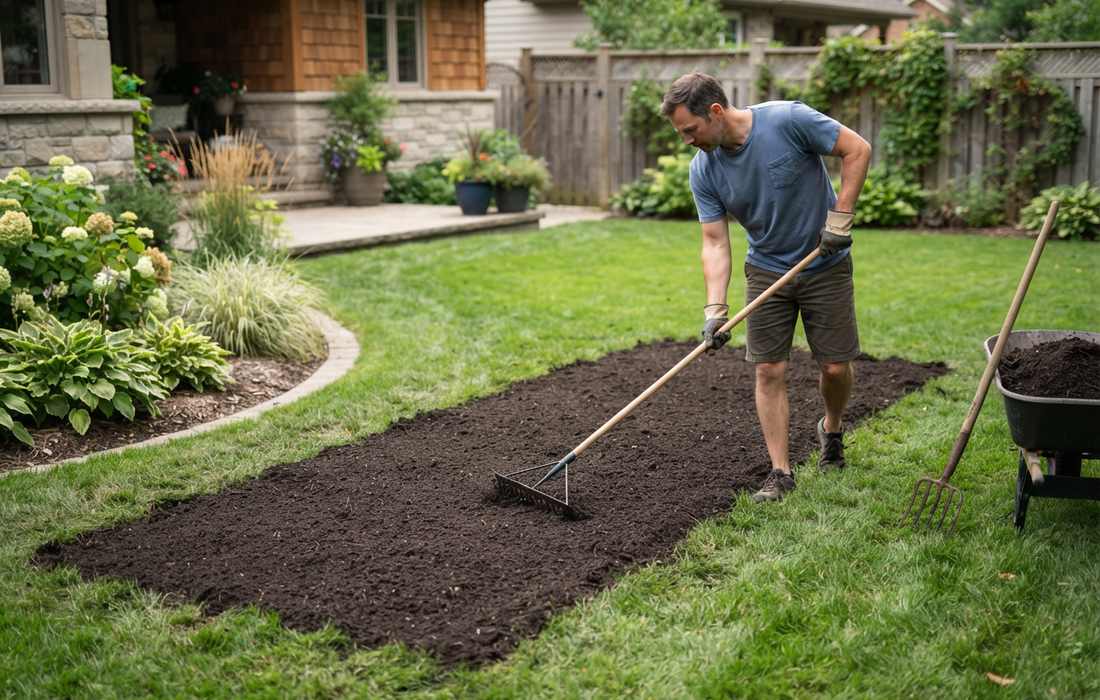
A thin topdressing works best when both the compost and the lawn are ready for it. Check the points below before you move bags or a bulk pile onto the grass.
The easiest way to prevent smothering is to calculate volume before delivery. For established turf, plan a light layer around 1/8 to 1/4 inch, then use the table below to size the order.
Use this formula for bulk compost: cubic yards = lawn area in square feet x depth in inches / 324. A 1/4-inch layer needs about 0.77 cubic yard per 1,000 square feet, while a 1/8-inch layer needs about 0.39 cubic yard.
Lawn Area | 1/8-Inch Layer | 1/4-Inch Layer |
|---|---|---|
1,000 sq ft | 0.4 cu yd | 0.8 cu yd |
5,000 sq ft | 1.9 cu yd | 3.9 cu yd |
10,000 sq ft | 3.9 cu yd | 7.7 cu yd |
1 acre (43,560 sq ft) | 16.8 cu yd | 33.6 cu yd |
Order about 5% to 10% extra only when the lawn is irregular or the supplier sells in whole-yard increments. Do not spread leftover compost just to use it up; save it for beds or another light application.
Good topdressing is more about even coverage than speed. Follow the steps below so compost reaches the soil surface without burying the existing grass.
Mow one normal cut before topdressing and collect heavy clippings if they would block the compost. The turf should still have enough leaf area to stand upright after the job. On a dense lawn, lightly raking away loose thatch and clumps can expose more of the soil surface without tearing healthy crowns.
If the lawn is very dry, heat-stressed, or dormant, postpone the job instead of cutting lower. Topdress during active growth when the turf can recover from traffic and aeration.
Core aeration is useful when soil is compacted, water sits on the surface, or the lawn receives heavy foot or mower traffic. The open holes give compost a direct route into the upper soil and help keep the material from building up in the thatch layer.
Make several passes over compacted areas, then leave the soil cores on the lawn and break them up during topdressing. Skip aeration on saturated soil or severely stressed turf.
Move compost around the lawn before you start raking. On a small yard, place small shovel-sized piles every few feet. On a large lawn, use a wheelbarrow, cart, or mechanical topdresser so each section receives a similar amount instead of one heavy pile near the delivery point.
On a large property, work in measured zones. For a 10,000-square-foot lawn, ten 1,000-square-foot sections make it easier to keep the same target depth across the whole area.
Use a landscape rake, leveling rake, stiff broom, or drag mat to pull the piles across the turf. Keep the material moving until the grass tips are clearly visible throughout the area. Established lawns generally need only about 1/8 to 1/4 inch of compost in one topdressing.
Watch low spots closely because compost naturally collects in depressions. Do not keep filling one hollow beyond the planned topdressing depth; deeper leveling is a separate repair job.
Make a second light pass with the rake or broom so the compost settles around the stems and into aeration holes. The finished lawn should still look like grass with a dusting of dark material, not like a new brown surface.
If patches disappear under compost, pull material away immediately. Thick piles can mat wet leaves and reduce light. Walk a large lawn in both directions and correct dark ridges before watering.
Apply a light watering after spreading if the lawn and local conditions call for it. The goal is to settle fine particles off the leaves and into the surface, not to create runoff. Stop if water begins carrying compost toward pavement, drains, or low areas.
If topdressing is paired with overseeding, use the moisture schedule needed for germination. Existing turf without new seed can return to its normal irrigation schedule after the compost settles.
Fresh topdressing should settle into the canopy instead of sitting as a blanket over it. The checks below can keep the lawn growing while the compost works into the surface.
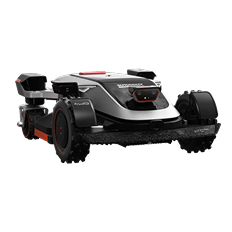
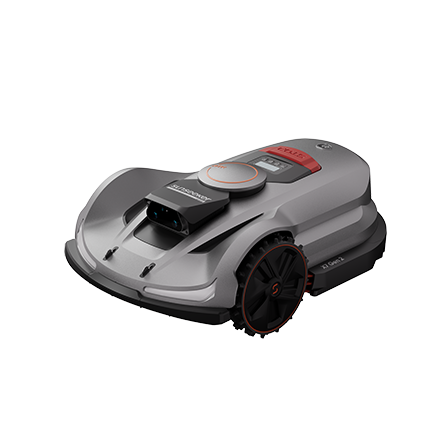
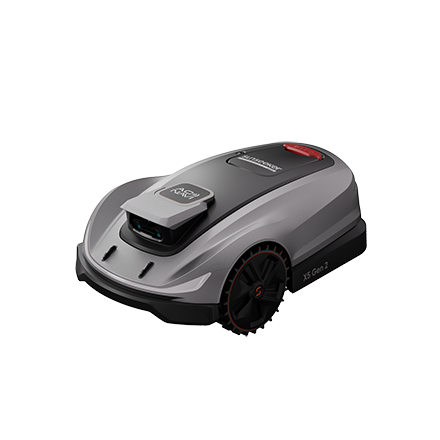
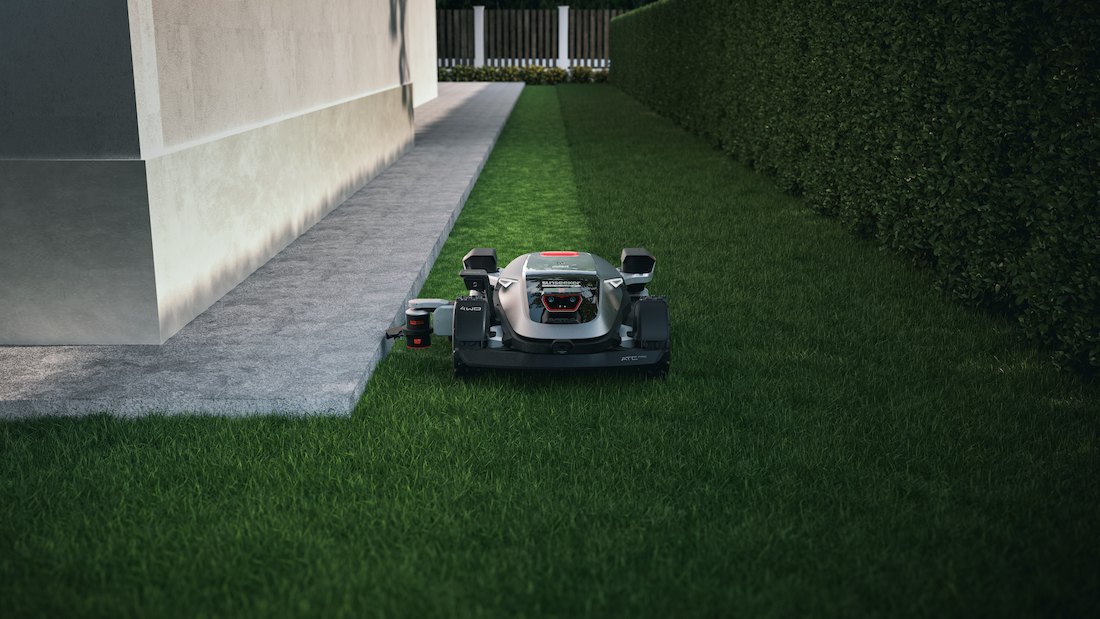
Regular mowing also helps maintain the lawn after topdressing. Robot Mowers with Mulching Blades can make frequent, light cuts and distribute fine grass clippings across the lawn. This reduces clipping buildup while returning organic material to the soil as the grass grows.
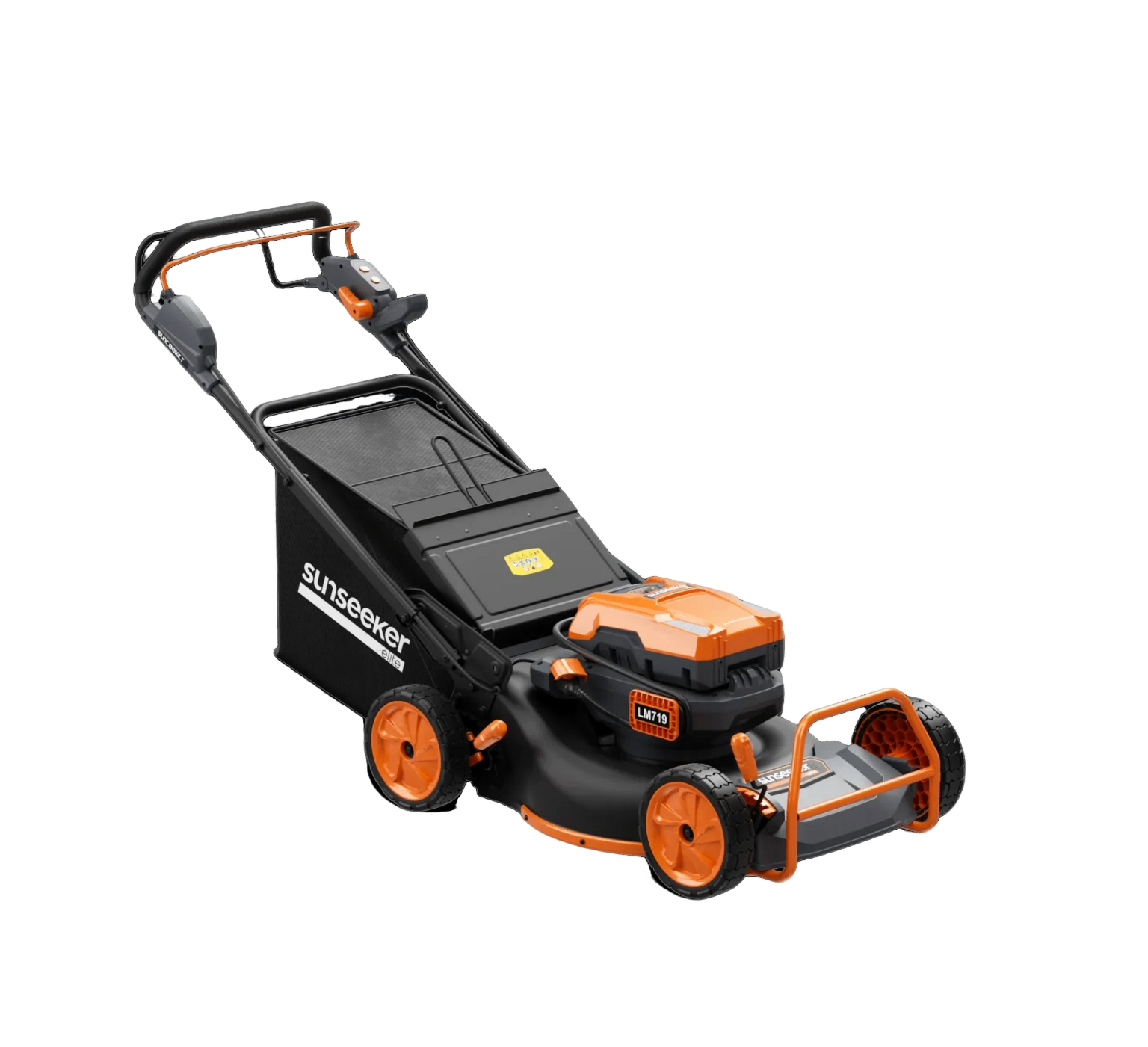
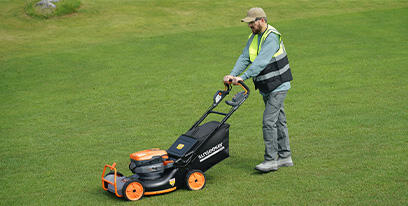
For very large properties, regular mowing can become the bigger job after the compost work is finished. The Sunseeker Elite X9 is built for large-scale lawns, with coverage up to 3 acres in 48 hours and an AWD drive system with four-wheel suspension for varied terrain. That capacity is useful when a large topdressed area is ready to return to a consistent mowing schedule.
Learning how to spread compost on lawn grass is mostly about controlling depth and distribution. Use mature screened compost, calculate the volume before ordering, and keep established turf in the 1/8- to 1/4-inch range so leaf tips stay visible. Spread small piles, rake them into an even film, work material into the canopy and aeration holes, then water only enough to settle it. A light application now is easier on the lawn than a thick layer that has to be removed later.
For an existing lawn, a practical sequence is to aerate first, spread and brush a thin compost layer into the turf, then overseed so the seed lands on the improved surface. A very light final dusting can be added afterward if needed. Keep the total compost layer thin enough that seed and grass are not buried.
Not reliably. Compost adds organic matter and releases nutrients slowly, but its nitrogen, phosphorus, and potassium levels vary widely. Use a soil test and the compost analysis when available. A lawn may still need fertilizer to supply a specific nutrient rate, especially during active growth or after a documented deficiency.
Usually not. Compost is bulkier and more irregular than granular fertilizer, so it can bridge over the hopper opening or clog narrow gates. A compost roller, mechanical topdresser, shovel and wheelbarrow, or small piles spread with a rake are more dependable. Very dry, finely screened compost may pass through some spreaders, but test a small amount first.