












FAQs
8/26/2026
Contents
Products
Residential Lawns









Explore
Where to Buy


A typical U.S. homeowner can expect routine lawn care to cost roughly $100–$500 per month, while a single mowing often falls near $43–$72. The final bill depends on lawn size, visit frequency, grass condition, access, location, and added services such as fertilization, aeration, weed control, or seasonal cleanup.
Keeping a lawn looking good can take hours of mowing, edging, trimming, fertilizing, and cleanup each month. That is why two neighbors with similar yards may receive very different lawn care quotes. For homeowners planning a seasonal budget, the useful question is not just the price of one mowing visit. It is the total level of care the property needs. The sections below break down common U.S. prices, what services usually include, the main cost drivers, and when DIY care may save money.

Lawn care cost varies widely because the term can mean a quick mowing visit or a full maintenance plan. Recent 2026 U.S. pricing data gives homeowners a practical starting point before they request local quotes.
For basic recurring maintenance on a standard residential property, a realistic budget is about $100–$500 per month. Many homeowners who mainly need routine mowing and light upkeep fall closer to $150–$200 monthly, but larger yards or service packages can cost more. For mowing alone, current national data places many visits around $43–$72, with a midpoint in the mid-$50s. A one-time visit may cost more because the provider cannot plan the travel and setup as efficiently as with regular scheduled service.
Service | Typical 2026 U.S. price | Notes |
Lawn mowing | $43–$72 per visit | Common range for routine residential mowing; larger or overgrown lawns cost more. |
Basic recurring lawn care | $100–$500 per month | May include mowing plus selected maintenance services; package scope varies. |
Lawn aeration | $104–$195 per service | Often scheduled once or twice during the active growing season. |
Professional weed control | $49–$200 per treatment | Price changes with lawn size, weed pressure, and treatment type. |
Yard cleanup | About $180 average | Heavy leaves, wet debris, branches, or neglected beds can raise the total. |
These figures are planning ranges, not fixed quotes. A contractor may also apply a minimum visit charge, an overgrowth fee, a disposal fee, or a travel surcharge. Ask for a written scope that states the visit frequency and every included task, then compare quotes on the same service level rather than comparing only the lowest headline price.
A basic lawn care visit usually focuses on keeping turf neat and usable. More complete plans add plant health treatments and seasonal work, so homeowners should confirm the scope before signing up.
A package labeled “full service” still needs a close read. Shrub pruning, irrigation repair, pest control, dethatching, or major bed work may sit outside the standard lawn agreement. Get the provider to list included tasks and the number of planned visits so the annual cost is easier to judge.
The same service can have a very different price at two properties. Providers mainly estimate how much labor, travel, equipment time, material, and risk the job requires.
Larger lawns take longer to mow and may require wider commercial equipment. A simple quarter-acre rectangle is usually faster than a smaller lawn broken into narrow side yards, islands, slopes, and fenced sections. Recent mowing data shows that lawns up to about one-quarter acre commonly cost around $42–$63 per visit, while one-half to one acre may land around $58–$118. Gates too narrow for a riding mower can add labor because crews must switch equipment.
Weekly mowing can reduce the time needed on each visit because the grass stays manageable, and many providers offer better per-visit pricing for recurring customers. Biweekly or irregular service may cost more each time if the turf becomes tall between visits. Frequency also changes through the year. Fast spring growth may require weekly mowing, while hot or dormant periods can justify a lighter schedule.
Overgrown turf, heavy weeds, wet ground, steep grades, dog waste, toys, fallen branches, or thick leaf cover slow a crew down. These conditions can trigger extra charges, especially on the first visit after a property has been neglected. Easy truck access and clear gates shorten setup time. Before service day, remove movable obstacles and disclose steep areas or drainage problems so the quote matches the actual work.
Local wages, fuel prices, insurance, disposal rules, weather, and the length of the mowing season all influence quotes. Labor for experienced lawn professionals is often estimated around $30–$70 per hour nationally, but the customer usually sees a flat service price. Dense urban areas can have higher labor and travel costs, while strong local competition may lower routine mowing prices. Get two or three quotes from providers who regularly work in your neighborhood.
DIY lawn care often lowers recurring labor expense, but it is not automatically the cheapest option once equipment, fuel or electricity, blades, repairs, fertilizer, storage, and personal time are counted. The right choice depends on yard size and how much work you want to handle each week.
For a small, uncomplicated lawn, owning a walk-behind mower and basic trimmer can be economical over several seasons. The tradeoff is time: mowing, trimming, cleanup, blade care, fuel or charging, and seasonal storage become your responsibility. Hiring a professional makes more sense when the property is large, steep, difficult to access, or needs specialized treatments that you do not want to manage.
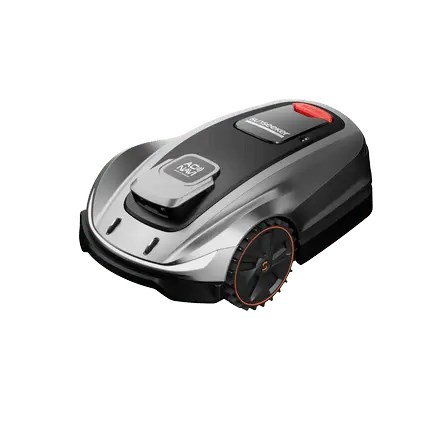
Homeowners with large properties can also compare recurring service fees with automation. Automatic mowers like the Sunseeker Elite X9 is designed for large-area mowing and supports scheduled operation, automatic mapping, virtual boundaries, a 17-inch cutting width, and a 0.8–4.0-inch cutting-height range. The X9 is rated for up to 3 acres within a 48-hour operating window, so it can reduce hands-on mowing time for suitable properties. It is an equipment purchase rather than a no-cost substitute for lawn care, and owners should still budget for blade replacement, cleaning, edging needs, and other turf treatments.

Overall, here is a quick list of when you can DIY:
Lawn care cost is easiest to manage when you separate routine mowing from treatments and seasonal extras. Use about $43–$72 per mowing visit and roughly $100–$500 per month for basic professional maintenance as planning ranges, then adjust for your lawn’s size, condition, access, frequency, and local labor market. Comparing detailed quotes prevents hidden scope differences. Homeowners who want to reduce routine mowing labor can also explore robot mowers with mulching blades to see options that trim frequently and leave fine clippings to break down naturally.
Basic professional lawn care commonly runs about $100–$500 per month for a standard residential property. Many routine plans sit closer to $150–$200 monthly. The total rises with large lawns, weekly visits, fertilization, weed control, aeration, or cleanup. Ask providers to separate recurring maintenance from occasional treatments so the monthly comparison stays clear.
A typical 2026 mowing visit is often about $43–$72 nationwide, with many quotes clustering in the mid-$50s. Small, simple lawns may cost less, while large, sloped, overgrown, or obstacle-heavy yards can cost substantially more. Recurring weekly service may have a lower per-visit rate than an occasional one-time mowing.
Professional lawn care can be worth the price if it saves several hours each month, keeps mowing on a reliable schedule, or gives you access to equipment and treatments you would not buy yourself. DIY care is often less expensive in cash terms for a small lawn, but your time, storage, maintenance, and equipment costs still count.