











November is often treated as the month to put the garden to bed. But if you want less work next year, the more useful question is what made you repeat the same job all season. The bed you weeded every two weeks, the plant that wilted in one spot, and the strip of lawn that never mowed cleanly are all clues.
A low-maintenance garden is usually built by removing those repeat jobs one by one. Five small changes in November can stop some of them from returning in spring, without turning the whole yard into a renovation project.

5 November Jobs for a Lower-Maintenance Garden Next Year
November gives you a useful view of the garden after a full growing season: the problem spots are still easy to remember, but most plants are slowing down. Use that window to fix the places that repeatedly demanded your time.
1. Mulch the Beds You Weeded Most Often
Think back to where you kept crouching down with a hand fork. Bare soil between shrubs, around perennial clumps, or along the back of a border is where weed seeds get light and room to grow. Once the weeds are out, cover exposed soil with about 2 to 4 inches of shredded bark or wood chips, keeping the mulch a few inches away from trunks and plant crowns.
The goal is not simply to make the bed look finished for winter. Mulch blocks light from reaching many weed seeds, reduces moisture loss, and gives you fewer open patches to police next spring. Put it where repeated weeding told you the soil surface is too exposed; a bed already knitted together by groundcovers does not need the same treatment.
Healthy fallen leaves can do some of this work too, especially under shrubs and in informal beds, as long as they are shredded or held in place so they do not blow back onto paths and turf.
Just note that if you are adding a deep protective winter mulch around tender perennials, wait until the ground begins to freeze rather than burying the crown early in fall.
2. Move the Plants That Struggled All Summer
November is a good time to stop treating a badly placed plant as a recurring emergency. A hydrangea that scorched every afternoon, a hosta that baked beside pavement, or a sun-loving perennial that leaned toward the only bright corner may be telling you the site is wrong. Moving one plant can remove a whole season of extra watering, staking, pruning, or replacement.
Where winters are mild and the soil is still workable, hardy perennials and shrubs can often be moved while top growth is slowing. Give the roots time to settle before a hard freeze and keep the new planting watered when the soil is dry.
Still remember if your area is already close to frozen ground, do not force a late transplant just to finish the job in November. In colder regions, tag the plant, take a quick photo of its current light and spacing, and schedule the move for early spring.
That still counts as useful November work because the decision is being made while the problem is fresh in your mind. By April, it is surprisingly easy to forget which plant spent July asking for help every other day.
3. Fix the Bits of Lawn That Are Awkward to Mow
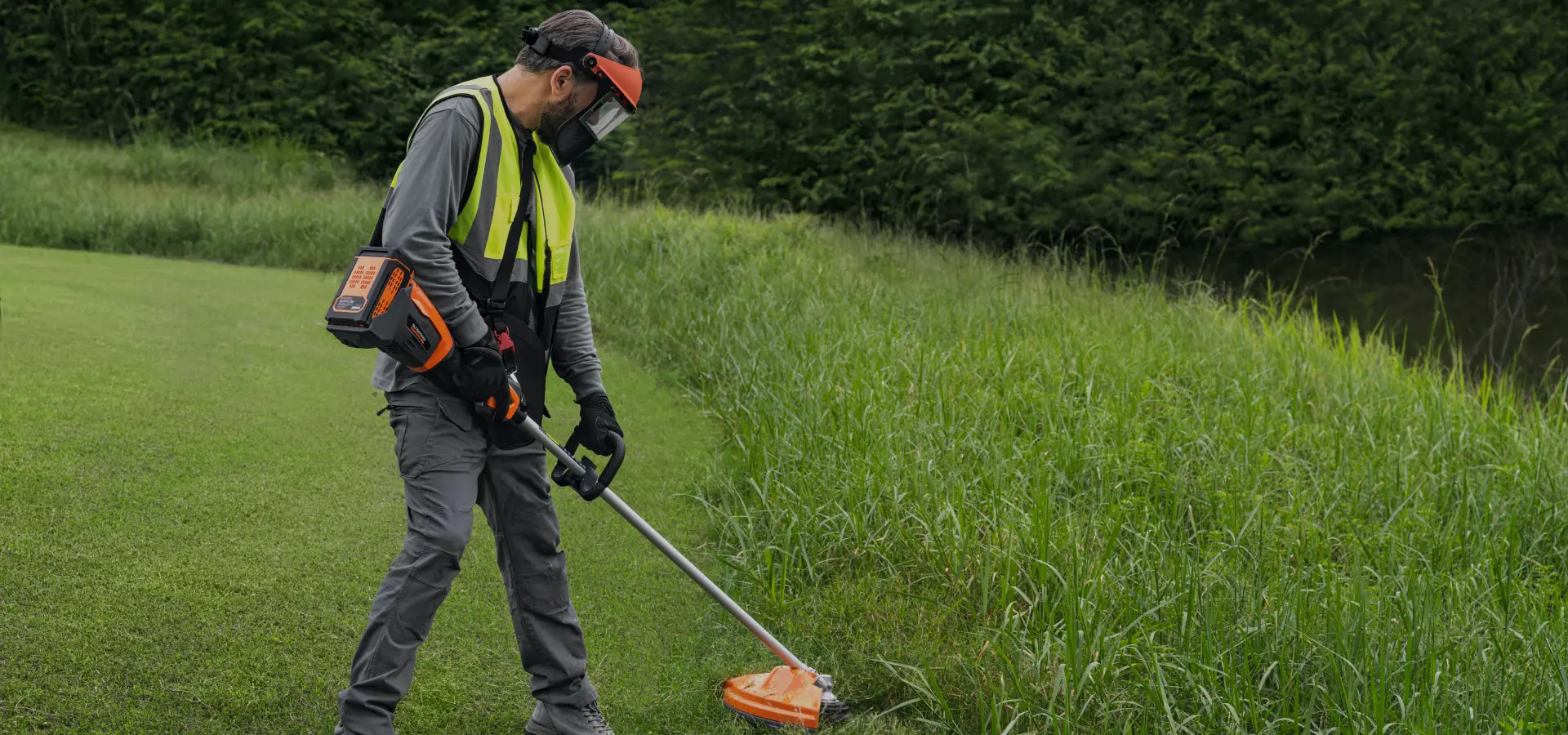
Low-maintenance garden design often hides in the shape of the lawn. Narrow wedges, tight loops around trees, steep banks, and strips squeezed between beds can add more work than their square footage suggests. If you finish mowing and then reach for a trimmer every single week, the layout may be the real maintenance problem.
November is a good time to redraw those edges. Widen a tight corner, turn a useless grass strip into a mulched bed, replace a steep sliver with a better-suited groundcover, or adjust edging so the mower can make one clean pass. You are not trying to make the garden more formal; you are removing shapes that force extra tools and extra passes.
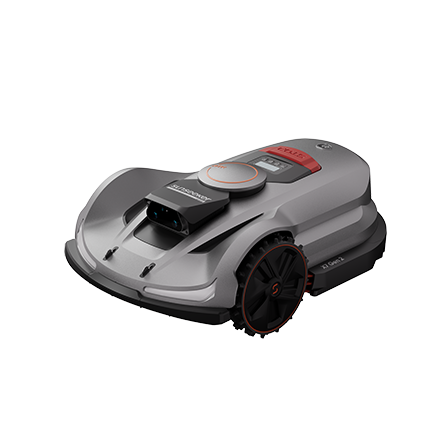
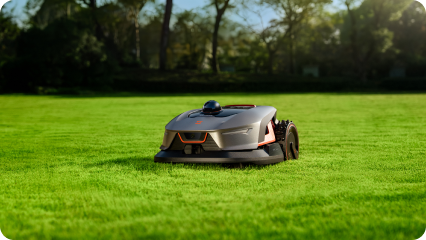
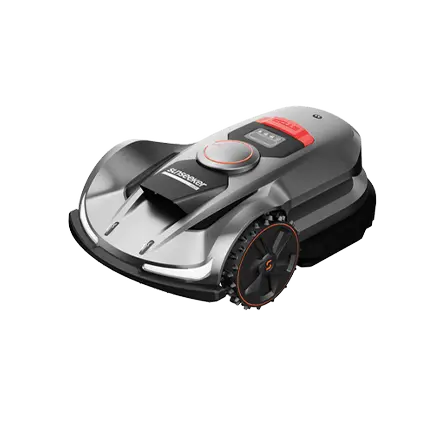
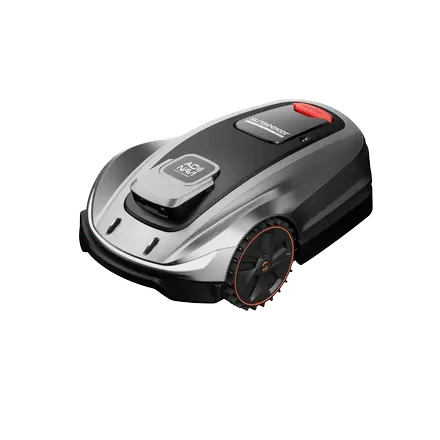
If the awkward area is mainly a slope or uneven section, AWD Robotic Mowers can reduce the physical work of keeping those sections cut because all-wheel drive adds traction where a flat, simple lawn is not the reality. The point is not to automate every corner of the yard, but to remove a mowing problem that repeats week after week.
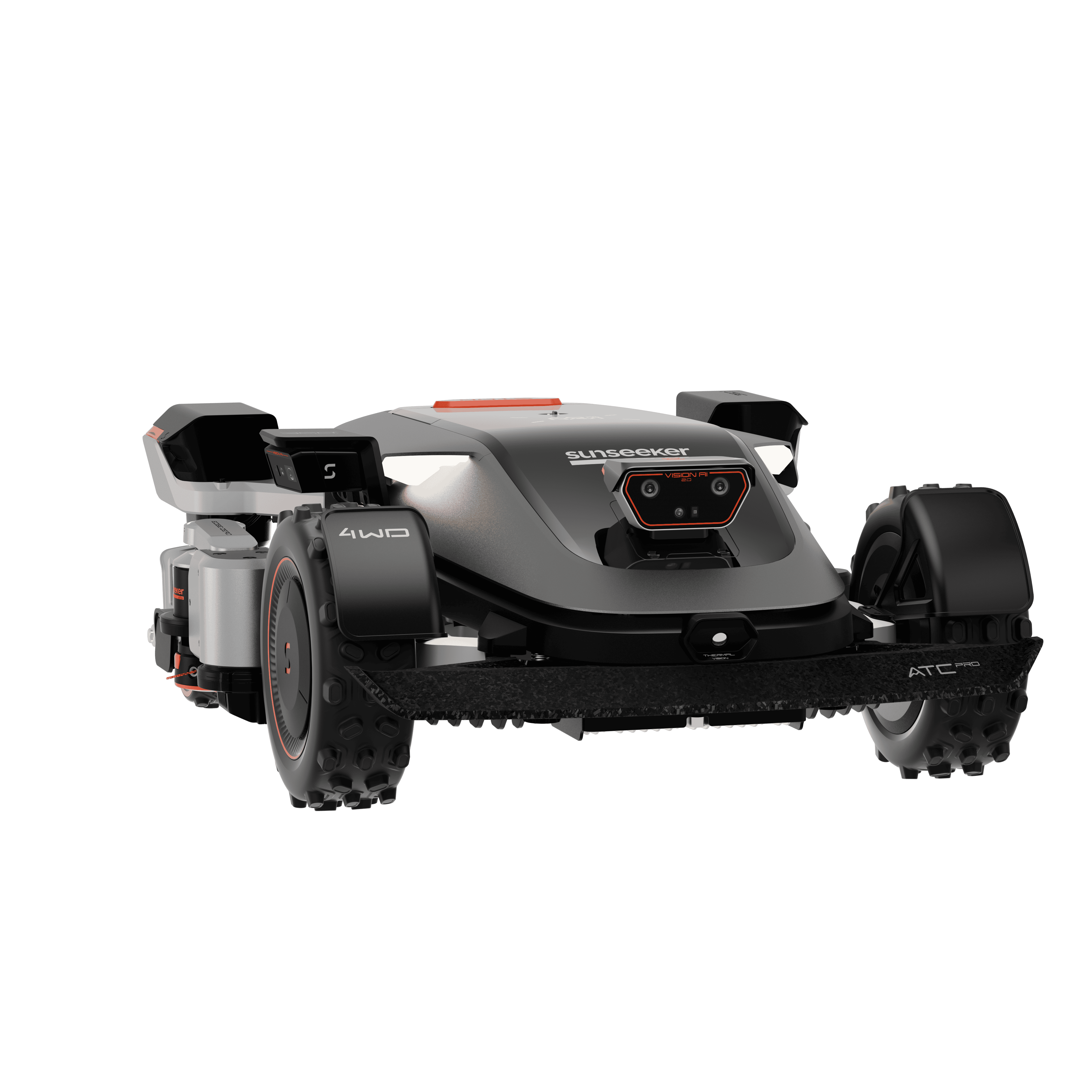
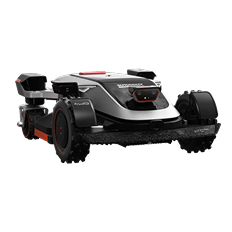
For estate-scale lawns, the Sunseeker Elite X9 Plus takes that idea further: its ATC Pro system combines all-wheel drive with four-wheel suspension for rough or steep ground, while EdgeZero is standard for close boundary cutting. It is rated for up to 6 acres in 48 hours, which makes it relevant when recurring mowing itself has become one of the largest maintenance jobs on the property.