








FAQs
8/26/2026
Contents
Products
Residential Lawns









Explore
Where to Buy


Most established lawns show a visible response to fertilizer within 5 to 14 days, provided the grass is actively growing and the product is watered in correctly. While quick-release nitrogen acts fast, slow-release formulas provide steady nutrition for up to 10 weeks. The actual timeline depends on soil moisture, air temperatures (ideally 55–75°F for cool-season turf), and the lawn's current health.
You spread the fertilizer, water it in, and then start checking the color every morning. It’s a common frustration when a few days pass and the grass still looks unchanged. Fertilizer isn't instant; nutrients must dissolve, travel to the root zone, and be absorbed by the grass. This guide explains the realistic timelines for different fertilizer types and provides simple steps to ensure your application reaches the roots efficiently for a faster green-up.

Understanding the timeline of your fertilizer's response helps you manage expectations and prevents the common mistake of over-application. For a healthy lawn in its active growth period, most visible changes occur within the following windows:
Patience is key during the recovery phase. If your lawn is currently dormant, drought-stressed, or growing in soil temperatures below 50°F, the response will be significantly delayed. In these cases, adding more fertilizer is not a shortcut; extra nitrogen can increase the risk of chemical burn or nutrient runoff. Always give the initial application at least 14 days to work while ensuring the soil remains consistently moist.
The speed of your lawn's response depends on a combination of product chemistry and environmental readiness. Below are the four main factors that determine how quickly nutrients reach the roots.
Water-soluble nitrogen is available relatively quickly after it dissolves, so fast-release fertilizers usually produce the earliest visual response. Coated granules, organic materials, and other slow-release sources depend on moisture, coating breakdown, or microbial activity. They trade speed for steadier feeding and a lower chance of sudden growth when applied correctly.
Fertilizer works best when turf is already growing. Cool-season grasses are most active in spring and fall, while warm-season grasses respond strongest during warm weather. For cool-season turf, optimal shoot growth is commonly associated with air temperatures around 55–75°F; warm-season grasses such as bermudagrass grow vigorously around 80–95°F. Fertilizing outside the active growth window can delay visible results.
Dry granules need water to dissolve and move nutrients into the root zone. Soil that stays extremely dry can leave fertilizer sitting on the surface, while saturated soil can move soluble nutrients below shallow roots. Temperature also matters because root activity and soil microbes slow in cold conditions. For cool-season lawns, root growth is strongest around 50–65°F soil temperature, so nutrient response is often more predictable in that range.
More fertilizer does not mean faster results. Apply the amount on the label for your lawn area and fertilizer analysis. Excess nitrogen can create dark streaks, rapid weak growth, or fertilizer burn. An under-application may produce only a mild response. Measure the lawn, calibrate the spreader, and make two light passes in different directions when the label allows it so coverage stays even.
Choosing the right formula allows you to control whether you want immediate results or long-term nourishment. The following table compares both types to help you match the product to your lawn goals.
|
Factor |
Fast-Release Fertilizer |
Slow-Release Fertilizer |
|
Nutrient availability |
Nutrients become available quickly after dissolving. |
Nutrients are released gradually through coatings, microbial action, or low-solubility forms. |
|
Visible response |
Often noticeable within about 5–7 days in actively growing turf. |
Usually more gradual; color may build over 1–2 weeks or longer. |
|
Burn risk |
Higher if overapplied, used during heat stress, or left without needed irrigation. |
Generally lower, though overapplication can still damage turf. |
|
Application strategy |
Smaller, carefully measured doses are important. |
Can support longer intervals between feedings when the label permits. |
Use a fast-release fertilizer when you need a timely response on healthy, actively growing grass and can manage watering carefully. Choose slow-release fertilizer for routine feeding, warm periods when surge growth is undesirable, or situations where a steadier nutrient supply is more practical. Many lawn products blend both forms to provide initial color plus extended feeding.
Applying fertilizer is only half the job; the following steps ensure those nutrients actually reach the root zone safely without creating runoff.
Feed when the lawn is actively growing, not when it is dormant or severely stressed. Cool-season turf usually responds best during spring and fall growth, while warm-season lawns should be fertilized after they have fully greened and are growing strongly. Avoid pushing high-nitrogen fertilizer onto heat-stressed grass during the hottest part of summer.
Start with the product label and the square footage of the lawn. Never estimate the area by eye if you can measure it. Weigh the amount needed for one section, use the correct spreader setting, and clean fertilizer off sidewalks and driveways. Keeping granules on turf reduces wasted product and lowers the chance of nutrients washing into storm drains.
Most straight lawn fertilizers should be watered in after application unless the label says otherwise. Light irrigation dissolves granules and moves nutrients toward the root zone. Do not assume a heavy storm is better; intense rain can increase runoff before the lawn uses the nutrients. Weed-and-feed products can have different post-application directions, so the label takes priority.
If the lawn is wilted, gray-green, crispy, or temporarily dormant during drought, restore appropriate moisture and wait for active growth before feeding. Fertilizer salts are more likely to injure dry turf, especially with fast-release nitrogen. A delayed application is usually safer than trying to force color during a period when the grass is protecting itself from heat and water loss.
Reapplying fertilizer should be based on biological need and product chemistry rather than the first sign of fading color. Following a data-driven schedule prevents overfeeding and ensures your lawn remains resilient against environmental stress.
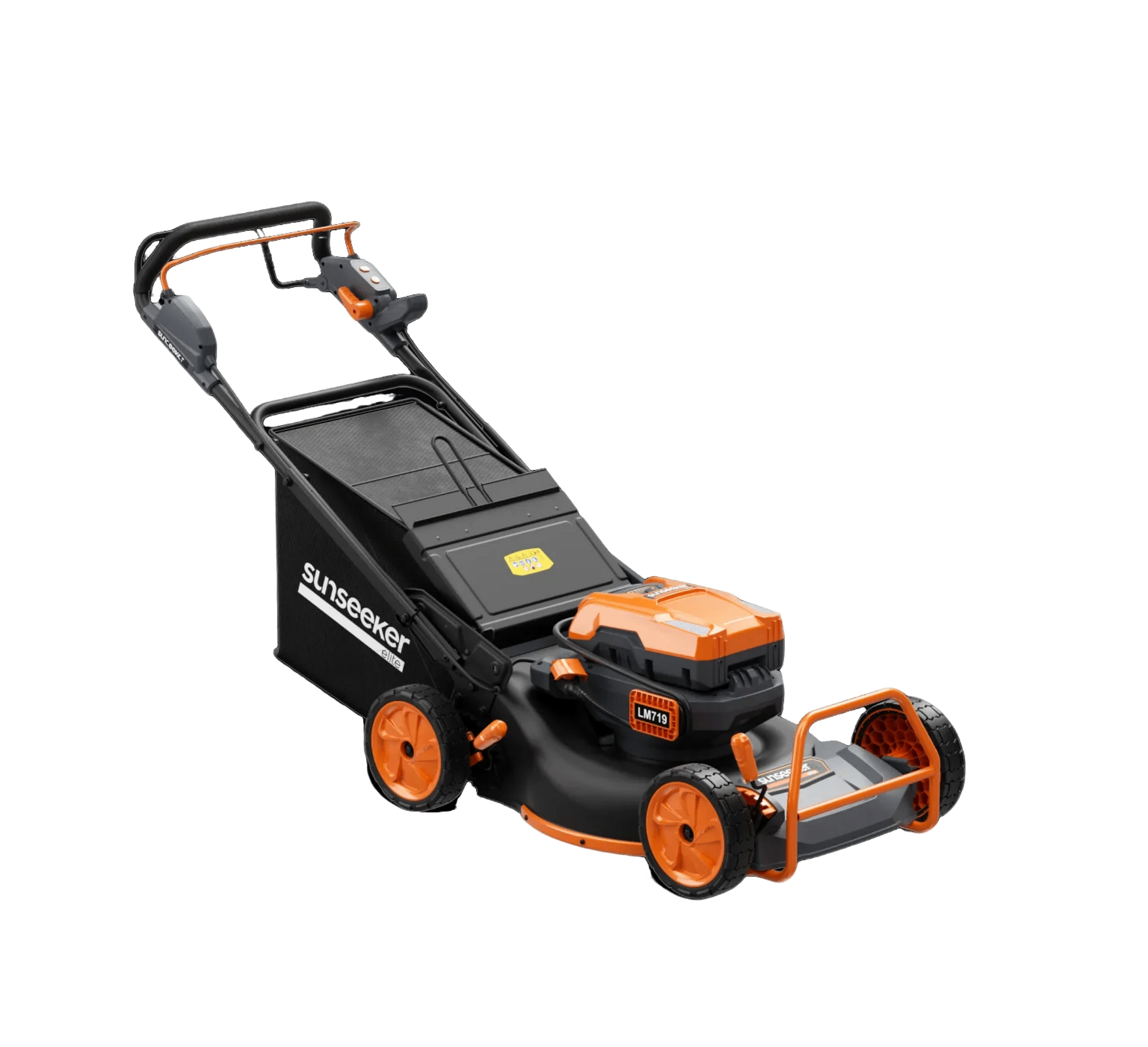
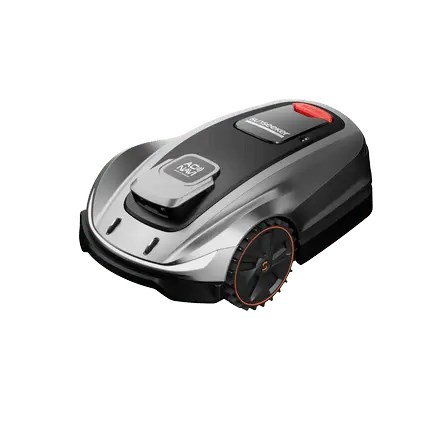
Once fertilized turf resumes steady growth, mowing height and frequency matter as much as the next feeding. For larger lawns, the Sunseeker Elite X9 offers target height management with a 0.8–4 inch adjustment range, which can help maintain a consistent cutting height instead of removing too much leaf tissue at once. Keep mowing decisions tied to actual grass growth, especially in the week after a strong fertilizer response.

So, how long does lawn fertilizer take to work? In active turf, expect initial changes in about 5–14 days, with fast-release products acting sooner and slow-release formulas feeding for a longer period. Correct timing, measured application, and proper watering are more important than chasing instant color. Pair sensible fertilization with regular mowing and seasonal lawn care. If you want to simplify that routine, you can also explore Sunseeker Robot Lawn Mowers for options that support consistent grass-height maintenance.
A healthy, actively growing lawn may show deeper color or faster growth within about 5–14 days. Fast-release nitrogen can act sooner, while slow-release products build results more gradually. If nothing changes after two weeks, check soil moisture, temperature, application accuracy, and grass health before adding more fertilizer.
Usually, yes. Water helps dissolve granular fertilizer and carry nutrients into the root zone. Follow the product label because application instructions vary, especially for weed-and-feed products. Avoid excessive irrigation right after feeding, since runoff or deep leaching can move nutrients away from the lawn before roots can use them.
You can mow after fertilizer has been watered in and the grass is dry enough for a clean cut, unless the product label gives different instructions. If possible, avoid mowing immediately after spreading dry granules so you do not collect or redistribute them. Resume mowing based on growth and follow the one-third rule for leaf removal.