




FAQs
8/13/2026
Contents
Products
Residential Lawns





Explore
Where to Buy


Apply lawn fertilizer after identifying your grass type, measuring the lawn, and choosing the right N-P-K formula. Spread it evenly with a calibrated spreader, follow label rates, and water it in when the product requires it. Most fertilizer problems come from overapplication, poor timing, or feeding stressed grass.
Fertilizer can help grass grow thicker and greener, but small mistakes can quickly show up as dark stripes, pale areas, or burned tips. These problems often come from using too much product, spreading it unevenly, or feeding the lawn at the wrong time.
In this blog, you’ll learn how to fertilize a lawn properly by checking your grass type, measuring the lawn, choosing the right rate, spreading fertilizer evenly, and watering at the right time. A careful routine helps the grass use nutrients well without wasting product.

Lawn fertilizer supplies nutrients that grass uses for leaf growth, root strength, color, stress tolerance, and recovery after mowing or foot traffic. It does not fix every lawn problem, but it helps healthy grass grow thicker when soil, water, sunlight, and mowing habits are already close to normal.
Most lawn fertilizers focus on three main nutrients: nitrogen, phosphorus, and potassium. Nitrogen supports green leaf growth. Phosphorus helps root development, though many established lawns need little or none unless a soil test shows a shortage. Potassium supports drought, heat, cold, and disease tolerance. A balanced plan feeds the grass enough to grow steadily without forcing weak, soft top growth.
The best time depends on the grass type and local weather. Fertilizer works best when grass is actively growing and the soil has enough moisture. Avoid feeding during extreme heat, drought stress, heavy rain, or right before a storm that can wash nutrients away.
Cool-season grasses such as Kentucky bluegrass, perennial ryegrass, fine fescue, and tall fescue grow strongest in spring and fall. In many regions, the most useful feeding window is early fall, when daytime temperatures are often around 60-75°F and roots are active. A second light feeding in late fall may help recovery and spring green-up.
Warm-season grasses such as bermudagrass, zoysiagrass, St. Augustinegrass, centipedegrass, and bahiagrass grow hardest in late spring and summer. Fertilize after the lawn has fully greened up and soil temperatures are consistently warm. In many areas, that means late spring through midsummer.
Finding the best lawn fertilizer is less about the brightest bag and more about matching the label, soil test, grass type, and release speed to the lawn’s actual needs. The label, soil test, grass type, and release speed all matter.
Every fertilizer bag lists three numbers, usually in a format such as 24-0-10 or 10-10-10. These show the percentage of nitrogen, phosphorus, and potassium in the bag. For example, a 24-0-10 fertilizer contains 24% nitrogen, 0% phosphate, and 10% potash.
|
Nutrient |
What it supports |
Common lawn note |
|
Nitrogen (N) |
Green color and leaf growth |
Useful for density, but too much can burn grass or push weak growth |
|
Phosphorus (P) |
Root development and establishment |
Often limited or unnecessary on established lawns unless soil testing shows a need |
|
Potassium (K) |
Stress tolerance and root function |
Helpful before heat, drought, cold, or disease pressure |
A soil test is the safest way to choose fertilizer. It can show pH, phosphorus, potassium, and other nutrient levels. Many lawns need nitrogen regularly, but phosphorus and potassium needs vary widely. If your soil already has enough phosphorus, adding more can waste money and may create runoff concerns.
Slow-release fertilizer feeds gradually over several weeks. It usually reduces burn risk and supports steadier growth. Quick-release fertilizer greens grass faster, but it can burn if applied too heavily or on stressed turf. Many home lawns do well with a blend that includes slow-release nitrogen for more even results.
A clean application is mostly about measurement and even coverage. Do not guess the rate. Measure the lawn, set the spreader correctly, walk at a steady pace, and check the label before watering.
Measure the length and width of each lawn section, then multiply them to get square footage. Subtract large beds, patios, driveways, pools, and other areas that will not receive fertilizer. Most fertilizer labels give a rate per 1,000 square feet, so accurate measuring prevents both underfeeding and overfeeding.
For example, if your lawn is 5,000 square feet and the label says the bag covers 10,000 square feet, you should use about half the bag. If your yard has several zones, divide the product into portions before spreading. This keeps you from using too much on the front lawn and too little on the back.
Use a broadcast spreader for most medium and large lawns. A drop spreader gives more control along narrow strips, sidewalks, and garden edges. Fill the spreader on a driveway or tarp, not on the grass, so spilled fertilizer can be swept up instead of burning one spot.
Set the spreader according to the product label. If the exact model is not listed, start with a lower setting and make multiple light passes. The goal is even coverage, not emptying the hopper as fast as possible. Check that the gate opens smoothly and that the wheels and impeller are clean before you begin.
Start around the lawn edge, then work across the main area in straight rows. Keep the spreader moving before opening the gate, and close it before stopping or turning. Slight overlap between passes prevents light and dark stripes after the grass greens up.
Walk at a steady speed. If you move too slowly, you may apply too much fertilizer. If you rush, coverage may turn patchy. On slopes, push across the slope when safe rather than straight down a steep grade, and never spread fertilizer where granules can roll directly into drains, gutters, or ponds.
Read the label before watering. Many granular fertilizers need about 1/4 inch of water after application so nutrients move off the leaf blade and into the soil. Some weed-and-feed products are different and may need damp leaves first, followed by a waiting period before irrigation.
Light watering is usually enough to activate granular fertilizer. Heavy watering can move nutrients below the root zone or into runoff. If rain is expected, apply only when the forecast calls for gentle rain, not storms. If you are checking whether lawn fertilizer is bad for dogs, follow the product’s watering and reentry directions and keep pets off the treated grass until the label says it is safe.
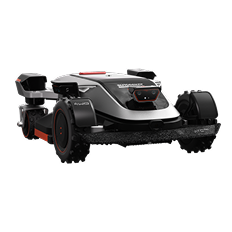
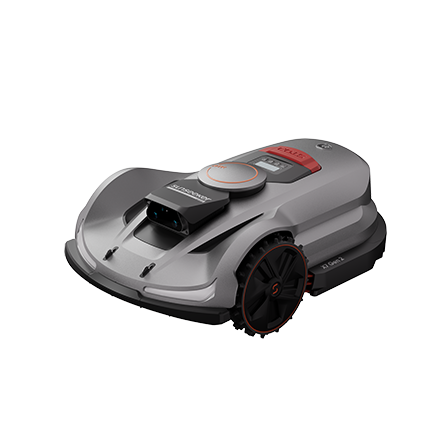
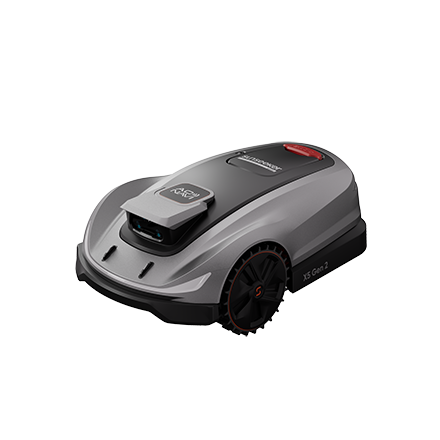
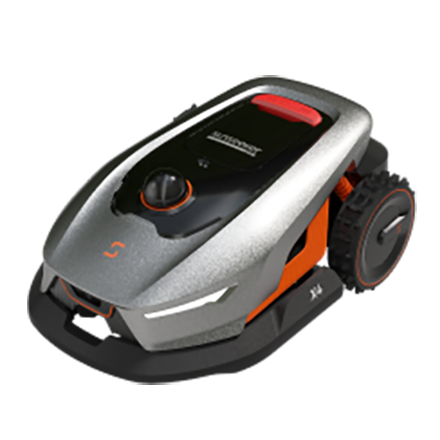
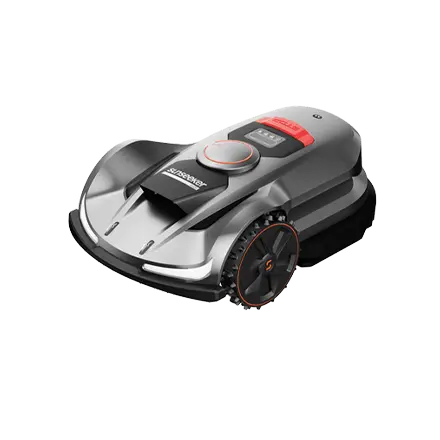
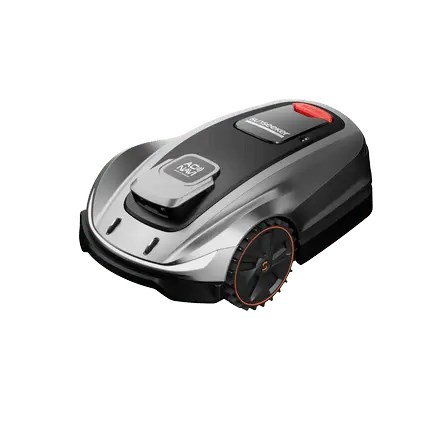
After feeding, steady mowing helps the lawn use nutrients more evenly. On large or uneven properties, the Sunseeker Elite X9 Plus can support that routine with AWD/4WD traction, automatic path planning, and an adjustable 0.8-4.0 inch cutting height. Those features help maintain a consistent finish as the grass responds to fertilizer and enters stronger growth.

Fertilizer mistakes are easy to make because the lawn may not show damage right away. The safest plan is to treat the label as the rule, avoid stressed conditions, and keep fertilizer away from hard surfaces and waterways.
Also avoid mowing immediately before or after every fertilizer application unless the lawn truly needs it. A freshly scalped lawn is more sensitive to stress. Keep the mowing height suitable for the grass type, and remove only the top third of the blade at each cut.
Learning how to apply lawn fertilizer well is mainly about timing, measuring, and patience. Choose a product that matches your grass and soil, apply the correct rate with a calibrated spreader, and water only as the label directs. Over time, good feeding works best alongside proper mowing, watering, and repair habits. For homeowners who want a steadier mowing routine after feeding, Sunseeker’s AWD Robotic Mowers offer a practical way to keep everyday lawn care more consistent.
In most cases, yes. Many granular fertilizers need light watering after application, often around 1/4 inch, so nutrients move into the soil and off the grass blades. Always check the label first. Weed-and-feed products can have different instructions, and watering too soon may reduce weed control.
Yes. Too much fertilizer can burn grass, create yellow or brown patches, push weak leaf growth, and increase disease pressure. It can also waste money and contribute to runoff. Measure the lawn carefully, follow the rate per 1,000 square feet, and avoid adding extra product to pale areas without diagnosing the cause.
A calm morning or late afternoon is usually best. Grass should not be heat-stressed, and wind should be low enough to keep granules on target. Avoid the hottest part of the day, frozen ground, and periods right before heavy rain. Light moisture and mild weather help fertilizer work more safely.