




FAQs
8/3/2026
Contents
Products
Residential Lawns





Explore
Where to Buy


A light layer of dry leaves can feed the soil when chopped finely, but thick, wet, or matted leaves can block sunlight, trap moisture, and weaken grass. The safest plan is to mulch small amounts often, rake heavy piles, and keep the grass visible before winter or long rainy spells.
A light scattering of leaves may seem harmless, but after wind and rain, they can quickly form a dense, wet layer that hides the grass. At that point, leaving them in place may block light, trap moisture, and slow airflow around the turf.
In this blog, you’ll learn whether you should leave leaves on your lawn, when mulching can return useful organic matter to the soil, and when removal is the safer option. The following sections also explain how leaf depth, moisture, grass condition, and timing affect the risk of mold, bare patches, and drainage problems.
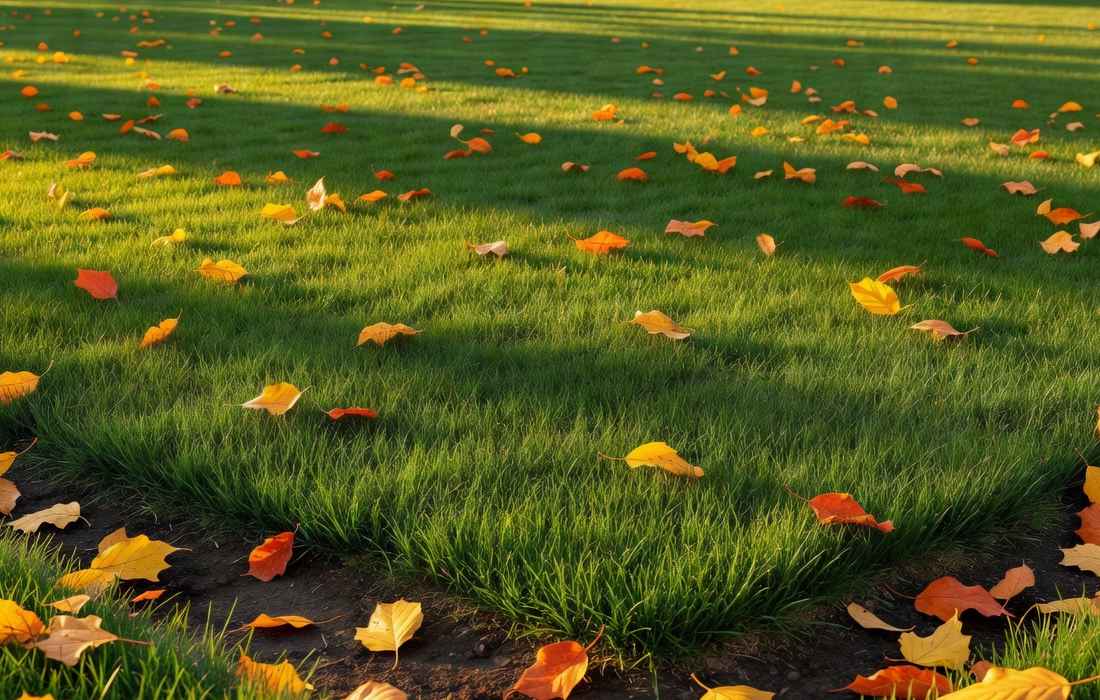
You can leave some leaves on your lawn, but the layer must stay thin enough for grass blades to receive light and air. If you can still see the grass through the leaves, the lawn can usually tolerate short-term cover. If the grass is hidden under a dense sheet, especially after rain, the leaves should be mulched or removed.
The best approach is not a strict choice between raking every leaf and ignoring the yard. Dry leaves can be chopped into small pieces and left as a light mulch. Those pieces break down gradually and return organic matter to the soil. Heavy piles, large leathery leaves, wet mats, and leaves sitting in low spots need attention because they can smother turf.
A useful rule is simple: after mowing or mulching, the leaf pieces should settle between grass blades instead of sitting on top as a solid layer. If the surface still looks brown and covered, remove part of the material and run the mower again later.
Leaving leaves works best when the lawn is actively healthy and the leaf drop is light enough to manage in repeated passes. In this situation, leaves become a slow, mild soil amendment instead of a suffocating cover.
Mulched leaves add carbon-rich organic material to the topsoil. As earthworms and microbes break the pieces down, the soil surface can become more crumbly and better able to hold moisture. This does not replace a soil test or a balanced fertilizer plan, but it can support long-term soil structure. It is most useful on lawns with normal drainage, no serious disease, and enough density to recover after mowing.
Leaving or mulching leaves is usually helpful when these conditions line up:
Small leaves usually shred easily, while large oak, sycamore, maple, and magnolia leaves may need extra passes or partial removal. If you are asking, is it good to leave leaves on lawn areas all autumn, keep checking the surface and mulch before the layer becomes heavy.
Raking is better when leaves are too deep, too wet, or too coarse to break into fine pieces. It is also the better choice when grass is under stress and needs more air, light, and drying time.
Rake or collect leaves when they cover more than one-third of the grass surface after mowing. You should also remove them when they gather along fences, under shrubs, beside driveways, or in low areas where water sits. These piles often stay damp and can damage grass faster than a thin, even layer across the open yard.
You should rake leaves instead of mulching when:
If you wonder, is it bad to leave leaves on your lawn, the risk rises when the leaves remain whole and wet. Raking does not mean throwing everything away. Collected leaves can go into compost, garden beds, or a leaf mold pile, so the material is still recycled.
Good leaf mulching depends on timing and layer depth. The goal is to turn leaves into small flakes that drop into the grass canopy, not to grind a thick pile into a heavy brown paste.
Mow or mulch leaves before they build up. For many lawns, one pass every 5 to 7 days during peak leaf drop is easier and safer than waiting until the whole yard is buried. Set the mower to a normal mowing height, usually around 3 to 4 inches for many cool-season lawns, and mow when the leaf layer is dry enough to scatter.
If leaves puff away behind the mower in large pieces, make a second pass at a right angle. If they clump into damp ridges, stop and rake those sections first. A sharp blade helps because torn leaf pieces and ragged grass blades both break down less neatly.
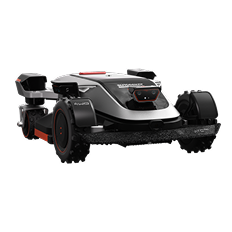
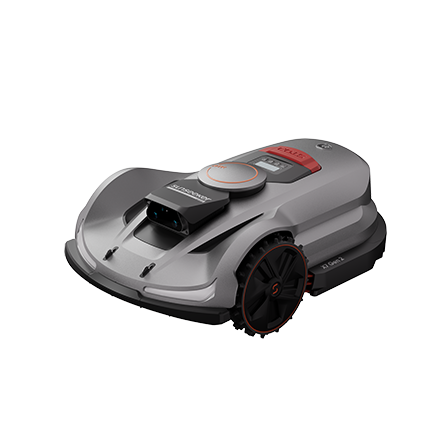
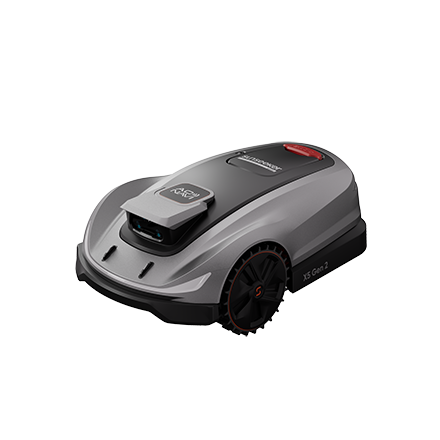
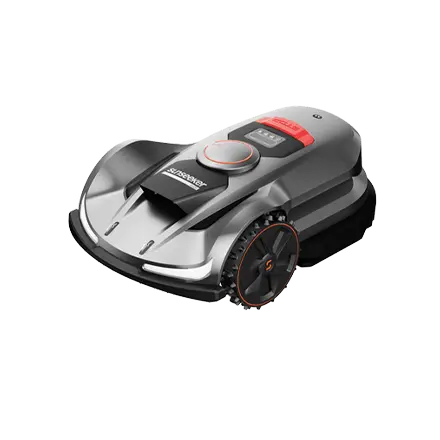
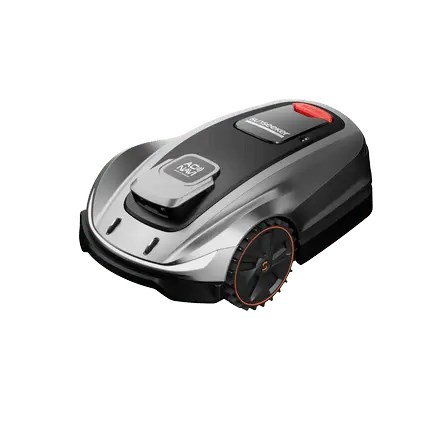
For routine mowing after the main leaf cleanup, the Sunseeker Elite X4 can help maintain an established lawn with frequent light cuts. Its wire-free setup and intelligent navigation suit regular upkeep on clear grass, so fine clippings and small leaf fragments do not sit too long.

After mulching, look down at the lawn surface. Green grass should still be easy to see. If the lawn looks mostly brown, there is too much material left on top. Rake part of it away, bag one mower pass, or spread the pieces into thinner areas.
A thin mulched layer may look slightly speckled for a few days. That is normal. A thick layer that holds together when you lift it with a rake is not normal and should be removed. Try to keep chopped leaves below about 1/4 inch once they settle. This is especially important on shaded lawns, clay soil, and areas that dry slowly after rain.
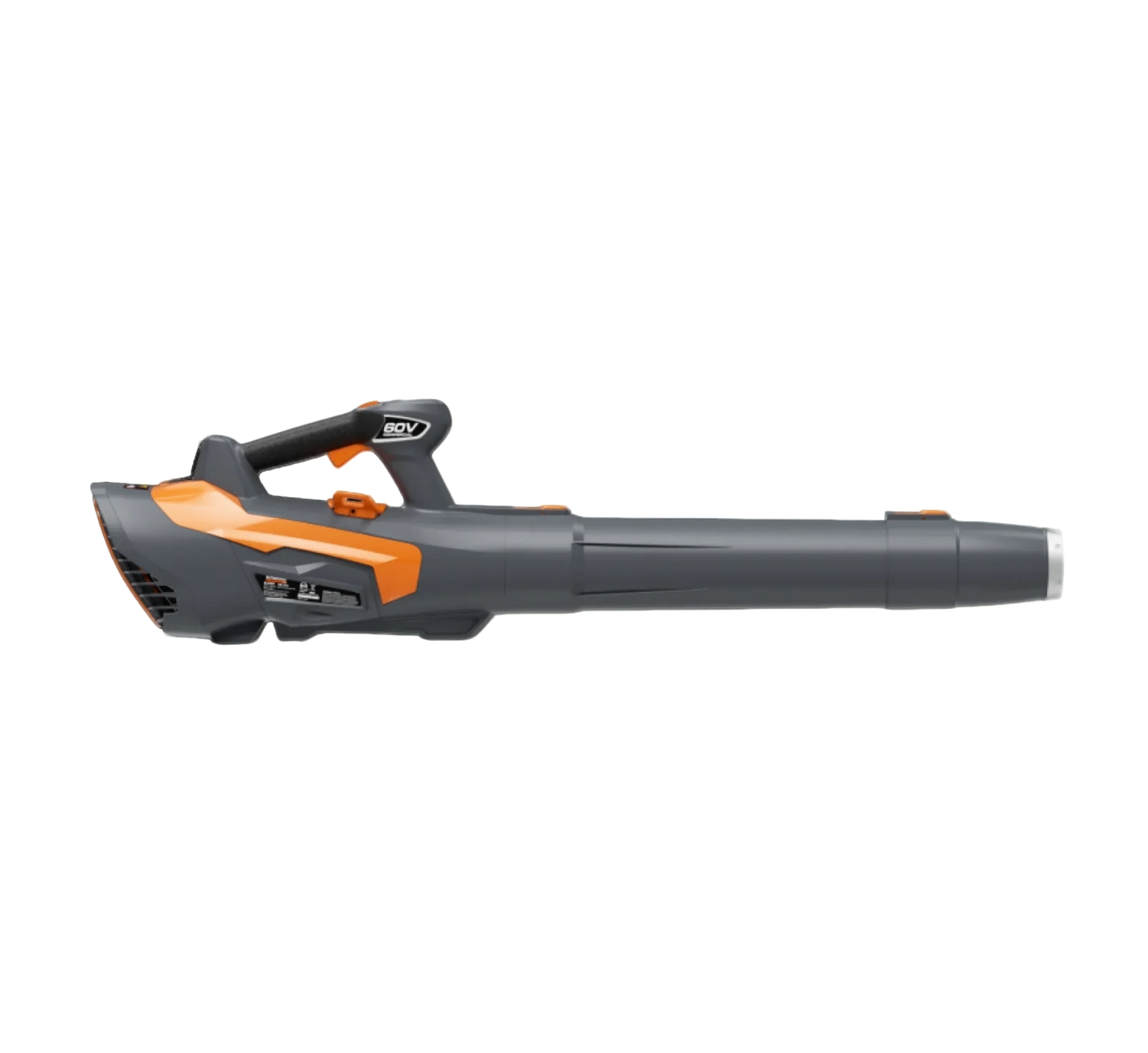
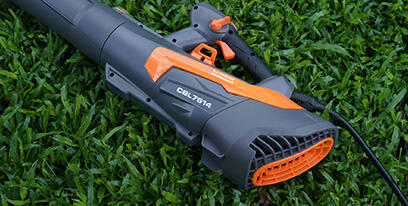
Wet leaf piles should not be forced through a mower. They can clog the deck, leave slippery clumps, and press grass flat. Clear them with a rake, leaf blower, tarp, or bagging mower. Pay close attention to corners, fence lines, drainage swales, and the base of trees where wind gathers leaves.
If a pile has already sat for a week or more, inspect the grass. Yellow blades may recover after light and air return. Slimy, blackened, or sour-smelling turf needs cleanup and drying time before fertilizer.
A thick leaf blanket changes the tiny climate around the grass. It blocks light, holds moisture near the crown, and can create a cool, damp layer where turf struggles to breathe.
These problems are most common when leaves stay in place through repeated rain, early snow, or long shaded periods. Watch for these signs and act before a short cleanup turns into spring repair work:
These problems do not mean every leaf is harmful. They show why layer depth matters. If you ask, should i leave leaves on my lawn, check grass visibility, moisture, and upcoming weather first.
So, should you leave leaves on your lawn? Leave only a thin layer, and mulch it into small pieces before it blocks the grass. Rake wet piles, deep cover, and leaves on weak or newly seeded turf. A steady autumn routine protects light, airflow, and soil health, while reducing spring repairs. For homeowners who want easier routine mowing after leaf cleanup, Sunseeker’s Robot Lawn Mowers can help keep established lawns tidy through regular maintenance.
Yes, you can mow over fallen leaves when they are dry and not too deep. The mower should chop them into small pieces that fall between grass blades. If whole leaves still cover the surface after mowing, bag part of the material or rake first, then mulch the rest later.
A very thin layer of shredded leaves can stay over winter, but whole wet leaves should not cover the grass. Remove piles before long freezes, snow, or extended rain. Winter leaf mats can trap moisture, reduce airflow, and leave yellow or bare patches when spring growth begins.
Leave only enough shredded leaf material for the grass to remain clearly visible. As a practical guide, mulch light leaf cover often and keep settled pieces below about 1/4 inch. If the lawn looks mostly brown instead of green, remove some leaves and spread the rest more evenly.