






FAQs
8/1/2026
Contents
Products
Residential Lawns









Explore
Where to Buy


Thin grass usually improves when you fix the reason behind weak growth, then overseed into prepared soil and protect the new seedlings. A thicker lawn needs light, air, moisture, nutrients, and careful mowing. Most visible improvement takes 4 to 8 weeks, while a truly dense lawn often needs a full growing season.
A lawn can remain thin even when it receives regular water and mowing. Bare soil may show between the blades, while areas near paths, beneath trees, or used by children and pets struggle to fill in. Spreading more seed may improve coverage temporarily, but sparse growth often returns when the underlying conditions stay unchanged.
In this blog, you’ll learn how to thicken lawn areas by improving soil, adjusting mowing and watering, controlling weeds and pests, managing traffic, and helping new seed establish alongside the existing turf.
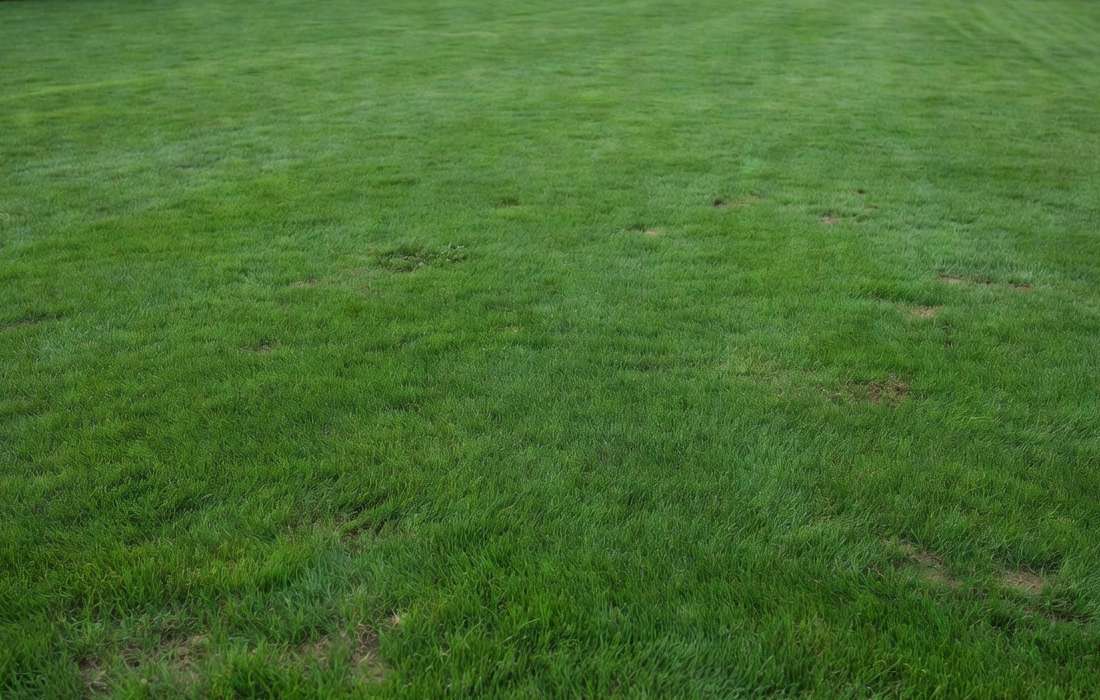
A thin lawn is usually a symptom, not a single problem. Before you spread seed or fertilizer, take a few minutes to identify the pressure that is stopping the grass crowns and roots from spreading.
Common causes include compacted soil, low organic matter, shade, drought stress, dull mower blades, low mowing, pest activity, weeds, and seed that does not match the site. If a screwdriver is hard to push 4 to 6 inches into moist soil, roots may be struggling to breathe and grow.
Watering patterns also matter. Daily misting can keep the surface damp while roots stay shallow. Established turf usually needs about 1 to 1.5 inches of water per week, including rainfall, adjusted for heat, soil type, and grass species.
Mowing too short is another major reason grass opens up. Cool-season lawns often perform well around 3 to 4 inches during active growth, while many warm-season lawns stay denser around 1.5 to 3 inches, depending on species. Cutting more than one-third of the blade at one time weakens the plant and gives weeds more light.
The best plan follows a simple order: improve the soil, open the surface if needed, seed thin spots, then keep the young grass moist and protected. Skipping preparation often leads to uneven germination and another thin lawn a few weeks later.
Start with a soil test if the lawn has been weak for more than one season. A basic test can show pH and nutrient levels, which helps you avoid guessing with lime or fertilizer. Most lawn grasses grow best when soil pH sits roughly around 6.0 to 7.0, though the ideal range can vary by grass type.
Remove leaves, sticks, and loose dead grass before you work the area. For thin patches, rake the soil surface until it is slightly rough. Add screened compost or quality topsoil where the ground is low or poor, but keep it near 1/4 inch over existing turf so you do not bury healthy crowns.
If the lawn feels hard, water runs off, or roots look shallow, core aeration can help. A core aerator pulls soil plugs, allowing oxygen, water, and seed to reach the root zone. Cores about 2 to 3 inches deep are useful when the soil is moist but not muddy.
Thatch is different. It is a spongy layer of stems and roots between soil and green blades. A thin thatch layer is normal, but more than about 1/2 inch can block water and seed contact. Use a dethatching rake or machine only when thatch is truly excessive, since aggressive dethatching can stress an already weak lawn.
Choose a seed mix that matches your climate, light level, and existing lawn. Use shade-tolerant varieties under trees and a durable blend for sunny, high-use areas. Spread seed evenly, then rake lightly so it touches soil. Most grass seed should be covered with only about 1/8 to 1/4 inch of loose soil or compost.
Use the label rate for overseeding, not the rate for starting a bare lawn. Too much seed causes crowding, weak seedlings, and poor airflow. After spreading, press the area gently with a lawn roller, the back of a rake, or careful foot pressure. Good seed-to-soil contact is one of the biggest factors in even germination.
New seed needs consistent moisture. Keep the top 1/2 inch of soil lightly damp until germination, often with short watering sessions once or twice daily in dry weather. After seedlings reach about 1 to 2 inches tall, shift gradually toward deeper, less frequent watering. This encourages roots to move down into the soil.
A starter fertilizer can help new grass if the soil test supports it. Look for a product labeled for seeding, and follow the spreader setting carefully. Avoid heavy nitrogen on fresh seedlings, especially during hot weather, because tender grass can burn or grow too quickly above ground before roots are strong.
Mowing shapes lawn density because every cut affects leaf area, root energy, and how much sunlight reaches weeds. The goal is frequent, light trimming, not scalping.
Wait until new seedlings are tall enough before the first mow. A good rule is to mow when seedlings reach about one-third higher than the planned height. For example, if you want to maintain the lawn at 3 inches, mow when new growth is close to 4 inches. Use a sharp blade, dry grass, and a light mower setting so young plants are not pulled out of the soil.
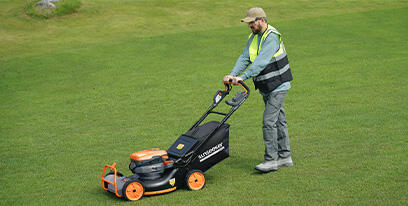
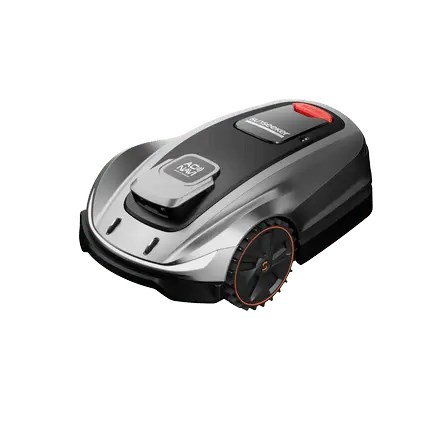
For an established lawn that is already rooted and ready for routine mowing, Sunseeker Elite X5 can support that routine after the lawn is established. Scheduled mowing, virtual zone management, and a floating cutting disc help maintain a more even height without repeatedly taking off too much growth at once. Keep the mower off freshly seeded areas until seedlings are rooted and firm under light foot pressure.
Leave short, dry clippings on the lawn so they can break down and return small amounts of nitrogen. Bag only when grass is wet, diseased, or clumping on top of the turf. Change mowing direction regularly so wheels do not compact the same lanes every week.

A thick lawn naturally reduces many weed problems, but thin turf often needs help before new seed can establish. Handle weeds and pests carefully so you do not harm young grass.
Pull isolated weeds by hand before overseeding, especially broadleaf weeds with deep taproots. For larger weed pressure, check the herbicide label before applying anything near new seed. Many broadleaf weed killers require a waiting period before seeding or after seedlings emerge. Applying the wrong product at the wrong time can stop germination or damage young turf.
Pests can also keep a lawn thin. Grubs feed on roots and often leave turf that lifts like a loose mat. Chinch bugs, sod webworms, and other insects can create thinning or brown areas that look like drought at first. Inspect the edge of damaged patches, where active pests are often easiest to find. Treat only when you confirm the pest and reach a level that justifies control.
Bare spots need a slightly different approach. Remove dead material, loosen the top 1 to 2 inches of soil, level the surface, then seed and cover lightly. For heavy traffic, add stepping stones or protect repair zones until the grass can handle use.
The timeline depends on grass type, weather, soil, watering, and how thin the lawn is at the start. You can often see early change within weeks, but lasting density takes patience.
Cool-season grasses such as ryegrass, fescue, and bluegrass often germinate in roughly 5 to 21 days under suitable soil temperatures. Warm-season grasses can take longer, especially when soil is not warm enough. New seedlings may look delicate at first because roots need time to anchor.
A realistic schedule looks like this: germination in 1 to 3 weeks for many mixes, first light mowing after 3 to 6 weeks, visible filling in after 4 to 8 weeks, and stronger density after 2 to 4 months of steady care. A lawn that has heavy shade, poor soil, severe compaction, or repeated pet and traffic damage may need a full season or more.
Learning how to thicken lawn areas starts with correcting the reason grass is thin, then overseeding into prepared soil and protecting new growth. Test the soil, relieve compaction, seed at the right rate, water consistently, and mow high enough to support roots. For ongoing care after recovery, GPS Robot Mowers can help homeowners keep established lawns trimmed on a regular schedule while supporting a cleaner, steadier turf routine.
The best fertilizer depends on your soil test and grass type. For overseeding, a starter fertilizer can help if phosphorus is allowed and needed in your area. For established turf, use a balanced lawn fertilizer with controlled nitrogen. Avoid heavy feeding during drought, heat stress, or early seedling growth.
Build density through soil improvement, correct mowing height, deep watering, overseeding, and steady weed control. Mow often enough to remove only the upper third of the blade, keep traffic off weak areas, and reseed at the right season. A super thick lawn usually takes repeated care, not one product.
Lawn thickener can work when it contains suitable seed, fertilizer, and soil-improving material for the site. It works best on lightly thin lawns with good soil contact and regular moisture. It will not solve compaction, shade, pests, poor drainage, or heavy traffic unless those causes are corrected first.