






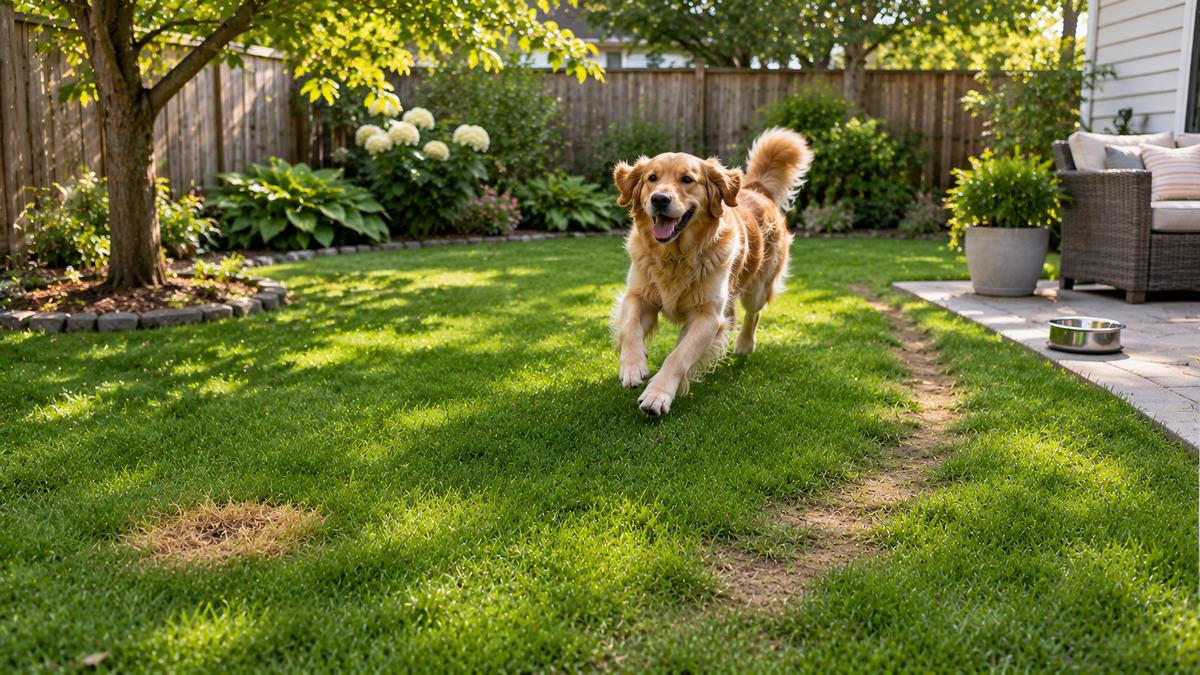
Dogs put very different pressure on a yard than people do. Repeated runs along the fence, sharp turns near the patio, digging, and returning to the same bathroom spots can wear down certain areas much faster than the rest.
The best grass for dogs needs to suit both the climate and the way the yard is used. Some varieties recover quickly after heavy traffic, while others handle heat, shade, or dry conditions better. So which grass is most likely to hold up in your yard?
Which Grasses Hold Up Best to Dogs, Running and Daily Wear?
Dogs put turf under a different kind of pressure than ordinary foot traffic. A good candidate needs enough durability for repeated use and a recovery habit that suits your yard, but climate, sun, and soil still set the limits. The five grasses below cover very different situations.
Tall Fescue
Tall fescue is a strong cool-season choice when the lawn sees regular traffic and summer heat. Turf-type tall fescues are durable, relatively drought tolerant, and commonly used where wear matters, which suits yards where a dog runs across broad areas instead of following only one narrow track.
Its weak point is recovery. Tall fescue grows mainly in bunches, so a worn patch does not knit itself back together as aggressively as a spreading grass. If a dog repeatedly tears up the same turn or launch point, overseeding may still be part of the routine.
Perennial Ryegrass
Perennial ryegrass is useful when quick establishment matters. It germinates rapidly, establishes fast, and has strong wear tolerance, so it can be a practical choice for cool-season lawns that need frequent repair after play, running, or seasonal damage.
The tradeoff is that perennial ryegrass is only moderately tolerant of shade and drought, and its recuperative ability is limited once plants are actually lost. Its speed comes into its own when you can overseed thin areas before they become bare soil. In a sunny, well-drained dog yard, that quick turnaround can be more valuable than having a grass that spreads slowly on its own.
Bermudagrass
For warm climates and sunny yards, Bermudagrass is one of the toughest options in this group. It has very good to excellent wear tolerance and spreads through stolons and rhizomes, so healthy turf can move back into damaged areas during active growth. That makes it well suited to dogs that run hard across the same open lawn day after day.
Sun is the non-negotiable part. Bermudagrass performs poorly in shade, so a yard lined with mature trees may stay thin no matter how much traffic tolerance the grass has on paper. Its aggressive growth also asks for regular edging around beds and paths.
Zoysiagrass
Zoysiagrass forms a dense warm-season turf and has good to fair wear tolerance, with better shade performance than Bermudagrass in many situations. It can suit a dog yard where you want a thick lawn that handles normal play without turning every lightly shaded area into a bare patch.
Recovery is slower than Bermudagrass because zoysia grows more deliberately. A dog that repeatedly skids through the same corner may damage it faster than the grass can fill back in. Zoysia makes more sense when traffic is moderate and spread out, especially if the lawn also needs some shade tolerance and you are comfortable giving damaged spots time to recover.
St. Augustinegrass
St. Augustinegrass brings one advantage that matters in many southern yards: it handles shade better than most warm-season turfgrasses. Its broad blades can create a dense, attractive lawn under filtered light where Bermudagrass may struggle, so it can work around trees and structures that leave the yard partly shaded.
Heavy dog traffic is where the fit becomes weaker. St. Augustinegrass has poor wear tolerance and does not respond well to compaction, so a fence-running dog or a busy shortcut can thin it quickly.
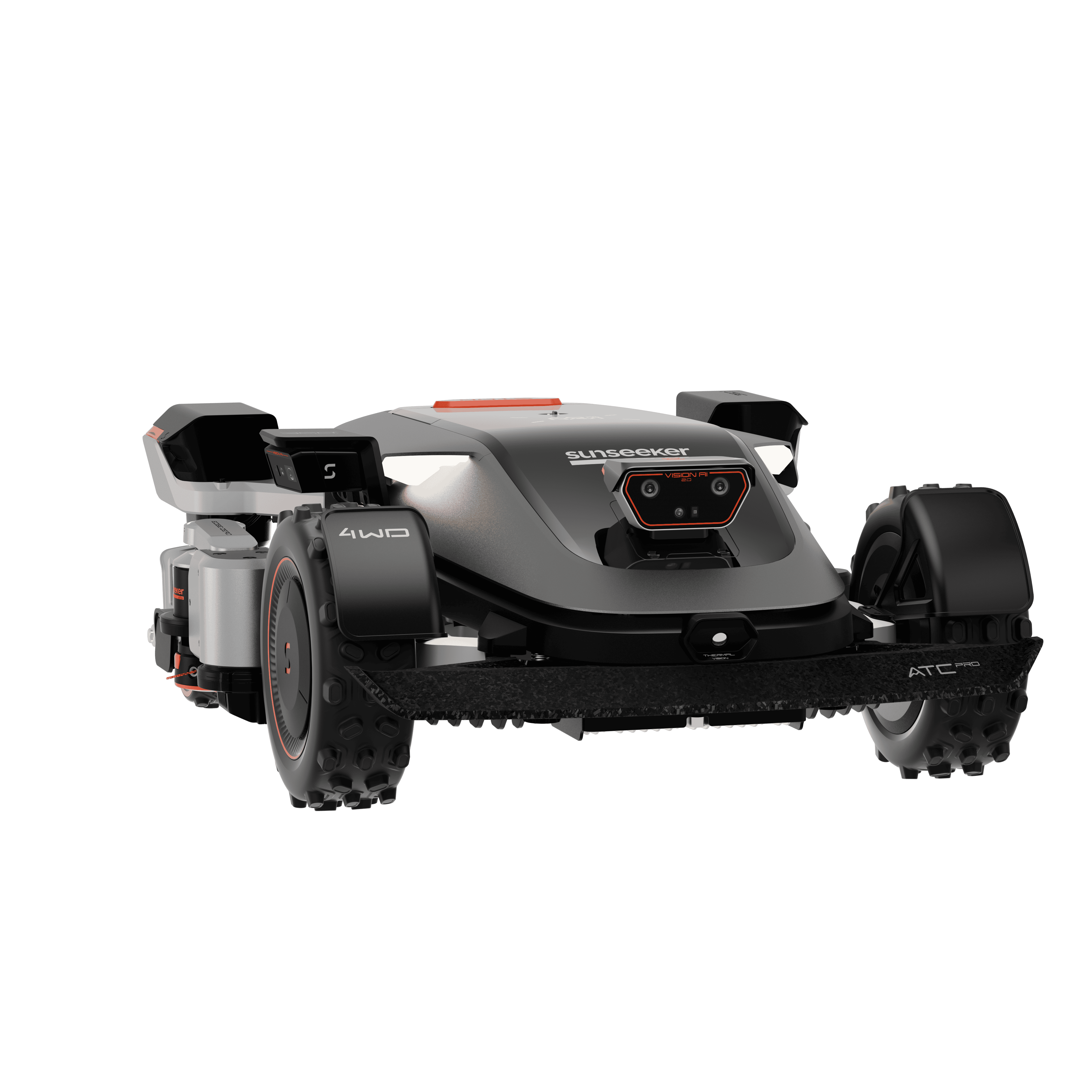
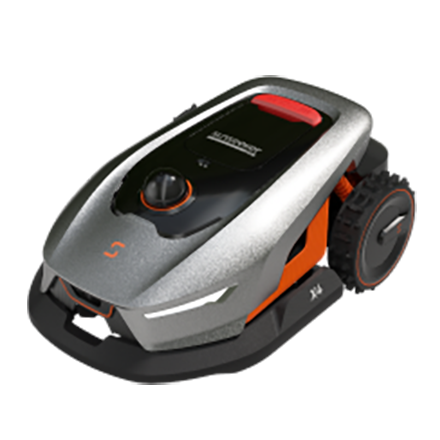
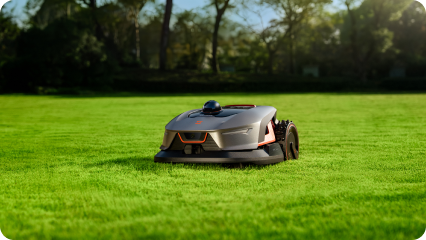
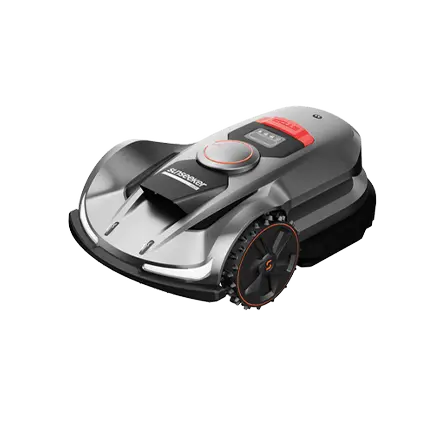
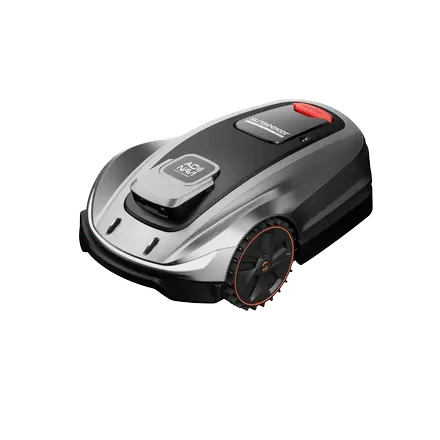
Grass choice is only half of the wear equation. On sloped, bumpy, or damp properties, a mower that repeatedly slips or scuffs the same turf can add stress of its own. AWD Robotic Mowers are most relevant in that kind of terrain because all-wheel drive adds traction where a flat, simple lawn is not the reality.
Brown Spots Don't Always Mean You Chose the Wrong Grass
Brown patches are not always a sign that the grass itself is wrong for the yard. Dog urine can burn a small area with a concentrated dose of nitrogen, often leaving a tan center with darker green growth around the edge. Several similar spots close together are a useful clue.
Wear from running usually looks different. Thin or bare grass often follows the same route along a fence, between the door and gate, or around a favorite turn near the patio. The soil may also feel hard and compacted. Reseeding the same strip will only go so far if your dog crosses it several times a day.
Match the fix to the pattern. Urine-damaged spots can be watered and repaired with fresh seed or sod, while a heavily used route may work better as a wider path or tougher surface.
If brown areas appear well away from your dog’s usual spots, check for drought, drainage problems, disease, mowing stress, or herbicide damage before replacing the grass.
The Lawn Treatment Can Matter More Than the Grass
Choosing a dog-friendly grass is only part of the picture. What you put on the lawn, when you apply it, and where you store it can matter just as much when pets use the yard every day.
- Follow the exact product label. Check the re-entry instructions for any fertilizer, herbicide, insecticide, or fungicide you use. Spray products often need time to dry, while granules and other treatments may have different rules.
- Clear the area before treatment. Move bowls, toys, chews, and anything else your dog may pick up or lick. Keep pets away for the full period listed on the label.
- Store lawn products securely. Keep fertilizers and pesticides in their original containers, close them tightly, and place them where pets cannot reach them.
- Reduce how often treatment is needed. Repair compacted soil, improve drainage, mow at a suitable height, and fix thin or heavily worn areas. A denser, healthier lawn gives weeds and bare patches fewer chances to keep coming back.
A Dog Lawn Doesn't Need to Stay Perfect
A yard used by a dog will show some evidence of being used. A slightly worn turn, a repaired bathroom spot, or a path beside the fence is not the same thing as a failing lawn. Chasing a flawless surface can create more reseeding, more watering, more treatment, and more frustration than the yard actually needs.
Design around the habits that repeat. Give the hardest-running route a tougher surface, spread play across a larger area when possible, and repair small damage before it becomes bare soil. Then keep the grass at the height and mowing rhythm that suits the species, especially during heat or drought when both dog traffic and mower traffic can injure stressed turf more easily.
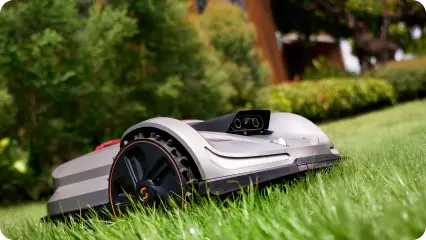
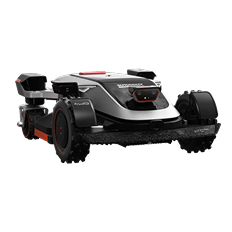
On estate-scale lawns, the Sunseeker Elite X9 Plus is designed for up to 6 acres in 48 hours and combines all-wheel drive with four-wheel suspension for difficult ground. Its 360-degree sensing system also uses infrared animal detection to identify and avoid low-profile obstacles in low light, a feature that is particularly relevant on properties where pets regularly move through a large lawn. Mowing can then be scheduled as part of the yard's routine rather than becoming another source of heavy traffic across stressed areas.