





FAQs
9/9/2026
Contents
Products
Residential Lawns









Explore
Where to Buy


Restore a lawn only after you know why it declined. Patch isolated bare spots, overseed while at least half the stand is still desirable grass, and plan a full renovation once weeds cover 30 to 50 percent of the area. Fix drainage, compaction, shade, or pests first, then seed or sod in the right season and protect the new grass until it has been mowed several times.
A lawn rarely thins out for just one reason. Heavy traffic packs the soil, a downspout keeps one corner soaked, and a hot August exposes shallow roots, often in the same yard. Throw seed over those symptoms and you may get a brief green haze, but the same bare patches return.
Restoration works better as diagnosis first, planting second. The sections below cover how to judge what is worth saving, what caused the decline, the repair steps in order, and when to do the work.
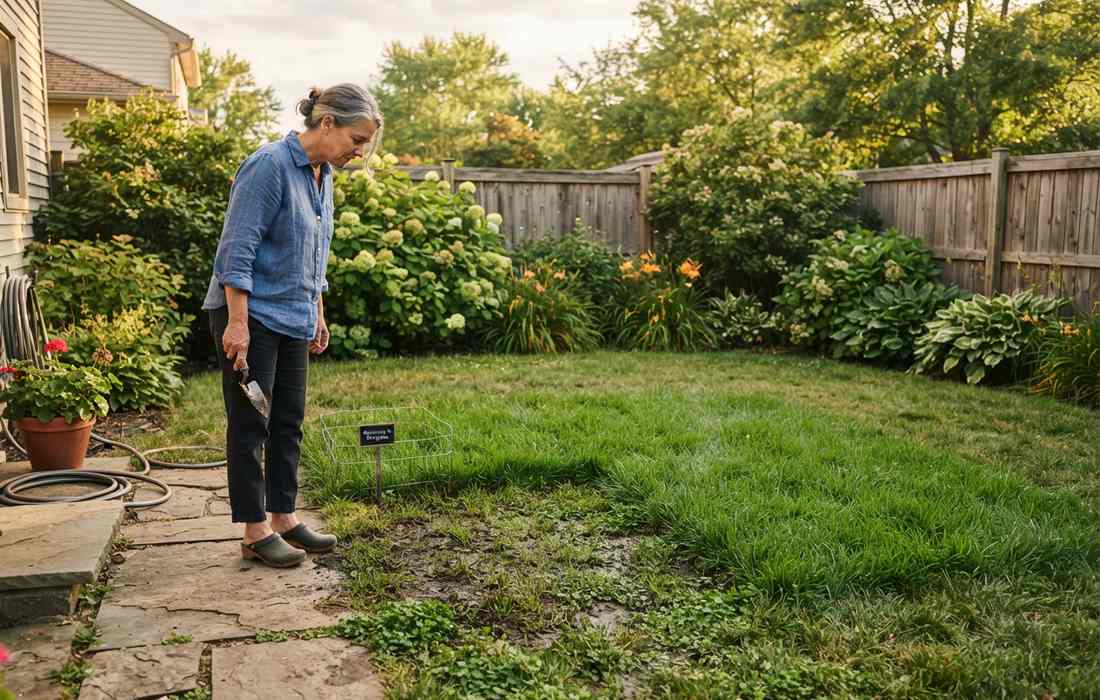
How much healthy grass is left decides most of this. Walk the yard, estimate the share of desirable grass against weeds and bare ground, then compare the four options below.
Approach | Best when | How soon it looks green | Effort and cost |
Patch | A few isolated bare spots in an otherwise healthy lawn | 2 to 4 weeks from seed, same day with sod | Lowest. Hand tools, topsoil, and a small bag of seed |
Overseed | Thinning turf, at least half the stand still desirable, thatch under half an inch | 2 to 4 weeks | Moderate. Aerate or slice, spread seed, water daily until germination |
Full renovation | Weeds hold 30 to 50 percent of the area and the surviving grass cannot close the gaps | 3 to 6 weeks from seed | High. Weed control, soil correction, then reseeding |
Replace with sod | Wrong grass for the site, grading has to change, or you need cover now | Immediate | Highest per square foot, shortest wait |
Those cutoffs come from turf specialists rather than guesswork. University of Minnesota Extension treats renovation as the right call when broadleaf or grassy weeds cover about 30 to 50 percent of the lawn and there is not enough surviving turf to close the gaps once those weeds are gone.
Penn State guidance draws the overseeding line at 50 percent. If half or more of the stand is still desirable grass, there are no perennial grass weeds such as bentgrass or quackgrass, and thatch stays under half an inch, overseeding usually works without tearing out the lawn.
Full replacement earns its cost when the species is wrong for the site, weeds own most of the yard, the grade has to change, or soil correction turns into a construction job. Sod covers the ground immediately. Seed costs less and gives you far more cultivar choice, but you wait longer for cover.
A repair only holds if it fixes the reason the grass lost the site. Read the pattern of the damage before you buy seed, because these four causes account for most thin lawns.
Compaction squeezes out the pore space roots need for air and water. Water the area, then push a screwdriver into the soil. If it stops after an inch or two, or if water runs off instead of soaking in, core aeration is worth doing.
Check thatch at the same time. A soft, spongy feel underfoot usually means the layer has passed three quarters of an inch, and Minnesota's guide to lawn thatch calls anything over half an inch excessive. Core aeration eases moderate compaction and speeds thatch breakdown, while a thick mat needs dethatching before seed can reach soil.
Not every brown patch needs seed. Grubs make turf lift like loose carpet. Fungal diseases usually leave a pattern, such as rings, spots, or lesions on the blades. Broadleaf weeds are often just filling gaps the grass left open.
Timing matters as much as the product. Some preemergence herbicides stop grass seed from germinating too, and many postemergence products list a waiting period before you can reseed. Read the label before you combine weed control with restoration.
Look right after heavy rain or a full irrigation cycle. Water that stands for hours points to grading, compaction, or a drainage limit. Dry slopes and strips beside pavement have the opposite problem and shed moisture before roots can use it.
Fix broken sprinkler heads, patchy coverage, and downspouts that dump onto turf before you plant anything. New seed needs steady moisture, but an established lawn should not be living on a daily sprinkle.
Count the hours of direct sun, and watch where people, pets, and mowers cross the same line every week. Grass that needs full sun will not thicken under a maple just because you seed it every fall. Reroute the traffic, thin the canopy, or switch to a shade-tolerant grass where your climate allows it.
Strips beside south-facing walls and driveways run hotter than the middle of the yard, so they often need their own watering plan and sometimes a different species.
With the cause identified, work in an order that protects whatever you plant. Soil correction comes first so you are not digging through new roots later.
Mark the problem areas and pull a soil sample the way your testing lab asks for it. A lab report gives you real numbers for pH, phosphorus, potassium, and lime instead of a guess based on color.
Write down what you see while you are out there: drainage, shade hours, compaction, pest damage. No soil test will tell you about a broken sprinkler head or the path your dog takes to the fence.
Rake out dead turf, stones, and matted organic debris. Treat perennial weeds with whatever suits the species you have, and respect the reseeding interval printed on the label.
Do not strip out healthy crowns just to make the soil look clean. In an overseeding job, the grass already there is half of your finished lawn.
Core-aerate compacted ground until the plugs are dense enough to matter. Colorado State Extension puts renovation aeration at holes 1 to 3 inches deep and about 2 inches apart in every direction, which normally takes several passes rather than one.
Dethatch only when the layer is genuinely blocking seed-to-soil contact. A thin organic layer is normal and does not need aggressive removal.
Add lime or nutrients only if the soil test asked for them. Fill shallow dips with compatible soil and feather the edges into the surrounding grade so water does not pool at the seam.
If drainage needs a real grade change, do it now. Seed cannot fix a low spot that stays saturated after every storm.
Pick a grass suited to your region and light conditions, then set the rate before you fill the spreader. Colorado State's renovation rates give a workable starting point:
Grass | Seeding rate per 1,000 sq ft | What it gives you |
Kentucky bluegrass | 3 to 4 lb | Spreads and knits over time, but germination runs 14 to 30 days |
Perennial ryegrass | 7 lb | Fastest cover, often blended in for early protection |
Turf-type tall fescue | 7 lb | Deeper roots and better heat and drought tolerance |
Fine fescues | 5 lb | Best fit for shade and low-input areas |
Seed labels and local recommendations should set your final rate, since regional trials often differ from a general table.
For instant cover on a small damaged patch, lay sod pieces tight with staggered joints, press them into firm soil contact, and water right away.
Keep the seedbed damp with light watering two or three times a day while seed is germinating, then stretch the interval as roots go down. NC State Extension treats a seeded lawn as established after the third mowing, which is the point to switch to less frequent, deeper watering.
Keep foot traffic and pets off soft ground. With sod, wait until a corner resists lifting before you treat it like normal lawn.
Timing follows the grass, not your free weekend. In cool-season regions, late summer into early fall is usually the strongest window: soil is still warm, air is cooling, and annual weed pressure is dropping. Minnesota Extension names mid-August to mid-September as its preferred window, with early spring as the backup.
Warm-season grasses go in when they are growing hard. NC State's bermudagrass calendar puts replanting of bare or worn areas in late May, using sod, sprigs at three to five bushels per 1,000 square feet, or common bermudagrass seed at 1 to 2 pounds per 1,000 square feet.
Then work backward from the end of your growing season. Kentucky bluegrass alone can take two to four weeks to germinate, and seedlings need several more weeks to tiller and root before hard cold or summer heat arrives.
New grass looks finished long before it is. Check these four things before you put the lawn back into normal service:
Traffic comes back gradually after that. Give the lawn a few mowings without torn seedlings or marked soil before it goes back to games, parking, or a regular pet route.
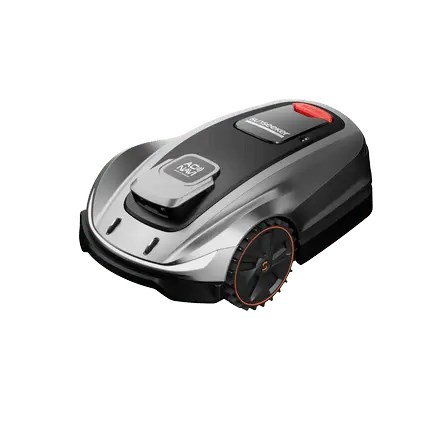
During recovery it helps to keep the rebuilt sections out of the regular mowing route. With the Sunseeker Elite X7 Gen 2, you can leave those areas off the digital mowing map while the grass establishes, then add them back once the turf handles routine cutting. Its wire-free AONavi navigation, which combines RTK positioning with VSLAM 2.0, means no perimeter cable has to be trenched through freshly seeded or sodded ground, and the 14-inch dual cutting disc keeps up with ongoing maintenance across larger lawns.

Lawn restoration works when you fix the reason the grass failed before you plant anything new. Let the share of healthy turf decide between patching, overseeding, and a full renovation, clear up compaction, drainage, weeds, and soil problems, then plant inside the right seasonal window and protect the new grass until it has taken a few mowings. Once the lawn is stable again, GPS Robot Mowers can hold that condition with digital mapping and mowing zones instead of a buried boundary wire.
Work backward from the end of your growing season instead of picking a date on the calendar. Cool-season seed needs warm soil and mild air to germinate and root before hard frost, which is why most northern renovations land in late summer. Warm-season grass wants the opposite, so plant it as summer heat builds and the turf is growing hard.
Seed dropped onto thatch or hard soil mostly dries out before it roots. Mow short, rake out debris, core-aerate compacted ground, and get the seed touching moist soil. Then keep the seedbed damp through germination. Most important, fix whatever thinned the lawn first, or the new seedlings die in the same spots.
Germination runs from about a week for perennial ryegrass to two to four weeks for Kentucky bluegrass, then add several more weeks of establishment. Plan on roughly four to eight weeks before the lawn takes normal use again. Sod looks finished on day one, but its roots still need about two to four weeks to knit in.