











FAQs
8/3/2026
Contents
Products
Residential Lawns









Explore
Where to Buy


Ant hills often appear when ants move soil upward while building tunnels under thin, dry, sandy, or disturbed turf. Small mounds can usually be leveled, treated with bait if the colony is active, and repaired with soil and seed. Dense grass, balanced watering, and quick surface repair help reduce repeat problems.
A few small piles of loose soil can make a tidy lawn look messy overnight. You may flatten one mound, only to find several more after warm weather or heavy rain. Since the grass often stays green, it can be hard to tell when a simple repair is enough and when the colony needs attention.
In this blog, you’ll learn why ants build nests in lawns, when the mounds can harm the grass, how to remove ant hills from lawn safely, and how to keep the surface smooth afterward. Early action makes the damage easier to manage.
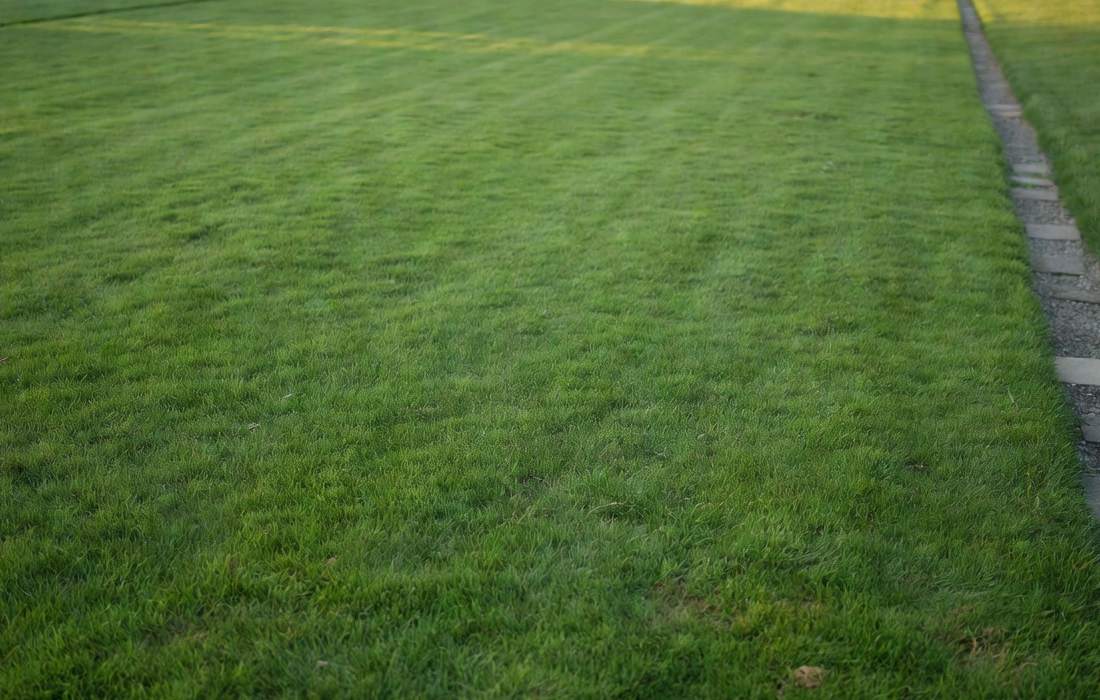
Ant hills form when worker ants dig tunnels and push loose soil to the surface. The visible mound is only the top of the colony activity, so brushing it away without changing the conditions may lead to another pile in the same area.
Lawns attract ants for several reasons. Dry, open soil is easier to tunnel through than dense, moist turf. Thin patches give ants direct access to soil and warm sunlight. Sandy ground drains quickly, which helps tunnels stay less waterlogged. Ants may also follow food sources such as aphids on nearby plants, fallen fruit, crumbs near patios, birdseed, or pet food left outdoors.
Weather can trigger new mound activity. After rain, ants may raise soil as they repair tunnels and improve airflow. During hot, dry periods, they may expand closer to the surface where warmth and food are easier to reach. Mounds often appear near sidewalks, driveway edges, garden borders, bare spots, and tree roots because these areas usually have warmer soil and less turf competition.
A few small ant hills are usually more of a surface nuisance than a serious lawn emergency. Ants can help break down organic matter and move air through soil, but larger colonies or repeated mounds can damage the look and usability of the grass.
The main problem is smothering and unevenness. Loose soil that sits on top of grass blades can block sunlight, dry into crusty patches, or dull mower blades if you mow over it. Mounds also create tiny bumps that make the lawn feel rough underfoot. If the colony keeps expanding, the turf around the nest may thin because roots lose contact with firm, moist soil.
There is also a comfort issue. Some ant species bite or sting, and mounds near play areas, patios, or pet paths can quickly become annoying. A few dime-sized mounds can be flattened and monitored. Repeated hills, visible ant trails, painful bites, or colonies close to the house deserve a more active control plan.
The safest approach is to fix the surface first, then treat the colony only when activity is clear. Work gently because aggressive digging can turn a small ant mound into a bare patch that takes weeks to fill in.
For small dry mounds, wait until the grass is dry enough that soil crumbles easily. Use a hand rake, broom, or the back of a garden rake to spread the soil thinly across the surrounding grass. Aim for a layer less than 1/4 inch thick, so the grass blades can still stand through it. Avoid pressing the mound down with heavy force, because compacted soil can create another weak spot.
If the mound is on a closely mowed area, lift the grass blades after spreading the soil. A light brushing helps expose leaves to sunlight again. Do not mow directly over fresh, gritty mounds because soil and small stones can nick blades.
Boiling water can kill ants on contact, but it can also kill grass roots, beneficial soil organisms, and nearby plants. It is a poor choice in the middle of a lawn unless you accept a dead spot and plan to reseed. It is more suitable for cracks in pavement or gravel areas where turf damage is not a concern.
Liquid mound treatments can be useful for certain ant problems, but follow the product label exactly. Apply only to the target area, keep people and pets away until the label says it is safe, and avoid using more product than directed. Extra chemical usually raises the risk of grass injury and runoff.
Bait is often more effective than washing away the mound because foraging ants carry it back to the colony. Choose a lawn-safe ant bait labeled for outdoor use. Place it near active trails or mound openings when the ground is dry and rain is not expected for at least 24 hours.
Do not disturb the mound immediately after applying bait. The colony needs time to collect it. Many baits work over several days, and larger colonies may take one to two weeks to decline. If ants ignore the bait, try again during active foraging rather than scattering more product blindly.
After mound activity drops, repair the grass so the spot does not stay open. Rake away loose soil clumps, add a thin layer of screened topsoil or compost if the area is low, and reseed with the same or a similar grass mix. Press seed into the soil lightly, cover with a very thin layer of compost, and keep the surface consistently damp until seedlings establish.
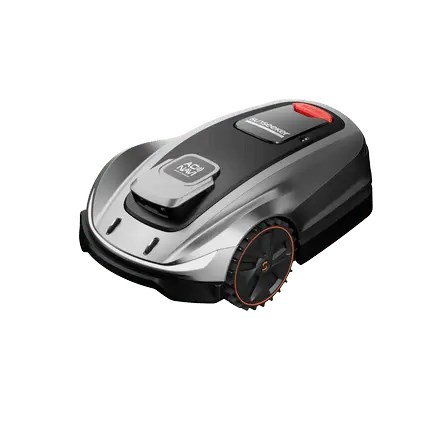
After the patch is level and growing again, regular mowing helps dense turf compete better with new surface disturbance. For an established lawn that only needs routine trimming, Sunseeker Elite X4 can support a steadier mowing routine with 360° 3D LiDAR plus Vision AI, app-based setup without perimeter wires, and a 1.6-3.2 in cutting height range.

Prevention works best when you make the lawn less inviting without trying to sterilize the soil. Ants are part of outdoor ecosystems, so the goal is to reduce repeated mounds in high-use areas and strengthen the grass around weak spots.
Use the habits below as a practical checklist, especially if mounds keep returning near the same edges, paths, or dry patches.
Most lawn ant hills can be managed with careful leveling, bait, and better turf care. Professional help becomes more sensible when the problem is large, painful, close to the home, or difficult to identify.
Call a lawn care or pest control professional if ants are biting or stinging, mounds cover a large section of lawn, colonies keep returning after several bait attempts, or you suspect fire ants or another aggressive species. You should also get help if mounds appear near electrical boxes, irrigation valves, retaining walls, patios, or foundation cracks.
A professional can identify the ant species, locate the main colony area, and choose a targeted product that fits local rules. This reduces the temptation to use harsh home mixtures across the whole lawn, which often harms grass before it solves the ant problem.
Learning how to remove ant hills from lawn starts with patience: flatten small mounds gently, avoid harsh treatments that burn grass, use bait when colonies are active, and repair thin turf afterward. Long-term success depends on dense grass, balanced watering, clean edges, and quick attention to new mounds. For routine upkeep after repairs, a robot lawn mower can help keep established grass consistently trimmed, while ant control still depends on targeted treatment and healthy soil habits.
Vinegar may kill some ants it touches, but it is not a reliable colony treatment and can injure grass. Strong vinegar solutions may burn blades and disrupt the soil surface. For lawn areas, bait labeled for outdoor ants is usually safer and more effective than soaking mounds with vinegar.
Dish soap mixed with water can kill some exposed ants, but it may also stress turf if the mix is too strong or repeated often. It rarely reaches the whole colony. Use soap mixtures cautiously, test a small spot first, and choose a labeled ant bait when you need lasting control.
Frequent ant hills often point to dry, sandy, thin, or disturbed turf with easy access to food. Mounds may increase after rain, heat, irrigation changes, or nearby insect activity on plants. Improve lawn density, clean up food sources, fix watering gaps, and use targeted bait for active colonies.