










FAQs
8/3/2026
Contents
Products
Residential Lawns









Explore
Where to Buy


Most routine lawn cuts cost about $30 to $85 for a small or average yard, but larger, overgrown, sloped, or obstacle-filled lawns can cost much more. Price usually depends on lawn size, mowing frequency, grass condition, labor rates, and add-on services such as edging, trimming, and debris cleanup.
You ask for a simple quote, then the answers come back all over the place. One neighbor pays a modest weekly fee, another pays twice as much for a one-time cut, and a larger yard down the street gets quoted by the acre. The question is not only how much to cut lawn areas, but also what that price includes.
This guide breaks mowing prices into the parts homeowners actually see on estimates: visit fees, hourly rates, square footage, add-on services, and DIY costs. Use it as a practical pricing map before you book a service, compare quotes, or decide that a different mowing routine makes more sense.
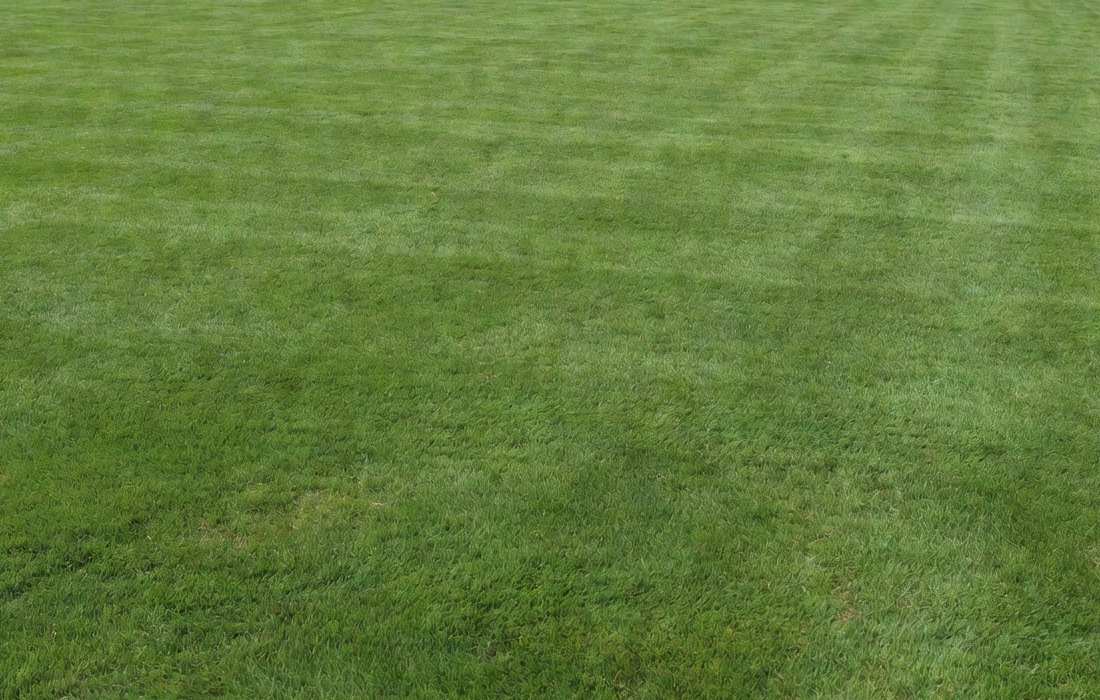
Lawn mowing prices vary by city, lot size, grass condition, and service frequency. For planning in 2026, the ranges below give a realistic starting point for typical residential work, not a guaranteed quote.
A routine cut for a small or average yard often lands around $30 to $85 per visit. A larger 1-acre lawn may cost about $60 to $120 when it is maintained regularly. One-time mowing, first visits, or on-call service can cost more because the crew must account for travel, setup, unfamiliar layout, and possible extra trimming.
Lawn mowing situation | Typical 2026 planning range | What it usually means |
Small or average recurring cut | $30-$60 per visit | Common for lawns around 1/8 to 1/4 acre with normal grass height. |
Half-acre lawn | $50-$70 per visit | Depends heavily on shape, gates, slopes, and trimming time. |
One-acre lawn | $60-$120 per visit | Large open areas cost less per square foot than tight, obstacle-heavy yards. |
Overgrown lawn | $70-$500+ per visit | Tall grass may need slower cutting, bagging, cleanup, or more than one pass. |
Your quote may sit outside these ranges if the lawn has steep banks, narrow access, many beds and trees, heavy leaf cover, or a long gap since the last cut. Ask exactly what is included. Some quotes include trimming around edges and fences, while others charge separately for detailed edging, debris removal, or haul-away.
Most companies do not price mowing with one formula. They look at the time required, the crew and equipment needed, the travel distance, and the risk of extra work once they arrive.
A per-visit price is the most common format for residential lawn care. You pay a set amount each time the crew mows. This works well for weekly or biweekly service because the lawn stays predictable. A recurring plan may be cheaper per visit than a one-time call because grass height, route access, and service time stay consistent.
Hourly pricing is common for mixed yard work or jobs where the scope is unclear. Many lawn care workers charge about $40 to $80 per hour for mowing and related maintenance, though local labor rates vary. Hourly quotes can be fair for unusual yards, but ask for a rough time estimate so the final bill does not surprise you.
Large properties may be priced by area. Per-acre pricing often gives a cleaner estimate for open lawns, fields, or estate-style properties. Smaller lawns are less often priced by square foot alone because travel, loading, unloading, and minimum service fees still apply even when the grass area is modest.
Two lawns with the same square footage can cost different amounts. The real price often reflects how easy the lawn is to reach, cut, trim, and finish cleanly.
Size matters, but shape can change the labor even more. A flat rectangular lawn is quick to cut. A narrow side yard, curved beds, tight corners, and separate lawn zones take longer because the mower must turn more often. Gates also matter. A crew using a larger mower may need extra time if the backyard gate is too narrow and requires smaller equipment.
Regular grass can be cut cleanly in one pass. Tall, wet, matted, or weedy grass slows the work. Overgrown lawns may require a first high cut, a second lower pass, and cleanup of heavy clippings. Some companies charge an overgrowth fee if grass is above 6 to 8 inches, especially when the lawn has hidden debris or uneven ground.
Fences, stairs, slopes, playsets, garden ornaments, tree roots, and parked vehicles all affect mowing time. A simple lawn may only need mowing and quick trimming. A crowded yard needs more careful handling around objects, which increases labor and reduces the benefit of larger equipment.
Weekly service usually keeps grass short enough for faster mowing. Biweekly service may be enough during slower growth, but it can become more expensive if the grass grows quickly between visits. Monthly mowing often creates taller grass, heavier clippings, and a less predictable finish. A seasonal contract may lower the per-cut price because the provider can plan routes and labor ahead.
Prices are higher in areas with strong demand, long mowing seasons, higher fuel costs, or higher wages. Urban and suburban markets may also include more travel time and parking limits. In some rural areas, the hourly rate can be lower, but the travel fee may rise if the crew must drive far between clients.
A basic mowing quote may not include every task that makes a yard look finished. Read the estimate carefully, especially if the lawn needs cleanup beyond a normal cut.
Trimming around fences, trees, mailbox posts, and garden beds is often included in a standard mow, but crisp edging along sidewalks, driveways, and patios may cost more. Edging takes extra time and may require a separate tool. If your lawn has long borders, ask if edging is included every visit or only on request.
Leaves, sticks, pine cones, trash, and storm debris slow mowing and can damage equipment. Light debris may be moved before mowing. Heavy cleanup is usually a separate charge, especially if the crew bags material or hauls it away. Expect higher prices after storms, in fall leaf season, or when a lawn has been ignored for several weeks.
An overgrown lawn is not just a taller version of a normal lawn. Long grass hides holes, branches, rocks, pet toys, and irrigation heads. It can also clog the mower and leave thick clumps. Providers may charge more because they need slower passes, higher cut settings, extra trimming, and sometimes a return visit after the grass dries or settles.
Professional lawn mowing is worthwhile for homeowners who prefer scheduled service and a consistently maintained appearance. It can be especially practical for large properties, lawns with slopes or obstacles, and households that do not have enough time to mow regularly. The service may also include edging, cleanup, and seasonal schedule adjustments, depending on the provider.
Managing the mowing yourself offers greater control over the timing, cutting height, and overall routine. This approach often suits smaller lawns, homeowners who enjoy yard work, and anyone who already owns suitable equipment. The mower type and time required will depend on the lawn’s size, layout, terrain, and growth rate.
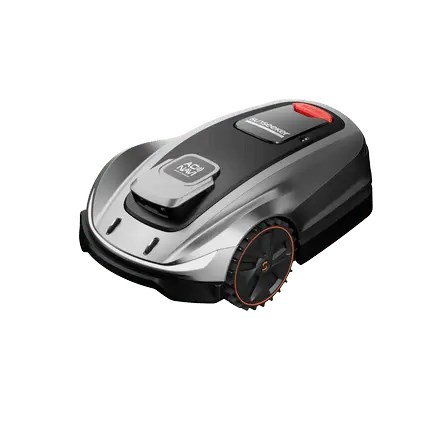
For a large, established lawn that needs frequent light cutting, a robotic lawn mower can become part of the regular maintenance plan. The Sunseeker Elite X9 is designed for large-area mowing, using AONavi™ navigation to follow planned routes across different lawn sections. Its EdgeZero™ system also supports closer cutting along suitable boundaries, helping maintain a more even appearance between other seasonal lawn care tasks.

The cost to get your lawn cut depends on size, condition, frequency, access, and local labor rates. A small maintained yard may be affordable per visit, while overgrowth, slopes, obstacles, and cleanup can raise the price quickly. Compare quotes by what they include, not price alone. For long-term savings, pair healthy mowing habits with a realistic maintenance plan. You can also explore a robotic lawn mower for large lawns if your goal is steady, routine mowing on a larger established lawn.
Most active lawns need mowing every 5 to 10 days during strong growth. Weekly mowing works well in spring or rainy weather, while slower growth may allow biweekly cuts. Follow the one-third rule: remove no more than one-third of the grass blade at one mowing to reduce stress.
A small, open yard may take 20 to 40 minutes with a walk-behind mower. A quarter-acre lawn often takes 45 to 90 minutes once trimming is included. Larger, sloped, or obstacle-filled lawns take longer because turning, edging, emptying clippings, and moving around objects add time.
Yes. Choose a regular mowing schedule, keep the lawn clear of toys and debris, avoid letting grass become overgrown, and bundle services only when you truly need them. You can also handle simple trimming or cleanup yourself, compare seasonal plans, and keep grass healthy so each cut takes less time.