


















A pet-safe plant list is only useful if the plants are attractive enough to earn a place in the house or garden. You still want color, shape, flowers, and texture - not a collection of choices that feel like second best simply because a dog or cat shares the space.
The eight plants below are listed by the ASPCA as non-toxic to dogs and cats, but non-toxic does not mean edible. Chewing a lot of any plant material can still upset a pet's stomach, so use safety as the first filter, then choose for the light, space, and way your pet actually moves through the room or yard.
8 Pet-Safe Plants Worth Making Room For
This group covers sunny beds, containers, shaded porches, and indoor shelves. Each one earns its place for a different reason, so the choice can still feel like a design decision rather than a compromise.
Roses
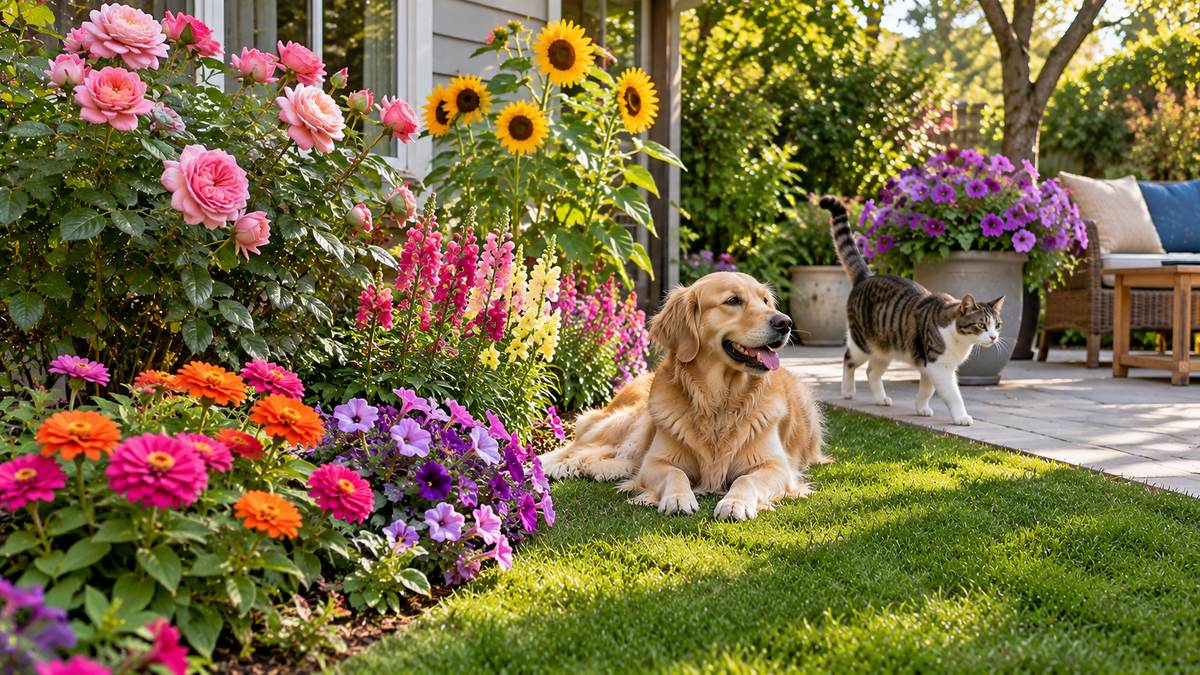
Roses give a pet-conscious garden real structure: flowers, fragrance, and a shrub shape that can anchor a border or repeat along a fence. They are safe for dogs and cats, although the thorns are still worth planning around. Keep thornier varieties away from a dog's usual running line, narrow gates, and squeeze-through spaces. In a calmer bed, roses bring a classic garden look and plenty of seasonal color.
Sunflowers
Sunflowers are useful when you want height fast without committing to a permanent shrub. They are non-toxic to dogs and cats, and a row at the back of a sunny border can create a quick summer screen while dwarf types work well in large containers. Put tall varieties away from narrow pet routes, where repeated brushing can knock stems over, and support them before the flower heads become top-heavy.
Zinnias
Zinnias bring the kind of generous summer color that can make a pet-safe garden feel designed. They look best planted in groups, especially when one or two colors repeat through the border. Because they are annuals, they are also easy to rethink next year if your dog turns part of the bed into a regular shortcut.
Snapdragons
Snapdragons add vertical flower spikes among lower, rounded plants and are safe around both dogs and cats. They work near paths, in containers, or through the middle of a mixed border where their height is visible without blocking everything behind them. In many climates, they also perform best in cooler weather, extending color beyond the hottest part of summer.
Petunias
Petunias are an easy way to soften steps, raised planters, window boxes, and the front of a sunny bed. They spread quickly and can add plenty of color without creating another permanent shrub zone for a pet to investigate. Repeating the same variety in two or three containers often looks more polished than filling every gap with a different flower.
Boston Ferns
Boston ferns suit the shaded side of pet-friendly planting. The true Boston fern is non-toxic to dogs and cats, and its arching fronds work well on covered porches, in bright bathrooms, or in hanging baskets that use vertical space instead of the floor. Check the botanical name before buying, since not every plant casually sold as a “fern” is the same species.
Spider Plants
Spider plants are one of the easiest indoor choices when you want something green, graphic, and forgiving. They are safe for dogs and cats, handle bright indirect light, and produce dangling plantlets that look especially good on a shelf or in a hanging pot. If your cat likes chewing leaves, placing the plant higher can also keep it looking neater.
African Violets
African violets fit the smaller spaces where a fern or palm would feel oversized. They bring flowers to bright shelves, ledges, and small tables without taking over the room. Bright indirect light usually suits them well, which makes them useful in apartments or pet homes where floor space is already claimed by beds, bowls, and toys.
What About the Grass Your Pet Runs on Every Day?
Flower beds and houseplants may get most of the attention when choosing pet-safe plants, but grass is often the plant a dog interacts with most. It is where they run, roll, rest, play, and sometimes chew a few blades, so the best lawn for a pet-friendly yard needs to handle everyday contact as well as look good.
For active dogs, durability matters. Watch the routes your pet uses most: a thin strip along the fence, a worn turn beside the patio, or a bare patch near the steps can show where softer turf is struggling with repeated traffic. In those areas, a tougher grass variety, a wider path, or another pet-friendly groundcover may work better than repeatedly reseeding the same patch.
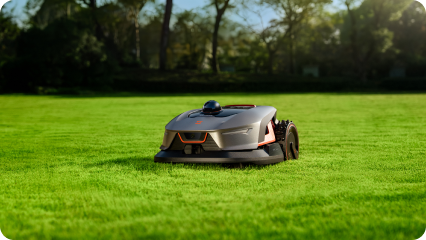
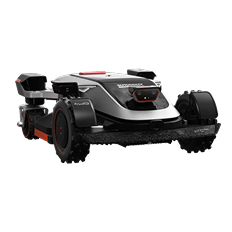
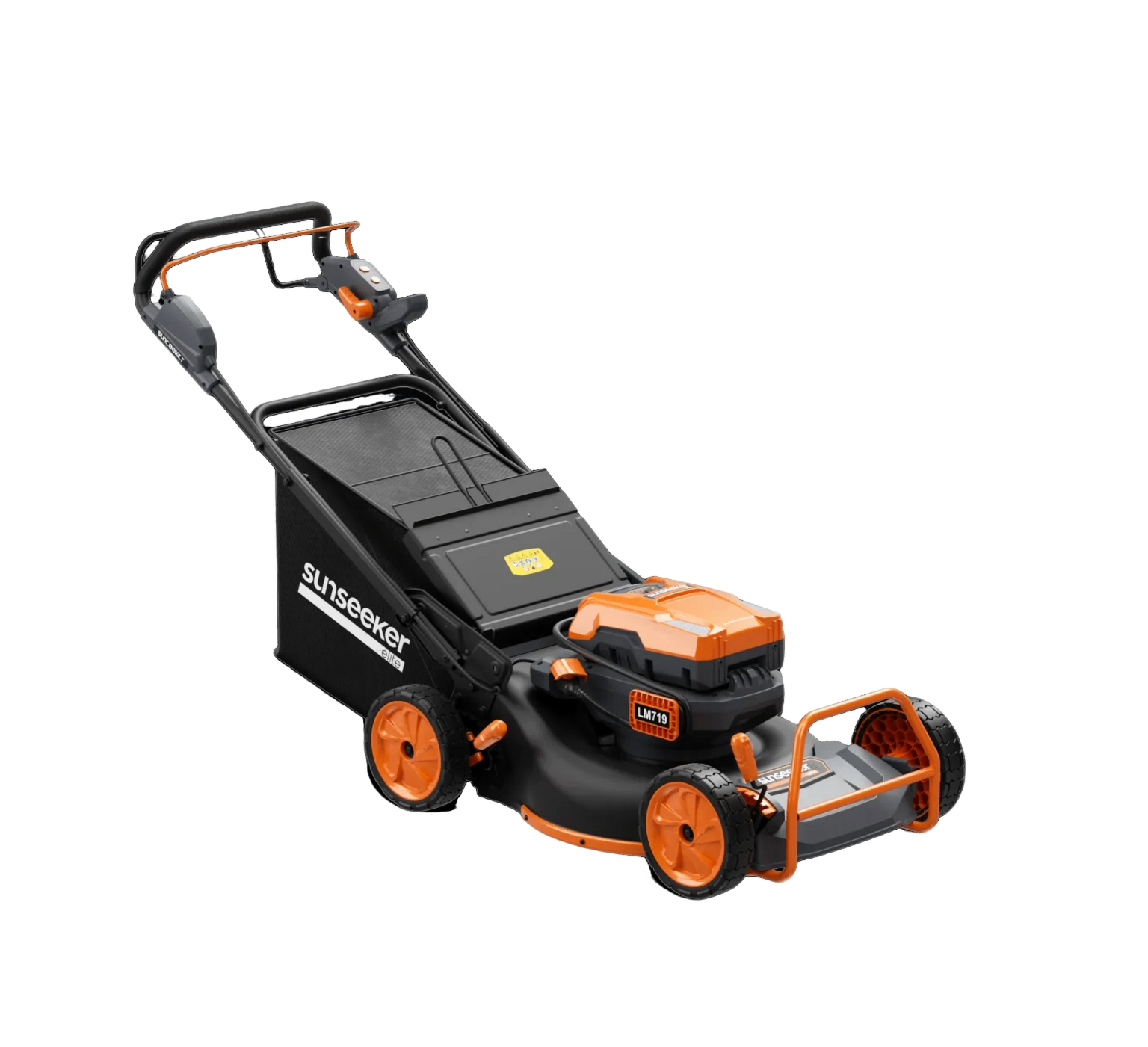
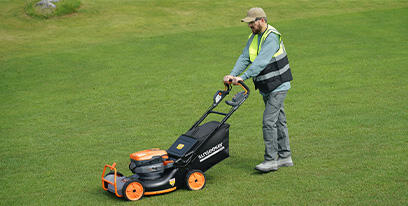
The condition of the lawn matters too. Regular mowing helps keep grass dense and manageable, while burrs, thorny weeds, muddy patches, and excessively long growth can make frequently used areas less comfortable for pets. On sloped or uneven lawns, AWD Robotic Mowers can keep mowing more consistent where traction is useful on bumpy ground or worn routes.
For estate-scale lawns, the Sunseeker Elite X9 Plus is rated for up to 6 acres in 48 hours and combines all-wheel drive with 360-degree sensing and infrared animal detection designed to identify and avoid animals and other low-profile obstacles. That makes it particularly relevant to large lawns that function as everyday living space for both people and pets.