




FAQs
8/26/2026
Contents
Products
Residential Lawns


Explore
Where to Buy


All wheel drive lawn mowers send driving force to every powered wheel, giving them stronger grip on hills, damp turf, and uneven ground. They are most useful where a basic FWD mower slips or an RWD mower loses stability. For flat, simple lawns, the extra traction may be unnecessary.
Mowers can feel perfectly capable on level grass, then struggle as soon as the yard turns steep, soft, or rutted. Spinning wheels waste time, tear turf, and can make slope work uncomfortable. That is where AWD becomes useful. The sections below explain how the system works, how it compares with FWD and RWD, which yards benefit most, and what specifications deserve attention before you choose an AWD mower.
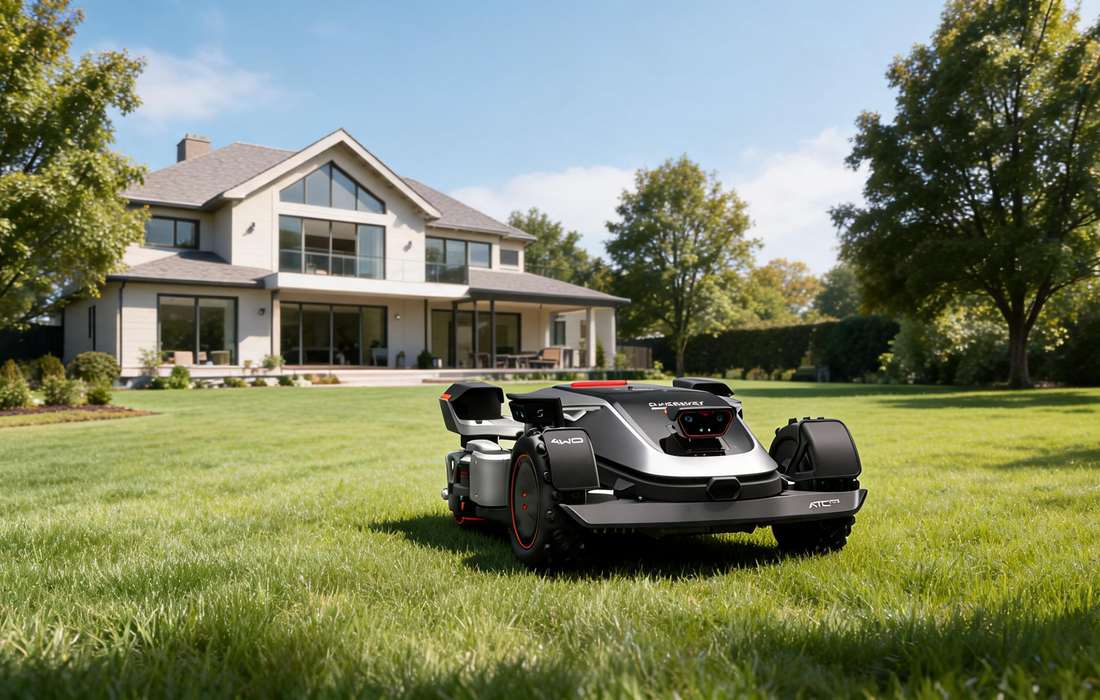
All wheel drive lawn mowers use a drive system that can send power to all driven wheels instead of relying only on the front or rear pair. The goal is simple: keep more tires engaged with the ground when traction changes across the yard.
On a walk-behind mower, AWD can help the machine pull itself across a slope or through uneven patches with less wheelspin. On a robotic mower, the same idea supports stable path tracking on demanding terrain. AWD does not create unlimited grip, though. Tire pattern, mower weight, ground moisture, slope angle, and operator technique still affect how securely the mower moves.
For homeowners, the practical advantage is more consistent propulsion. A mower with four driven wheels can keep moving when one part of the chassis crosses a depression, loose soil, or a slick patch. That is especially helpful on yards with frequent elevation changes rather than a single smooth incline.
AWD also brings trade-offs that matter on a simple yard. Extra driven components can add weight, price, and maintenance compared with a basic two-wheel-drive mower. More traction can also tempt users to mow conditions that are too wet or steep for safe operation. If your property is level, well drained, and easy to turn on, a lighter FWD machine may feel more responsive and cost less. Think of AWD as a terrain tool rather than a universal upgrade. It pays for itself most clearly when the mower regularly encounters hills, soft transitions, uneven ground, or long mowing routes where the wheels may keep spinning, slowing the mower and damaging the grass.
Drive layout changes how a mower pulls, turns, and holds traction. The table below gives a quick comparison before you match a system to your yard and mowing habits.
|
Drive type |
Best suited to |
Main strength |
Main limitation |
|
FWD |
Mostly flat, open lawns |
Easy turning because the front wheels pull the mower |
Can lose grip on climbs, especially when the front becomes light |
|
RWD |
Moderate slopes and typical residential yards |
Rear-wheel traction stays useful when pushing uphill |
Less balanced on mixed terrain where traction changes quickly |
|
AWD |
Slopes, uneven ground, damp areas, and complex yards |
Power at all driven wheels improves grip and stability |
Usually costs more and may add weight or mechanical complexity |
FWD remains a practical choice for small, flat lawns because lifting the front slightly can make tight turns easier. RWD is a strong middle option on ordinary slopes. AWD earns its extra cost when the yard repeatedly asks the mower to find traction on changing surfaces.
AWD is most valuable when loss of traction is a routine part of mowing rather than an occasional inconvenience. The following yard conditions are the clearest reasons to consider it.
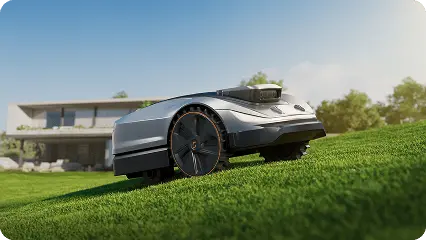
Hills increase the load on the drive system and make the wheels more likely to slip. AWD can spread propulsion across more contact points, helping a mower climb with less spinning and track more steadily across moderate slopes. Always follow the manufacturer's maximum slope rating; AWD does not override that limit. Measure the steepest part of the lawn instead of judging the whole yard by its average grade.
Damp turf, shallow ruts, tree-root zones, and soft soil can leave one or two wheels with poor grip. An AWD mower has a better chance of keeping useful traction elsewhere. Still, avoid mowing saturated ground. Tires can compact soil, create ruts, and smear wet grass even when the mower can move through it. Wait until the surface feels firm underfoot when conditions are very wet.
A large lawn often includes more terrain changes, longer slopes, drainage swales, narrow transitions, and sections with different soil moisture. AWD can reduce the number of areas that need a second pass or manual help. For complex properties, traction should be considered alongside turning radius, navigation, cutting width, obstacle handling, and the time needed to cover the full mowing area.
The AWD label alone does not tell you how well a mower will perform. A useful buying check looks at the whole traction, cutting, and safety system rather than treating four-wheel drive as a stand-alone specification.
Look for tread that can bite into turf without acting like an aggressive off-road tire that chews the lawn during turns. Wider tires can spread machine weight, while a well-designed suspension or articulated chassis helps keep wheels in contact with uneven ground. On robot mowers, active steering and traction control can also reduce scrubbing during direction changes.
Manufacturers usually publish a maximum slope as a percent grade, an angle, or both. A 50% grade is about 26.6 degrees, while a 70% grade is about 35 degrees. Do not treat the published maximum as a target for every condition. Wet grass, loose soil, abrupt transitions, and cross-slope travel can reduce usable traction. Choose a mower with headroom above the steepest section you regularly mow.
Match cutting width to the amount of open space and the mower's ability to reach narrow areas. A wider deck can shorten work on big lawns, but it may be less convenient around closely spaced trees or gates. For battery machines, check runtime, charging strategy, and replacement battery availability. For robotic models, area capacity and charging time matter as much as battery size because the machine works in repeated mowing and charging cycles.
AWD improves mobility, not basic mower safety. Walk-behind machines should have easy-to-reach blade and drive controls, and operators should follow the manual's slope direction guidance. Robotic mowers should include lift or tilt detection, obstacle sensing, controlled blade shutdown, and secure boundary or navigation systems. Keep children and pets away from active mowing zones, especially on slopes or near drop-offs.
For a large, difficult property, an AWD robot can remove much of the repeated manual work while still keeping traction and slope capability at the center of the buying decision. To make sure it can handle the property effectively, also consider its area capacity, navigation system, and available service support.
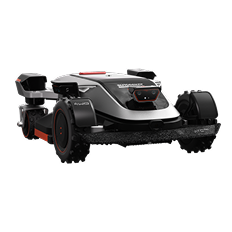
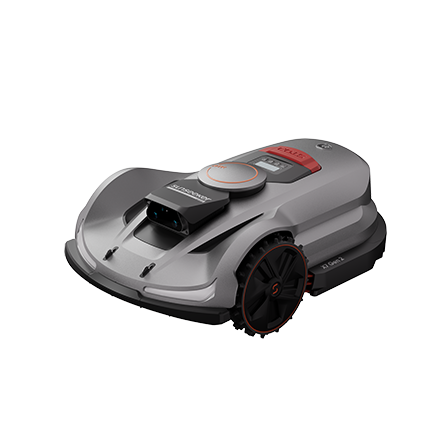
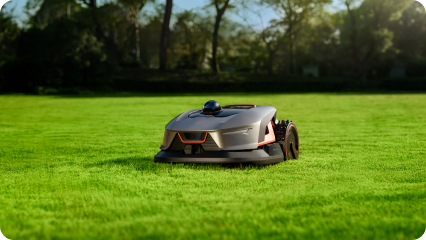
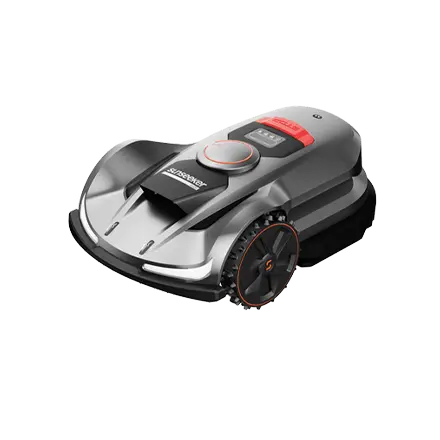
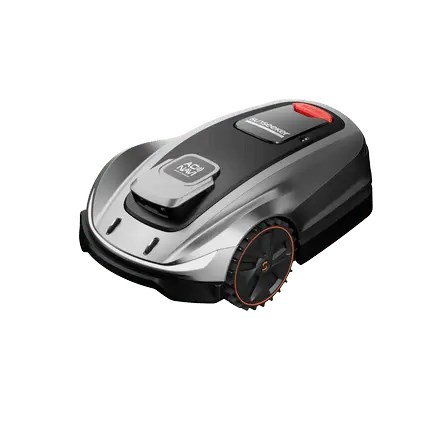
For steep or complex lawns, our Sunseeker Elite X9 Plus is the most relevant AWD option in this comparison. It uses an AWD/4WD drive system and is rated for slopes up to 90% / 42°. It also offers coverage up to 6 acres per 48 hours, a 17-inch cutting width, electric 0.8-4.0 inch height adjustment, and AONavi 2.0 with nRTK plus VSLAM 2.0. Those capabilities suit large properties where traction, planned navigation, and frequent autonomous mowing need to work together.

If your priority is routine light trimming rather than occasional heavy cuts, mulching-style robotic mowing can also support a healthier-looking finish because fine clippings remain on the lawn instead of filling a bag. Frequent mowing keeps those clippings small enough to settle between grass blades rather than forming visible piles.
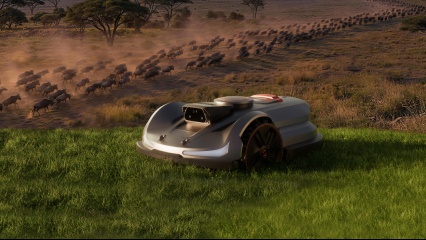
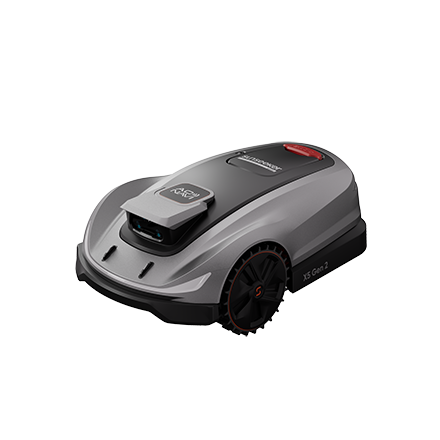
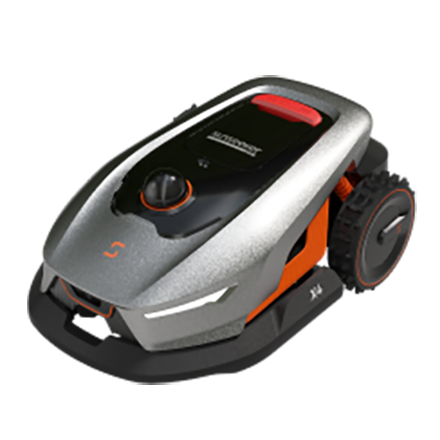
All wheel drive lawn mowers are worth considering when hills, soft ground, or irregular terrain regularly challenge a simpler drive system. AWD can improve grip and reduce wheelspin, but tire design, slope rating, cutting setup, and safe operating habits still matter. Flat lawns rarely need the added capability. For homeowners interested in autonomous upkeep, our robot mowers with mulching blades collection offers traction-focused robotic options for ongoing lawn maintenance.
AWD is better when your yard has slopes, uneven sections, damp patches, or frequent traction changes. It is not automatically better for every lawn. A lightweight FWD mower may be easier to maneuver on a small flat yard, while RWD is often enough for moderate slopes and ordinary residential mowing.
For hilly lawns, RWD or AWD mowers are usually the best choices because they provide better traction when climbing slopes. RWD works well for many walk-behind applications, while AWD can provide extra grip on steeper or uneven ground. For homeowners who prefer automated mowing, an AWD robotic mower with a suitable slope rating can also be a good option. Always stay within the manufacturer’s slope limits and avoid mowing when the ground is wet, slippery, or unstable.
AWD can maintain traction better than two-wheel-drive systems on slightly damp turf, but wet-grass mowing still has drawbacks. Saturated soil can rut or compact, clippings may clump under the deck, and slopes become more slippery. If footprints sink or water squeezes to the surface, wait for the lawn to dry before mowing.