




FAQs
8/3/2026
Contents
Products
Residential Lawns








Explore
Where to Buy


To check for grubs, cut and lift a one-square-foot flap of turf at the edge of damaged areas to count the larvae in the top soil. Your next steps depend on the grub count, turf vigor, and root damage. A healthy lawn can easily tolerate fewer than five grubs per square foot without treatment. However, counts exceeding ten grubs per square foot, or lower counts on weak, root-damaged turf, require prompt treatment with targeted controls to prevent severe lawn loss.
Your lawn starts turning brown in patches, and you may wonder whether it needs more water, fertilizer, or a different treatment. However, the real problem could be hidden underground—grubs feeding on the roots. Since grub damage often looks similar to other lawn issues, guessing can lead to wasted effort and unnecessary treatments.
This guide explains how to check for grubs in your lawn, from spotting warning signs to inspecting the soil and deciding what to do next.
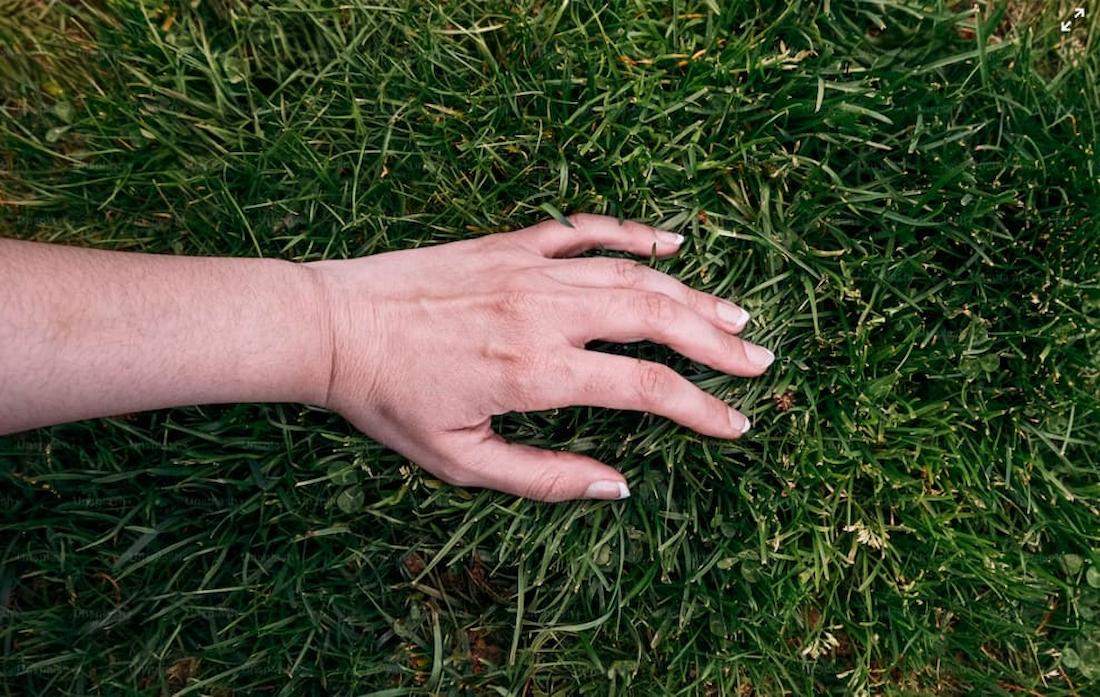
Grub damage is easier to identify when several symptoms appear in the same area. Check the turf, roots, soil surface, and nearby animal activity before deciding that grubs are the cause.
A healthy lawn can often tolerate a small grub population. Fewer than about 5 grubs per square foot usually calls for monitoring, while 5–10 is a warning range that should be judged alongside root damage, turf density, and spreading brown patches. Counts above 10 per square foot are more concerning, especially when the turf lifts easily or fails to recover after watering.
Check several locations before deciding, since grubs often occur in clusters. Thin, drought-stressed, or compacted turf may decline at lower counts, while dense grass with strong roots may withstand more feeding. Late-summer and early-fall counts are generally the most useful because young grubs are actively feeding near the surface.
A reliable grub test depends on sampling the right locations and examining enough soil to compare activity across the lawn. Use a flat spade, gloves, and workable—not saturated—soil.
Inspect at least two or three locations, including the transition between healthy and damaged turf. This boundary is often more useful than the dead center of a brown patch because larvae may still be feeding there. Include one healthy-looking area for comparison. If the soil is hard and dry, water lightly the day before testing.
Mark a section measuring about 1 foot by 1 foot. Push the spade 2–3 inches into the ground and cut three sides, leaving the fourth attached as a hinge. Fold the turf back carefully so it can be replaced after inspection. Check beneath any thick thatch as well as directly around the roots.
Examine the underside of the turf and the upper 2–3 inches of soil. Lawn grubs are typically cream-colored, C-shaped larvae with brown heads and small legs near the front. Break apart the root zone gently and record only confirmed grubs. One or two larvae in a single sample may not explain major damage, so compare several locations before considering treatment.
Look for shortened, sparse, or missing roots alongside the grub count. Healthy white roots may tolerate limited feeding, while loose turf with several larvae suggests more active damage. Replace the turf flap, press it firmly into place, and water lightly. Record each sample location, grub count, and root condition to identify where activity is concentrated.
The next step depends on the number of grubs, the condition of the roots, and the time of year. Confirm that active feeding is causing the damage before choosing treatment or lawn repair.
Inspect several 1-square-foot samples, especially where healthy grass meets a declining patch. Fewer than about 5 grubs per square foot can often be monitored in healthy turf. Counts of 5–10 require closer attention to root loss and spreading damage, while more than 10, combined with loose turf or missing roots, may justify treatment.
Curative products are most useful in late summer or early fall, when young grubs are feeding close to the surface. Select a product labeled for the grub species and your turf type, then follow its application rate, retreatment interval, safety directions, and watering requirements. Many soil-applied treatments must be watered in promptly to reach the root zone. Treat affected sections rather than assuming the entire lawn has the same population.
Preventive treatment may be appropriate where confirmed damage has occurred in previous years. Its timing depends on the active ingredient, so schedule it according to the label before young larvae begin causing visible root loss.
Rake away loose dead grass, restore soil contact, and water deeply enough to support surviving roots. Reseed cool-season lawns during a suitable establishment window, or install matching sod where immediate coverage is needed. Avoid heavy nitrogen applications that encourage fast top growth before the root system has recovered.
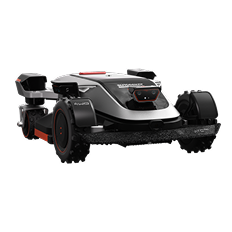
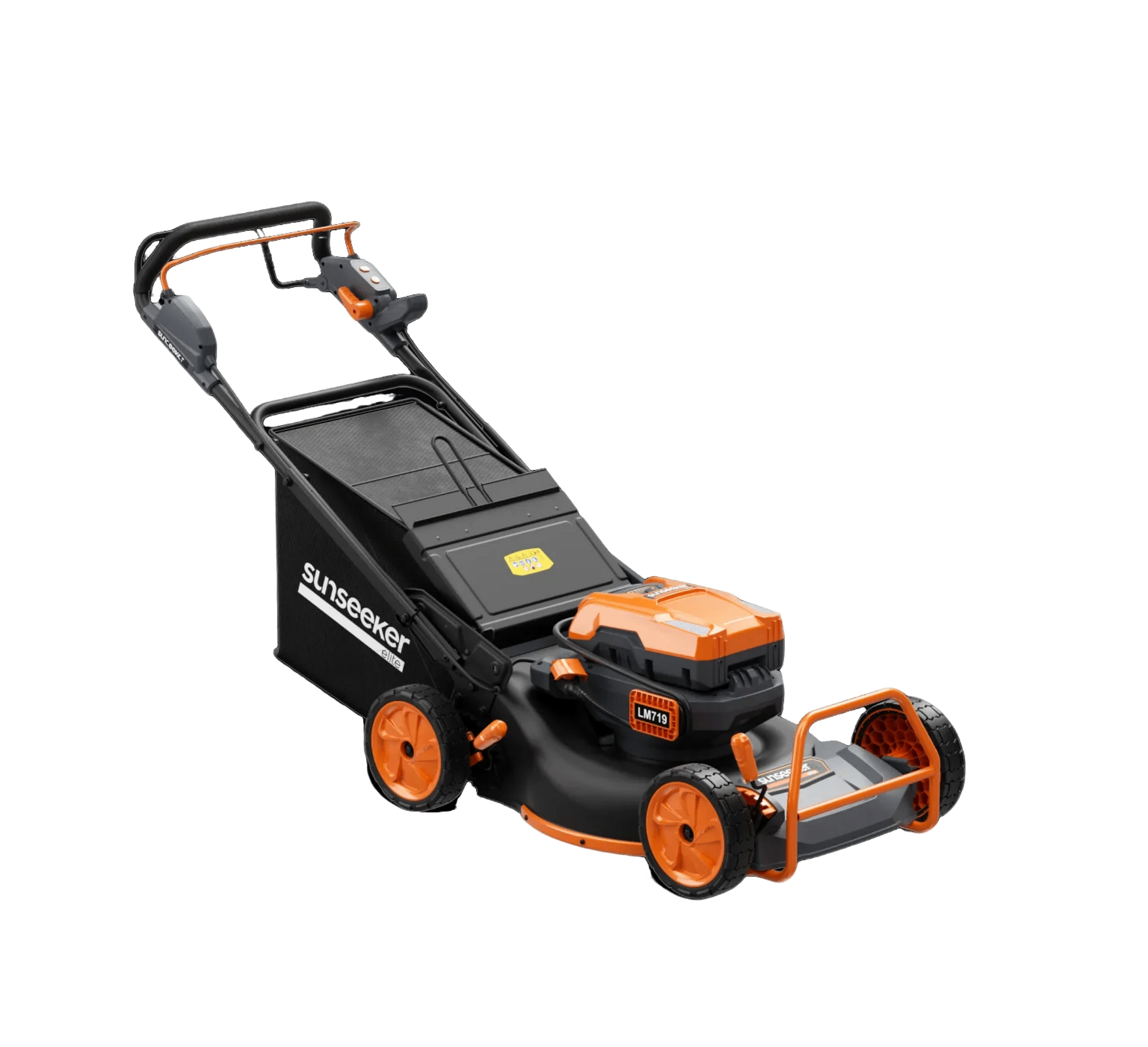
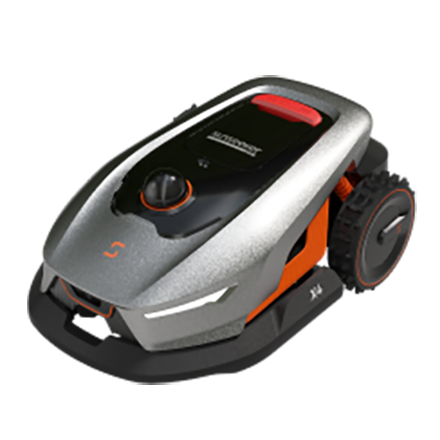
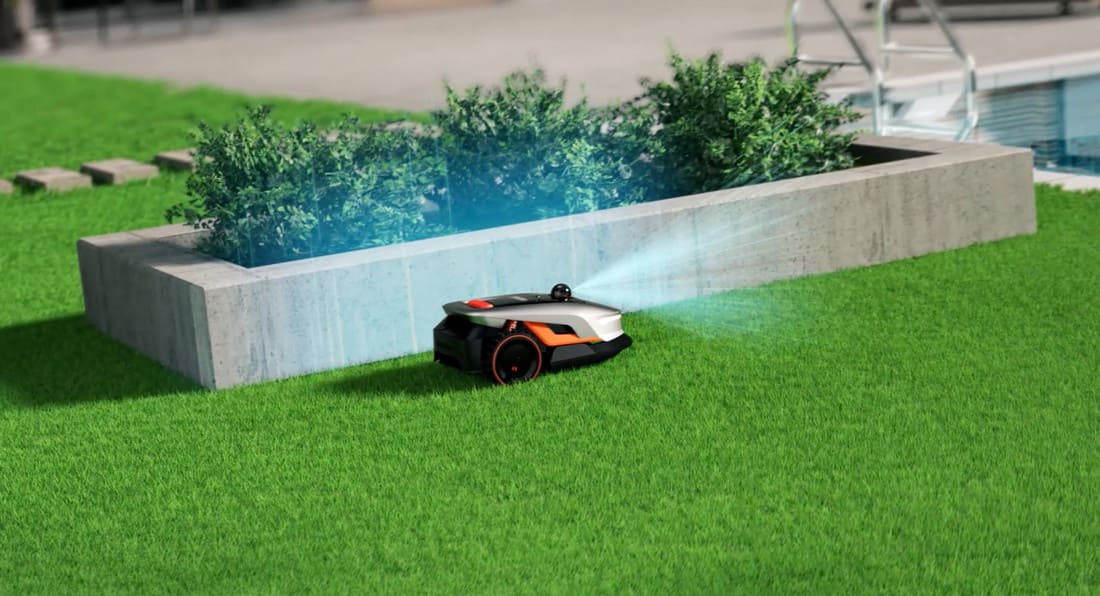
Keep mowing height consistent so new growth can develop without scalping. A robot lawn mower can support this recovery routine through frequent, light cuts. The robotic Sunseeker Elite X4 adds app-based scheduling and multi-zone management, making it easier to maintain repaired sections alongside established turf. Resume mowing after any product-specific reentry period, then inspect the same locations every few weeks for renewed thinning, loose turf, or wildlife digging.
Knowing how to check for grubs in lawn helps you separate insect damage from drought, disease, or poor soil conditions. Inspect several 1-square-foot sections where healthy grass meets a declining patch, lift the turf, and count the larvae in the upper 2–3 inches of soil. Combine those counts with root condition, loose turf, and spreading brown areas before choosing a response. Early inspection, especially in late summer, makes treatment more accurately timed and gives lightly damaged grass a better chance to recover.
Look for irregular brown patches that lift easily like loose carpet because grubs have eaten the roots. You may also notice spongy turf or increased digging by birds, skunks, and raccoons. Confirm the problem by cutting back a 1-square-foot section of turf and counting the C-shaped larvae beneath it.
No lawn treatment kills every grub instantly. Curative products containing trichlorfon can act within several days when applied at the correct season and watered into the root zone. They work best on small, actively feeding grubs. Always follow the label, and avoid treating unless inspection confirms enough grubs to justify control.
Choose the edge of a damaged patch and cut three sides of a 1-square-foot section about 2–3 inches deep. Fold the turf back and search through the soil and roots for white, C-shaped larvae with brown heads. Check several locations because grubs are often unevenly distributed across the lawn.
Adult beetles are attracted to moist, healthy soil where they can lay eggs, especially lawns irrigated frequently during summer. Thick thatch and abundant grass roots provide food and shelter for larvae. Outdoor lighting may also attract some beetle species. Proper watering reduces favorable egg-laying conditions without weakening the turf.