




FAQs
10/13/2026
Contents
Products
Residential Lawns






Explore
Where to Buy


Lawn scalping is usually done once near the end of winter dormancy, just before steady spring growth begins. It is mainly suited to warm-season grasses such as bermudagrass and zoysiagrass. Avoid scalping stressed turf, wet lawns, cool-season grasses, or grass facing another freeze.
After winter, a warm-season lawn often has a layer of dry, tan grass sitting above the first new growth. It can be tempting to drop the mower low as soon as the weather warms, but doing it too early can leave the lawn exposed just when it still needs time to recover.
Scalping works best as a one-time spring cleanup, when the old growth is ready to come off and steady growth is close behind. This guide explains when to scalp a lawn, how low to mow, and how to handle the lawn afterward so it can green up without unnecessary stress.
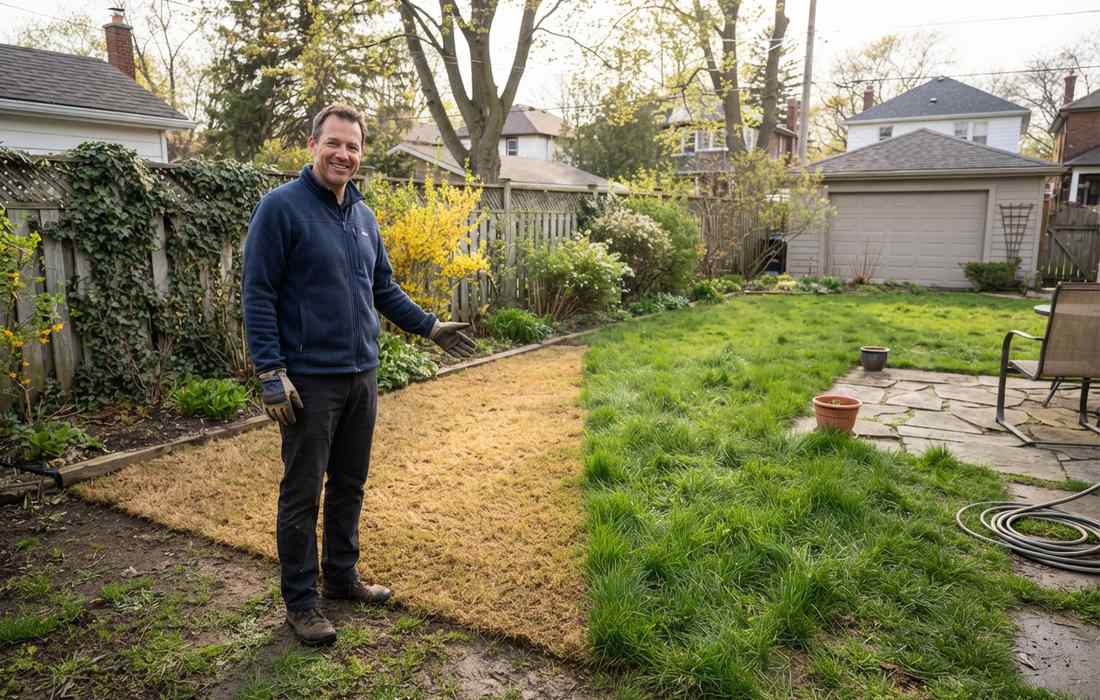
For most warm-season lawns, the best scalping window falls between late February and early April, depending on how quickly spring arrives. In warmer southern areas, bermudagrass may be ready in late February or March. Farther north, March or early April is more common.
A good time to scalp is when daytime temperatures are regularly around 60-70°F, nights are mostly staying above 45-50°F, and the lawn is beginning to show small patches of green near the base. The grass should still look mostly brown on top. If it has already turned mostly green and is growing fast, skip the scalp and return to normal mowing.
Bermudagrass is the main grass type suited to spring scalping. It spreads through stolons and underground rhizomes, so it can recover strongly as warmer weather arrives.
Zoysiagrass can also take a one-time low spring cut, usually around March or April. Wait until green shoots are starting to appear because zoysia often wakes up later than bermudagrass.
Centipedegrass and St. Augustinegrass should not be scalped like bermudagrass. A slightly lower first spring cut can remove old winter growth, but keep the mower within the normal height range for that grass. Cutting low enough to expose stems or growing points can slow recovery.
Do not scalp cool-season grasses such as tall fescue, Kentucky bluegrass, or perennial ryegrass. St. Augustinegrass and centipedegrass should also not be cut down as aggressively as bermudagrass.
Avoid scalping when grass is actively growing, stressed by heat or drought, still wet, or facing another freeze. These conditions make a low cut especially risky.
Heat or drought stress: Do not scalp in summer. During active growth, follow the one-third rule and avoid removing more than about one-third of the leaf height in one mowing.
Winter injury or disease: Large bleached patches, dead stolons, or areas that are not producing green shoots need diagnosis rather than another stress. Spring dead spot can appear as bermudagrass greens up, and low mowing will not repair dead roots or rhizomes.
Wet or uneven ground: Soft soil, ruts, raised roots, and high spots make the mower cut lower than intended. Wait for firmer conditions or raise the deck enough to clear uneven areas.
Newly seeded, sodded, or weak turf: Young roots and thin stands need leaf area to establish. Keep early mowings within the normal height range for that grass type.
The target is low enough to remove most dead winter leaf material without shaving soil or damaging crowns. These are conservative home-lawn references.
Grass type | Practical one-time spring target | When the range fits | Signs the cut is too low |
Common bermudagrass | About 1 inch | Level home lawns near the end of dormancy | Broad soil exposure, cut crowns, or deck contact on high spots |
Hybrid bermudagrass | About 0.5 to 1 inch | Dense, level turf normally maintained low; the lowest settings suit a reel mower and smooth grade | Bare streaks, shredded stems, or exposed runners |
Zoysiagrass | About 1 to 1.5 inches | One spring cleanup just before or at early green-up | Scalped high spots, visible soil, torn crowns, or large bare areas |
Centipedegrass or St. Augustinegrass | No true scalp; use a modestly lower first cut only | Healthy turf needing winter debris removed | Brown injury, exposed stolons, or cutting into the crown zone |
Scalping is easier to control when the mower is lowered in stages instead of one aggressive pass. Work on dry grass, then follow the steps below to keep the cut even and manageable.
Remove leaves, sticks, stones, toys, and other debris. Mark sprinkler heads, shallow irrigation boxes, exposed roots, and low objects hidden by dormant grass.
Walk the lawn for soft spots or standing water. If footprints sink or the mower would leave ruts, wait. Also note winter-killed patches that should not be shaved lower just to match the rest of the yard.
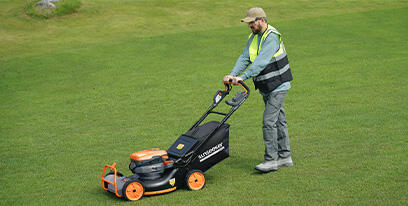
Sharpen the blade first. Set the mower near the target for your grass type, but do not force the lowest deck position onto an uneven lawn.
If the dormant canopy is tall or thick, make the first pass one setting higher, then lower the deck for a second pass. This reduces bogging and clumping. About 1 inch is a practical bermudagrass target for many home lawns; zoysiagrass is usually safer around 1 to 1.5 inches.
Move at a steady pace and overlap each pass slightly. Slow down near slopes, tree roots, drainage swales, and raised edges where the deck may tilt. If a high spot turns bare, raise the mower for the rest of that area.
A second pass at a slight angle can remove remaining brown material if the first pass did not expose soil or living crowns. The goal is an even low stubble, not a scraped surface.
A spring scalp can create far more material than a normal mowing. Bag heavy clippings or rake thick windrows so they do not mat over new shoots. Light, evenly scattered pieces can remain, but dense piles can block light and hold moisture.
Compost clean clippings when practical. Do not burn the lawn to remove dormant material; close mowing gives much better control and avoids the fire risk of burning dry turf.
After a well-timed scalp, the lawn should move into active growth soon afterward. The following care tips can help keep that recovery on track.
Wait for active green-up before feeding heavily. Do not apply a large dose of nitrogen just because the lawn looks brown after scalping. Let the turf show steady green growth first, then fertilize according to a soil test and the program for your grass.
Water to actual need. Established warm-season lawns commonly use around 1 inch of water per week during active growth, including rainfall. If spring rain has already left the soil moist, extra irrigation can keep the crown area too wet.
Return to the normal mowing height. As new leaves fill in, set the mower back to the regular height and follow the one-third rule. Repeated scalping through the season weakens the canopy.
Watch slow patches before pushing them. Areas that stay straw-colored while nearby turf greens may have winter injury, spring dead spot, drainage trouble, or weak roots. Give them time to show living shoots before adding extra fertilizer or cutting lower.
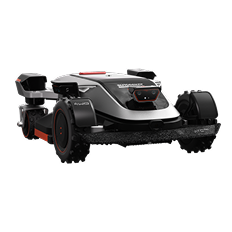
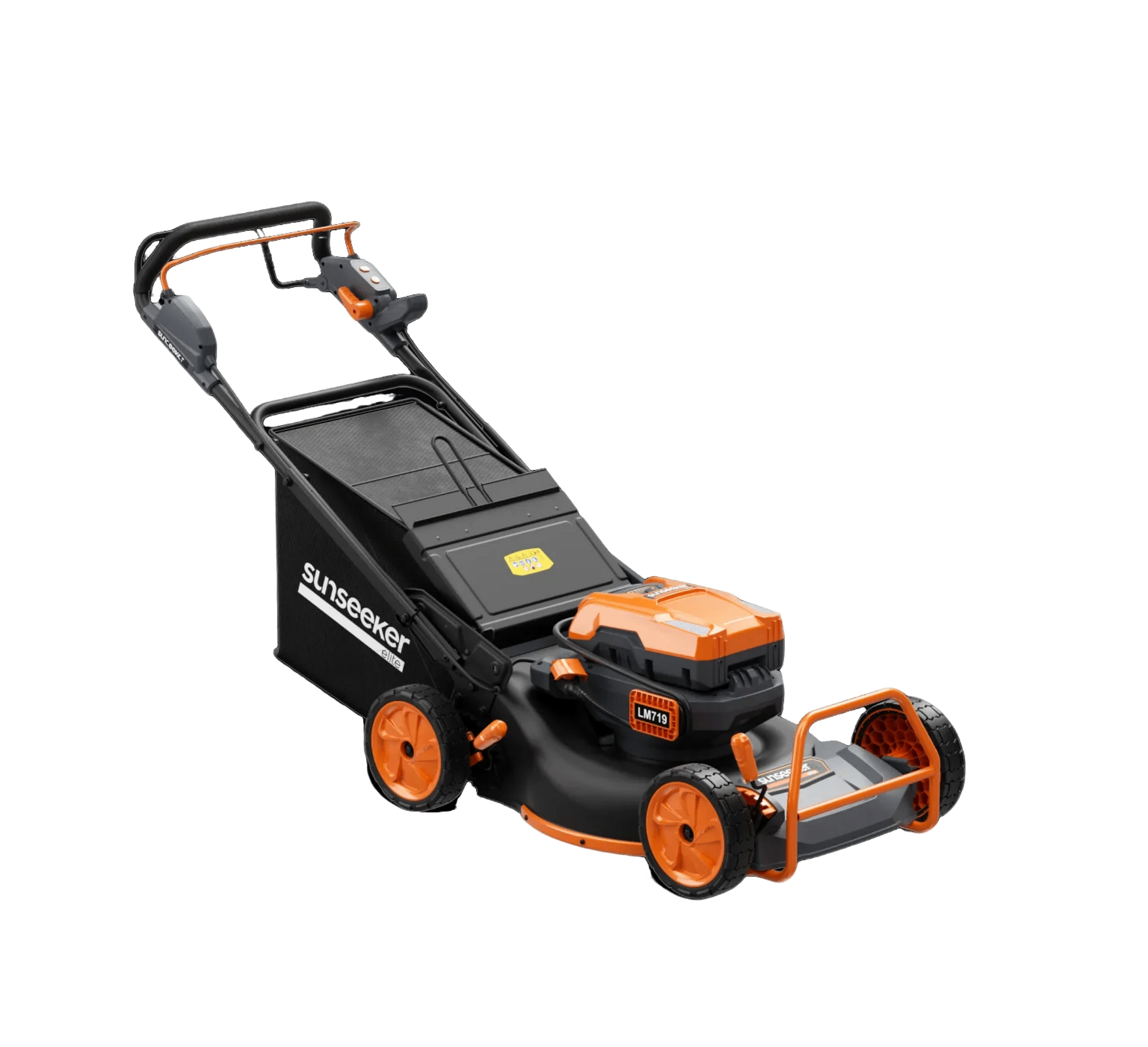
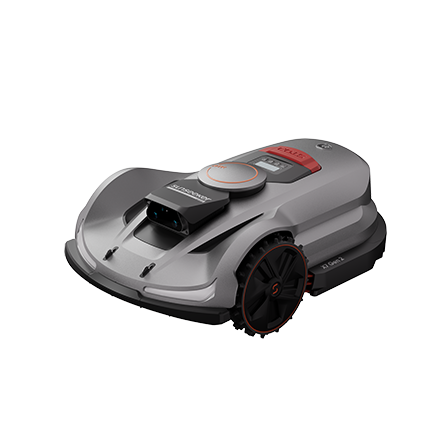
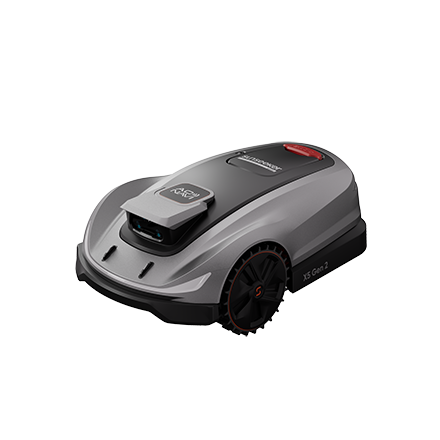
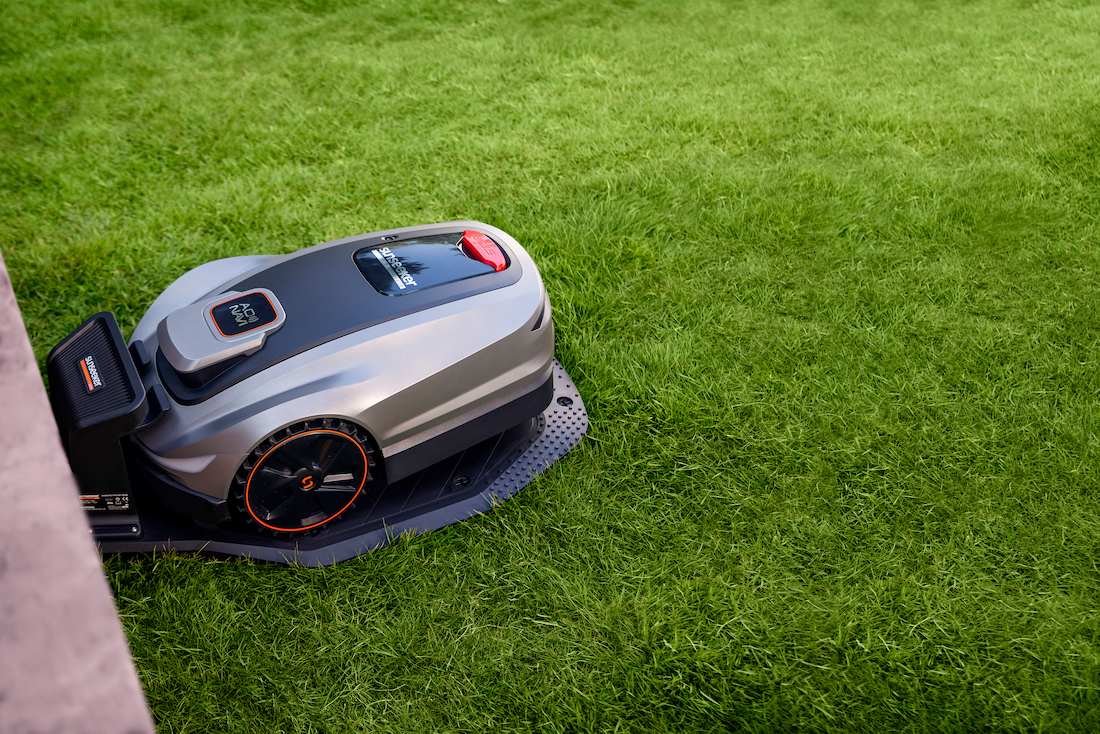
Switch back to light, frequent mowing after recovery. The one-time scalp is easiest with equipment that reaches the required low height and handles heavy clippings. After normal growth returns, the Sunseeker Elite X5 can take over routine maintenance; its AWD handles slopes up to 60% / 30°, while the floating cutting disc follows uneven contours for a steadier cut.
Knowing when to scalp a lawn matters more than choosing the lowest mower setting. Bermudagrass and zoysiagrass can benefit from one close spring cleanup as dormancy ends, but the lawn should be dry, healthy, and close to reliable green-up. Avoid scalping cool-season grasses, weak turf, saturated ground, or summer-stressed lawns. Keep the cut above the crown, remove heavy debris, and return to normal mowing as fresh growth fills the canopy.
Generally, no. A deliberate scalp is a spring cleanup for suitable warm-season grasses, not a summer mowing method. During hot weather, bermudagrass and zoysiagrass need enough leaf area to shade soil and support roots. If the lawn is too tall, lower it over several mowings and remove no more than about one-third at a time.
Do not rush a heavy nitrogen application immediately after scalping. Wait until bermudagrass or zoysiagrass is actively greening and the risk of damaging cold has passed. A soil test should guide the fertilizer choice and rate. Many spring programs place the first nitrogen feeding after full green-up rather than on scalp day.
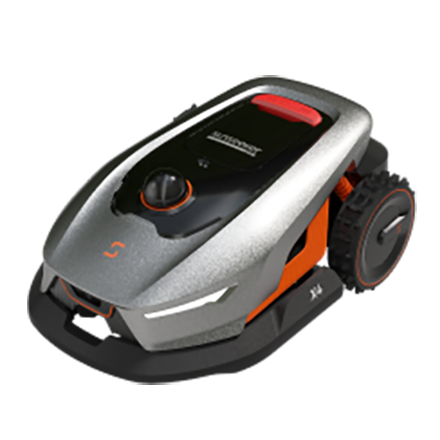
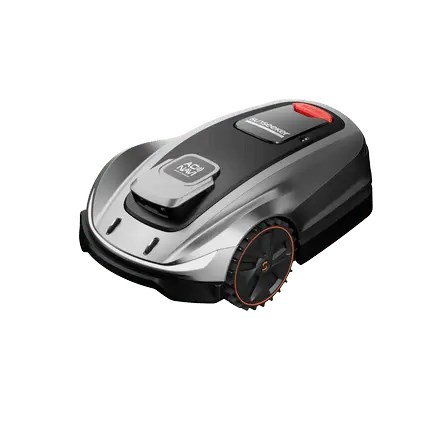
Robot mowers are built for frequent, light trimming, so use equipment that can reach the required low setting and manage heavy clippings for the one-time spring scalp. After recovery, AWD Robotic Mowers are useful on sloped or uneven lawns because added traction helps keep routine mowing steady as the new canopy thickens.