





FAQs
8/20/2026
Contents
Products
Residential Lawns









Explore
Where to Buy


To fix a thinning lawn, core aerate to a depth of 2-3 inches to relieve compaction, then spread grass seed the same day while holes are open. The best timing is late summer for cool-season grass or late spring for warm-season types. Maintain constant moisture by watering lightly twice daily for 14-21 days until the new turf reaches 3 inches tall.
Watching your lawn thin out despite regular mowing and watering is frustrating. You might notice rock-hard soil or patchy areas that refuse to grow back after a busy summer of foot traffic. When the ground becomes compacted, new seed simply sits on a sealed surface, unable to take root or find the nutrients it needs to thrive. Aerating and overseeding together breaks this cycle by creating open channels for fresh grass to grow deep. This guide walks you through the best timing, soil preparation, and practical steps to help you restore a thick, resilient carpet of green.

Core aeration removes small plugs of soil, usually about 2 to 3 inches deep. These holes reduce surface compaction and create channels for oxygen, water, and nutrients. They also give grass seed protected pockets where it is less likely to wash away or dry out on top of the lawn.
Overseeding then adds fresh grass varieties into a thin lawn. This helps improve density, color, and resilience, especially if the existing turf has been weakened by drought, traffic, disease, or age. A thicker lawn also leaves less open space for weeds to settle.
Aeration and overseeding work in tandem to solve two of the most common lawn issues: soil compaction and thinning grass. By opening the soil right before spreading seed, you create a perfect environment for new growth to take hold. The following benefits show why this combination is the gold standard for lawn renovation:
Success depends on the current condition of your soil and grass, as acting at the wrong time can waste both effort and seed. You need to ensure the ground is moist enough for equipment to work without being so wet that it creates a muddy mess.
Do a quick check before renting equipment or buying seed. Walk across the lawn and press a screwdriver into the soil. If it is hard to push more than 2 inches down, compaction is likely. Also look for thin patches, heavy thatch, low spots, and weeds that may compete with seedlings.
If you used a crabgrass preventer or other pre-emergent product recently, read the label carefully. Many products block grass seed germination for several weeks or months. In that case, wait until the safe reseeding window listed on the label instead of wasting seed.
The best timing depends on grass type. Seed establishes best when the grass is entering a strong growth period and soil temperatures support germination. If you seed too close to extreme heat, frost, or dormancy, young grass has less time to root.
Cool-season grasses such as Kentucky bluegrass, perennial ryegrass, and tall fescue usually respond best in late summer to early fall. In many parts of the United States, that means about 6 to 8 weeks before the first expected hard frost. Soil is still warm, nights are cooler, and weed pressure is often lower than in spring.
Spring can work for small repairs, but it is less forgiving. New grass has to face summer heat before roots mature. If you seed in spring, keep the repair realistic, water carefully, and avoid pre-emergent herbicides that block germination.
Warm-season grasses such as bermudagrass, zoysiagrass, and centipedegrass are usually aerated and overseeded in late spring or early summer, once the lawn is actively growing. Soil temperatures should generally be at least 65°F, and nights should stay consistently warm.
Avoid overseeding warm-season lawns late in the season. Seedlings need several weeks of warm weather to root before cooler nights slow growth. If the lawn is under drought restriction or high heat stress, wait for better conditions rather than forcing new seed into a harsh period.
Achieving a professional-grade result requires following a specific sequence to ensure the new seed has maximum soil contact. Follow these steps to transform your lawn efficiently:
Mow the existing lawn slightly lower than usual before aeration, but do not scalp it. A height of about 1.5 to 2 inches works for many cool-season lawns before overseeding, while warm-season lawns may vary by grass type. Bag or rake up clippings so seed can reach soil.
Remove leaves, sticks, toys, stones, and thick debris. Mark sprinkler heads, shallow irrigation lines, landscape lighting wires, and anything else the aerator could hit. If thatch is thicker than about 1/2 inch, dethatching before aeration may help seed settle more evenly.
Use a core aerator, not a spike aerator, for compacted soil. Spike tools punch holes but can press soil tighter around the opening. A core aerator removes plugs and creates better channels. For thin or compacted lawns, make one pass across the yard and a second pass at a different angle.
Good aeration holes are often 2 to 3 inches deep and spaced about 2 to 4 inches apart. Let the soil plugs dry on the surface and break down naturally. They return valuable soil and microbes to the lawn, so there is usually no need to collect them.
Spread seed soon after aeration, ideally the same day. Use a broadcast spreader for larger lawns and a hand spreader for smaller patches. Follow the seed label rate for overseeding, since applying too much seed creates crowded seedlings that compete for water and light.
For even coverage, divide the seed into two portions. Apply half while walking in one direction and the other half at a right angle. On bare patches, loosen the top 1/4 inch of soil first, then press seed into the surface with a lawn roller or the back of a rake.
A starter fertilizer can support early root growth, especially when a soil test shows low phosphorus or weak fertility. Choose a product labeled for new seed and follow the rate exactly. Some states restrict phosphorus use, so local rules and label directions matter.
Water immediately after seeding. The goal is a damp seedbed, not puddles. For the first 10 to 21 days, light watering once or twice daily may be needed in dry weather. After germination, shift toward deeper, less frequent watering so roots grow downward.
The weeks following your project determine how much of that new seed actually transforms into healthy, permanent turf. Success during this phase requires a shift from labor-intensive work to careful moisture management and patience.
Here are the essential steps to ensure your new grass takes root successfully:
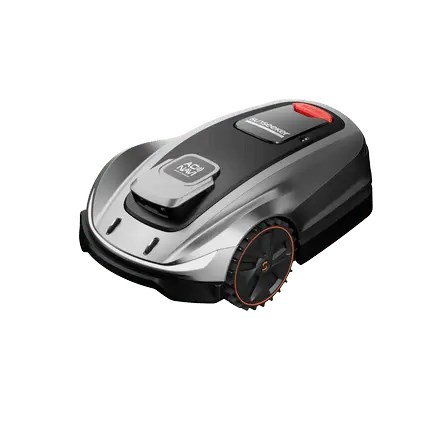
By focusing on these few weeks of careful monitoring, you transition your lawn from a recovery state to a thriving one. While the initial work of aeration and seeding is the catalyst, consistent long-term care is what builds a dense, weed-resistant canopy. Incorporating Sunseeker’s AWD Robotic Mowers into your routine ensures that once your lawn is established, it stays at a uniform, healthy height year-round with zero weekly effort, preserving the results of your hard work for seasons to come.

Learning how to aerate and overseed lawn areas is the most effective way to turn a thin, struggling yard into a resilient landscape. By opening the soil to allow nutrients in and timing your seeding with the grass’s peak growth period, you give your turf the tools it needs to self-repair. The real reward comes a few weeks later when the bare patches fill in with fresh, green growth.With the right preparation and a commitment to steady maintenance, you can enjoy a lush, professional-looking lawn that enhances your home’s outdoor space.
Yes. Overseeding right after core aeration is usually ideal because the holes are open and the soil surface is loosened. Seed can fall into protected pockets instead of sitting only on top of the grass. Try to spread seed the same day, then water gently so it settles into the soil.
In most cases, leave the plugs on the lawn. They break down over the next week or two and return soil and helpful organic matter to the surface. If large plugs sit on walkways, rake those aside, but do not remove plugs across the whole lawn unless they create a practical problem.
Wait until the new grass reaches about 3 to 4 inches tall before mowing. This may take 2 to 4 weeks, depending on grass type, weather, and watering. Use a sharp blade, mow on dry soil, and cut lightly so young plants are not pulled loose or stressed.