



FAQs
8/20/2026
Contents
Products
Residential Lawns



Explore
Where to Buy


Most homeowners pay about $75 to $250 for professional lawn aeration, with many average yards landing near $140. Larger lawns, compacted clay soil, core aeration, and add-ons such as overseeding raise the price. DIY rental can look cheaper, but transport, time, and uneven results can change the real value.
A lawn can look thin and tired even when you mow, water, and fertilize on schedule. If the soil feels hard, water runs off quickly, or grass struggles after heavy foot traffic, aeration may be the missing step. The next question is usually simple: how much to aerate lawn areas without paying for work you do not need?
Prices vary because yards are not priced in one flat way. Size, soil condition, access, equipment type, and seasonal demand all affect the quote. The sections below break the cost into practical ranges, show when DIY makes sense, and explain how to get better value from a service visit.
For a typical residential yard in 2026, professional lawn aeration often costs about $75 to $250. Many standard suburban lawns fall near $140, but small service minimums, difficult soil, and larger lots can move the price higher. If you are asking how much does it cost to aerate a lawn, start with the size of the actual grass area, not the full property lot.
Lawn or Service Type | Typical 2026 Cost | Details |
500-1,000 Sq. Ft. | $50-$350 | Compact garden or small lawn |
1,000-5,000 Sq. Ft. | $100-$500 | Townhouse yard or smaller suburban property |
5,000-10,000 Sq. Ft. | $500-$650 | Typical residential lawn |
10,000+ Sq. Ft. | $650+ | Spacious yard or part of an acre |
Overseeding | $0.20 per sq. ft. | Adds new grass seed to improve lawn density |
Fertilization | $70-$380 | Replenishes nutrients after aeration |
Per-square-foot pricing is also common. Many quotes land around $0.08 to $0.35 per square foot, though pros may use package pricing instead of measuring every foot. Core aeration generally costs more than spike aeration because it removes soil plugs and gives compacted ground better relief. Liquid aeration may cost less to apply, but it does not remove physical cores from dense soil.
The lowest quote is not always the best deal. A cheap visit that skips hard soil, tight corners, or proper machine passes can leave the lawn barely improved. The main pricing factors below help you compare quotes in a fair way and understand how much should lawn aeration cost for your yard.
Size is the biggest price driver. A small front yard may be covered under a minimum service fee, while a large lawn needs more passes, more turning time, and more fuel or battery use. Ask providers if they price by square foot, by zone, or by a set package. A yard with several separated grass areas can cost more than one open rectangle with the same total square footage.
Compacted clay, heavy traffic areas, and dry soil make aeration harder. A machine may need slower passes or a second run to pull useful plugs. Very wet soil can also delay the job because it may smear instead of producing clean cores. If your lawn has standing water, thinning grass, or hard ground, expect the quote to reflect the extra care needed.
Core aeration is usually the stronger option for compacted lawns because it removes small plugs of soil. It takes more effort and often costs more, but the result is easier to see. Liquid aeration uses a sprayed solution meant to improve soil structure over time. It can suit light maintenance, but it may not solve severe compaction on its own.
Aeration is often paired with overseeding, starter fertilizer, compost topdressing, or lime. These extras increase the invoice, yet they can be useful when the lawn is thin or patchy. Ask for line-item pricing. You should know what portion covers aeration, what portion covers seed or fertilizer, and what the contractor will do if weather interrupts germination or watering.
DIY aeration can save money on a small lawn, especially if you already have a truck, ramps, and enough time. The main cost is renting a core aerator, which often runs about $80 to $120 per day. You may also pay a deposit, delivery fee, fuel cost, or late return charge. Manual tools cost less, but they are slow and tiring on compacted soil.
DIY works best for a small, open yard with mild compaction. It becomes less attractive when the lawn is sloped, large, wet, full of obstacles, or hard to access. A rented aerator can be heavy and awkward, and missed strips are common when you rush. For many homeowners, professional service costs more on paper but saves time and produces a cleaner pattern.
Professional aeration is usually worth it when the lawn is medium to large, the soil is very compacted, or you want aeration paired with overseeding. A lawn crew already has the right machine and can judge soil moisture, plug depth, and pass direction. You also avoid transporting a heavy machine and trying to finish the job before the rental clock runs out.
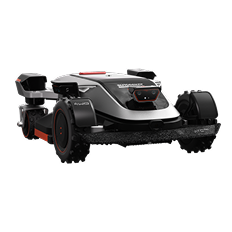
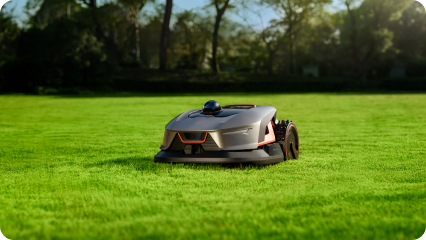
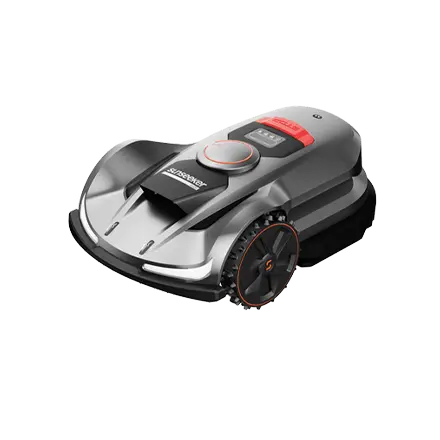
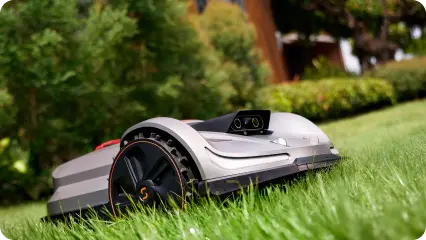
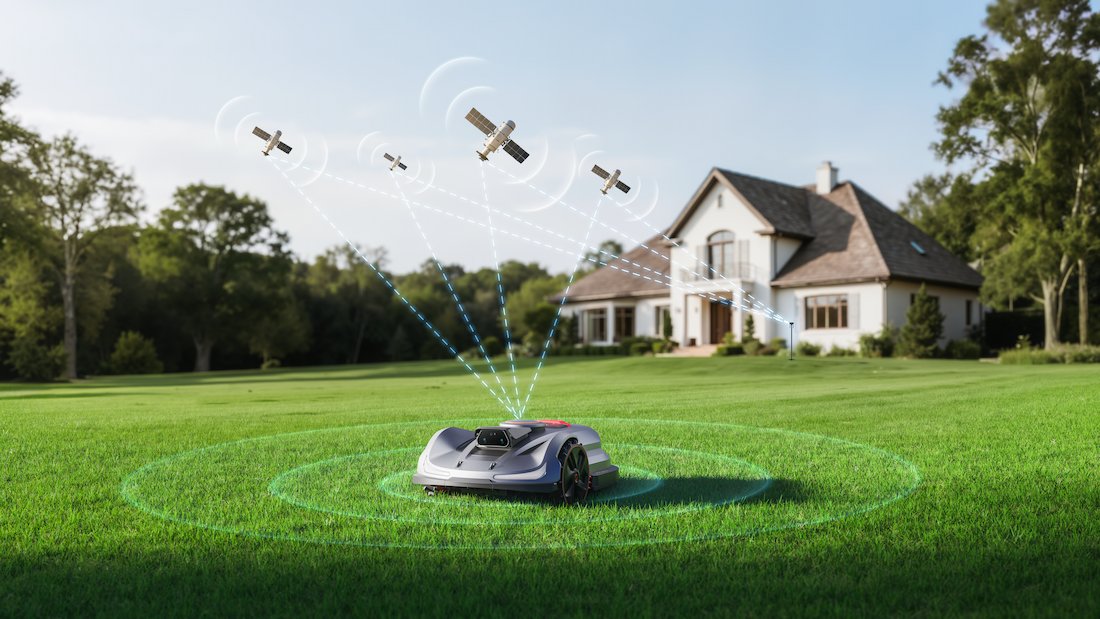
After the soil is opened up, steady care matters because new roots need consistent mowing and watering habits. For homeowners maintaining a larger established lawn, Sunseeker Elite X7 Gen 2 can support routine upkeep with wire-free navigation, AWD handling, and app-based mowing control. Used as part of regular lawn care after repair work, it helps keep growth more even and makes it easier to notice future thin spots before they become expensive problems.
The best value comes when aeration matches the grass growth cycle. Cool-season lawns usually respond best in early fall or spring, while warm-season lawns usually respond best in late spring through early summer. Aerating during active growth helps grass recover faster and lets roots use the extra air and water before heat, cold, or dormancy slows recovery.
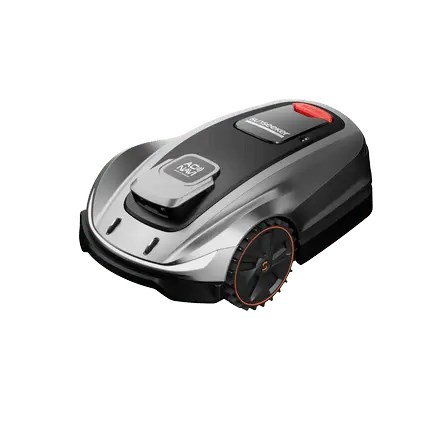
You can also improve value by combining jobs carefully. Aeration and overseeding pair well on thin cool-season lawns. Aeration and fertilizer can also work, but the timing depends on the product label and grass type. If you are comparing ongoing mowing tools after renovation, collections such as Robot Lawn Mowers without Perimeter Wires can help you review wire-free options for long-term maintenance.
So, how much to aerate lawn areas in 2026? Most homeowners should expect about $75 to $250 for a normal professional visit, with larger or harder lawns costing more. DIY can save money on small, simple yards, but rental effort and uneven results can reduce the benefit. The best value comes from matching aeration to the right season, fixing soil problems early, and keeping the lawn maintained afterward with steady mowing, watering, and feeding habits.
Most professional lawn aeration jobs cost about $75 to $250 for a typical residential lawn. A common average is near $140, but large yards, compacted soil, add-ons, and difficult access can raise the price. One acre of turf may cost several hundred dollars, especially with core aeration.
DIY aeration can be cheaper for a small, open lawn if you can transport the machine safely. A rental often costs about $80 to $120 per day. For larger yards, slopes, or heavy compaction, a professional may offer better value because the job is faster, cleaner, and more even.
Many healthy lawns need aeration every one to three years. Lawns with clay soil, heavy foot traffic, thatch, or poor drainage may need it once a year. If the grass is growing well and water soaks in normally, you may not need annual aeration. Check soil firmness before scheduling service.