








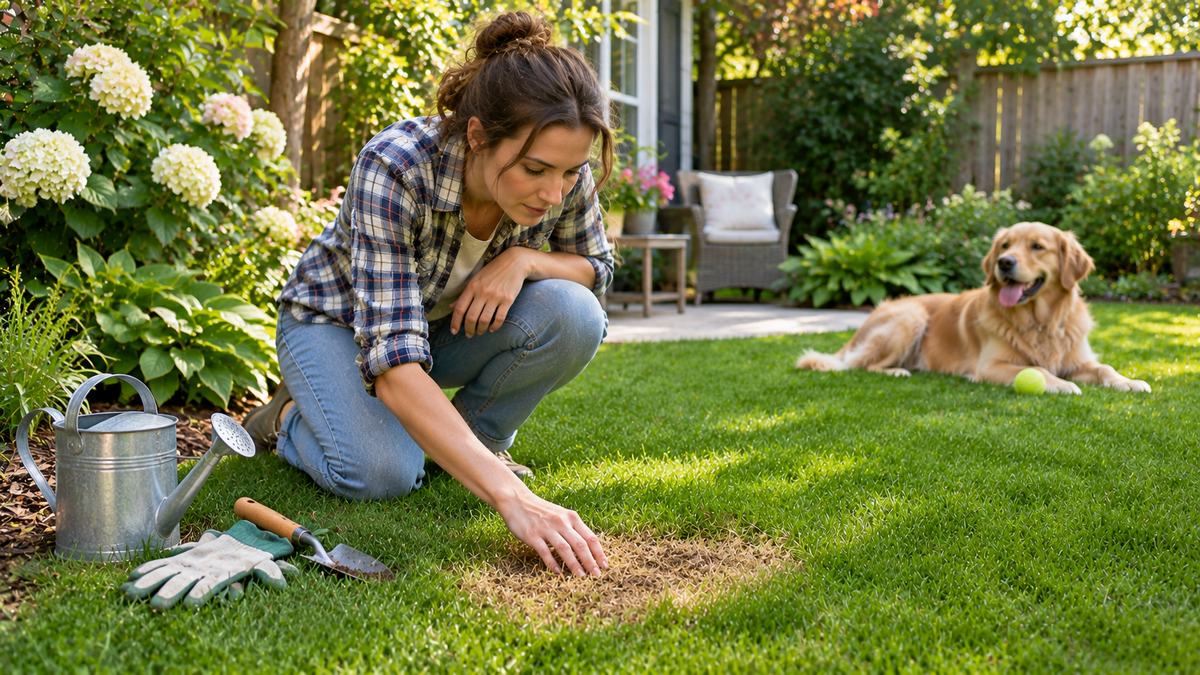
A lawn can be thick, green, and neatly cut while still creating avoidable exposure for a dog or cat. The bigger questions are what gets applied to the grass, where a pet spends time, and how long the treated area needs to stay off-limits.
Pet-safe lawn care is less about finding one perfect product and more about reducing unnecessary treatments, using them precisely when they are needed, and planning around the way animals actually use the yard. A few changes in routine can lower exposure without giving up a healthy lawn.
Keep the Lawn Healthy Enough to Need Less Treatment
A dense lawn leaves less open soil for weeds to establish and is better able to recover from everyday wear. That makes basic care more than a cosmetic job.
Mowing at an appropriate height for the grass type, watering deeply enough to support roots, repairing thin areas, and correcting compaction can reduce the number of problems that later tempt you to reach for a weed killer or other treatment.
The useful question is not how to make the lawn flawless. It is which recurring weakness is creating the next problem. If crabgrass keeps filling a sunny bare strip, the real fix may be thicker turf. If weeds cluster where paws and feet compact the soil, aeration or a tougher surface may solve more than repeated spraying. Healthy turf can still have a few weeds and remain functional.
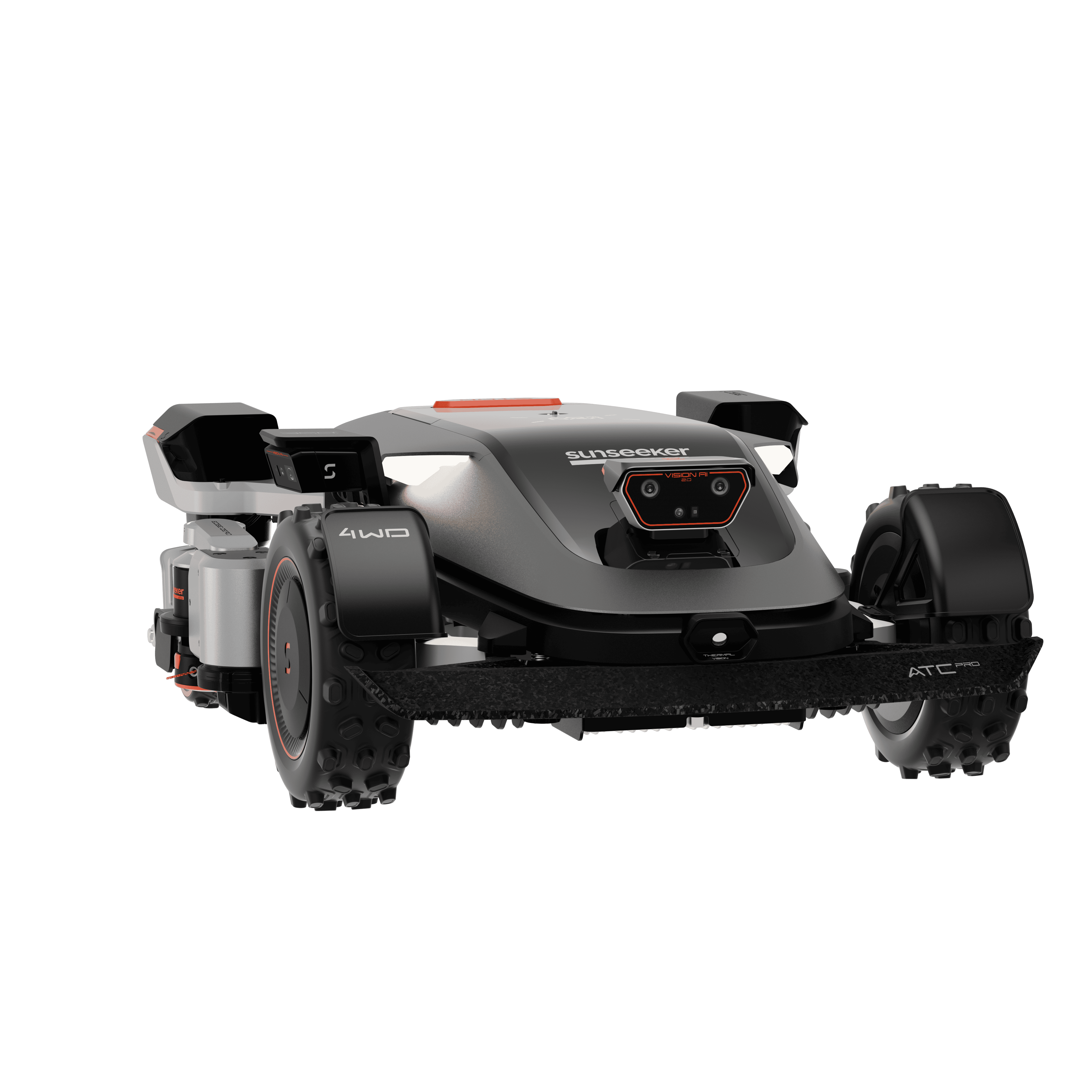
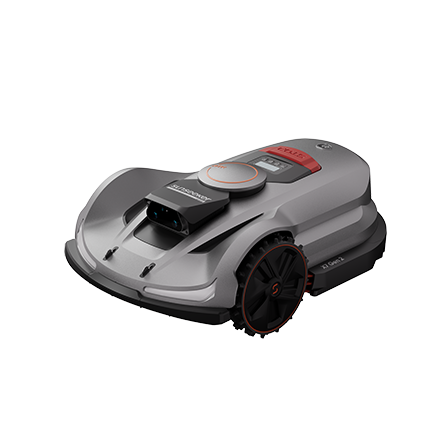
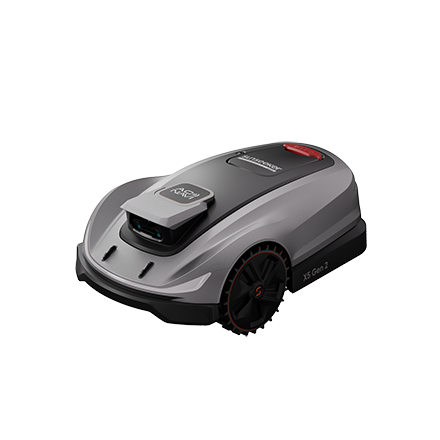
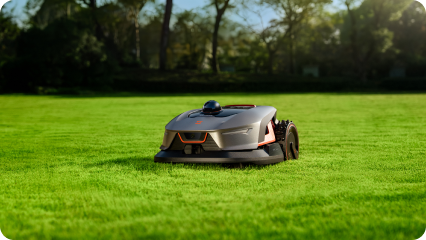
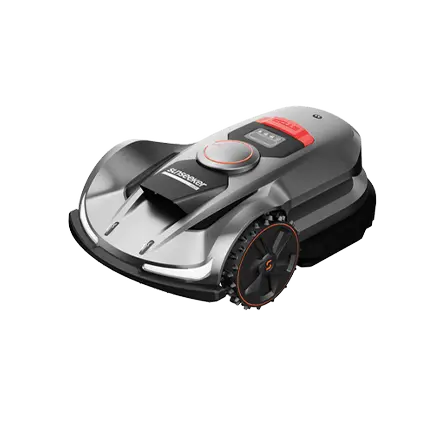
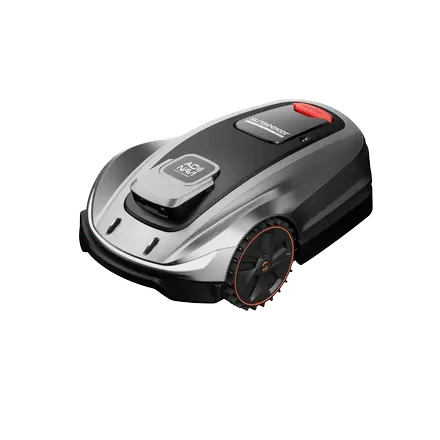
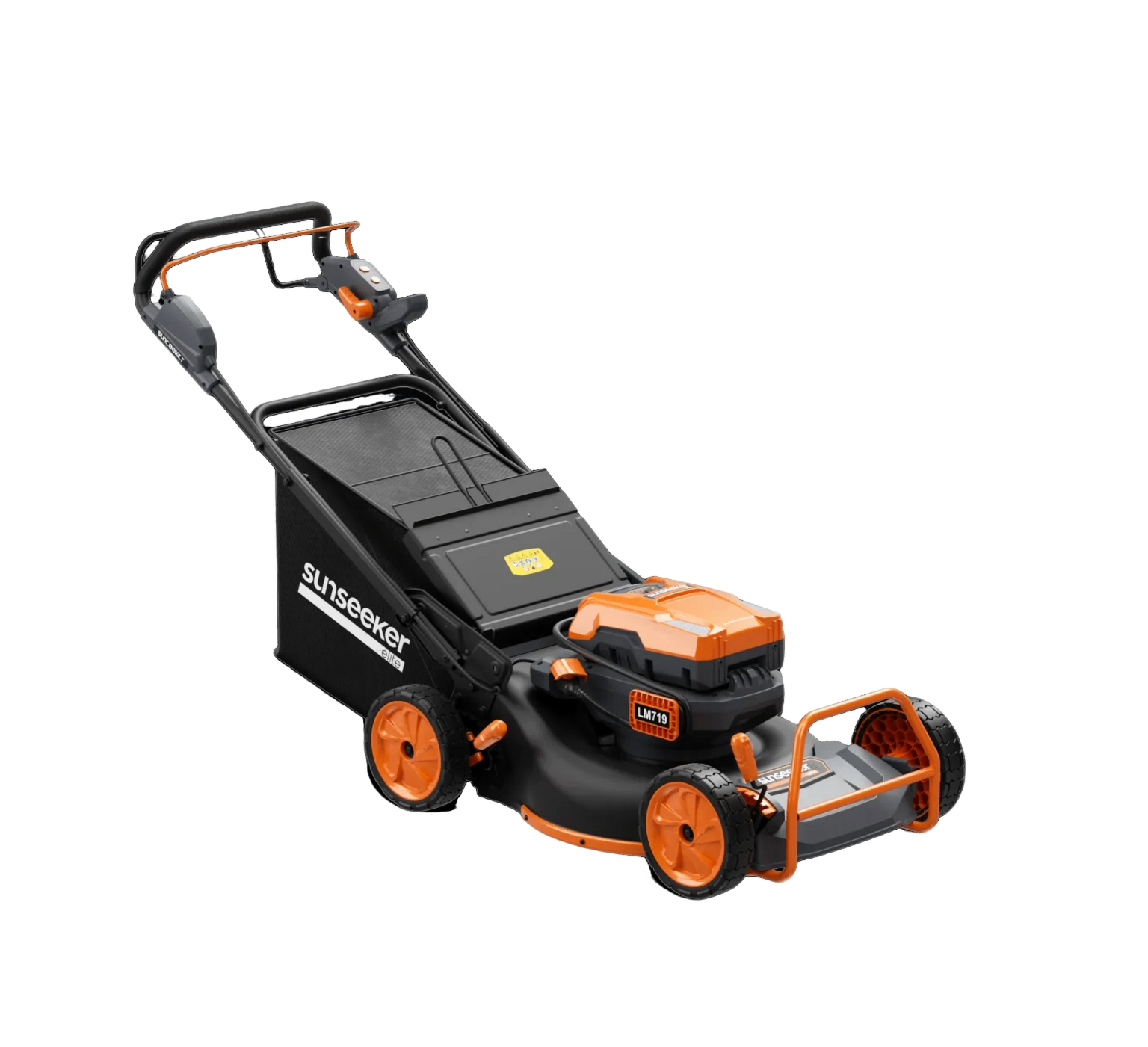
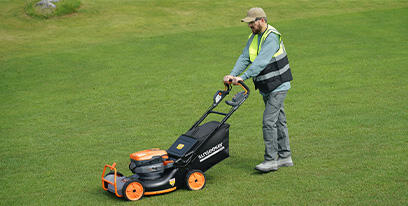
Regular mowing is part of that routine, especially on properties where slopes and uneven ground make consistency harder. AWD Robotic Mowers can help maintain a steady cutting schedule on demanding terrain, so routine mowing is less likely to be postponed until the grass is overgrown.
Treat the Problem Area, Not Automatically the Whole Lawn
A few dandelions beside the driveway and a full lawn covered in the same weed are different problems. Spot treatment applies a product only where it is needed, which can reduce the amount of pesticide placed across an area where a pet walks, rolls, lies down, or carries toys. Hand-pulling may be enough when the number of weeds is still small.
Before treating anything, work out why the problem is concentrated there. A thin patch beneath a tree may be struggling with shade, while weeds along a gate may be exploiting compacted soil from repeated traffic.
Treating the visible weed without changing the site can create a loop: the weed disappears, the turf stays weak, and another weed takes the same opening.
This is one place where a little imperfection can be useful. A lawn does not need zero clover or zero broadleaf weeds to function as a play space. If a small population is not spreading or damaging the turf, leaving it alone can be the lower-exposure choice.
Move More Than Just the Pet Before a Lawn Treatment
Putting the dog indoors is only part of preparing the yard. Pick up balls, chew toys, water bowls, feeding dishes, bedding, portable pools, and anything else a pet may lick or carry later. If the treatment is near a kennel, run, or favorite resting spot, move those items or protect the area according to the product directions before application begins.
Pets explore treated ground in ways people usually do not. They put paws directly on turf, sniff at close range, roll on grass, and later lick their feet or coat. A toy left in the application zone can also pick up residue even if the animal was nowhere nearby when the treatment happened. Clearing the area first removes several easy exposure routes at once.
Let the Label Decide When the Lawn Is Ready Again
There is no single waiting period that works for every lawn product. Some spray labels allow people and pets back after the treated area has dried, while other products give a specific re-entry interval. Granular products may need to be watered in and allowed to dissolve before the surface is ready again, and that process can take 24 hours or longer for some products.
The practical rule is simple: follow the product label first, then make sure the condition it describes has actually been met. If the label says to wait until dry, check shaded areas as well as the sunny middle of the lawn. If granules must be watered in, do not assume one quick pass with the sprinkler has finished the job while visible particles remain on the surface.
Weather can change the timing. Cool, humid conditions slow drying, and an unexpected shower may alter how a treatment behaves. Treat the label as the decision-maker, not a familiar rule such as 'a couple of hours is enough.'
“Natural” Shouldn’t Be Your Only Safety Check
Labels such as natural, plant-based, organic, or homemade can sound like an easy shortcut when pets use the yard. But what matters more is what the product contains, how concentrated it is, where it will be used, and how long pets need to stay away afterward.
Horticultural vinegar shows why. It can contain around 20% acetic acid or more, far stronger than ordinary household vinegar, and concentrated solutions can irritate or burn skin and eyes. Treat it like any other lawn or garden product: use it only where needed and follow the handling and re-entry directions.
The same thinking applies to homemade weed-control mixtures. Without clear instructions for concentration, application, or re-entry, they can be harder to use consistently around pets.
If you want to reduce treatments, pulling weeds, improving turf density, mulching beds, and fixing the conditions that keep weeds returning are often more practical places to focus.
Read Brown Patches Differently When a Dog Uses the Lawn
Brown patches can mean something different in a yard used by dogs. Urine often leaves small, repeated spots in the places a dog returns to, while drought, drainage problems, or disease usually create a different pattern. Where the damage appears can be just as useful as how it looks.
Daily traffic can leave its own marks too. A dog that takes the same turn by the patio or runs the same fence line can wear the grass thin and compact the soil underneath. In those areas, a defined path, tougher surface, or small layout change may work better than repeatedly repairing the same strip.
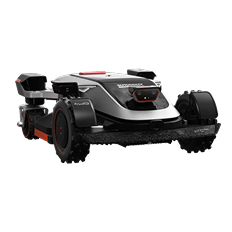
On very large lawns, keeping the grass at a steady height can help worn areas stay easier to monitor and maintain. The Sunseeker Elite X9 Plus is rated for up to 6 acres in 48 hours and combines all-wheel drive with four-wheel suspension for rough terrain. Its infrared system is designed to detect animals, including in low light, making it better suited to large lawns that are regularly shared with pets.