







FAQs
8/20/2026
Contents
Products
Residential Lawns









Explore
Where to Buy


Small lawn holes can come from animals, pests, soil settling, drainage trouble, or old roots breaking down under the surface. The right repair starts with finding the cause, then filling the hole with a suitable soil mix, leveling it firmly, and reseeding or patching the grass so the area blends back in.
A few small holes can make an otherwise tidy lawn look neglected. They also create uneven ground that catches mower wheels, collects water, and turns into bare patches if the soil keeps sinking. Many homeowners fill the holes once, only to see the same dips appear again after rain or foot traffic.
The fix is not difficult, but it works best when you deal with the cause before adding soil. The sections below walk through common causes, soil choices, repair steps, and simple prevention habits so the lawn can return to a smoother, safer surface.

Lawn holes are clues. Look at their size, shape, depth, and location before you start filling them, because those details often point to the real problem.
Use these common causes as a quick check before choosing the repair method:
Fill and level the soil first when the ground has a real dip, hollow, rut, or animal hole. Seed alone cannot fix an uneven grade because the new grass will still grow in a depression that collects water and feels rough underfoot.
Repair bare spots first only when the soil level is already even and the problem is mainly thin or missing grass. For example, a small pet urine spot, a dry patch, or an area scraped by light foot traffic may only need dead grass removed, a little compost, seed, and regular moisture.
A simple test helps: place a straight board or rake handle across the area. If there is a noticeable depression beneath it, fill and level the soil before seeding. If the soil surface is reasonably even but the turf is thin or missing, treat it as a bare patch repair.
The best filling material depends on hole depth and soil condition. You want a mix that settles firmly, drains well, and supports new roots without becoming a hard plug in the middle of the lawn.
For most small lawn holes, use screened topsoil mixed with compost. A practical blend is about 70% screened topsoil and 30% finished compost. The topsoil gives structure, while compost improves soil structure and moisture retention and creates a favorable environment for developing roots. Avoid chunky mulch, fresh manure, and heavy clay clods because they shrink, smell, or block young roots.
For shallow depressions in established turf, apply a thin layer of topdressing and work it around the grass blades rather than covering them completely. Deeper low spots may need several applications. For holes deeper than about 2 inches, add soil in layers and gently firm each layer to reduce later settling. Very deep holes can be filled with suitable clean soil below, then finished with several inches of good-quality topsoil that blends reasonably well with the surrounding lawn soil.
Once the cause is under control and the right soil mix is ready, the repair is straightforward. Work on a dry or slightly moist day so the soil is easy to shape, not muddy or dusty.
Remove stones, loose roots, dead grass, animal waste, old mulch, and soft collapsing soil. If the hole was caused by pests, check that activity has stopped before closing it. Trim ragged turf edges with a spade so seed or sod can make clean contact with firm soil. If the hole keeps dropping as you clean it, dig a little wider and inspect below the surface for decaying roots or buried debris.
Do not dump a thick pile of soil into a deep hole and leave it loose. Add 1 to 2 inches of soil mix at a time, then press it lightly with your hand, foot, or the back of a rake. Layering reduces later sinking and keeps the repair stable. Stop when the fill is just a little higher than the surrounding lawn, since the soil will settle after watering.
Use a flat rake, board, or lawn leveling tool to smooth the filled area into the surrounding grade. The surface should feel firm enough to walk on without leaving a deep footprint, but not so hard that roots cannot enter it. Water lightly, let the soil settle for a few minutes, and add more mix if the area drops below the lawn surface.
For small holes, spread grass seed that matches the existing lawn, press it into the soil, and cover it with a thin layer of compost or clean straw. For larger openings, a sod patch may close the area faster. Keep the top half inch of soil evenly moist until seedlings establish. Avoid mowing the repair until new grass reaches about 3 to 4 inches tall.
A filled hole can look smooth for a few weeks and then sink again if the original cause is still active. Prevention is about stable soil, steady lawn care, and quick attention when new dips appear.
These habits help keep the surface even after repair:
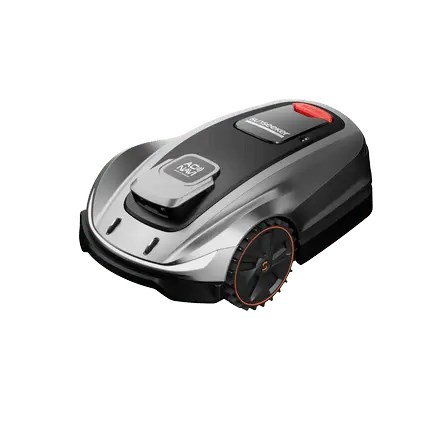
Consistent mowing also helps you notice uneven spots early. The Sunseeker Elite X4 supports wire-free mowing with LiDAR 3D sensing and Vision AI, which helps it move through everyday lawn layouts while keeping routine maintenance easier to manage. On a repaired lawn, a steady mowing routine can help new and existing grass stay at a more even height as the surface settles.

Learning how to fill holes in the lawn starts with the cause, not the soil bag. Animal digging, pests, erosion, settling, and traffic all need slightly different fixes. Once the source is handled, fill the area in layers, level it carefully, and reseed or patch the surface. Long-term results come from steady mowing, better drainage, and quick repairs when dips first appear. Homeowners who want a smoother routine can also explore a robot lawn mower as part of regular lawn care.
For most lawn holes, a good idea is to blend planting soil with sand and/or compost. Also, you can fill in screened topsoil mixed with finished compost. A 70% topsoil and 30% compost blend works for many small repairs because it holds shape, supports roots, and drains better than dense clay. Deep holes may need layered filling so they do not sink later.
You can use topsoil, but plain topsoil is not always ideal if it is heavy, weedy, or poorly screened. Mix it with compost for better texture and root support. Use clean, screened material, fill in thin layers, and avoid burying grass crowns under a thick mound of soil.
Find the cause first, then repair the surface. Stop animal digging, treat serious grub activity, correct drainage, or remove buried debris before filling. After that, add soil in layers, tamp lightly, level the area, and reseed or patch. Keep the repair moist until new grass fills in.