









FAQs
8/3/2026
Contents
Products
Residential Lawns







Explore
Where to Buy


Watering at night is usually risky because grass blades can stay wet for many hours, especially in humid or still weather. Morning watering is safer for most lawns because moisture reaches the roots before heat rises and the surface dries before evening. Night watering can work only in limited situations with careful control.
A lawn may look dry after a hot afternoon, making evening watering seem like an easy way to help it recover overnight. The grass can appear fresher the next morning, yet moisture that remains on the blades for hours may increase disease pressure, encourage shallow rooting, and reduce watering efficiency.
In this blog, you’ll learn when watering a lawn at night creates problems, when evening irrigation may still be reasonable, and how temperature, humidity, soil type, sprinkler coverage, and turf condition should shape your watering schedule.
To work out how long to water the lawn, measure sprinkler output with several small containers aroun
For most home lawns, regular night watering raises the risk of fungal problems because the turf can remain damp for 8 to 12 hours. If the air is warm, humid, and still, that wet period may last until late morning. Grass also loses less moisture at night, so water can sit on leaves instead of moving quickly into active root uptake. That is why the answer to “is it bad to water lawn at night” is usually yes when it becomes a habit.
A single nighttime watering during a dry spell is rarely enough to ruin a lawn. Trouble develops when sprinklers run late several times per week, especially on compacted soil or shaded areas. You may see gray-green patches, thin turf, mushrooms, greasy-looking spots, or brown circles that spread after warm nights. Morning watering is a safer default because it gives roots moisture early and allows leaf surfaces to dry during daylight.
Most night-watering problems start with excess surface moisture. Roots need water in the soil, but blades and thatch do not need to stay wet all night. When moisture sits where air movement is poor, small lawn issues can spread quickly.
The first risk is fungal disease. Brown patch, dollar spot, and other turf diseases are more likely when warm nights combine with wet leaves. A lawn does not need to be soaked to develop trouble; repeated light wetting can be enough. If your sprinkler runs for 10 minutes every night, the top layer may stay damp while deeper roots remain thirsty.
The second risk is weak rooting. Grass grows stronger when water moves several inches into the soil and roots follow it downward. Frequent shallow watering keeps moisture near the surface. During heat, that shallow-rooted turf wilts faster and needs water more often. A better routine is usually one or two deeper sessions per week, adjusted for rain and soil type.
The third issue is waste. Watering at night may reduce evaporation, but that does not automatically mean the lawn uses the water well. Sprinklers that create runoff, mist onto sidewalks, or hit already damp soil waste water at any hour. Poor timing can also hide coverage problems because you are less likely to watch the system while it runs.
Night watering is not the first choice, yet there are situations where it may be reasonable for a short period. The key is to treat it as a controlled exception, not a permanent schedule that runs without checking the lawn.
You may water at night during local drought restrictions if your allowed watering window falls outside early morning. In that case, run the system as early in the evening as rules allow, use enough time to moisten the root zone, and avoid daily sprinkling. If possible, finish before 9 p.m. so the lawn has a little drying time before the coolest part of the night.
Night watering may also help in extreme heat when grass is showing clear wilt, such as footprints that stay visible, bluish-gray color, or folded blades. Even then, use it as rescue watering, not a long soak every night. A short cycle can reduce stress until the next proper morning irrigation.
New seed is another exception, but it needs careful handling. Freshly seeded areas require light, frequent moisture near the surface until germination. If temperatures are high and the seedbed dries too fast, a brief early-evening mist may be acceptable. Avoid leaving puddles, washing seed away, or soaking the patch after dark.
The best watering window is usually early morning because the lawn can absorb moisture before the day heats up. It also gives the grass enough daylight and airflow to dry, which lowers disease pressure without wasting as much water as midday watering.
For most lawns, aim for 5 a.m. to 9 a.m. This timing supports deep soil moisture while reducing the long wet-leaf period linked to night watering. If you use an automatic irrigation controller, a start time around 5:30 or 6 a.m. often works well. Watering in the middle of the day is less efficient because heat and wind can increase evaporation and drift. That answers the related question, “is it bad to water lawn during day?” It is not dangerous in the same way as night watering, but it often wastes more water and may cool only the surface.
A practical baseline for how much to water a lawn is about 1 inch per week for established turf, including rainfall, then adjust for soil type, heat, and grass condition. Sandy soil may need smaller amounts more often because it drains quickly. Clay soil often needs slower watering in cycles, such as two 15-minute rounds with a break between them, so water soaks in instead of running off. Use a rain gauge, tuna can, or small straight-sided container to measure how much your sprinkler applies in 15 or 30 minutes.
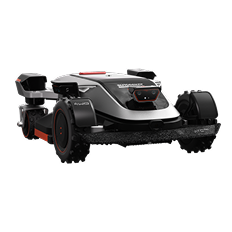
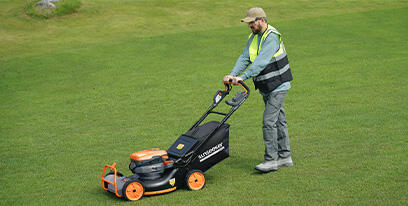
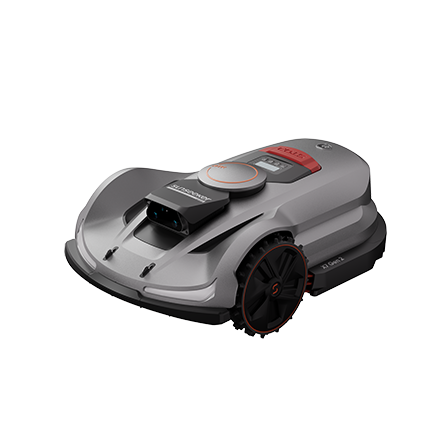
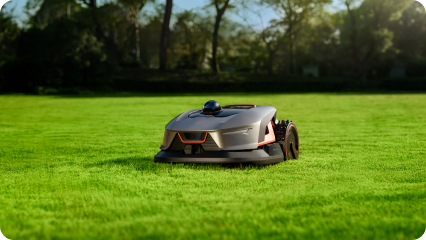
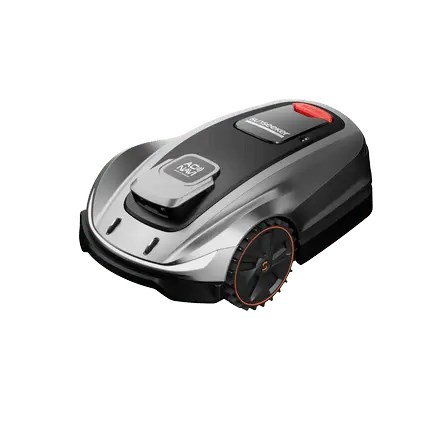
Once watering and mowing are both on a steady schedule, automated mowing can help keep established grass at a more consistent height. The Sunseeker Elite X9 is suited to routine lawn maintenance, using planned navigation and app-based scheduling to keep regular cuts aligned with growth.

Better watering is not only about choosing morning instead of night. The amount, pace, and coverage matter just as much. Use the steps below to get moisture into the root zone without creating a constantly damp surface.
If you still ask, “can I water my lawn at night,” the safest answer is to check the reason first. A short exception is different from a routine schedule. If the lawn is healthy and the soil is only slightly dry, wait until morning. If the grass is severely wilted and morning watering is not possible, use a limited cycle and inspect the area the next day.
So, is watering your lawn at night bad? It can be when it becomes a repeated habit, especially in warm, humid, shaded, or poorly drained areas. Morning watering gives the lawn moisture when it can use it and helps blades dry before disease pressure rises. Combine the right timing with measured output, deeper soaking, and sensible mowing. For long-term maintenance after the lawn is stable, Sunseeker’s GPS Robot Mowers can help keep established turf clipped consistently without turning mowing into another daily chore.
Morning is better for most lawns. Watering between about 5 a.m. and 9 a.m. helps moisture reach the roots before heat rises, then lets grass blades dry during the day. Night watering can leave the lawn wet for hours, which increases disease risk in humid or still conditions.
Yes, watering at night can contribute to fungal problems if the lawn stays wet for 8 to 12 hours. Warm nights, thick thatch, poor airflow, shade, and overwatering raise the risk. One late watering is rarely the only cause, but repeated night irrigation can create ideal disease conditions.
After about 8 or 9 p.m. is often too late for routine watering because grass may stay wet overnight. After 10 p.m., the risk is higher in many lawns, especially in humid weather. If evening watering is unavoidable, keep it brief and return to early morning as soon as possible.