





The strongest home and garden trends of 2026 are not pointing toward one perfect look. They are moving in almost the opposite direction: rooms are getting warmer and more individual, outdoor spaces are being designed around real routines, and even small yards are being treated as places worth planning carefully.
What ties the year together is a shift toward spaces that feel useful and lived in. A home can still look polished, but the choices behind it are becoming more personal: a color someone actually loves, a garden corner used every evening, a patio that works as a dining room, or technology that handles a job without becoming the visual focus.
The All-Neutral Home Is Warming Up
Cool gray and bright white have not disappeared, but they no longer have the same grip on interiors. Houzz's 2026 trend reporting shows homeowners moving toward warm woods, earthy colors, tactile finishes and rooms that feel collected over time. Rust, chocolate brown, mushroom, sage, taupe and cream are showing up as part of a broader move away from spaces that feel overly clean or interchangeable.
The interesting part is that this is not simply a color trend. The same shift shows up in material choices: aged metals, textured plaster, natural stone, vintage pieces and handmade-looking details. The goal is less about matching every surface and more about creating a room with enough variation to feel as though it belongs to the people living there.
That makes 2026 a friendlier year for homes that already contain a mix of old and new. An inherited table does not have to be replaced because it fails to match a showroom palette. A darker wood cabinet can sit beside a creamy wall. Pattern, artwork and objects collected on trips can stay visible. The room becomes more personal when those differences are treated as part of the design, not as mistakes to hide.
The Garden Is Starting to Feel More Like a Room
Outdoor design is following the same logic. The yard is being planned less as one open patch of landscaping and more as a set of places where specific things happen. Houzz's 2026 U.S. Outdoor Trends Study found that 83% of renovated outdoor spaces include a lounge or seating area, with dining zones, quiet retreats, gardening areas and outdoor cooking spaces also common.
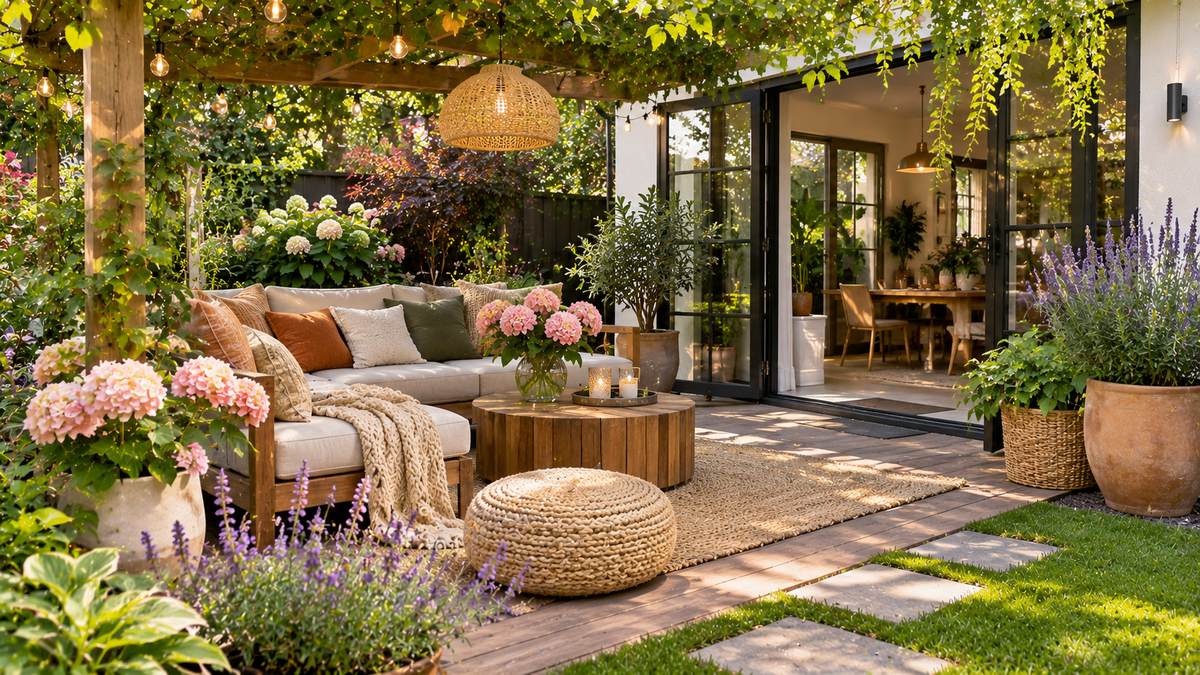
That helps explain why the phrase 'garden room' feels more practical than decorative right now. A hedge, trellis, planter, change in paving or narrow path can create a boundary without building a wall. Suddenly one part of the yard feels like the place for coffee, another works for dinner, and a quieter corner becomes somewhere to read or sit in the shade.
The shift is especially useful because it does not require an enormous yard. In fact, dividing a compact garden into a few purposeful zones can make it feel more considered. The key is to give each area a reason to exist. A table squeezed onto a patio is just furniture; a patio with shade, lighting, comfortable seating and a clear route from the kitchen starts to behave like a real outdoor room.
Small Spaces Are Getting More Attention
One of the clearest 2026 signals is that small outdoor spaces are no longer being treated as the leftover version of a large yard. Houzz reported year-over-year search growth of 79% for 'small front yards,' 63% for 'small courtyards,' 57% for 'small patio garden' and 43% for 'small backyard.' That interest suggests homeowners are looking harder at the square footage they already have rather than waiting for a bigger property.
The design response is getting more deliberate. A narrow side yard can become a planted passage rather than a storage strip. A tiny patio can use a bench with hidden storage instead of several separate chairs. A courtyard can carry one strong planting idea instead of trying to imitate a full suburban border in miniature. Vertical planting, compact furniture and layered pots also let small areas do more without making them feel crowded.
Gardens Are Being Asked to Do More
A garden in 2026 is rarely being asked to perform only one job. Homeowners want places to sit, eat, grow food, support pollinators, handle hotter summers and still look good from the kitchen window. Houzz found that low-maintenance plants were chosen by 73% of homeowners upgrading their landscapes, while native and pollinator-friendly plants were selected by more than half. Drought-resistant planting also continued to rise.
That practical pressure is changing plant choices. The Royal Horticultural Society's 2026 predictions point toward compact edible plants and varieties that can serve more than one purpose, while Garden Design highlights climate-resilient crops and ecologically useful planting. A small chili plant on a sunny patio can provide color and food. A flowering native shrub can create structure, feed pollinators and need less intervention once established. One plant doing several jobs is becoming more valuable than a bed filled only for a brief seasonal display.
The same thinking applies to hardscape and layout. Permeable paving can create a usable surface while helping water move into the ground. A shade tree can cool a seating area while giving the garden height and habitat. A path can guide people through the yard and keep repeated foot traffic off planting beds. The most interesting gardens are becoming less about adding features and more about making each feature earn its space.
Technology Is Settling Into the Background
Technology is still spreading through the home and garden, but the visible trend is toward making it less noticeable. Houzz's 2026 home forecasts highlight panel-ready appliances, concealed lighting, hidden charging and smart systems that recede into cabinetry or architecture. The point is not to make a room look high-tech. It is to let the technology handle a task without asking for constant visual attention.
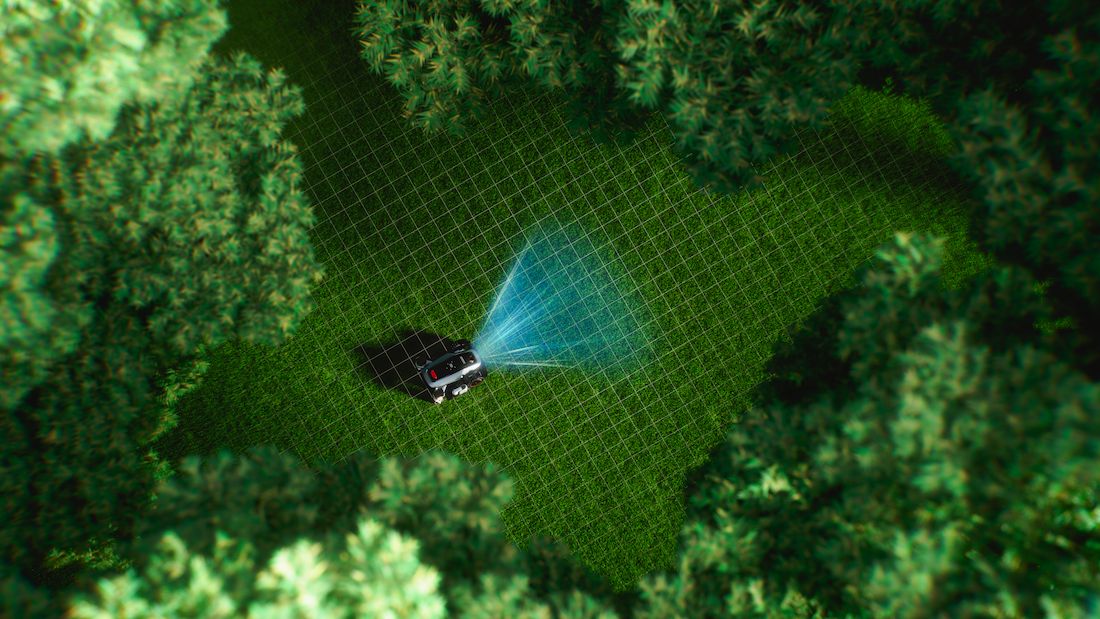
The garden is moving in a similar direction. Smart irrigation, lighting on timers or sensors, weather-aware controls and robotic lawn care all work best when they reduce repeated decisions.
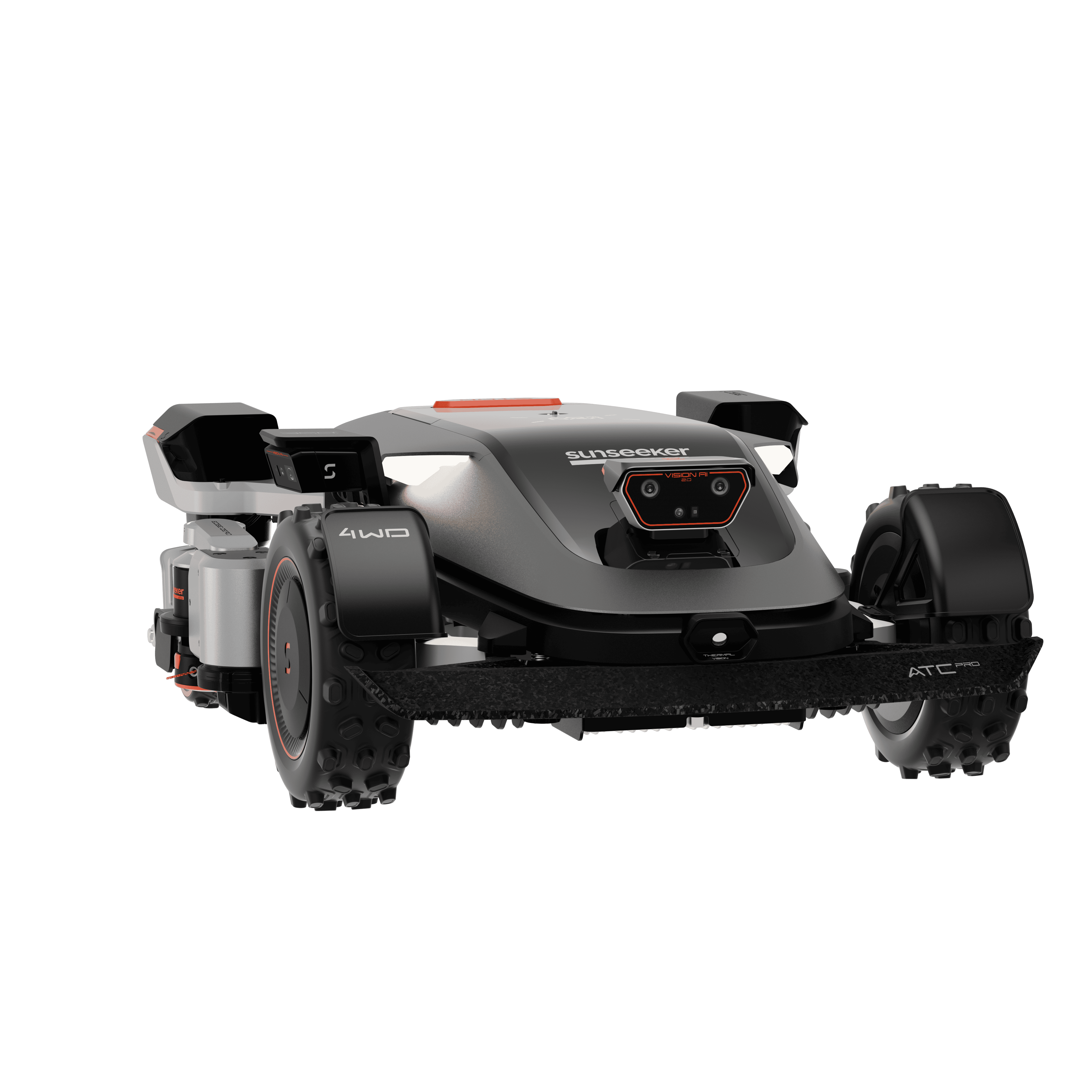
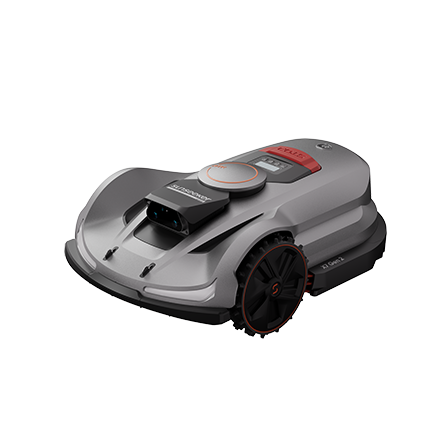
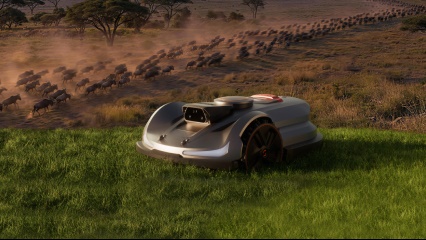
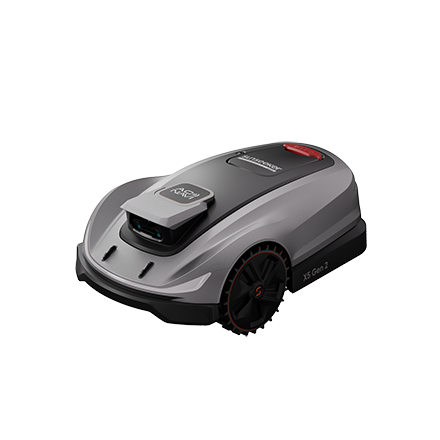
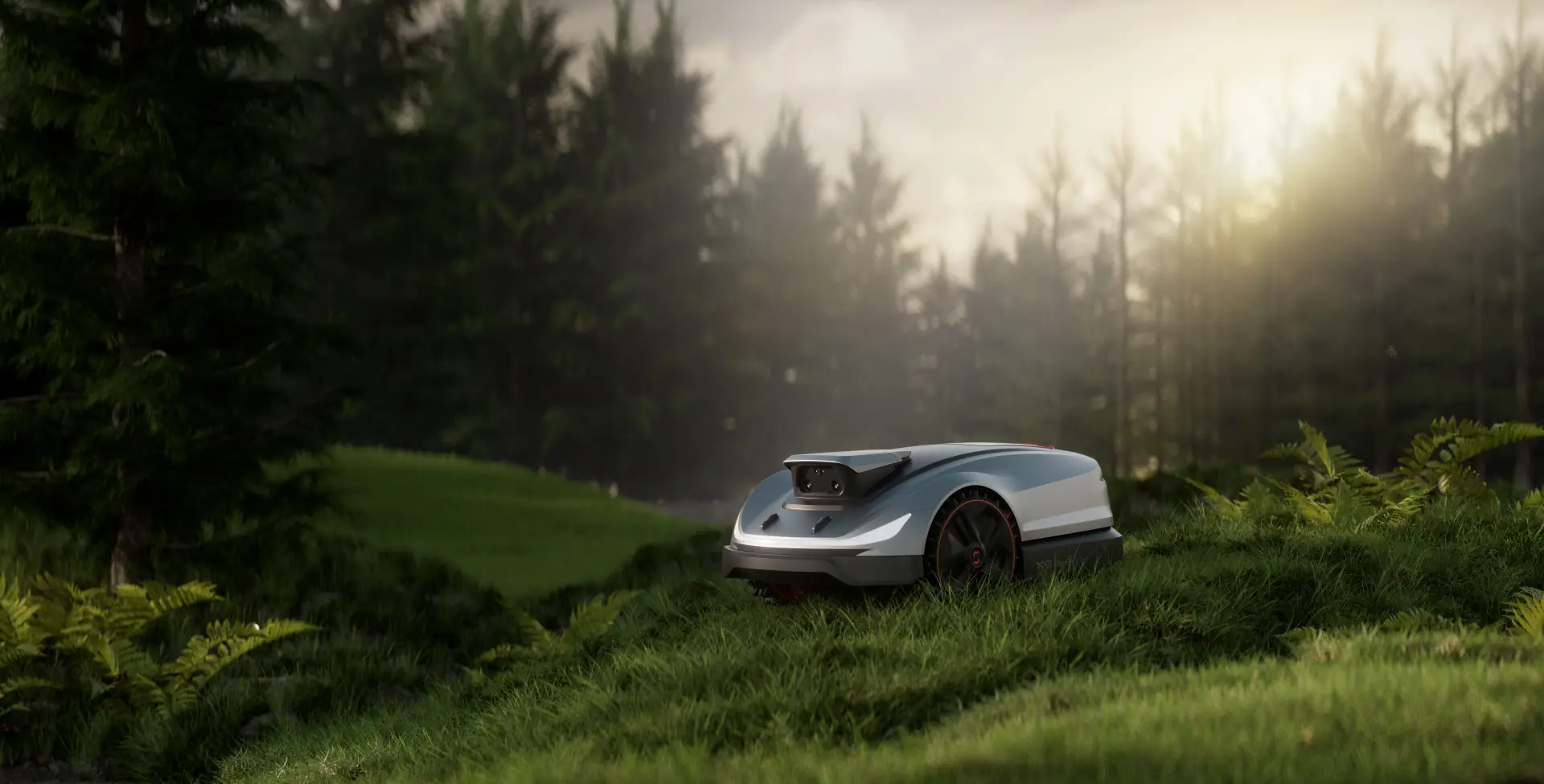
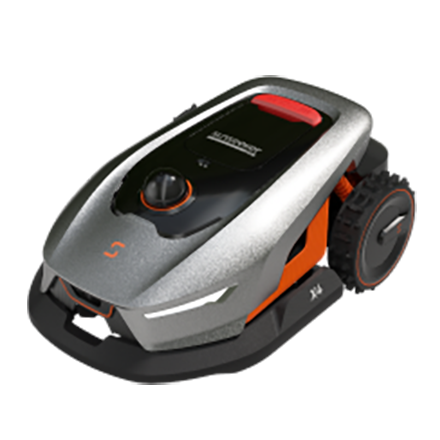
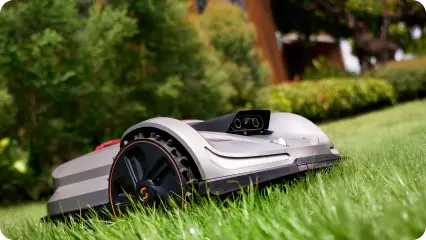
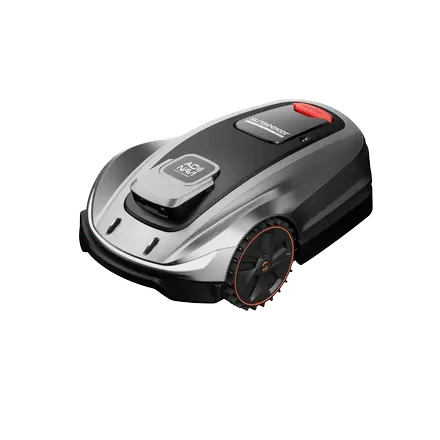
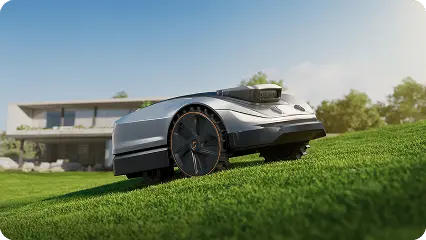
For sloped or uneven lawns, AWD Robotic Mowers fit that quieter kind of automation by combining traction with virtual boundaries and smart navigation, so regular mowing can happen without buried boundary wire or the same amount of manual handling. The appeal is not the machine as a centerpiece; it is that one repetitive garden job can demand less attention.
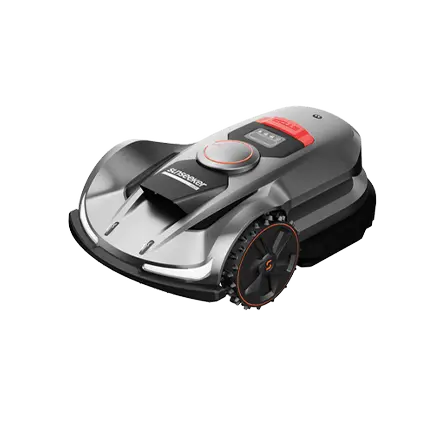
On much larger properties, the Sunseeker Elite X9 Plus pushes the same idea further. It is rated for up to 6 acres in 48 hours, uses all-wheel drive with four-wheel suspension on demanding terrain, and combines automatic mapping with obstacle awareness. Those capabilities matter because they let the lawn remain part of the landscape rather than turning its upkeep into the dominant weekend activity.