


















FAQs
8/3/2026
Contents
Products
Residential Lawns









Explore
Where to Buy


Potassium helps lawns regulate water, strengthen plant cells, handle heat, cold, foot traffic, and disease pressure. It does not create a fast green-up like nitrogen, so the best way to confirm need is a soil test. Apply potassium only during active growth and match the dose to your soil results.
Your lawn may look green after feeding, then still struggle when weather turns hot, traffic increases, or dry spells last longer than expected. Many homeowners blame watering or mowing first, yet a weak nutrient balance can also leave grass less able to handle stress.
Potassium is one of the main nutrients behind that hidden strength. It supports water movement inside the plant, helps grass recover after stress, and works best when applied for a clear reason. This blog will break down what it does, how to spot a possible shortage, and how to use it safely without overloading the soil.
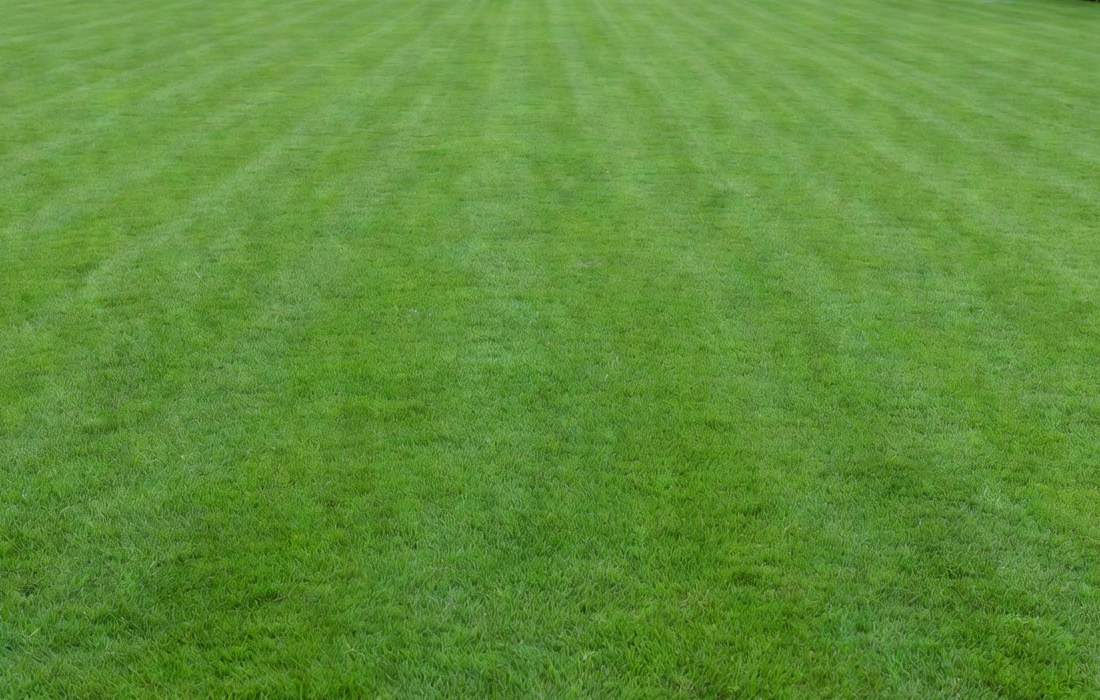
Potassium is the “K” in N-P-K fertilizer labels, and its role is different from nitrogen or phosphorus. Nitrogen drives leafy green growth, phosphorus supports early root development, and potassium helps the grass plant function well under pressure.
That is why the answer to what does potassium do for lawns is mostly about strength, balance, and resilience, not instant color. A lawn with enough potassium is often better prepared for heat, drought, wear, and seasonal stress.
Key benefits of potassium for lawn grass include:
Potassium is not a magic repair treatment. If the lawn is brown because of compacted soil, grubs, drought, heavy shade, or disease, adding more K will not solve the full problem. It works best as one part of a complete lawn program that also includes soil care, correct watering, proper mowing height, and timely repair of bare spots.
Potassium deficiency can be hard to diagnose by appearance alone because many symptoms look like drought stress, poor soil, or disease. Use visual clues as a warning sign, then confirm with a soil test before adding a high-potassium product.
A lawn may need potassium when it shows several stress-related symptoms at the same time, especially after a season of heavy growth, frequent mowing, or repeated nitrogen feeding. Watch for grass that wilts quickly in heat, loses color sooner than nearby areas, or recovers slowly after traffic. Some lawns also show yellowing or browning along older blade edges, thin growth, weak stems, or greater disease pressure during humid weather.
The most reliable check is a soil test. Collect 10 to 15 small plugs from the problem area at about 3 to 4 inches deep, mix them in a clean bucket, let the soil dry, and send the sample to a local extension office or soil lab. Many labs report potassium as parts per million or as a soil rating such as low, medium, or high. Some turf programs flag low potassium below roughly 50 to 100 ppm, but exact ranges vary with soil type, grass type, and lab method.
Also compare your fertilizer history. If you have used mostly high-nitrogen products with little or no K, the lawn may have gradually drawn down available potassium. Sandy soils can lose nutrients faster than clay or loam, especially under frequent irrigation. Newly established lawns, lawns with removed clippings, and heavily used areas may also need closer monitoring.
Do not treat potassium as a quick color booster. A pale lawn may be low in nitrogen, iron, water, or sunlight rather than potassium. If the goal is deeper green within a few days, potassium is rarely the main answer. Its value is more visible over weeks and seasons as the lawn handles stress more evenly.
Yes, a lawn can receive too much potassium. Overuse is less visually dramatic than a nitrogen burn, but it can still create soil imbalance, waste money, and make future nutrient management harder.
The biggest risk is competition with other nutrients. Very high potassium levels can interfere with magnesium and calcium uptake, especially in sandy or low-organic-matter soils. Grass may still look weak even though fertilizer has been applied because the soil chemistry is no longer balanced. Repeated use of strong potassium products such as 0-0-60 without a soil test can push levels higher than the lawn needs.
Too much potassium can also add salt stress, particularly if fertilizer is spread unevenly, applied during drought, or left sitting on blades without irrigation. Salt stress may show as tip burn, dull color, or patchy decline. On slopes or compacted soil, excess fertilizer can also wash into hard surfaces, drains, or nearby water during heavy rain.
A safe approach is to match the rate to the soil report. When potassium is needed, many lawn programs apply about 0.5 to 1 pound of K₂O per 1,000 square feet in a single application, though your label and soil test should set the final rate. Split applications are often safer than one heavy dose. If the soil test shows high potassium, skip extra K and focus on mowing, watering, organic matter, and fixing the cause of stress.
Adding potassium is not difficult, but the timing, product choice, and spread pattern matter. Treat it like a targeted correction, not a routine add-on every time the lawn looks tired.
Start with a soil test so you know the lawn actually needs potassium. Sampling only the worst patch can give a distorted result, so separate the lawn into zones: front yard, back yard, high-traffic strip, shady area, or problem patch. Take several small cores from each zone, remove thatch and grass blades, and test the soil beneath.
The report should show potassium level, pH, phosphorus, and sometimes organic matter. pH matters because grass uses nutrients most efficiently in a suitable range, often near 6.0 to 7.0 for many common lawn grasses. If pH is far outside the ideal range, a fertilizer application may give limited results. Follow the lab recommendation for pounds of K₂O per 1,000 square feet, not a guess based only on the bag number.
The product label tells you how much potassium a fertilizer contains. In an N-P-K number such as 10-0-10, the third number shows soluble potash, listed as K₂O. A higher third number means a stronger potassium source.
Common options include balanced lawn fertilizer, sulfate of potash, and muriate of potash. Balanced fertilizer is useful when the soil also needs nitrogen. Sulfate of potash, often labeled 0-0-50, supplies potassium with sulfur and is usually a good option when you need K without extra nitrogen. Muriate of potash, often labeled 0-0-60, is concentrated and can be harsher if overapplied, so careful spreading and watering are important.
Some homeowners consider wood ash because it contains potassium. Use it only with a soil test because ash can raise pH and add salts. If your soil is already alkaline, ash can create more problems than benefits. Compost can improve soil health, but it is usually not a precise potassium correction unless a test shows its nutrient content.
Apply potassium when grass is actively growing and able to use it. For cool-season lawns, early fall is often useful because the grass is rebuilding after summer and preparing for colder weather. Spring can also work when a soil test shows need. For warm-season lawns, apply during active growth in late spring or summer, after the grass has fully greened up.
Avoid potassium applications during drought dormancy, frozen soil, waterlogged soil, or days above about 85 to 90°F. If rain is expected within a few hours and heavy runoff is likely, wait. A light watering of about 0.25 inch after granular fertilizer often helps move nutrients off the grass blades and into the soil, but always follow the label first. Sweep granules off sidewalks and driveways before watering.
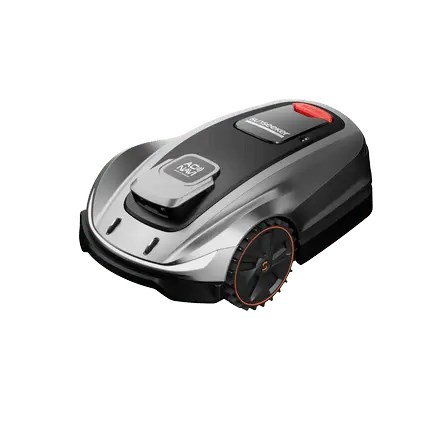
After potassium feeding and repair work, consistent mowing helps the lawn use that stronger growth pattern well. For an established lawn that needs regular light cutting, the Sunseeker Elite X4 can support a steadier routine with Drop & Go setup and 360° 3D LiDAR plus Vision AI, so maintained turf is trimmed often without relying on perimeter wire installation.

Potassium helps lawns become tougher, not instantly greener. It supports water control, stronger plant tissue, stress tolerance, and seasonal recovery, but it should be applied only when the lawn has a real need. A soil test, correct product choice, measured spreading, and proper watering are the safest path. After nutrient issues are corrected, steady mowing and routine care can keep grass more even over time. You can also explore a robot lawn mower for ongoing maintenance on an established lawn.
Look for weak stress recovery, fast wilting in heat, thin growth, brown blade edges, or recurring disease pressure, then confirm with a soil test. Visual symptoms alone are not enough because drought, nitrogen deficiency, compaction, and pests can look similar. A lab report gives the safest application rate.
Potassium fertilizer can cause problems when used without a soil test. Too much K may interfere with magnesium and calcium uptake, add salt stress, or wash away during heavy rain. Concentrated products can also burn grass if spread unevenly or left on blades in hot, dry weather.
Potassium does not usually create a fast green-up. Nitrogen and iron have a more visible color effect. Potassium helps grass become stronger and more stress-tolerant, so the lawn may look healthier over time. If grass is pale, test soil and check watering before adding K.