






FAQs
8/11/2026
Contents
Products
Residential Lawns









Explore
Where to Buy


The right time to apply lawn herbicide depends on the weed type, the herbicide type, and the weather. Pre-emergent products work before weed seeds sprout, while post-emergent products work on visible weeds that are actively growing. For most lawns, mild temperatures, dry grass, calm wind, and no immediate rain give the best chance of success.
Weeds often show up when the lawn is already under stress. Crabgrass may fill thin spots during warm weather, while broadleaf weeds can appear as the grass starts growing again. Spraying as soon as you notice them is not always the best move, because herbicides work differently depending on the weed, season, and weather.
This blog explains when to apply herbicide to lawn, how timing changes between pre-emergent and post-emergent products, what weather conditions to check, and which common mistakes can reduce results or stress the grass.

Lawn herbicides are not all used at the same point in the weed life cycle. Before choosing a date, first identify the product category on the label. This helps you avoid spraying too late for prevention or too early for visible weed control.
Pre-emergent herbicide is used before weed seeds germinate. It creates a chemical barrier near the soil surface, so timing must happen before weeds break through. For spring crabgrass control, many homeowners apply it when soil temperatures reach about 55°F for several days, often before daytime temperatures feel consistently warm. In many U.S. regions, that means early to mid-spring, but local timing can shift with elevation, climate, and spring weather patterns.
Pre-emergent products usually need water after application to move the active ingredient into the top layer of soil. About 0.25 to 0.5 inch of rain or irrigation is common, but the product label should always guide the exact amount. Avoid heavy watering that causes runoff, since the product needs to stay where weed seeds are likely to germinate.
Post-emergent herbicide treats weeds you can already see. It works best when weeds are young, healthy, and actively growing, not when they are drought-stressed, dusty, mature, or already going dormant. Many broadleaf weed products perform best in mild weather, often around 60°F to 85°F. Spraying during very hot afternoons can stress turf and reduce control.
This category includes spot treatments for dandelions, clover, plantain, chickweed, and other visible weeds. Some products are selective, meaning they target certain weeds while leaving compatible lawn grass unharmed when used correctly. Others are non-selective and can damage any green plant they touch. Always check that the label lists your grass type and the weeds you want to treat.
Pre-emergent timing is about prevention, not visible weed removal. The goal is to apply before the main weed flush begins, so the product is already active when seeds start to germinate.
For crabgrass and many summer annual weeds, early spring is the key window. A practical signal is soil temperature near 55°F for several days, often around the time forsythia finishes blooming in cooler regions. In the South and other warm areas, this window may arrive much earlier than in northern lawns. A second light application may be needed later if the label allows it and the product has a shorter control period.
For winter annual weeds such as annual bluegrass, henbit, and chickweed, fall timing is more useful. Apply before cool-season weeds germinate, often in late summer or early fall as nights begin to cool and soil temperatures drop. In many lawns, this can be more effective than trying to remove mature winter weeds the following spring.
Avoid pre-emergent herbicide if you plan to seed soon, unless the label clearly says it is safe for new grass. Many pre-emergents stop grass seed as well as weed seed. If you are repairing bare areas, choose seeding first or use a product specifically labeled for use during seeding.
Post-emergent products work on weeds that are already above the soil. The best timing is when weeds are small enough to control but large enough to absorb the spray through their leaves.
For many broadleaf weeds, spring and fall are strong treatment windows because temperatures are mild and weeds are actively moving resources through their leaves and roots. Dandelions, clover, plantain, and similar weeds often respond well when treated before flowering heavily or setting seed. Fall can be especially useful for perennial weeds, since plants are naturally moving energy toward the roots.
Summer spraying needs more care. If the lawn is under heat or drought stress, wait until the turf recovers. Spraying when temperatures rise above 85°F to 90°F can increase the chance of turf injury, especially on cool-season grasses. If treatment is necessary, spot spray early in the day after dew dries, and follow the label strictly.
Post-emergent herbicide also needs enough dry time on the leaf surface. Some labels need only a few rain-free hours, while others need closer to 24 hours. Do not mow right before spraying if the weeds will lose too much leaf area. A bigger leaf surface helps the product reach the plant more effectively.
Weather can improve or ruin a herbicide application. A good product used on the wrong day may drift, wash away, or stress the grass more than the weeds.
Aim for a calm, dry day with mild temperatures. Wind should usually be light enough that spray lands only on the target area. Many labels advise avoiding wind stronger than 10 mph, and even lighter wind is better near gardens, trees, water, or neighboring property. Drift can harm flowers, vegetables, shrubs, and ornamental plants.
Do not spray wet foliage unless the label says the product is designed for that condition. Wet leaves can dilute the herbicide and cause uneven coverage. Wait until morning dew has dried, then apply before the day becomes too hot. For granular weed-and-feed products, the opposite may apply: many need damp leaves so the particles stick to weeds. This is why the label matters more than a fixed habit.
Rain timing also matters. Light water after a pre-emergent can activate the product, but rain too soon after a post-emergent spray can wash it away. Heavy rain soon after any treatment can move chemicals off target. If storms are likely, wait for a steadier weather window.
Lawn activity after treatment should also follow the label. Keep children and pets off the treated area until the product has dried or until the reentry period has passed. Delay mowing, watering, and heavy foot traffic as directed so the treatment has time to work.
Most herbicide problems come from rushing the job or treating the wrong condition. A short checklist before spraying can protect your grass, reduce waste, and help the weed control last longer.
Use the points below as a practical safety and timing check before each application.
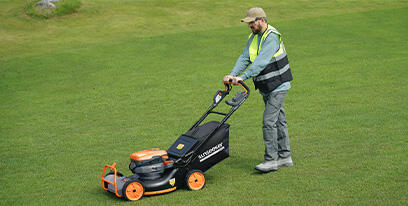
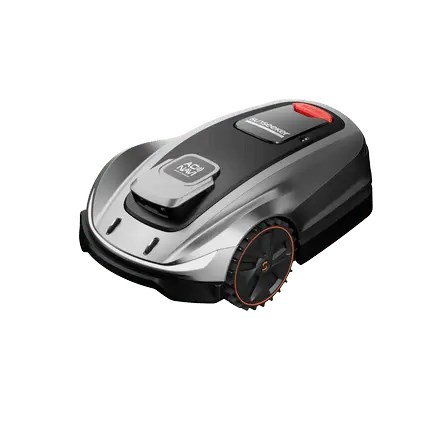
After weeds are controlled and the label reentry period has passed, steady mowing can help the lawn close thin spaces before new weeds move in. Sunseeker’s wire-free lawn care tools, including the Sunseeker Elite X4, support routine maintenance with 360° 3D LiDAR plus Vision AI for mapping, obstacle awareness, and efficient mowing on established lawns. Used as part of normal care, consistent mowing helps grass stay dense and reduces open areas where weeds often gain a foothold.

The best time to apply herbicide depends on the weed stage, product type, and weather. Use pre-emergent herbicide before weeds sprout, and use post-emergent herbicide when visible weeds are young and actively growing. Mild temperatures, calm wind, and correct rain timing matter. With careful spraying, good mowing habits, and steady seasonal care, your lawn can recover faster and stay thicker over time. If you want a simpler routine after treatment, a robot lawn mower can help keep regular mowing on track.
For post-emergent herbicide, spray after rain once the grass and weeds are dry, and leave enough rain-free time for absorption. For pre-emergent herbicide, light watering after application often helps activate the barrier. Avoid spraying before heavy rain because runoff can move product away and reduce control.
Apply lawn insecticide only when the target pest is present or when a labeled preventive treatment is appropriate. There is no universal schedule: some products are applied once per season, while others allow retreatment after 7-21 days. Always follow the product label’s minimum interval, annual application limit, and watering instructions rather than spraying routinely.
Do not mow immediately before applying most post-emergent herbicides because weeds need enough leaf surface to absorb the spray. Mow one or two days before if the lawn is tall, then wait after spraying as the label directs. For granular products, follow the product instructions because timing can differ.