





FAQs
8/11/2026
Contents
Products
Residential Lawns








Explore
Where to Buy


Lawn burn can come from excess fertilizer, dog urine, heat, drought, or repeated stress on the same patch of grass. The fastest repair starts with finding the cause, watering the soil deeply to dilute salts or waste, removing dead blades, and reseeding bare areas when roots no longer recover.
A green lawn can develop yellow or brown burned spots after fertilizing, pet urine, hot weather, or dry soil. The patches may look similar, but the right repair depends on what caused the damage and whether the grass roots are still alive.
In this blog, you’ll learn how to identify common causes of lawn burn, repair damaged areas, decide when reseeding is needed, and prevent the same problem from coming back. Many small patches can recover with simple care once the source of stress is removed.

Lawn burn is a visible stress response. The grass loses green color because roots, blades, or soil moisture are under pressure. Looking at the timing and pattern of the mark helps you choose the right fix instead of treating every brown area the same way.
Fertilizer burn happens when too much nitrogen or soluble salt sits on the grass or in the topsoil. It often appears a few days after feeding, especially if granules are spilled, the spreader overlaps too much, or the lawn is not watered after application. The damaged area may look straw-colored, yellow, or sharply outlined where the product landed. If the roots are still firm and the crown is alive, deep watering can help dilute the salts. Heavy damage may need dead grass removed and reseeding.
Dog urine burn is usually caused by concentrated nitrogen and salts in one small area. It often shows as a round brown spot, sometimes with a darker green ring around it because the outer edge receives a lighter dose of nitrogen. Female dogs may leave more obvious spots because they often urinate in one place. The best quick response is to soak the area with water as soon as possible. For old spots, rinse the soil, rake away dead grass, and add seed if the patch has gone bare.
Heat or drought burn looks less like a spill and more like broad fading, crispy tips, or brown areas near slopes, edges, sidewalks, or compacted ground. These areas dry faster because soil holds less moisture or absorbs heat from nearby hard surfaces. Grass may enter dormancy during hot weather, which can look alarming but does not always mean the plants are dead. A screwdriver test helps: if it is hard to push into the soil, the ground is too dry or compacted. Slow, deep watering is usually better than frequent light sprinkling.
Before you reseed, check if the grass still has life left in it. Dormant or stressed grass may turn brown but recover after water and cooler weather. Dead grass will not green up because the crown and roots are no longer active.
Use this quick comparison before choosing a repair plan.
Check | Stressed or dormant grass | Dead grass |
Color pattern | Tan or brown blades may still sit firmly in the soil, and nearby grass may be fading too. | Patch often looks dry, gray-brown, or straw-like with no green at the base. |
Tug test | Blades resist when you pull gently because roots are still holding. | Grass lifts easily, often with loose roots or bare soil underneath. |
Water response | May show green tips or softer blades after 7 to 14 days of steady moisture. | No visible change after several weeks of correct watering and mild weather. |
The right repair depends on how severe the burn is, but the basic order is the same. Stop the damage first, help the soil recover, then rebuild the grass only where it cannot come back on its own.
Do not add more fertilizer, weed killer, or soil treatment until you know what caused the burn. If the issue came from a fertilizer spill, sweep up visible granules and keep the spreader away from the patch. If the mark came from dog urine, train the dog to use a mulched or gravel area, or rinse favorite spots quickly after use. For heat stress, reduce foot traffic and avoid mowing during the hottest part of the day. Grass under stress needs fewer disturbances, not more products.
Water is the first repair tool for most fresh lawn burn. For fertilizer or urine burn, soak the spot deeply to move excess salts below the root zone. A practical starting point is about 1 inch of water over the affected area, applied slowly so it soaks in instead of running off. For a small dog urine spot, a half gallon to 1 gallon of water soon after it happens can reduce damage. Repeat deep watering every few days if the soil remains dry, but do not leave the area muddy.
After the patch has had time to respond, remove grass that is clearly dead. Use a hand rake to lift loose, brittle blades and open the surface. Do not scrape healthy crowns or dig deeply into the soil unless the patch is already bare. The goal is to create seed-to-soil contact and remove debris that blocks light and air. If the soil is hard, loosen the top 1/4 to 1/2 inch with a garden fork or hand cultivator. Add a thin layer of compost or lawn soil if the area is low.
If the spot stays bare after cleanup, reseed it with a grass type that matches your lawn. Spread seed evenly, press it into the loosened soil, and cover it lightly with compost, straw, or a thin topdressing. Keep the top layer moist during germination. That often means light watering once or twice daily in warm, dry weather, then less frequent watering as seedlings root. Avoid mowing new grass until it reaches about 3 to 4 inches, and use a sharp blade so young plants are cut cleanly.
Mild lawn burn can improve in 1 to 3 weeks when the crown and roots are still alive. You may see new green tips first, followed by gradual thickening as normal care returns. Heat-stressed grass can take longer, especially if high temperatures continue or the soil remains dry. Fertilizer and dog urine burn may need reseeding if the central patch is dead.
New seed usually germinates in about 5 to 30 days, depending on grass type and weather. Perennial ryegrass can sprout quickly, while Kentucky bluegrass may take several weeks. Full blending takes longer because new grass must thicken and match the surrounding lawn. Give repaired spots 6 to 8 weeks of careful watering and mowing before judging the final result.
Prevention is easier than repeated patch repair. Once the lawn has recovered, small changes in feeding, watering, mowing, and pet habits can reduce the chance of another burn mark.
Use the points below as a practical checklist during the main growing season.
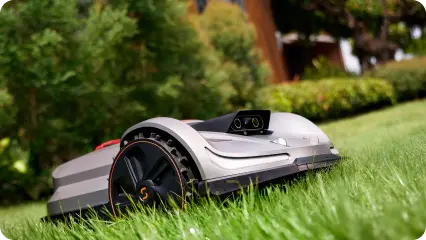
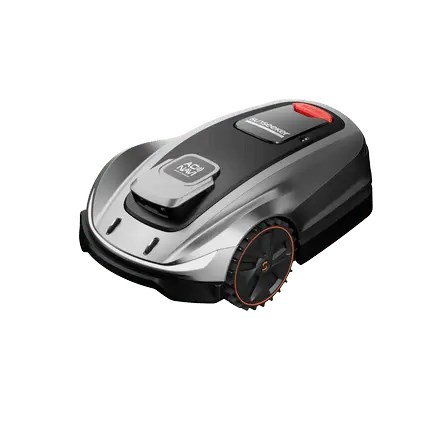
On larger lawns, steady mowing habits also help the grass recover more evenly after patch repair. The Sunseeker Elite X9 is built for large-area maintenance and uses AONavi positioning with intelligent path planning to support consistent coverage across broad yards. Its wide dual cutting system and app-based zone management can help homeowners keep growth more uniform, which makes new stress spots easier to notice during regular care.

Learning how to fix lawn burn starts with finding the cause. Fertilizer, dog urine, heat, and drought all leave different clues, so check the pattern before you reseed. Flush the soil, remove dead grass, repair bare spots, and adjust future lawn care habits. For large properties, exploring a robotic lawn mower for large lawns can also support a steadier mowing routine as part of long-term turf care.
Burnt grass can turn green again if the crown and roots are still alive. Water the area deeply, reduce stress, and wait 1 to 3 weeks for signs of new growth. If the grass pulls up easily or stays brittle after good care, the patch is likely dead and needs reseeding.
Do not fertilize a burned lawn right away. Extra nutrients can worsen salt stress, especially after fertilizer burn or dog urine damage. Flush the soil first and let the grass stabilize. Once new growth is active and the patch is recovering, use a light, balanced fertilizer only if your lawn actually needs feeding.
The fastest safe response is to remove visible granules and water the area deeply. Apply water slowly so it soaks into the soil and carries excess salts away from the root zone. Wait several days, then rake dead grass if needed. Reseed only when the patch does not show new green growth.