





FAQs
9/12/2026
Contents
Products
Residential Lawns






Explore
Where to Buy


Lime can help an acidic lawn when a laboratory soil test recommends it, but it is not a routine fertilizer or a cure for every weak patch. Test soil pH and buffer capacity first, follow the report’s rate, choose calcitic or dolomitic lime according to nutrient needs, and apply it evenly when the ground is workable.
A lawn can stay thin, pale, or slow to recover even after regular feeding. When the usual fertilizer routine stops giving the expected result, the problem may be deeper than a simple nutrient shortage. Soil condition, moisture, compaction, shade, and root health can all affect how well grass grows and recovers.
If you are wondering should I put lime on my lawn, the decision should begin with a soil test rather than lawn appearance alone. This blog explains what lime changes in the soil, when it may help, how pH guides application, and which lawn problems need a different solution.

Lime changes soil chemistry gradually; it does not feed grass in the same way as nitrogen fertilizer. Its main value is neutralizing excess acidity when the soil is genuinely too acidic for the turf.
Most lawn lime is ground limestone containing calcium carbonate, while dolomitic products also contain meaningful magnesium. As the material reacts with acidic soil, pH rises. This can improve the availability of nutrients such as phosphorus and supports soil organisms that break down organic matter. It may also reduce problems associated with high concentrations of soluble aluminum or manganese in strongly acidic mineral soils.
Fine particles react faster than coarse particles, but measurable improvement commonly takes several months. Lime does not loosen compacted ground, correct drainage, kill moss, or supply nitrogen. Those issues need their own treatment.
Visual clues can justify testing, but none can confirm a lime requirement on its own. Use the following evidence together before buying or spreading material.
If you wonder does my lawn need lime, collect a representative sample through a university extension service or reputable laboratory. Take 10 to 15 cores, avoid recently fertilized spots and pet areas, mix them, and sample the upper 3 to 4 inches unless the lab specifies otherwise. Many lawn grasses perform well near pH 6.0 to 7.0, though species and regions differ. A result within or above the local target usually means no lime is needed.
Poor color, slow growth, or thinning grass can be reasons to check the soil, especially when watering, mowing, sunlight, and feeding are already suitable. These symptoms can also come from shade, compacted soil, drainage problems, pests, or disease, so they should not be treated as proof of low pH.
Moss, clover, and other weeds are sometimes linked with acidic soil, but they can also appear because of shade, wet soil, low fertility, or thin turf. Their presence may justify a soil test, but lime should only be considered when the test shows that the soil pH is below the suitable range for your lawn.
The right amount of lime should come from a soil-test recommendation, not from soil pH alone. The final amount can also vary with the type of lime and its neutralizing strength.
As a general example, a single application on an established lawn is often kept to about 50 pounds per 1,000 square feet. Higher recommendations may need to be split into two treatments rather than applied all at once.
For even coverage, measure the lawn first and set the spreader according to the product label. Applying half the lime in one direction and the other half across it can help reduce missed spots. Any granules left on driveways or paths should be swept back onto the lawn before watering.
Once a soil test confirms that lime is needed, the next step is choosing a product that fits the recommendation. The main differences below can help you compare your options.
Calcitic lime is mainly made from calcium carbonate. It works well when the soil needs a higher pH but already has enough magnesium. Products can differ in how strongly they affect soil pH, so the label rate is more useful than bag weight alone. Finer lime usually works faster because it mixes with the soil more easily, although very fine powder can be dusty and harder to spread evenly.
Dolomitic lime contains both calcium and magnesium. It is most useful when a soil test shows that the lawn needs more magnesium as well as a higher pH. If magnesium levels are already sufficient, there is usually little reason to add more. Both calcitic and dolomitic lime can raise soil pH, so the better choice depends on what the soil test recommends.
Pelletized lime is made from finely ground limestone formed into small pellets, which makes it cleaner and easier to spread. The pellets break apart after they become wet. Granular or ground lime may cost less, but it can be dustier and less convenient to handle. Pelletized lime is easier to use, not necessarily stronger, so coverage, application rate, and price are worth comparing.
Lime can be applied whenever the soil is not frozen, waterlogged, or covered by snow. Timing should allow even spreading and contact with the soil.
Fall is convenient because moisture and freeze-thaw cycles help move fine particles while the material has months to react. Early spring also works if the ground is firm. If you ask should you put lime on your lawn before intense rain, wait; runoff can carry material from slopes or pavement. Water lightly only if the label directs it.
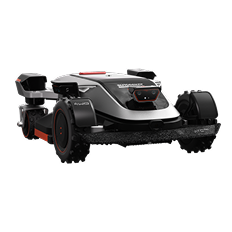
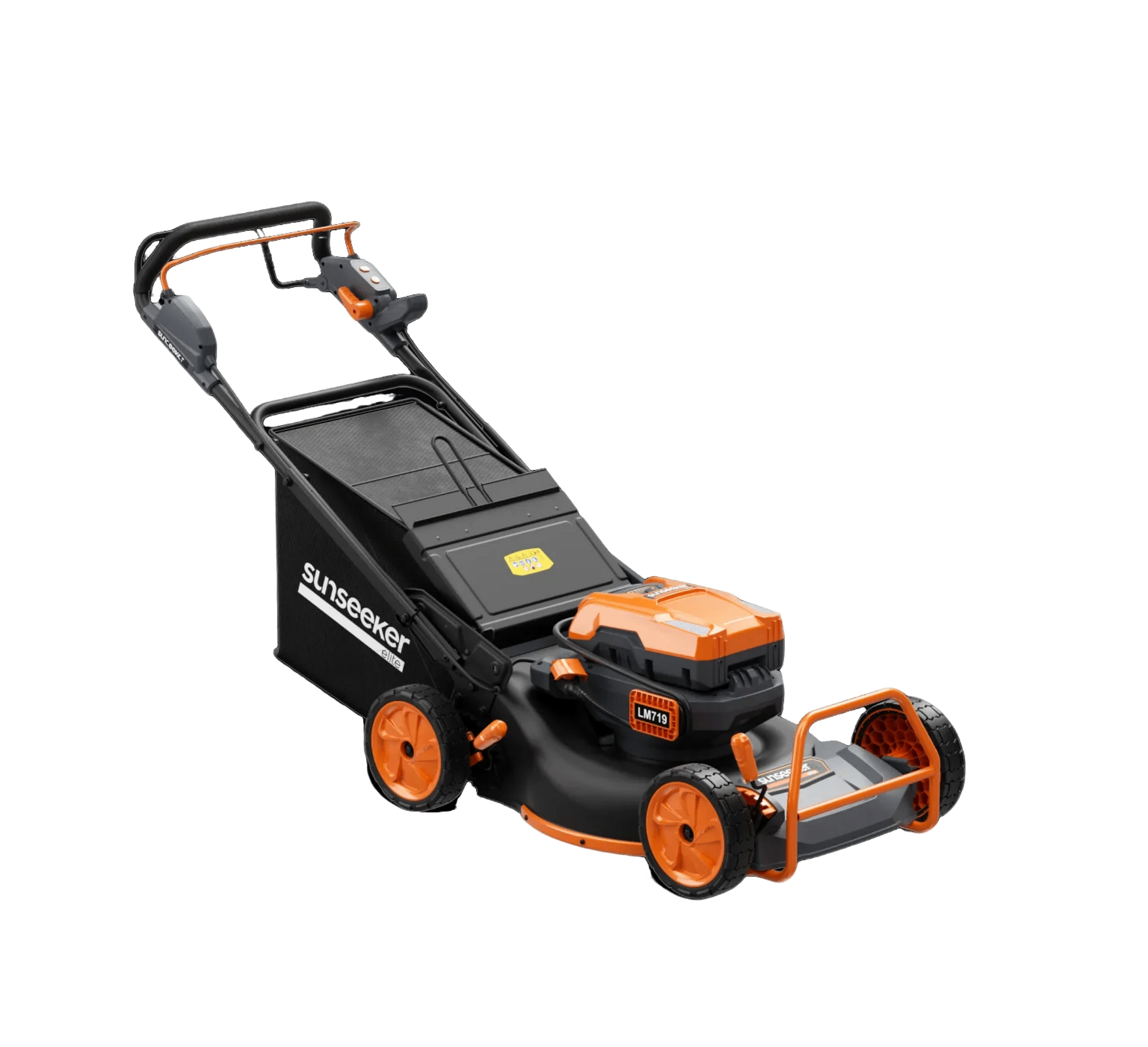
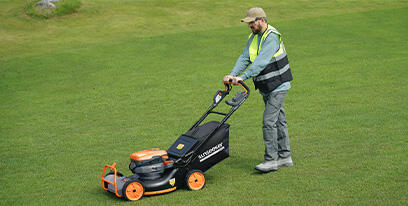
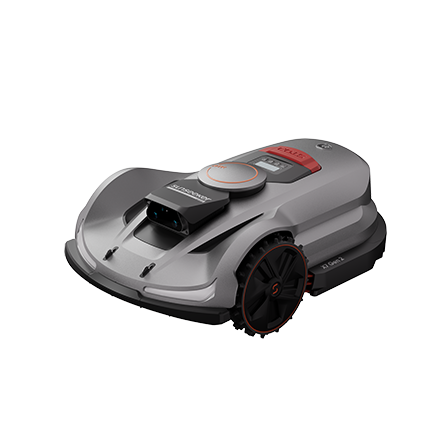
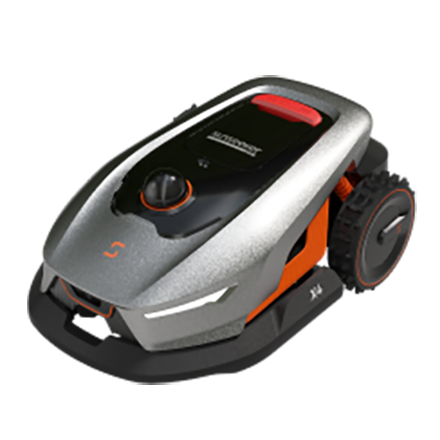
Aeration can improve surface contact on compacted lawns, and lime can be applied after cores are pulled. Routine mowing may resume once dust has settled and granules have moved off the leaves. For large, established properties, the Sunseeker Elite X9 supports regular maintenance with all-wheel-drive mobility and systematic mowing. Apply lime separately with calibrated spreading equipment, then schedule mowing after the lawn surface is firm so traffic does not press wet soil or leave ruts.

Unneeded or excessive lime can move soil chemistry away from the range your grass needs. Testing prevents a well-intended application from creating a slower, more expensive correction later.
Overliming can raise pH enough to reduce the availability of iron, manganese, phosphorus, and other nutrients. The lawn may develop yellow leaves even though nutrients are present in the soil. Lime can also worsen conditions for acid-preferring plants near the turf if spread into beds. Uneven piles may create localized high-pH spots, while runoff can leave material on sidewalks, drains, or ponds.
Do not lime solely because moss or mushrooms appear, because a salesperson suggests an annual treatment, or because a neighbor applies it. Also postpone application on saturated, frozen, or severely drought-stressed turf. If pH is already high, adding sulfur without professional guidance is not a quick reversal; changing buffered soil chemistry can be difficult. Correct the underlying problem and retest before making another amendment.
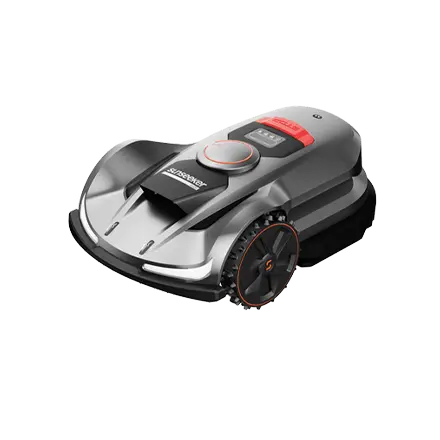
Lime should only be added when a soil test shows that your lawn needs a higher pH. The test also helps you choose the right product and amount. After application, soil pH changes gradually, so results may take time. Healthy grass still depends on proper mowing, watering, drainage, and feeding. For established lawns that need regular upkeep, AWD Robotic Mowers can help keep mowing consistent across suitable slopes and larger lawn areas.
Yes. Excess lime can push soil pH too high and make iron, manganese, phosphorus, and other nutrients less available. Yellowing may then resemble a fertilizer deficiency. Do not repeat lime annually without testing. Follow the laboratory rate, split unusually high recommendations if advised, spread evenly, and retest on the schedule suggested by your extension service.
Neither form is universally better. Pelletized lime is cleaner and easier to spread because fine particles are bound into pellets that dissolve with moisture. Powdered lime may be less expensive and can react efficiently when finely ground, but it is dusty. Compare effective neutralizing value, fineness, cost per treated area, and spreader compatibility.
Expect gradual change rather than visible results in days. Fine lime may begin reacting after moisture reaches it, but a meaningful pH shift commonly takes several months; full adjustment can require six to twelve months or longer. Soil texture, temperature, moisture, particle size, and rate all affect speed. Retest according to local laboratory guidance before reapplying.