









FAQs
8/26/2026
Contents
Products
Residential Lawns










Explore
Where to Buy


A better-looking lawn usually needs consistent basics rather than a single quick treatment: mow at the right height, water deeply, feed according to soil needs, repair thin areas, control weeds, and keep the surface tidy. Small corrections made at the right time can improve color, density, and overall neatness within a few weeks.
A lawn can look tired even when most of the grass is still healthy. Uneven height, pale color, bare spots, weeds, compacted soil, and ragged edges often build up gradually, so the yard starts looking neglected before there is one obvious problem to fix. If you are asking how to make my lawn look better, start with the basic conditions grass needs and correct the most visible weak points first. The eight practical steps below focus on appearance and turf health at the same time, so the lawn looks cleaner now and grows stronger over the season.

A polished lawn is mostly the result of repeatable habits. Before changing products or adding more work, check the grass, soil, moisture, and mowing pattern so each step solves a real problem instead of creating another one.
Do a five-minute lawn check before you begin. Look at the cut grass tips, push a screwdriver into the soil to feel for compaction, measure any thatch layer, note where water pools or dries fastest, and mark thin or weedy patches. Those clues tell you which of the following tips should come first.
Issue | Likely Cause | Professional Fix |
Brown/Frayed Tips | Dull mower blades | Sharpen or replace blades every 25 hours. |
Wilting/Blue-Gray Tint | Drought stress | Deep morning watering (1 inch per week). |
Pale/Slow Growth | Low nitrogen or pH | Soil test followed by targeted fertilization. |
Spongy/Thin Turf | Excessive thatch | Core aeration or dethatching during active growth. |
Once you know what your lawn is telling you, use the eight tips below to tackle the biggest problems first and improve the overall look step by step.
Mowing too low is one of the fastest ways to make healthy grass look weak. Taller blades provide more leaf area for photosynthesis, help shade the soil, and leave less open space for weeds. Set the mower for the recommended height for your grass type and never remove more than one-third of the blade in a single cut. If the lawn is overgrown, lower it gradually across several mowings. Change mowing direction occasionally so the grass does not lean in one repeated pattern.
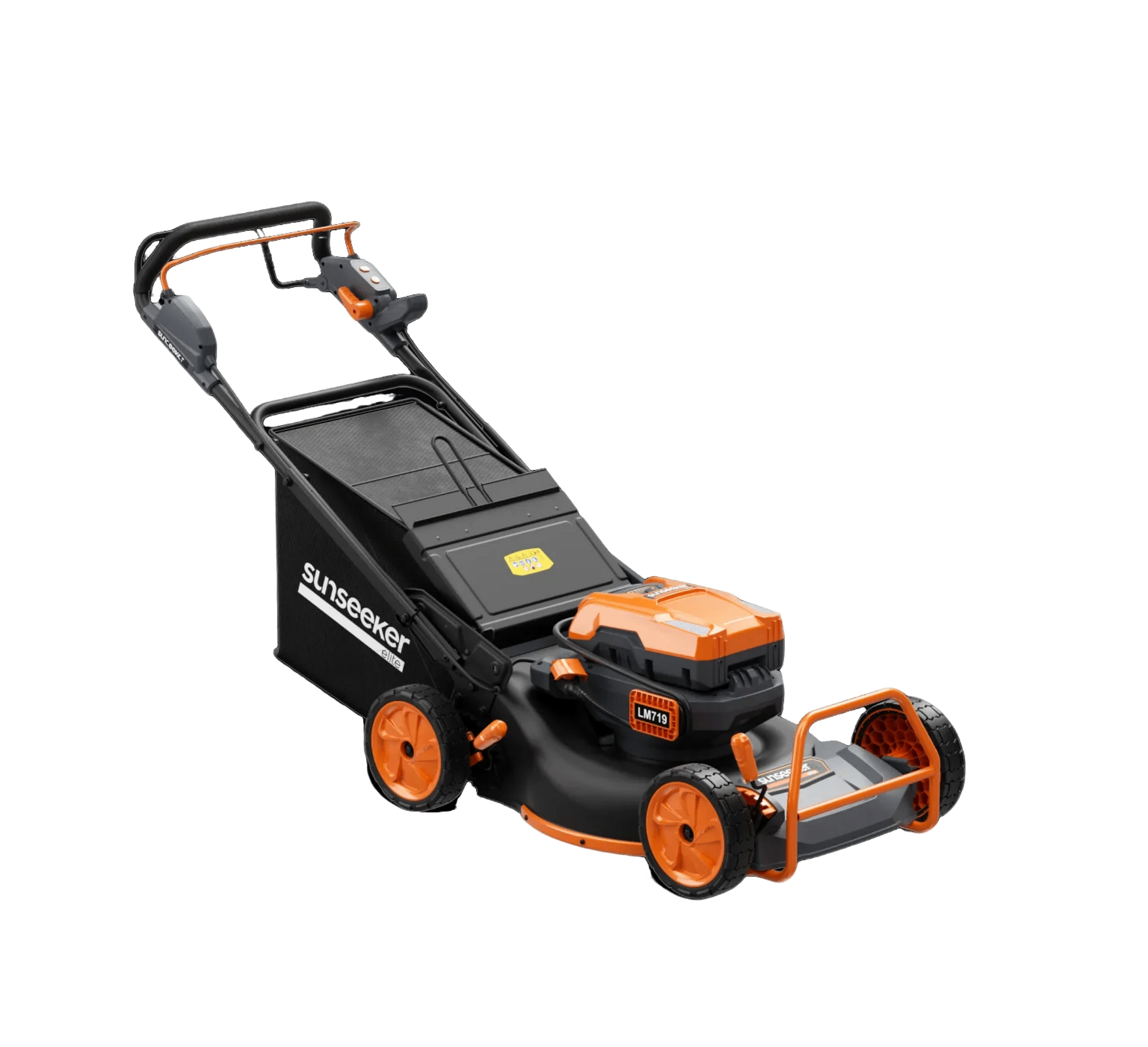
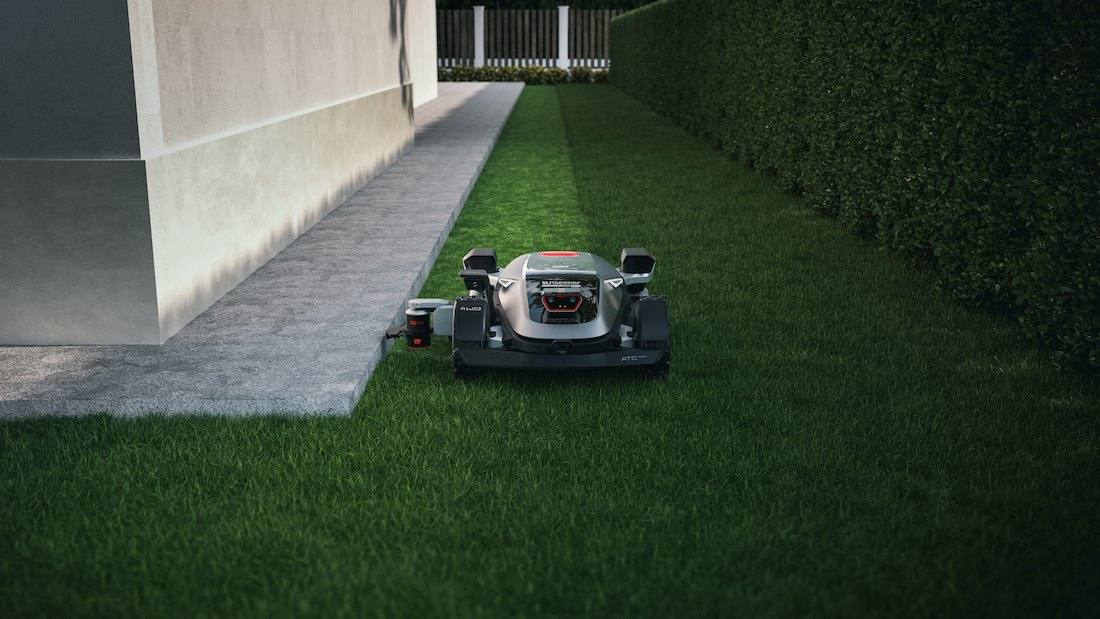
Sharp blades leave smooth grass tips, while dull blades tear tissue and create a pale, ragged cast across the lawn. Inspect the cut after mowing and sharpen or replace the blade when the ends look shredded. Consistency matters too: light, regular trimming helps keep height even and avoids piles of long clippings. For larger or more complex properties, the Sunseeker Elite X9 Plus uses planned mowing routes, a wide dual-disc cutting system, and adjustable cutting height to support an even finish while reducing repeated manual touch-ups.
Deep watering supports a stronger root zone and usually produces better color than frequent surface sprinkling. Many established lawns perform well with roughly 1 inch of total water per week, including rainfall, though soil type, heat, wind, and grass species can shift that target. Water early in the morning so more moisture reaches the soil before daytime evaporation increases and the blades can dry afterward. Set small straight-sided containers in the sprinkler zone to measure output and correct dry gaps rather than guessing by run time.
A lawn that looks pale or slow does not automatically need more nitrogen. Start with a soil test so you know the pH and nutrient levels. Many turf grasses grow best around pH 6.0 to 7.0, where essential nutrients remain reasonably available. Apply fertilizer at the labeled rate for your grass and season, and avoid feeding drought-dormant turf. Too much nitrogen can burn grass or push soft growth that needs extra water. Soil-guided feeding gives you greener growth without turning lawn care into repeated guesswork.
Compacted soil can leave a lawn thin even when you water and fertilize correctly because roots have less air and water movement. Core aeration removes small plugs of soil and creates channels that improve access to the root zone. Focus on high-traffic paths, play areas, and places where water runs off instead of soaking in. Cool-season lawns are commonly aerated during active fall growth, while warm-season lawns are usually aerated in late spring or early summer. Aerate moist, not muddy, soil for cleaner cores.
Thin patches make the whole yard look rough, and exposed soil gives weed seeds room to establish. Loosen the top 1/4 inch of soil, remove dead material, and use seed that matches the existing grass and local growing conditions. Keep the seedbed evenly moist until seedlings establish, then shift toward deeper watering. For cool-season grasses, early fall is often the easiest repair window; warm-season grasses are generally repaired in late spring or early summer. Avoid pre-emergent herbicide around newly seeded areas unless the label specifically allows it.
A lawn can be healthy and still look untidy when weeds, excess thatch, and soft borders break up the visual surface. Hand-pull isolated weeds or use a selective lawn herbicide that is labeled for the weed and your grass type. Check thatch by cutting a small wedge of turf; a layer under about 1/2 inch is generally normal, while thicker buildup may justify dethatching during active growth. Finish by edging along walks and beds. Crisp boundaries give the yard a cleaner appearance even before deeper turf repairs are complete.
Fine grass clippings can stay on the lawn when they are short and dry enough to fall between the blades. They break down and return organic material instead of forming the heavy piles associated with mowing over tall, wet grass. A regular schedule also keeps the lawn visually even. If you prefer frequent light cuts with less manual mowing, explore Robot Mowers with Mulching Blades that trim small amounts at a time and leave fine clippings in place. Remove thick leaf layers, sticks, and wet debris first so the cutting system can work cleanly.
A lawn’s needs change with the weather, and a better-looking yard requires working in harmony with the seasons. Following a simple annual rhythm ensures you are applying the right treatments when the grass is best prepared to use them.
Season | Primary Focus | Key Action |
Spring | Cleanup & Protection | Rake debris, test soil, and apply pre-emergent weed control. |
Summer | Moisture Management | Raise mowing height and prioritize deep early-morning watering. |
Fall | Repair & Root Growth | Core aeration, overseeding, and final nutrient applications. |
Winter | Equipment Maintenance | Sharpen mower blades and service batteries or engines for spring. |
A greener, cleaner lawn rarely needs a complicated routine. Correct mowing height, sharp blades, deep morning watering, soil-based feeding, timely aeration, spot repair, weed control, and neat edges address the problems homeowners notice most. Start with the weakest area, improve one or two habits at a time, and judge progress across several weeks. Once the turf is stable, Sunseeker lawn-care options can help keep mowing consistent while you focus on watering, soil health, and seasonal maintenance.
Start with moisture and mowing because those can improve appearance without forcing excess growth. Water deeply in the early morning, keep the mower at the recommended height, and use a sharp blade. If color remains pale, test the soil before fertilizing. A fast-release nitrogen product can green actively growing turf quickly, but only use it at the labeled rate and never on drought-dormant grass.
The easiest first improvement is to mow correctly and consistently. Raise the cutting height if the lawn is being scalped, follow the one-third rule, and sharpen the blade if grass tips look torn. Pair that with deep morning watering when rainfall is insufficient. Those two habits improve neatness immediately and support stronger roots, which makes later seeding, fertilizing, and weed control more effective.
Often, yes. A slightly higher cut can make turf look fuller because there is more leaf surface and less exposed soil. Taller grass also shades the crown and root zone, which can help reduce heat stress and limit opportunities for some weeds. The best height still depends on the grass species, so use its recommended range rather than choosing one universal setting for every lawn.